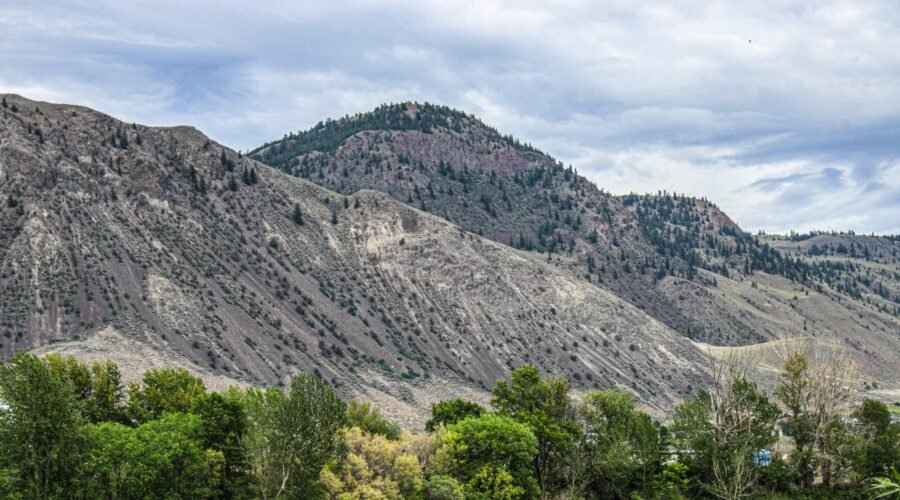
Kamloops, British Columbia, is a four-season destination, but the best time to visit depends on what you want to do. For most travelers, late May through June and September offer the strongest balance of comfortable weather, outdoor recreation, lighter summer demand, and flexible sightseeing. July and August are warmer and busier, while winter is especially attractive if skiing at nearby Sun Peaks is your priority.
Quick Answer
The best overall time to visit Kamloops is late May through June or September. These months usually provide comfortable weather for hiking, biking, golf, wineries, and sightseeing without the strongest midsummer heat. Choose July or August for warm lake days, and plan a winter trip if skiing or snowboarding at Sun Peaks is your main goal.
Key Takeaways
- Best overall balance: Late May, June, and September.
- Warmest weather: July, followed closely by August.
- Best for lakes and summer recreation: Late June through August.
- Best for winter sports: Winter, with Sun Peaks about a 45-minute drive from Kamloops.
- Important summer check: Review wildfire, smoke, road, and air-quality conditions shortly before traveling.
Environment and Climate Change Canada’s 1991–2020 normals put Kamloops’ average daily high at 22.0°C (72°F) in May, 29.3°C (85°F) in July, and 22.8°C (73°F) in September.
1. Late Spring: May and Early June
If you want comfortable temperatures without the strongest summer heat, May and early June are excellent periods to consider. Days become steadily warmer, trails and golf courses move into their main recreation season, and the long daylight hours make it easier to fit several outdoor activities into one day.
May: Spring Conditions Settle In
May marks a major transition from cool spring weather toward Kamloops’ warm, dry summer pattern. According to Environment and Climate Change Canada’s 1991–2020 climate normals, the normal May daily high is about 22.0°C (72°F), while the normal daily low is about 8.1°C (47°F).
- Weather: Expect mild to warm afternoons with much cooler mornings and evenings. Actual temperatures can vary considerably from the monthly normal, so layers remain useful.
- Crowds: May generally feels calmer than the core July-August vacation period, although holiday weekends, sports tournaments, and events can temporarily increase demand.
- Costs: May can offer better value than high-demand summer dates, but hotel, airfare, and rental-car prices change constantly. Compare live rates rather than assuming a fixed shoulder-season discount.
- Activities: Hiking, cycling, golf, scenic drives, fishing, and city sightseeing become increasingly appealing. Conditions on higher or wetter trails can still vary after winter.
Note: The City of Kamloops says trails at Kenna Cartwright Nature Park may close during spring snowmelt to prevent compaction and erosion. Check posted conditions before committing to a specific trail.
Early June: Warmer Days and Long Evenings
June continues the warming trend. The official normal daily high is approximately 25.1°C (77°F), with a normal daily low near 11.6°C (53°F). That makes June especially attractive if you want warm days without relying on the stronger heat common later in summer.
- Weather: Warm afternoons and relatively cool nights are typical, although individual days can be much hotter or cooler.
- Crowds: Visitor activity usually builds as summer approaches. Weekends and major events may be noticeably busier than weekdays.
- Costs: Rates may begin rising as summer demand strengthens. Booking earlier can improve your selection, especially for weekend stays, but there is no universal cheapest booking window.
- Activities: Hiking, mountain biking, golf, fishing, paddling, and scenic drives are good options. Wine tasting can also fit easily into a Thompson Valley itinerary; verify tasting-room days and reservation requirements before visiting.
For information about how this website handles visitor data, see the privacy policy. For current Kamloops travel planning, use the official weather, wildfire, road, park, and tourism resources linked throughout this guide rather than relying only on seasonal averages.
2. Summer’s Peak: Late June, July, and August
Late June through August delivers Kamloops’ warmest sustained weather and is an excellent period for lakes, patios, mountain biking, golf, fishing, and long outdoor days. It is also the period when travelers should pay the closest attention to heat, wildfire activity, smoke, and changing road conditions.
Warning: Summer wildfire and smoke conditions in British Columbia can change quickly. Before and during your trip, check the BC Wildfire Service, DriveBC, and the Kamloops Air Quality Health Index. Follow all evacuation orders, closures, and fire restrictions.
Late June: Summer Gets Underway
By late June, daytime conditions are usually well suited to warm-weather recreation. The June climate normal is about 25.1°C (77°F) for the daily high and 11.6°C (53°F) for the daily low.
- Weather: Expect warm afternoons, long daylight hours, and cooler evenings. Hot spells are possible even though the monthly normal is lower than July’s.
- Crowds: Demand tends to increase as summer vacations begin. Popular parks, golf courses, beaches, and weekend accommodations may become busier.
- Costs: Summer demand can raise accommodation and transportation prices. Book high-priority stays and activities early when your dates are fixed.
- Activities: Swimming, paddling, boating, fishing, mountain biking, golf, hiking, patios, festivals, and scenic drives can all work well during this period, subject to current operating and safety conditions.
July: The Warmest Month on Average
July is Kamloops’ warmest month by the 1991–2020 climate normals. The normal daily high is about 29.3°C (85°F), and the normal daily low is about 14.5°C (58°F). Temperatures above 30°C can occur, and heat waves can push conditions far beyond the monthly averages.
- Weather: Plan for hot, sunny conditions but do not treat 30–35°C as the temperature every day. Check the short-range forecast shortly before outdoor activities.
- Crowds: July is one of the periods most likely to feel busy at major outdoor recreation areas and accommodations.
- Costs: Strong summer demand can increase room and rental prices, especially around weekends and events. Live rates are more useful than fixed seasonal price labels.
- Activities: Lake recreation, boating, paddling, fishing, mountain biking, golf, patios, and evening events are strong choices. Schedule strenuous hiking or riding around current heat conditions.
Pro Tip: For a July or August hike, start earlier in the day when practical, carry enough water, and check heat and air-quality conditions first. Kenna Cartwright Nature Park has an extensive trail network, but the City of Kamloops notes that there is no water available in the park.
August: Warm Summer Conditions Continue
August remains very warm. The normal daily high is about 28.8°C (84°F), only slightly below July, while the normal daily low is approximately 13.7°C (57°F).
- Weather: Hot afternoons remain common, although nights gradually become cooler as the month advances.
- Crowds: Early and mid-August can remain busy. Demand may ease later in the month, but this varies by year, event calendar, and weekend.
- Costs: Do not assume late-August discounts will always appear. Compare current rates for your exact dates.
- Activities: Summer recreation continues, including lake activities, hiking, mountain biking, golf, fishing, scenic drives, and winery visits. Seasonal farms and special events vary, so check current schedules before building an itinerary around them.
3. Autumn’s Embrace: September and Early October

For many travelers, September is the sweet spot for visiting Kamloops. Average temperatures become milder, the strongest midsummer heat becomes less likely, and hiking, biking, golf, scenic drives, and winery visits can remain comfortable.
September: One of the Best All-Round Months
Environment Canada’s normal September daily high is about 22.8°C (73°F), while the normal low is approximately 9.2°C (49°F). That combination is well suited to active sightseeing if you prefer milder temperatures.
- Weather: Days are typically mild to warm, while mornings and evenings feel noticeably cooler than midsummer.
- Crowds: Many family vacation trips have ended by September, so some attractions and recreation areas can feel more relaxed than in July and August.
- Costs: Some travel prices may soften after peak summer demand, but the amount varies by property, event, day of week, and booking date.
- Activities: Hiking, cycling, golf, fishing, scenic drives, patios, and winery visits remain appealing. Changing vegetation can add fall color as the season progresses.
Early October: Cooler Fall Travel
October is considerably cooler than September. The normal October daily high is about 13.6°C (56°F), and the normal daily low is around 3.5°C (38°F). Early October can still work well for sightseeing, but travelers should expect a greater chance of chilly mornings and variable conditions.
- Weather: Pack layers and be prepared for larger day-to-night temperature swings. Higher elevations can become wintry earlier than the city.
- Crowds: General leisure traffic is often lighter than during summer, although Thanksgiving weekend and special events can create short demand spikes.
- Costs: Lower demand may create good accommodation values, but prices are not guaranteed to be lower on every date.
- Activities: Scenic drives, lower-elevation hiking, cultural attractions, restaurants, wineries, and fall-focused outings can work well. Check golf, tour, and tasting-room schedules because some businesses reduce hours as the season changes.
4. Winter’s Chill and Spring’s Lull: Late October to April

Late fall through early spring is quieter for many warm-weather activities in Kamloops, but winter creates a completely different reason to visit: snow sports in and around the region, especially at Sun Peaks Resort.
Late October to November: Transition Toward Winter
Temperatures fall quickly during this period. November’s normal daily high is about 5.8°C (42°F), while its normal daily low is around -1.1°C (30°F).
- Weather: Freezing nights become common and snow becomes increasingly possible as winter approaches.
- Crowds: General sightseeing demand is usually lower than in summer.
- Costs: Kamloops city accommodation may have lower-demand dates, although major events can still affect rates.
- Activities: Some hiking remains possible with suitable clothing and footwear, but mud, frost, ice, or snow may affect trails. Winter recreation gradually takes over as mountain conditions develop.
December to February: Winter Recreation Season
Kamloops winters are cold, but the original article understated normal daytime temperatures. Environment Canada’s 1991–2020 data show normal daily highs of about 1.0°C (34°F) in December, 0.4°C (33°F) in January, and 3.9°C (39°F) in February. Normal daily lows are approximately -5.0°C (23°F), -5.7°C (22°F), and -4.3°C (24°F), respectively. Cold snaps can be much colder.
- Weather: Expect freezing nights, possible snow, icy surfaces, and changing winter-road conditions.
- Crowds: Kamloops itself can feel quieter than during summer, while nearby ski destinations can be busy during holidays and strong snow periods.
- Costs: City and resort pricing should be considered separately. Lower demand in Kamloops does not mean ski-resort accommodation will be inexpensive during winter.
- Activities: Downhill skiing, snowboarding, Nordic skiing, snowshoeing, skating, winter walking, museums, galleries, restaurants, and indoor entertainment can all be part of a winter trip.
Sun Peaks Resort states that the mountain village is about 45 minutes northeast of Kamloops. Operating dates and snow conditions vary each season, so check the resort directly before planning a ski-focused trip.
March to April: Thawing Weather and Variable Trails
Spring arrives gradually. The normal daily high rises from about 10.7°C (51°F) in March to 16.5°C (62°F) in April, while normal lows move from about -0.5°C (31°F) to 3.2°C (38°F).
- Weather: Expect large swings between cold mornings and milder afternoons. Rain, lingering snow, frost, and muddy ground can all occur.
- Crowds: General sightseeing remains relatively quiet before the warmer recreation season develops.
- Costs: Lower-demand dates can be good for budget-focused travelers, but always compare current rates.
- Activities: Indoor attractions, restaurants, scenic drives, lower-elevation walks, and early-season golf may become options as conditions improve.
The City of Kamloops specifically warns that Kenna Cartwright trails may close during spring snowmelt to protect them from compaction and erosion. Check official park information before heading out.
If you’re planning a trip to Kamloops, British Columbia, use seasonal averages as a starting point rather than a guarantee. You can also return to Lele Tours for other travel content, while official Tourism Kamloops, Environment Canada, BC Wildfire Service, DriveBC, park, and attraction websites should be used for time-sensitive conditions and operating information.
5. Finding Your Ideal Kamloops Experience: A Quick Summary
| Period | Normal Daily High / Low | Visitor Experience | Typical Price Pressure |
|---|---|---|---|
| May | 22.0°C / 8.1°C 72°F / 47°F |
Mild spring recreation; some trails may still be affected by snowmelt | Often below midsummer demand |
| June | 25.1°C / 11.6°C 77°F / 53°F |
Warm, long days and strong outdoor conditions | Demand generally builds through the month |
| July | 29.3°C / 14.5°C 85°F / 58°F |
Warmest month; excellent for summer recreation but heat is a consideration | Often strong summer demand |
| August | 28.8°C / 13.7°C 84°F / 57°F |
Hot summer conditions continue | Often strong summer demand |
| September | 22.8°C / 9.2°C 73°F / 49°F |
Excellent balance for hiking, biking, golf, sightseeing, and wineries | Can ease after summer, depending on dates |
| October | 13.6°C / 3.5°C 56°F / 38°F |
Cooler fall sightseeing and variable outdoor conditions | Often softer outside event dates |
| December-February | Average highs roughly 0–4°C 33–39°F |
Best suited to winter recreation and indoor attractions | Kamloops and Sun Peaks can have very different demand patterns |
To narrow down your choice, match the season to the type of trip you actually want rather than looking for one universally perfect month.
For Sunny Adventures & Water Sports
- Late June through August: Choose this period if warm lake weather, boating, paddling, patios, fishing, and long summer days are your priorities. Be ready for heat and check wildfire, smoke, and road conditions before outdoor plans.
For Pleasant Weather & Fewer Crowds
- May, June, and September: These months provide some of the best conditions for hiking, biking, golf, sightseeing, and mixed outdoor itineraries. September is especially attractive if you want mild weather after the core summer-vacation period.
For Budget-Conscious Travelers
- May, parts of June, September, October, and lower-demand winter dates: These periods may provide better accommodation values than the busiest summer weekends. However, prices are dynamic, and major events, holidays, or ski demand can change the pattern.
For Winter Sports Enthusiasts
- Winter: Kamloops can work as part of a ski trip centered on Sun Peaks Resort, approximately 45 minutes away. Check official opening dates, lift operations, snow conditions, and winter-road information before traveling.
What to Pack by Season
- May and June: Light layers, a warmer evening layer, sun protection, walking or hiking shoes, and a light rain shell.
- July and August: Lightweight clothing, strong sun protection, a hat, reusable water bottle, and a light layer for evenings.
- September and October: Layered clothing, a warmer jacket for mornings and evenings, and footwear suitable for variable trail conditions.
- Winter: Insulated outerwear, gloves, warm footwear with suitable traction, and appropriate winter-driving preparation if using a vehicle.
- March and April: Layers, waterproof footwear, and a rain shell for changing spring conditions.
Ultimately, the best time to visit Kamloops depends on the experience you want. Late May through June and September provide the strongest all-round balance for many visitors, July and August suit travelers seeking hot summer recreation, and winter makes sense when snow sports are the main attraction. Always check the short-range weather forecast and live local conditions before departure because seasonal averages cannot predict the exact weather during your stay.
Frequently Asked Questions
What is the best time to visit Kamloops, British Columbia?
For the best overall balance of comfortable weather and outdoor recreation, consider late May through June or September. July and August are better if hot weather and lake activities are your main priorities.
When is the warmest weather in Kamloops?
July is the warmest month in the 1991–2020 climate normals, with a normal daily high of about 29.3°C (85°F). August is close behind at about 28.8°C (84°F). Heat waves can produce substantially higher temperatures.
When is the busiest tourist season in Kamloops?
Summer is one of the strongest visitor periods because warm weather supports lake activities, hiking, mountain biking, golf, fishing, festivals, and road trips. Exact crowd levels vary with weekends, holidays, tournaments, and special events.
What is the shoulder season in Kamloops?
May, parts of June, September, and early October can function as shoulder periods for general leisure travel. These months can provide comfortable sightseeing conditions with less midsummer heat, though local events can still increase demand.
When is the off-peak season in Kamloops?
Late fall through early spring is quieter for many warm-weather attractions, but winter should not automatically be treated as off-peak if your trip includes Sun Peaks. Ski-resort demand follows a different pattern from city sightseeing demand.
Are hotels and activities more expensive in summer?
Summer demand can raise accommodation, rental-car, and activity prices, particularly on popular weekends. However, there is no fixed seasonal price difference. Compare current rates for your exact dates and book early when your itinerary depends on a specific property or activity.
Should I worry about wildfire smoke when visiting Kamloops in summer?
Wildfire and smoke conditions vary greatly from year to year and can change quickly. Check BC Wildfire Service, DriveBC, evacuation information, and the Kamloops Air Quality Health Index shortly before and during a summer trip rather than assuming conditions will be clear.
Is Kamloops a good base for visiting Sun Peaks?
Yes. Sun Peaks Resort says the mountain village is about a 45-minute drive northeast of Kamloops. Winter travel time can vary with road and weather conditions, so check current conditions before driving.
Sources
- Environment and Climate Change Canada — Kamloops 1991–2020 Climate Normals — monthly normal temperatures and climate baseline.
- Tourism Kamloops — Visitor Guides — current official destination planning, activities, and visitor information.
- City of Kamloops — Kenna Cartwright Nature Park — trail information, spring closures, facilities, and fire-hazard considerations.
- Sun Peaks Resort — Getting to Sun Peaks — official location and approximate driving time from Kamloops.
- BC Wildfire Service — current wildfire activity, restrictions, evacuation resources, and travel-impact information.
- Environment Canada — Kamloops Air Quality Health Index — current and forecast air-quality health risk information.