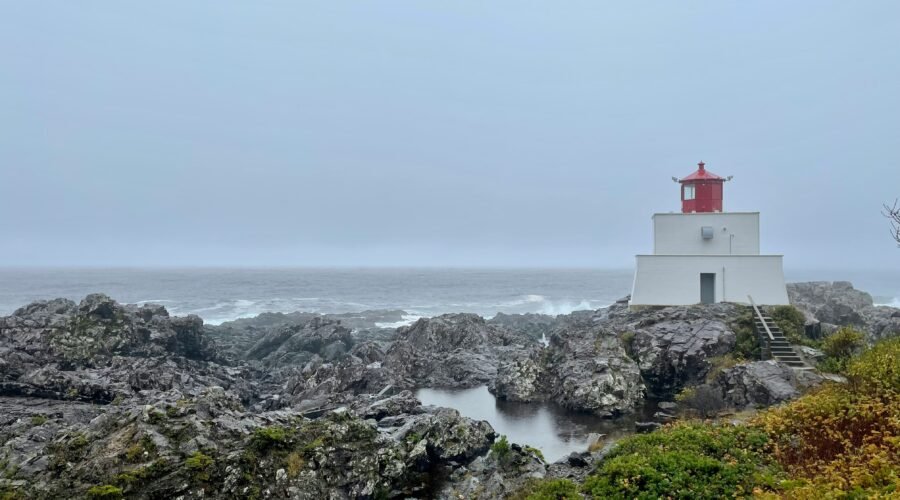
Planning a trip to Vancouver Island’s rugged west coast requires matching your travel dates with the experiences you want most. The best time to visit Ucluelet depends heavily on whether you prioritize dry hiking weather, prime wildlife encounters, or dramatic Pacific storms. While summer delivers long daylight hours and the lowest rainfall, the shoulder and winter seasons offer fewer crowds and distinct coastal spectacles.
Quick Answer
The best time to visit Ucluelet is July and August for warm, dry weather and summer recreation, or June and September for mild temperatures with fewer crowds. Wildlife seekers should target March through May for migrating grey whales, while November through March offers dramatic winter storm watching along the Pacific coast.
Last checked: September 29, 2026. Dates and figures were verified against official sources.
Key Takeaways
- Best overall balance: June and September combine comfortable daytime highs of 17–18°C (63–65°F) with lower accommodation pressure than midsummer.
- Warmest and driest months: July and August provide peak hiking conditions, averaging 19°C (66°F) and under 90 mm of monthly precipitation.
- Prime whale migration: March through May sees roughly 20,000 Pacific grey whales passing offshore along their northern migration route.
- Dramatic storm watching: November through March brings active Pacific systems and massive ocean swells to coastal viewpoints.
- Budget and solitude: November to February features the lowest lodging rates and quietest trails, balanced against short daylight and frequent heavy rain.
Best Time to Visit Ucluelet at a Glance
Choosing when to travel comes down to balancing daytime temperatures, precipitation levels, and seasonal activities. Each period offers distinct coastal conditions across Ucluelet and neighboring Pacific Rim National Park Reserve.
| Season & Months | Main Advantages | Main Trade-Offs |
|---|---|---|
| Spring (March–May) | Northbound grey-whale migration, blooming coastal rainforest, and moderate shoulder-season rates. | Frequent rainfall and cooler ocean breezes; daytime highs average 10–15°C (50–59°F). |
| Summer (June–August) | Driest conditions of the year, warmest days, long daylight, and full access to tours and water sports. | Peak lodging rates, crowded trails, and limited last-minute room availability. |
| Fall (September–November) | Pleasant, mild weather in September, quiet beaches, early storm systems, and reduced accommodation costs. | Rainfall climbs sharply in October and November; seasonal tour operators begin winding down. |
| Winter (December–February) | Prime storm watching, massive ocean swells, peaceful rainforest trails, and the lowest lodging rates. | Extremely wet conditions, short daylight hours, and potential winter travel delays on Highway 4. |
Long-term climate data referenced throughout this guide is sourced from Environment and Climate Change Canada’s official Ucluelet Kennedy Camp climate normals. These figures reflect long-term averages; day-to-day conditions along exposed headlands and sheltered inlets can vary.
Spring: A Gradual Awakening and Whale Migration
Spring marks the transition from cold Pacific storms to longer, milder days. It is one of the most rewarding periods for wildlife lovers, offering a front-row seat to migrating marine mammals and lush coastal greenery before peak summer crowds arrive.
Spring Weather Patterns
Daytime temperatures climb steadily throughout the season. Historical climate normals record average daily maximums of 10.3°C (51°F) in March, 12.4°C (54°F) in April, and 15.0°C (59°F) in May.
Precipitation drops significantly over the course of spring. March averages 322.3 mm of precipitation, tapering down to 266.5 mm in April and 165.9 mm in May. While waterproof outerwear remains essential, sunny breaks become increasingly frequent by late spring.
Spring Crowds and Accommodation Value
March through May delivers a calm shoulder-season pace. Popular trailheads along the Wild Pacific Trail and coastal lookouts have plenty of parking, except during the annual Whale Festival week and Easter weekend.
Accommodation rates are generally lower than peak summer pricing. Booking several weeks ahead is recommended for holiday weekends, but travelers enjoy substantial flexibility on dates and tour reservations throughout April and May.
Spring Whale Migration
Every spring, approximately 20,000 Pacific grey whales travel past Ucluelet along their 16,000-kilometer journey from calving lagoons in Baja California to summer feeding grounds in the Bering and Chukchi seas. Parks Canada documents March through May as the primary viewing window in its grey whale information.
Visitors can spot spouts offshore with binoculars from elevated points on the Wild Pacific Trail, such as the Amphitrite Point Lighthouse. Alternatively, local charter operators run dedicated marine wildlife boat tours out of Ucluelet Harbour, subject to sea conditions.
Summer: Drier Weather and the Busiest Travel Season
Summer offers the most dependable sunshine, the warmest temperatures, and full access to coastal activities. It is the peak tourist window on the west coast of Vancouver Island, making early reservations necessary for lodging and guided excursions.
Peak Season Weather
Summer brings comfortable, mild warmth without extreme heat. Average daily highs reach 17.1°C (63°F) in June, 19.0°C (66°F) in July, and 19.1°C (66°F) in August. Evening temperatures drop to around 10–11°C (50–52°F), so warm layers remain essential after sunset.
July and August are by far the driest months in Ucluelet. Normal monthly rainfall drops to 78.5 mm in July and 87.6 mm in August, compared to more than 400 mm per month in winter. Morning fog is common along the shoreline, often burning off by midday to reveal clear skies.
Crowd Levels and Atmosphere
Summer brings an energetic, bustling atmosphere to Ucluelet and neighboring Tofino. Beaches, restaurants, and parking areas operate at peak capacity from late June through Labour Day weekend in September.
Advance booking is critical for summer visits. Desirable waterfront resorts, bed and breakfasts, kayak rentals, and offshore fishing charters routinely sell out months in advance.
Cost Considerations
Summer lodging commands the highest rates of the year due to high travel demand. Weekend nightly rates are significantly higher than weekday rates, and many properties enforce minimum two- or three-night stay requirements.
Pro Tip: For summer-like weather with lower lodging rates and fewer trail visitors, plan your trip for late June or the second week of September. Both windows capture mild coastal temperatures while avoiding the peak July and August family vacation rush.
Fall: Moody Skies and Wildlife Wonders

Autumn brings a dynamic shift in coastal weather. September often feels like a gentle extension of summer, while October and November introduce dramatic overcast skies, heavy Pacific rainfall, and early storm surges.
Fall Weather: Increasing Rain and Wind
September remains comfortable and mild, with daytime highs averaging 18.2°C (65°F) and 139.6 mm of rain. Conditions cool steadily as fall progresses, with daily highs dropping to 13.9°C (57°F) in October and 10.4°C (51°F) in November.
Rainfall increases sharply late in the season. Precipitation rises to 345.3 mm in October and peaks at 492.2 mm in November, making it the second-wettest month of the calendar year. High winds and turbulent ocean swells begin hitting the outer reefs by late October.
Fall Crowds: A Quieter Experience
Visitor numbers drop noticeably after the first week of September. Trails, viewpoints, and local dining spots clear out, offering travelers a peaceful, contemplative coastal atmosphere.
September through early November is an excellent window for spontaneous road trips. Accommodation availability expands, allowing visitors to book comfortable ocean-view suites without peak-season minimum stay constraints.
Winter: The Stormy Season and Serene Escapes

Winter in Ucluelet is characterized by active Pacific low-pressure systems, roaring surf, and peaceful rainforest trails. Rather than an off-season downtime, winter storm watching has evolved into a world-renowned travel experience.
Winter Weather: Cool, Mild by Canadian Standards, and Very Wet
Due to its maritime climate, Ucluelet stays relatively mild in winter compared to inland Canada. Daily highs average 8.4°C (47°F) in January, 9.2°C (49°F) in February, and 8.5°C (47°F) in December. Freezing temperatures and significant coastal snowfalls are rare.
Winter precipitation is intense and persistent. January is the wettest month on record, averaging 501.8 mm of precipitation, while December sees 451.1 mm and February receives 353.1 mm. Powerful storms generate open-ocean swells reaching 6 to 10 meters in height.
Pacific Rim National Park Reserve experiences its most intense wave action and storm surges from November through March.
Warning: Ocean storm watching requires extreme caution. Powerful rogue waves, sudden high tides, and rolling drift logs create deadly hazards on beaches and rocky outcrops. Never walk on wet rocks or drift logs, and observe rough conditions solely from elevated platforms in accordance with Parks Canada’s storm-watching safety guidance.
Winter Crowds, Costs, and Highway Access
Winter provides the lowest crowd levels of the year. Travelers seeking peaceful solitude can explore the coastal boardwalks without running into crowds, while resorts and boutique lodges offer seasonal storm-watching packages at substantial discounts.
While the Long Beach Unit of Pacific Rim National Park Reserve is accessible year-round, backcountry routes operate on seasonal closures. Parks Canada limits overnight camping on the West Coast Trail and Broken Group Islands to May 1 through September 30, as outlined in the current Pacific Rim National Park Reserve information.
Before driving over the Vancouver Island mountains along Highway 4, check DriveBC for road alerts, construction notices, and winter tire requirements between Port Alberni and the coast.
Month-by-Month Ucluelet Travel Guide
The table below summarizes historical climate figures, rainfall totals, crowd trends, and primary outdoor opportunities across each calendar month. All temperature and precipitation data reflect the official 1981–2010 climate normals from Environment and Climate Change Canada’s Ucluelet Kennedy Camp weather station.
| Month | Average Daytime High | Average Monthly Precipitation | Typical Weather Pattern | Crowd Level | Best For |
|---|---|---|---|---|---|
| January | 8.4°C (47°F) | 501.8 mm | Wettest month; frequent Pacific gales and heavy rain | Low | Dramatic storm watching, quiet fireside stays |
| February | 9.2°C (49°F) | 353.1 mm | Cool, stormy, with intermittent sunny breaks | Low | Storm viewing, uncrowded rainforest walks |
| March | 10.3°C (51°F) | 322.3 mm | Rainy early spring; days begin lengthening noticeably | Moderate | Migrating grey whales, Whale Festival events |
| April | 12.4°C (54°F) | 266.5 mm | Mild and damp, with lush greenery emerging | Low–Moderate | Shoulder-season values, wildlife watching |
| May | 15.0°C (59°F) | 165.9 mm | Pleasant, mild days; rainfall drops substantially | Moderate | Hiking, kayaking, backcountry park openings |
| June | 17.1°C (63°F) | 147.2 mm | Mild, long daylight hours, occasional coastal fog | Moderate–High | Coastal hiking, boat tours, pre-peak visits |
| July | 19.0°C (66°F) | 78.5 mm | Driest and sunniest month; warm afternoons | High | Beach days, water sports, Ukee Days festival |
| August | 19.1°C (66°F) | 87.6 mm | Warmest average month; dry with cool mornings | High | Surfing, sea kayaking, family vacations |
| September | 18.2°C (65°F) | 139.6 mm | Comfortable early fall; rain picks up late in month | Moderate | Ideal crowd/weather balance, calm sightseeing |
| October | 13.9°C (57°F) | 345.3 mm | Substantial rain returns; cooler, brisk afternoons | Low | Early storm viewing, quiet trails, autumn colors |
| November | 10.4°C (51°F) | 492.2 mm | Heavy precipitation and gale-force coastal systems | Low | Official storm-watching season kickoff |
| December | 8.5°C (47°F) | 451.1 mm | Short daylight hours, cool temperatures, persistent rain | Low–Moderate | Winter storm viewing, holiday escapes |
When to Visit Ucluelet Based on Your Priorities
Every season in Ucluelet caters to a different travel style. Matching your primary vacation goals to the corresponding weather window ensures your expectations align with coastal realities.
For Dry Weather and Outdoor Recreation
If your itinerary focuses on dry trail hiking, beach walks, ocean kayaking, and outdoor dining, target July and August. These two months combine the lowest recorded rainfall (under 90 mm per month) with daytime temperatures around 19°C (66°F).
For visitors willing to accept slightly cooler mornings and an occasional shower in exchange for lighter crowds, June and September serve as outstanding alternatives.
For Avoiding Crowds and Busy Trails
Travelers who want tranquil rainforest walks without tour groups should aim for late October through early March. Trailheads remain uncrowded, and coastal lookouts provide total solitude.
If you prefer fewer visitors while retaining access to full seasonal services, consider April, May, or the latter half of September. These shoulder months avoid the heavy summer vacation traffic while offering extended daylight for sightseeing.
For Budget Travelers Seeking Lower Rates
The most economical window to visit Ucluelet runs from November through February, excluding Christmas and New Year’s week. During this low season, oceanfront hotels, luxury resorts, and holiday rentals lower nightly rates and offer discounted multi-night storm packages.
Shoulder-season dates in April, May, and October also yield lower room rates than midsummer, giving budget-conscious travelers a balance between pricing and moderate outdoor conditions.
For Wildlife Viewing and Marine Mammal Watching
For Pacific grey whales, schedule your visit between March and May, when roughly 20,000 whales pass along the outer coast. Humpback whales and resident killer whales are regularly sighted throughout spring, summer, and early autumn on guided boat excursions.
Note: Under Canadian Marine Mammal Regulations enforced by Fisheries and Oceans Canada, vessels must stay at least 100 metres from whales, dolphins, and porpoises, and at least 200 metres away when animals are resting or with a calf. Additionally, vessels in southern BC waters must maintain a mandatory 1,000-metre distance from endangered Southern Resident killer whales, as detailed in the official marine-mammal viewing guidance.
Seasonal Activities and Attractions in Ucluelet
Ucluelet features a mix of outdoor trails and indoor marine exhibits that adapt well to varying seasonal weather conditions.
Walking the Wild Pacific Trail
The Wild Pacific Trail provides year-round access to dramatic cliffs, ancient cedar groves, and outer coastal views. Its signature segment, the 2.6-kilometer Lighthouse Loop, circles the Amphitrite Point Lighthouse and offers sheltered coastal lookouts.
In summer, the trail provides easy walking with clear ocean views. During spring and winter, visitors can watch offshore spouts and rolling breakers from stable trailside platforms. Consult the official Lighthouse Loop guide for trail maps and access points.
Visiting the Ucluelet Aquarium
The Ucluelet Aquarium offers an engaging indoor experience focused on local marine ecology. As a catch-and-release facility, its touch tanks and live displays feature species collected directly from Barkley Sound and the surrounding coast.
The aquarium operates seasonally from March 1 through late autumn, concluding its season with an annual community release day in early December. It serves as an excellent rainy-day destination for families and natural history enthusiasts during spring, summer, and fall.
Exploring Pacific Rim National Park Reserve
Positioned just north of Ucluelet, Pacific Rim National Park Reserve encompasses sweeping sandy beaches, temperate rainforest boardwalks, and world-class hiking trails. The Long Beach Unit is open year-round for coastal walking, surfing, and photography.
Backcountry routes and remote island areas have specific seasonal schedules. Overnight reservations for both the West Coast Trail and Broken Group Islands unit are open to visitors from May 1 to September 30, with closures enforced for the remainder of the year.
Annual Events That Impact Travel Dates
Community events can introduce lively local culture to your itinerary, but they also bring higher demand for lodging and dining.
- Pacific Rim Whale Festival: Celebrating the spring return of grey whales, this week-long festival hosts marine education events, Indigenous cultural performances, chowder tastings, and art exhibits across Ucluelet, Tofino, and the national park reserve. While the 2026 festival ran March 14–21, the confirmed 2027 festival takes place March 13–20, 2027. Check event schedules on the official Pacific Rim Whale Festival website.
- Ukee Days: Ucluelet’s annual three-day summer festival takes place during the fourth weekend of July. The 2026 festival took place July 24–26, featuring live music, logger sports, artisan markets, and a community parade. Review program schedules and vendor listings on the official Ukee Days website.
What to Pack for Ucluelet Year-Round
Due to shifting maritime fronts, packing proper technical layers is essential in any month:
- Waterproof shell jacket: Breathable, fully seam-sealed rainwear is critical in every season, particularly from October to April.
- Insulating mid-layers: Fleece jackets, wool sweaters, or lightweight down layers keep you comfortable during cool summer evenings and damp winter walks.
- Sturdy waterproof footwear: Trail shoes with solid traction or waterproof boots help you navigate wet gravel paths, boardwalks, and sandy beaches.
- Binoculars: A pair of 8x or 10x binoculars is invaluable for viewing whale blows, sea otters, and seabirds from coastal overlooks.
- Flexible daypack: Use a pack with a rain cover to protect cameras, extra layers, and water bottles while exploring coastal trails.
Final Thoughts: Choosing the Best Time to Visit Ucluelet
Ucluelet does not have a single ideal travel month; the right time to visit depends entirely on what you want from your coastal trip. Book July or August if your priorities are warm afternoons, dry conditions, and outdoor water sports. Choose June or September to enjoy mild temperatures with manageable crowds and wider lodging availability.
Travel between March and May if observing migrating grey whales is on your bucket list, or embrace November through March for world-class storm watching and peaceful coastal solitude. Whatever your chosen dates, monitor regional forecasts, obey marine safety guidelines, and pack reliable rain gear to make the most of Vancouver Island’s untamed west coast.
Frequently Asked Questions
What is the best time to visit Ucluelet for good weather?
July and August provide the warmest and driest weather in Ucluelet. Long-term climate normals record average daytime highs of 19°C (66°F) and under 90 mm of monthly rain during both months. June and September also offer comfortable conditions with fewer crowds.
When is the best time to visit Ucluelet to avoid crowds?
Late October through early March experiences the lowest visitor numbers and quietest trails. For travelers who want lighter crowds while retaining milder weather, April, May, and the latter half of September serve as excellent shoulder-season choices.
What is the most cost-effective time to visit Ucluelet?
November through February offers the lowest accommodation rates and special seasonal storm-watching packages. Shoulder months like April, May, and October also provide lower rates than peak July and August dates.
When is the best time for whale watching in Ucluelet?
March through May is the premier window for viewing migrating Pacific grey whales as they travel north to Arctic feeding waters. Humpback whales and resident killer whales can also be spotted on boat tours throughout the summer and early fall.
When is storm-watching season in Ucluelet?
Parks Canada identifies November through March as the prime storm-watching window on Vancouver Island’s west coast. Active low-pressure systems drive massive open-ocean swells, producing dramatic wave displays against rocky shorelines.
What is winter weather like in Ucluelet?
Winter in Ucluelet is cool, windy, and wet rather than deeply freezing. Average daytime highs range between 8°C and 9°C (47–49°F), while monthly precipitation routinely exceeds 350 to 500 mm from December through February.
Can you see whales from shore in Ucluelet?
Yes, migrating grey whales can frequently be spotted from shore using binoculars during their spring migration. Elevated lookouts along the Wild Pacific Trail, including the Amphitrite Point Lighthouse deck, provide prime viewing perches.
How many days should you spend in Ucluelet?
A stay of three to four days provides ample time to walk the Wild Pacific Trail, visit the Ucluelet Aquarium, explore Long Beach, and embark on a boat tour or storm-watching excursion with built-in weather flexibility.
Sources
- Environment and Climate Change Canada — Ucluelet Kennedy Camp Climate Normals: Official temperature, rainfall, and climate averages.
- Parks Canada — Storm Watching in Pacific Rim National Park Reserve: Seasonal storm windows and coastal visitor safety guidance.
- Parks Canada — Grey Whale: Migration timing and coastal habitat information.
- Fisheries and Oceans Canada — Watching Marine Wildlife: Marine mammal approach distances and legal viewing requirements.
- Pacific Rim Whale Festival: Official festival event schedules and dates.
- Ukee Days — Official Website: Community summer festival schedules and parade dates.
- Wild Pacific Trail — Lighthouse Loop: Trail specifications, distance, and coastal viewing access.
- Ucluelet Aquarium — Admissions and Hours: Operating season and marine education details.
- Parks Canada — Pacific Rim National Park Reserve: Unit access and seasonal backcountry reservation dates.
- DriveBC: Real-time highway conditions and winter travel advisories.