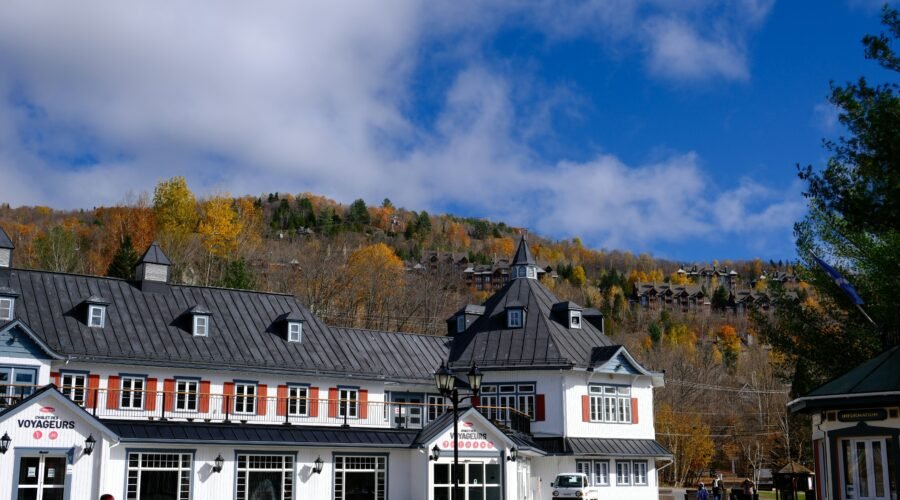
Wondering when the sweet spot is to visit Québec City? The answer depends on whether you’re looking for comfortable walking weather, colourful fall foliage, lively festivals, or snow-covered streets. For a balanced trip, late May through early June and late September through early October are excellent choices. But each season offers something different, and choosing the right dates can make a big difference to your experience and travel budget.
Quick Answer
The best time to visit Québec City is late May to early June or late September to early October. These periods offer a balance of sightseeing weather and seasonal scenery. Choose July and August for festivals, late September and early October for fall foliage, or January and February for snowy attractions and winter celebrations.
Key Takeaways
- Best overall balance: Late May to early June and late September to early October.
- Best for warm weather and festivals: July and August, especially if you enjoy outdoor events.
- Best for fall colours: Late September and early October, depending on the year’s weather.
- Best for winter experiences: January and February, with appropriate cold-weather clothing.
- Best chance of quieter sightseeing: April, May, early June, and selected November or winter weekdays outside major events.
1. Québec City Weather: The Best Months for Sightseeing
You’re probably thinking about what it will feel like when you step outside your hotel. Weather plays a major role in how you experience Québec City, especially when much of its appeal comes from walking through historic streets and enjoying outdoor views.
The city has four distinct seasons. Summer is warm, autumn can be colourful and crisp, winter is genuinely cold and snowy, and spring arrives gradually after a long winter.
According to the official Québec City monthly weather guide, the following temperatures are typical monthly averages rather than forecasts for individual travel dates.
1.1. May and June: Spring Comes Back to Life
Spring in Québec City is like watching a flower bloom. After months of snow and freezing temperatures, the city gradually comes back to life. Trees leaf out, gardens begin to bloom, and restaurant patios reopen.
- May temperatures: The average high is approximately 17°C (63°F), while the average low is 5°C (41°F). Bring a light jacket and a warmer layer for mornings and evenings.
- June temperatures: Average highs reach about 22°C (72°F), with lows near 11°C (52°F). This is generally more comfortable for extended outdoor sightseeing.
- Sunshine and showers: Both months can bring rain. A compact umbrella and water-resistant jacket are useful additions to your luggage.
- Nature’s display: The Plains of Abraham, public gardens, and green spaces around the city become increasingly colourful. Tulips generally appear near the end of May.
For visitors who want to walk through Old Québec without the busiest summer crowds, late May and early June are especially appealing.
June also brings longer daylight hours, making it easier to explore the historic district, enjoy a leisurely meal, and fit several attractions into one day.
Keep in mind that late June begins to feel more like summer. Schools start their holidays, outdoor events increase, and popular areas become busier.
1.2. September and October: The Golden Season
Autumn is one of the most picturesque times to visit Québec City. Summer heat gradually fades, the air becomes cooler, and the surrounding forests turn shades of red, orange, and yellow.
However, September and October have noticeably different temperatures.
- September temperatures: The average high is approximately 18°C (64°F), with an average low of 8°C (46°F). Days can be pleasant for walking, but evenings often require a jacket.
- October temperatures: Average highs fall to about 11°C (52°F), with lows near 2°C (36°F). Warm layers become essential, especially for early starts and evening activities.
- Fall foliage: Colours generally begin appearing around the region in September, with particularly good viewing opportunities in late September and early October.
- Changing conditions: Rain, wind, and chilly evenings are possible. By late October, many trees may have already lost much of their foliage.
The official fall foliage guide identifies late September and early October as the main viewing window. Exact timing changes with the weather each year.
Where to See Fall Colours Near Québec City
You don’t need to travel far to enjoy autumn scenery. Some of the most rewarding places are within the city or a short drive away.
- Plains of Abraham: An easy option for autumn colours without leaving the central city.
- Montmorency Falls: Combines dramatic waterfall views with colourful surrounding trees.
- Île d’Orléans: A scenic destination for countryside views, orchards, and seasonal produce.
- Jacques-Cartier National Park: A popular destination for hiking and photographing forest-covered valleys.
If foliage is your main reason for travelling, aim for a flexible late-September or early-October itinerary rather than assuming the colours will peak on the same date every year.
Pro Tip: Check Québec’s seasonal fall foliage reports shortly before your trip. Trees in the surrounding hills can change colour earlier than those in the city, so you may be able to adjust your day trips to follow the best displays.
1.3. What About April and November?
April and November can be useful alternatives for travellers who care more about quieter streets and potential hotel savings than ideal outdoor weather.
April: Average temperatures range from a high of approximately 8°C (46°F) to a low of -1°C (30°F). Melting snow, rain, and occasional late-season snow can make conditions unpredictable. Some seasonal activities may not yet be operating on their summer schedules.
November: The average high is around 3°C (37°F), with lows near -4°C (25°F). It is generally too late for peak autumn foliage and may be too early for reliable winter activities.
November can still be attractive if you enjoy museums, restaurants, historic architecture, and a quieter atmosphere. Late November also marks the beginning of the Christmas market season.
2. Dodging the Biggest Crowds: When to Visit for Peace
If your ideal vacation involves a little breathing room and shorter lines, avoiding major holidays and festivals matters just as much as choosing the right month.
2.1. Summer: The Bustling High Season
June, July, and August are popular for good reason. The weather is warm, days are long, and outdoor activities are in full swing.
However, July and August are generally the busiest part of the summer travel season.
- More visitors: Expect busy streets, restaurants, viewpoints, and popular attractions around Old Québec and Château Frontenac.
- Longer waits: Guided tours and popular restaurants may require advance reservations.
- Festival crowds: Major events can create concentrated demand around particular venues and dates.
- Accommodation pressure: Popular hotels and centrally located rooms may become more expensive as availability decreases.
If you want summer weather but prefer a calmer atmosphere, early June can be a useful alternative to the busiest July dates.
2.2. Winter: Quieter Periods Between Major Events
Winter offers a completely different experience. Snow-covered rooftops, illuminated streets, skating, and seasonal attractions give Québec City a distinctive atmosphere.
Although some winter dates are quieter, the entire season should not be treated as off-peak.
- Christmas and New Year: Holiday decorations and celebrations attract visitors.
- Winter Carnival: Festival activities create another important visitor period.
- January weekdays: Dates outside the holiday and festival periods may offer a quieter experience.
- Winter attractions: The Ice Hotel, skating areas, and snow activities remain popular destinations.
For a peaceful winter trip, compare weekday dates outside the main holiday periods. For a lively winter experience, plan around Carnival instead.
2.3. Shoulder Seasons: A Balance Between Busy and Quiet
Late spring and early autumn offer a useful middle ground for travellers who don’t need the full summer festival schedule.
- Late May: Spring scenery develops while summer visitor numbers are still building.
- Early June: Offers longer days and warmer weather before the main summer rush.
- September: Summer crowds begin to change, although cruise visitors and autumn travel can keep central attractions busy.
- October: Fall foliage attracts visitors, especially around popular viewing weekends.
These periods can feel more relaxed than July and August, but fewer crowds are not guaranteed on every date.
Before booking, check major events, local holidays, and your preferred hotel’s availability. The timing of a festival or a busy weekend may have more impact on your trip than the season alone.
3. Keeping an Eye on Your Wallet: Cost Considerations

Let’s talk about travel budgeting. Your dates can make a significant difference to accommodation and transportation costs, but prices are not determined by the month alone.
Festivals, holidays, hotel location, room availability, and booking conditions can all affect the final price.
3.1. Summer Premium: When Demand Is High
Summer is the main tourist season, and popular dates can carry higher accommodation costs.
- Flights: Compare several departure dates. Airfare depends on your departure city, airline, route, and booking window.
- Accommodation: Centrally located hotels and boutique properties in Old Québec can attract strong demand during summer.
- Activities: Popular tours and festival events may sell out or require advance booking.
If you want to attend Festival d’été de Québec, secure your accommodation before finalising other parts of the trip.
Staying outside the historic centre may offer additional options, provided you account for transport costs and travel time.
3.2. Winter Deals: Potential Savings With Important Exceptions
Winter can offer attractive accommodation opportunities, but it also has several important high-demand periods.
- Accommodation: Quieter January or March dates may have lower rates than major festival weekends.
- Christmas and New Year: Holiday demand can increase accommodation costs.
- Winter Carnival: Prices and availability can change around the event.
- Flights: Compare actual fares rather than assuming winter flights will always be cheaper.
Also consider the total cost of a winter trip. Warm boots, insulated clothing, winter activity tickets, and additional transportation may increase your spending.
3.3. Shoulder Season Value: A Practical Compromise
Late May, early June, and selected autumn dates can offer a useful combination of weather and travel value.
- Flights: Flexible departure dates may help you find more affordable options.
- Hotels: Compare several weekdays and weekends rather than relying on one quoted rate.
- Experiences: Moderate visitor numbers may make it easier to book tours and restaurants.
- Travel time: Staying near the historic district can reduce transportation needs if most of your itinerary is walkable.
Pro Tip: Compare hotel prices for the same room type across several dates. Check the total price, cancellation policy, taxes, and whether breakfast or parking is included. A cheaper nightly rate is not always the cheapest overall booking.
4. Events and Festivals: When Québec City Comes Alive

Québec City isn’t just about weather and costs. Its seasonal festivals are a major reason to visit, and some travellers plan their entire trip around a particular celebration.
The dates below reflect official event information available as of September 24, 2026. Always check event schedules before booking because programmes, venues, and dates can change.
4.1. Summer Festivals: Music, History, and Outdoor Celebrations
Summer is packed with cultural events, outdoor performances, and a lively atmosphere.
- Festival d’été de Québec: A major outdoor music festival featuring international and Canadian artists. The confirmed 2027 dates are July 8–18.
- New France Festival: A celebration of the region’s history and heritage through performances, historical activities, and cultural experiences. The 2027 event is scheduled for August 5–8.
- Outdoor entertainment: Markets, cultural performances, and seasonal public events add to the summer atmosphere.
Festival d’été de Québec is especially important when planning accommodation because its concerts attract large audiences.
Check the official Festival d’été de Québec listing for current dates, ticket details, and event locations.
4.2. Winter Festivals and Seasonal Attractions
Cold weather doesn’t mean Québec City shuts down. Winter is one of its most distinctive travel seasons.
- Québec Winter Carnival: Features snow sculptures, outdoor entertainment, Bonhomme Carnaval, and other winter-themed activities. The confirmed 2027 dates are February 5–14.
- German Christmas Market: Brings festive stalls, food, decorations, and seasonal entertainment to Old Québec. The 2026 dates are November 19–December 23.
- Ice Hotel: Hôtel de Glace is a seasonal winter attraction where visitors can explore an elaborate structure built from ice and snow.
- Winter activities: Depending on conditions, visitors can enjoy skating, tubing, snowshoeing, and other outdoor experiences.
The official Winter Carnival listing provides event information, while the German Christmas Market listing includes opening dates and visitor details.
4.3. Spring and Fall: Smaller Events and Seasonal Experiences
Spring and fall may have fewer headline-grabbing festivals, but both seasons offer plenty to enjoy.
- Spring celebrations: June brings National Holiday activities and other cultural events.
- Music performances: The city hosts concerts and seasonal music events, including Festival Québec Jazz en Juin.
- Art exhibitions: Museums and cultural venues provide useful indoor options throughout the year.
- Autumn experiences: Fall foliage, orchard visits, local produce, and scenic walks become major attractions.
Spring is also a good time to experience the region’s maple traditions, while autumn offers opportunities to explore orchards and countryside destinations such as Île d’Orléans.
For a complete picture of upcoming activities, consult the official Québec City events calendar.
5. The Pros and Cons of Each Season: A Quick Summary
To help you choose your dates, here’s a month-by-month look at typical weather and general travel conditions.
The temperatures are average monthly highs and lows from the official tourism weather guide. Crowd and cost descriptions are general planning guidance, not guaranteed conditions or live price measurements.
| Month | Weather | Crowds | Costs |
|---|---|---|---|
| January | -8°C / -18°C; cold and snowy | Quieter outside holidays | Potential hotel deals |
| February | -6°C / -16°C; snowy winter conditions | Busy around Carnival | Event dates may cost more |
| March | 0°C / -9°C; late winter | Variable during school breaks | Compare individual dates |
| April | 8°C / -1°C; cool and changeable | Generally quieter | Potential seasonal value |
| May | 17°C / 5°C; mild spring days | Usually below summer peak | Worth comparing |
| June | 22°C / 11°C; warmer days | Increasing through the month | Demand builds toward summer |
| July | 25°C / 14°C; warm, sometimes humid | High, especially during festivals | Strong accommodation demand |
| August | 24°C / 13°C; warm summer weather | High during holidays and events | Popular dates may cost more |
| September | 18°C / 8°C; mild days, cool nights | Variable; cruise season | Compare weekends and weekdays |
| October | 11°C / 2°C; cool autumn weather | Popular foliage weekends | Variable during foliage season |
| November | 3°C / -4°C; chilly, possible snow | Quieter before holiday events | Potential off-season value |
| December | -4°C / -13°C; snowy winter weather | Busy around the holidays | Holiday demand can increase rates |
5.1. Spring (April–May): The Gradual Awakening
- Pros: Fresh greenery, blooming gardens, quieter sightseeing, and potential accommodation savings.
- Cons: Rain, chilly mornings, possible late snow, and limited hours for some seasonal attractions.
Spring is a good choice for travellers who prefer walking, museums, and relaxed sightseeing over major outdoor festivals.
Late May is generally more comfortable than early April, although both periods can offer interesting experiences.
5.2. Summer (June–August): The Peak of Activity
- Pros: Warm weather, long days, lively streets, outdoor dining, festivals, and a wide range of seasonal activities.
- Cons: Larger crowds, stronger hotel demand, occasional humid weather, and possible rain or thunderstorms.
For a first visit focused on outdoor sightseeing and festivals, summer offers the widest range of activities.
June is worth considering if you prefer slightly cooler weather and want to travel before the main July and August rush.
5.3. Fall (September–October): The Golden Season
- Pros: Beautiful foliage, comfortable early-autumn walking weather, orchard visits, and scenic countryside excursions.
- Cons: Shorter days, chilly evenings, rainfall, and potentially busy foliage weekends.
Late September and early October are particularly appealing for photography, nature walks, and scenic day trips.
September generally offers warmer temperatures, while early October is especially attractive for autumn colours.
5.4. Winter (November–March): The Snowy Wonderland
- Pros: Snow-covered scenery, festive holiday decorations, the Ice Hotel, winter sports, and Winter Carnival.
- Cons: Freezing temperatures, short daylight hours, slippery walking conditions, and potentially higher costs around holidays and major events.
Winter is a memorable time to visit if you enjoy cold-weather activities and come prepared for the conditions.
January and February offer the most reliable opportunity for a traditional snowy-city experience. November and March are transitional months, so the available activities depend more heavily on conditions.
Winter Travel Warning: Snow and ice can make sidewalks, stairs, and cobblestone streets slippery. Wear insulated waterproof boots with good traction, dress in layers, and allow extra travel time during snowstorms. Check forecasts and road conditions before driving outside the city.
5.5. Why May, June, September, and October Stand Out
For travellers who want a balance of sightseeing, scenery, and travel value, these four months offer several useful advantages.
- Weather: Late May, June, and September generally provide more comfortable walking conditions than the coldest months.
- Crowds: Some dates fall outside the main summer holiday period.
- Cost: Comparing shoulder-season dates may reveal better accommodation options.
- Scenery: Spring brings fresh greenery, while autumn brings colourful foliage.
The best choice depends on your personal travel priorities rather than one universal month.
6. What to Pack for Each Season
Québec City’s weather can change considerably between seasons, so packing for the month makes a real difference to your comfort.
Spring Packing Essentials
- Lightweight layers and a warmer jacket for mornings and evenings.
- Comfortable walking shoes that can handle wet pavement.
- A compact umbrella or water-resistant outer layer.
- A warmer layer if travelling in April or early May.
Summer Packing Essentials
- Light, breathable clothing for warm afternoons.
- Comfortable shoes for walking through Old Québec.
- A light sweater or jacket for cooler evenings.
- Sun protection and a reusable water bottle.
- Rain protection for occasional showers.
Autumn Packing Essentials
- Layered clothing for changing temperatures.
- A warm jacket, particularly in October.
- Comfortable footwear for walking and countryside excursions.
- Rain protection and warm accessories for colder days.
Winter Packing Essentials
- An insulated winter coat.
- Moisture-wicking base layers and warm middle layers.
- Insulated, waterproof boots with good grip.
- Warm socks, gloves or mittens, a scarf, and a winter hat.
- Additional insulation for long periods outdoors.
The official Québec City winter clothing guide recommends a three-layer system to help manage warmth, moisture, and exposure to wind or snow.
7. Practical Tips for Planning Your Québec City Trip
Once you’ve chosen a season, a few practical decisions can help make your visit easier.
Choose Your Dates Around Your Main Activity
If your priority is a major festival, start with the event calendar. If you care more about fall foliage, choose your dates around the expected colour-change period.
For relaxed sightseeing, compare several dates outside major holidays and events.
Book Accommodation With Location in Mind
Old Québec is a convenient base for exploring the historic district on foot. Staying nearby can make it easier to return to your hotel for a break, particularly during cold weather.
However, accommodation outside the historic centre may be worth considering if you are comfortable using public transportation or driving.
Keep a Rainy-Day Plan
Rain is possible throughout much of the year, including summer.
Consider keeping one or two indoor attractions on your itinerary, such as a museum, cultural venue, or historic indoor site.
This gives you flexibility without having to change your entire travel plan when the weather shifts.
Check Seasonal Attraction Hours
Some tours, outdoor attractions, and seasonal activities operate on different schedules throughout the year.
Verify opening hours before travelling, especially in early spring, late autumn, and winter.
Allow Enough Time to Explore
Two or three days can provide a satisfying introduction to Old Québec, its historic streets, restaurants, and major central attractions.
If you also want to visit Montmorency Falls, Île d’Orléans, Jacques-Cartier National Park, or several festival events, consider adding more time.
Note: Québec City’s weather, event schedules, accommodation prices, and seasonal opening hours can change. Check the forecast and official attraction information shortly before departure rather than relying only on long-term averages.
Ultimately, the best time to visit Québec City comes down to what you want from your trip. Choose summer for warm days and lively festivals, late September or early October for colourful scenery, and winter for snow-covered streets and seasonal attractions. For a balanced sightseeing experience, late May through early June and late September through early October remain particularly appealing choices.
Frequently Asked Questions
1. What is the best time to visit Québec City for favourable weather?
June through August generally offers the warmest weather for outdoor sightseeing. July averages approximately 25°C (77°F) during the day. However, summer can also bring rain, humidity, and thunderstorms. Early June and September are useful alternatives if you prefer slightly cooler conditions.
2. When is the peak tourist season in Québec City?
Summer is the main tourist season, particularly July and August. Major festivals create additional demand. Christmas, New Year, and Québec Winter Carnival are also important visitor periods, so winter is not uniformly quiet.
3. What is the off-peak season in Québec City?
April, parts of November, and selected winter weekdays can be quieter than the busiest summer dates. However, holiday celebrations, winter festivals, and seasonal events can create busy periods outside summer.
4. When can visitors find the best deals and lower costs in Québec City?
Quieter dates in April, November, and parts of winter may offer attractive accommodation rates. Savings are not guaranteed, especially around Christmas, New Year, and Winter Carnival. Compare several dates and check total booking costs before deciding.
5. What are the shoulder seasons in Québec City?
Spring and autumn are the broad shoulder seasons. For practical sightseeing, late May to early June and selected September or October dates can provide a balance of weather and visitor numbers. March and November are colder transitional months.
6. What is the best month to see fall colours in Québec City?
Late September and early October are generally the main fall foliage window. Exact timing changes each year with the weather. The Plains of Abraham, Montmorency Falls, Île d’Orléans, and Jacques-Cartier National Park are popular viewing destinations.
7. When is the best time to visit Québec City for snow?
January and February are strong choices for a snowy winter experience. December can also be beautiful, particularly during the holiday season. Snow conditions vary, so check the forecast and the operating dates of winter attractions before travelling.
8. Is October a good month to visit Québec City?
Yes, especially in early October if you enjoy fall foliage and cooler sightseeing weather. Average temperatures are approximately 11°C (52°F) during the day and 2°C (36°F) at night. Bring warm layers and rain protection.
9. How many days should I spend in Québec City?
Two or three days is a practical starting point for exploring Old Québec and the main central attractions. Allow additional time if you want to visit nearby natural attractions, take countryside excursions, or attend multiple festival events.
10. Is Québec City worth visiting in winter?
Winter offers snow-covered historic streets, festive decorations, skating, the Ice Hotel, and Winter Carnival. It can be a memorable experience if you enjoy cold-weather travel. Bring insulated clothing and waterproof boots with good traction.
Sources
- Destination Québec cité — Monthly Weather Guide — Average temperatures, precipitation, and seasonal weather conditions.
- Destination Québec cité — Best Places to See Fall Foliage — Foliage timing and recommended viewing destinations. Updated July 13, 2026.
- Destination Québec cité — How to Dress for Winter Fun — Winter clothing, layering, and cold-weather preparation.
- Destination Québec cité — Festival d’été de Québec — Official festival dates and visitor information.
- Destination Québec cité — Québec Winter Carnival — Official event dates, activities, and visitor details.
- Destination Québec cité — German Christmas Market — Confirmed market dates, locations, and opening information.