

Thinking about a trip to Quebec? You’re probably wondering when’s the best time to go in terms of the weather, how to dodge the biggest crowds, and what kind of budget you’ll need. It really boils down to what kind of experience you’re after. If you love winter sports and cozy vibes, winter is your friend. For more pleasant strolling and outdoor exploration, spring and fall shine. Summer offers lively festivals but comes with peak prices and crowds. Let’s break it down so you can plan your perfect Quebec adventure.
Quebec experiences pretty distinct seasons, meaning the weather can dramatically change what you can do and see. Understanding these shifts is key to packing right and enjoying your trip to the fullest. From snow-covered wonderland to sun-drenched festivals, each season brings its own charm and challenges.
a. Winter Wonderland (December – February)
- The Cold Truth: Expect cold. Really cold. Temperatures frequently dip well below freezing, often hitting -20°C (-4°F) or even colder, especially inland and at night. Snowfall is abundant, turning cities into picturesque, white landscapes and the countryside into a skier’s paradise.
- What to Expect: Days are short, with sunlight lasting only about 8-9 hours. This means you’ll need to plan your outdoor activities accordingly. Wind chill can make it feel even colder, so layering is not just recommended, it’s essential for survival and comfort.
- Best For: Skiing, snowboarding, ice skating, dog sledding, snowshoeing, and enjoying cozy evenings by the fire. Think hot chocolate, poutine after a day in the snow, and the magical Christmas markets if you visit in December. Cities like Quebec City and Montreal are particularly charming under a blanket of snow.
b. Spring Thaw and Bloom (March – May)
- The Transition Period: Spring in Quebec is a mixed bag. March can still feel like winter with lingering snow and cold temperatures, especially in early March. By April, things start to loosen up, with snow melting and temperatures gradually rising. May is generally the most pleasant spring month, with milder weather and the first signs of greenery.
- What to Expect: You might encounter mud as the snow melts, which can make hiking trails less appealing early on. Rainfall is common, so pack a waterproof jacket and umbrella. Temperatures can fluctuate significantly, from chilly mornings to surprisingly warm afternoons.
- Best For: Seeing the province come back to life. Maple syrup season is a major draw in March and April, with sugar shacks opening their doors. It’s also a good time for city breaks before the summer rush, and for admiring blooming flowers and trees in parks and gardens if you time it right for late April or May. Wildlife spotting can also be good as animals emerge from hibernation.
c. Summer Vibrancy (June – August)
- Warm and Lively: Summers are generally warm, with temperatures often in the comfortable 20s°C (70s°F), though heatwaves can push it higher. Humidity can be a factor, especially in cities. Days are long, offering plenty of daylight for exploration.
- What to Expect: This is prime tourist season, so expect sunshine, longer days, and a general buzz of activity. Outdoor cafes are full, parks are green and inviting, and festivals are happening all over the place. It’s also the most popular time for visiting national parks and enjoying water activities.
- Best For: Outdoor adventures, festivals, exploring national parks, enjoying patios, and taking advantage of the longest daylight hours. This is the season for vibrant city life and idyllic countryside escapes. Think cycling, hiking, canoeing, and attending numerous cultural events.
d. Autumn Colors and Crisp Air (September – November)
- The Golden Season: Fall in Quebec is often considered spectacular. September is usually mild and sunny, with crisp, clear air. October is when the famous fall foliage really hits its stride, painting the landscape in vibrant reds, oranges, and yellows. November sees a definite chill creep in as winter prepares to arrive.
- What to Expect: Daytime temperatures in September and early October are very pleasant, ideal for sightseeing and outdoor activities. Evenings will get cooler, requiring layers. By late October and November, you can expect frost and the possibility of early snow, similar to early spring.
- Best For: Witnessing the breathtaking fall colors, hiking and biking amidst the autumnal splendor, enjoying harvest festivals, and experiencing charming small towns. It’s also a great time for photographers and anyone who appreciates cooler, clearer air and beautiful scenery without the intense summer heat or winter cold.
If you’re planning a trip to Quebec and want to make the most of your visit, you might find it helpful to read our related article on the “Best Time to Visit Quebec: Weather, Crowds, and Costs.” This guide provides valuable insights into the ideal seasons for travel, helping you navigate the weather conditions, crowd sizes, and potential costs associated with your trip. For more information on travel tips and recommendations, check out our affiliate disclosure page at here.
2. Navigating the Crowds: When to Go for Peace and Quiet
Quebec is a popular destination, and knowing when the crowds are at their peak can help you decide if you prefer lively energy or a more tranquil experience. It’s all about timing your visit to match your travel style and priorities.
a. Peak Season: Summer’s Embrace (June – August)
- The Busy Time: Summer, particularly July and August, is undeniably the busiest time in Quebec. This is when families are on vacation, international tourists are flocking, and everyone wants to take advantage of the warm weather and long days.
- What to Expect: Major attractions, popular restaurants, and hotels will be at their busiest. You’ll likely need to book accommodations and popular tours well in advance. Expect queues at famous sites, especially in Quebec City and Montreal. City streets will be packed with people.
- Who It’s For: If you love a buzzing atmosphere, don’t mind sharing sights with others, and want to experience all the summer festivals and events, then peak season is for you. It’s vibrant and full of energy.
b. Shoulder Seasons: The Sweet Spot (April – May & September – October)
- The Balanced Approach: The shoulder seasons offer a fantastic compromise. Spring (April and May) sees crowds starting to pick up, especially around maple syrup season and as the weather improves. Autumn (September and October) is also a prime time, drawing leaf-peepers and those who appreciate milder temperatures.
- What to Expect: You’ll still encounter other travelers, but generally in more manageable numbers than in summer. Attractions will be less congested, and you’ll have a better chance of spontaneously booking tours or getting tables at restaurants. Prices for accommodation and flights might be slightly lower than in peak summer.
- Who It’s For: This is ideal for travelers who want good weather and plenty of things to do but prefer a more relaxed pace and fewer crowds. You get a good blend of pleasant weather and manageable tourist numbers.
c. Off-Season: The Serene Escape (November – March, excluding holidays)
- The Quiet Charm: The off-season, particularly from November (post-fall foliage) through March (before spring break), offers the most tranquility. While December can be busy for Christmas markets and New Year’s, and February for ski resorts, the rest of this period is generally quiet.
- What to Expect: You’ll have many attractions and cities almost to yourself. It’s much easier to secure last-minute bookings, and prices for flights and accommodation often hit their lowest points. The pace of life is slower, which can be incredibly appealing.
- Who It’s For: If you’re seeking a truly peaceful experience, love winter landscapes, or are on a tighter budget, the off-season is perfect. It’s a chance to connect with the local culture without the tourist hustle. Just be prepared for cold weather and shorter daylight hours.
3. Quebec’s Price Tag: Budgeting for Your Trip

Quebec can be as budget-friendly or as luxurious as you make it. Your spending will largely depend on when you travel, where you stay, and what activities you choose. Being mindful of these factors can help you plan a realistic budget.
a. Accommodation Costs
- The Range: Accommodation prices vary significantly by season and location. Major cities like Montreal and Quebec City will generally be more expensive, especially in hotels.
- Peak Season (Summer): Expect the highest prices for hotels and even popular Airbnb rentals. Booking months in advance is crucial.
- Shoulder Seasons (Spring/Fall): Prices tend to be moderate. You can often find good deals, especially if you book a bit ahead.
- Off-Season (Winter, excluding holidays): This is when you’ll find the best deals on accommodation. Hostels, budget hotels, and even some boutique hotels will have significantly lower rates.
- Alternatives: Consider hostels, guesthouses (known as auberges), or Airbnb rentals outside the absolute city center for potential savings. Renting a cottage for a group can also be cost-effective.
b. Food and Drink Expenses
- Variety is Key: Quebec offers a wide spectrum of dining options, from Michelin-starred restaurants to beloved local diners.
- Budget Bites: Poutine, bagels (Montreal-style), and simple cafes offer delicious and affordable meals. Look for “Table d’hôte” menus at mid-range restaurants for good value.
- Mid-Range: Expect to spend CDN$25-50 per person for a decent meal with a drink in a restaurant. This is typical for most urban eateries.
- Fine Dining: High-end restaurants can easily cost CDN$70+ per person for a multi-course meal.
- Groceries: If you have kitchen facilities, buying groceries from local markets or supermarkets can significantly reduce your food budget.
c. Activities and Attractions
- Free vs. Paid: Many of Quebec’s greatest pleasures are free: walking historic streets, enjoying parks, and admiring architecture.
- Museums and Tours: Entrance fees for museums, guided tours, and historical sites can range from CDN$15-30 per person. Consider city passes if you plan to visit many paid attractions.
- Outdoor Adventures: Skiing, national park passes, boat tours, and adventure activities will add to your budget. Ski lift tickets can be CAD$80-150+ per day during peak season.
- Festivals: Some festivals are free to attend, while others have ticketed events or concerts.
- Transportation: Public transport in cities is relatively affordable. Inter-city travel (trains, buses) and car rentals will be a significant cost, especially if you’re covering long distances. Car rentals can range from CDN$50-100+ per day depending on the vehicle and season.
d. Average Daily Budget (per person, excluding flights)
- Budget Traveler: CDN$70-100 (staying in hostels/budget hotels, eating at casual spots and cooking some meals, focusing on free activities).
- Mid-Range Traveler: CDN$150-250 (staying in comfortable hotels, dining out at a mix of casual and nicer restaurants, some paid attractions, occasional tours).
- Luxury Traveler: CDN$300+ (staying in high-end hotels, fine dining, private tours, exclusive experiences).
Note: These are estimates and can fluctuate significantly based on your specific choices and the current economic climate.
4. Key Destinations: What to See and Why

Quebec is a province of diverse landscapes and cultural experiences, from bustling metropolises to charming historic towns. Knowing what each major destination offers can help you tailor your itinerary.
a. Quebec City: A Taste of Old Europe
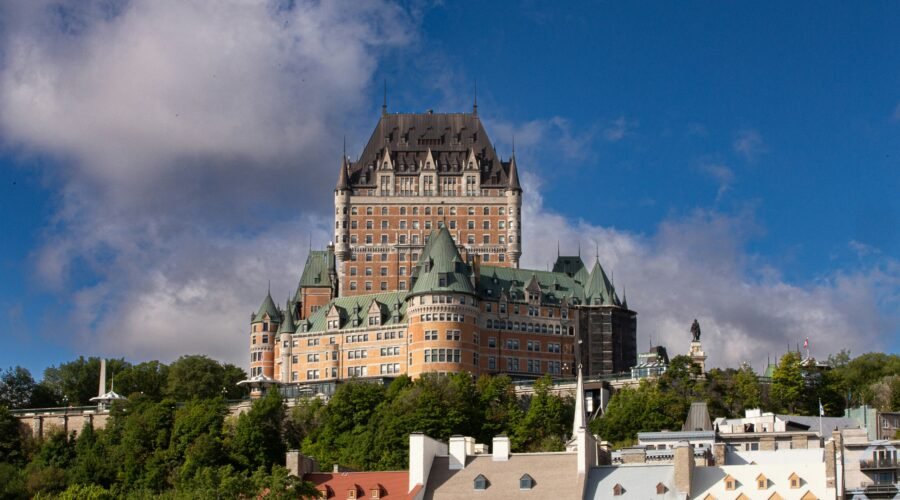
- The Appeal: Quebec City is like stepping back in time. Its historic Old Town, a UNESCO World Heritage site, is a maze of cobblestone streets, ancient fortifications, and iconic architecture. Think Château Frontenac overlooking the majestic St. Lawrence River.
- Best Time to Visit: Fall for the vibrant foliage and crisp air, or late spring for pleasant walking weather and fewer crowds than summer. Winter offers a magical, albeit cold, holiday atmosphere.
- Must-Dos: Walk the ramparts, explore the Plains of Abraham, visit the Musée de la Civilisation, and take a ferry to Lévis for stunning skyline views. The Christmas market is a highlight if you visit in December.
- Crowds & Costs: Peak season is summer. Shoulder seasons offer a good balance. Accommodation and dining are generally on the pricier side due to its historic significance and tourist draw.
b. Montreal: A Vibrant, Multicultural Hub
- The Appeal: Montreal is Canada’s second-largest city and a dynamic blend of European charm and North American energy. It’s known for its incredible food scene, vibrant arts and culture, and distinct neighborhoods.
- Best Time to Visit: Late spring and early fall are ideal for pleasant weather and fewer crowds. Summer is fantastic for its numerous festivals but comes with peak prices and crowds.
- Must-Dos: Explore the Old Port, wander through the Plateau Mont-Royal, visit Notre-Dame Basilica, discover Mount Royal Park, and indulge in its world-class restaurants (especially for bagels and smoked meat!).
- Crowds & Costs: Very busy in summer. Shoulder seasons are more manageable. Montreal offers a wider range of accommodation and dining options across all budgets compared to Quebec City.
c. Charlevoix Region: Nature’s Masterpiece
- The Appeal: East of Quebec City, the Charlevoix region is a designated World Biosphere Reserve. It’s an area of dramatic landscapes, charming villages, and a strong artistic presence, with stunning views of the St. Lawrence River and the Laurentian Mountains.
- Best Time to Visit: Fall is absolutely spectacular for the fall colors. Summer is great for outdoor activities. Spring is quieter but can be beautiful as nature awakens.
- Must-Dos: Visit the artist villages like Baie-Saint-Paul, explore the Grands-Jardins National Park, discover whale watching opportunities on the St. Lawrence, and enjoy local cuisine, particularly cheeses and seafood.
- Crowds & Costs: Popular in summer and during fall foliage season. Prices might be higher in these periods, especially for charming inns. Rural accommodations can offer better value.
d. Gatineau/Ottawa: The Capital and Its Quebec Cousin
| Month | Weather | Crowds | Costs |
|---|---|---|---|
| June | Mild and pleasant | Moderate | High |
| July | Warm and sunny | High | High |
| August | Warm and sunny | High | High |
| September | Cool and crisp | Moderate | Moderate |
- The Appeal: While Ottawa is the capital of Canada, Gatineau is its Quebec counterpart, located just across the Ottawa River, offering access to both provinces’ cultures. Gatineau Park provides stunning natural beauty and outdoor recreation.
- Best Time to Visit: Fall for the vibrant foliage in Gatineau Park and pleasant weather for exploring the museums of Ottawa. Summer is popular for festivals and outdoor activities.
- Must-Dos: Hike or bike in Gatineau Park, visit the Canadian Museum of History (in Gatineau), explore Parliament Hill and the National Gallery of Canada (in Ottawa).
- Crowds & Costs: Summer and long weekends can be busy. Prices are moderate overall, with Ottawa sometimes being a bit pricier due to its capital status.
e. The Eastern Townships (Les Cantons-de-l’Est): Wine and Charm
- The Appeal: South of Montreal, this region is known for its rolling hills, picturesque villages, vineyards, and artisanal food producers. It’s a popular escape for Quebecers and visitors alike.
- Best Time to Visit: Fall is a highlight for its fall colors and harvest festivals. Summer is perfect for vineyard hopping and outdoor activities.
- Must-Dos: Visit wineries, explore charming towns like Magog, Bromont, and North Hatley, enjoy hiking and biking trails, and sample local cheeses and ciders.
- Crowds & Costs: Popular on weekends and during peak harvest season (fall). Some charming inns can be pricier, but there are diverse accommodation options.
If you’re planning a trip to Quebec, understanding the best time to visit can greatly enhance your experience, taking into account factors like weather, crowds, and costs. For more insights on how to make the most of your journey, you might find it helpful to read a related article on travel tips and recommendations at Lele Tours. This resource offers valuable information that complements your planning, ensuring you enjoy all that Quebec has to offer.
5. Packing for Quebec: Essential Gear for Every Season
Packing smart is crucial for enjoying your trip, no matter the weather. Being prepared means you can focus on the experience rather than being uncomfortable.
a. Winter Essentials (December – February)
- The Foundation: Thermal base layers (long johns and long-sleeved tops) are non-negotiable. Merino wool or synthetic materials are best for moisture-wicking.
- Mid-Layers: Fleece jackets, down vests, or wool sweaters provide essential insulation.
- Outerwear: A waterproof and windproof insulated winter coat is paramount. Look for something rated for at least -20°C (-4°F). Waterproof insulated mittens or gloves are better than gloves, as they keep your fingers together for warmth. A warm, insulated hat that covers your ears is a must.
- Lower Body: Insulated, waterproof pants or ski pants for outdoor activities. If not skiing, heavily lined leggings or pants with thermal leggings underneath will work for city exploration.
- Footwear: Insulated, waterproof winter boots with good traction are essential. Bring warm, wool socks.
- Accessories: A scarf or neck gaiter, lip balm, and moisturizer for dry, cold air. Hand and foot warmers can be a lifesaver.
b. Spring and Fall Favorites (March – May & September – November)
- Layering is Key: This is the time for smart layering. You’ll likely start your day in a warmer layer and shed it as the day warms up.
- Base Layers: Lighter versions of thermal wear can be useful, especially in March/November.
- Mid-Layers: Sweaters, cardigans, fleece jackets, and light down vests are perfect for this time.
- Outerwear: A waterproof and windproof jacket is essential, as spring and fall can bring rain and wind. A medium-weight jacket might suffice for September/October, but you’ll need something a bit warmer for the fringes of these seasons.
- Lower Body: Jeans, comfortable trousers, or hiking pants. Consider fleece-lined leggings for cooler days.
- Footwear: Comfortable walking shoes or ankle boots with good tread are usually sufficient. Waterproof options are always a plus. Bring a pair of warmer socks for chillier mornings.
- Accessories: An umbrella, a lighter scarf, and perhaps a light hat for windy days.
c. Summer Attire (June – August)
- Light and Breathable: Focus on comfortable, lightweight clothing.
- Tops: T-shirts, blouses, and short-sleeved shirts made from cotton or breathable synthetic fabrics.
- Bottoms: Shorts, light trousers, capris, or skirts.
- Outerwear: A light jacket or hoodie is recommended for cooler evenings. A light rain jacket is always a good idea, as summer can still bring unexpected showers.
- Footwear: Comfortable walking shoes, sandals, or sneakers. If you plan on hiking, bring appropriate footwear.
- Accessories: Sunglasses, a hat for sun protection, and a reusable water bottle.
Remember to always check the specific weather forecast for your destination and planned dates a week or two before you leave. This will help you fine-tune your packing list and ensure you’re comfortable and prepared for whatever Quebec’s weather throws at you.
When planning your trip to Quebec, it’s essential to consider not only the best time to visit based on weather, crowds, and costs but also how to make the most of your travel experience. For insights into how travel products are reviewed and rated, you might find it helpful to read this informative article on how we review products. Understanding these evaluations can enhance your travel planning and ensure you choose the best options for your adventure in Quebec.
6. Practical Tips for a Smoother Visit
Beyond the weather, crowds, and costs, a few practicalities can make a big difference in how smoothly your Quebec trip goes. Thinking ahead about these can save you hassle on the ground.
a. Language: Bonjour and Beyond
- Official Language: Quebec’s official language is French. In major cities like Montreal and Quebec City, and in tourist areas, you’ll find that many people, especially those in service industries, speak English.
- Be Prepared: It’s always appreciated if you make an effort to speak a little French. A simple “Bonjour” (hello), “Merci” (thank you), and “S’il vous plaît” (please) go a long way.
- Key Phrases: Learning a few essential phrases for ordering food, asking for directions, or checking into your accommodation can be very helpful and enjoyable for the locals. Don’t be afraid to ask if someone speaks English if you’re struggling.
b. Currency and Payment
- Currency: Canada uses the Canadian Dollar (CAD).
- Payment Methods: Credit cards are widely accepted everywhere, from hotels and restaurants to shops and even some smaller vendors. Debit cards are also common.
- Cash: While credit/debit is dominant, it’s wise to carry a small amount of cash for very small purchases, local markets, or situations where cards might not be accepted. ATMs are readily available in cities.
c. Getting Around
- Within Cities:
- Public Transit: Montreal and Quebec City have good public transportation systems (metro and buses). They are a cost-effective way to get around.
- Walking: Both cities, especially their historic centers, are very walkable.
- Taxis/Rideshare: Available in major urban centers.
- Between Cities:
- Trains: Via Rail Canada offers services connecting major cities, which can be a scenic and comfortable option.
- Buses: Companies like Orléans Express connect many towns and cities.
- Car Rental: Highly recommended if you want to explore the countryside, national parks, or less accessible regions. Be aware of potential winter driving conditions if traveling outside of late spring/summer/early fall.
- Driving: Roads are generally well-maintained. Be mindful of speed limits and local driving habits.
d. Tipping Culture
- Standard Practice: Tipping is customary in Quebec, similar to the rest of North America.
- Restaurants: Aim for 15-20% for good service at restaurants.
- Bars: Tip bartenders $1-2 per drink or a percentage of the bill.
- Taxis: 10-15% of the fare.
- Hotel Staff: Tip housekeeping ($2-5 per day) and bellhops ($1-2 per bag).
e. Booking in Advance
- Key for Peak Times: If you’re traveling during the summer, major holidays (Christmas, New Year’s), or the peak fall foliage season, booking accommodation, popular tours, and even some well-regarded restaurants a few months in advance is highly recommended.
- Off-Season Flexibility: During the off-season, you’ll have much more flexibility for last-minute bookings. However, it’s still a good idea to book accommodation at least a few weeks prior, especially for smaller, charming inns.
FAQs
1. What is the best time to visit Quebec for favorable weather?
The best time to visit Quebec for favorable weather is during the summer months of June to August when the temperatures are mild and the days are longer.
2. When is the peak tourist season in Quebec?
The peak tourist season in Quebec is during the summer months of June to August when the weather is pleasant and many outdoor festivals and events take place.
3. What is the off-peak season in Quebec?
The off-peak season in Quebec is during the winter months of December to February when the temperatures drop and snowfall is common.
4. When can visitors expect lower costs for accommodations and attractions in Quebec?
Visitors can expect lower costs for accommodations and attractions in Quebec during the off-peak seasons of winter and early spring, from December to April.
5. What are the busiest times in Quebec when crowds are at their peak?
The busiest times in Quebec when crowds are at their peak are during the summer months of June to August, especially in popular tourist areas such as Old Quebec and Mont-Tremblant.

[…] If you’re planning a trip to Esperance, Western Australia, understanding the best time to visit is crucial for maximizing your experience. Factors such as weather, crowds, and costs can significantly impact your journey. For travelers interested in exploring similar considerations in different locations, you might find the article on Quebec helpful. It provides insights into the optimal times to visit based on weather patterns, tourist traffic, and budget-friendly tips. You can read more about it in this article: The Ultimate Guide to Visiting Quebec: Weather, Crowds, and Costs. […]