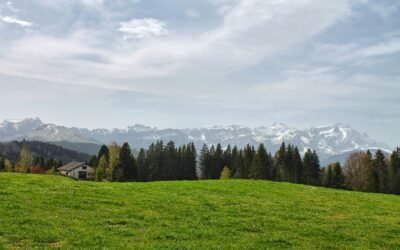
The best time to visit Lévis, Quebec depends on whether you want warm-weather sightseeing, colourful autumn scenery, or a snowy winter getaway. Located across the St. Lawrence River from Québec City, Lévis offers beautiful river views and easy access to attractions on both shores.
Each season has advantages, but weather, festival dates, and accommodation demand can make a big difference to your trip.
Quick Answer
June through August is the best time to visit Lévis for warm weather, outdoor activities, and festivals. May and September offer a quieter alternative with comfortable sightseeing weather. Visit from late September to early October for fall colours, or choose January and February for snow, winter sports, and the nearby Québec Winter Carnival.
Last checked: September 25, 2026. Dates and figures were verified against official sources.
Best Time to Visit Lévis, Quebec: Month-by-Month Comparison
Lévis has four distinct seasons. July is generally the warmest month, while January and February bring the coldest conditions.
The temperature figures below come from Environment and Climate Change Canada’s 1991–2020 climate normals for the Lauzon weather station in Lévis. These are monthly average daily highs and lows, not guaranteed temperatures for individual travel dates.
| Month | Average high / low | What to expect |
|---|---|---|
| January | -7.1°C / -16.6°C | Snowy scenery, winter sports, and very cold nights. |
| February | -5.0°C / -15.4°C | Winter activities and Québec Winter Carnival celebrations. |
| March | 0.3°C / -9.2°C | Late-winter conditions, snow, and the beginning of seasonal thawing. |
| April | 7.8°C / -1.9°C | Variable weather, melting snow, and quieter sightseeing. |
| May | 17.1°C / 5.3°C | Spring flowers, walks, cycling, and generally lighter tourist demand. |
| June | 22.3°C / 10.6°C | Long days, outdoor dining, and the beginning of summer activities. |
| July | 24.9°C / 13.7°C | Warmest average weather, major festivals, and peak summer demand. |
| August | 23.8°C / 12.7°C | Summer sightseeing, cycling, outdoor dining, and events. |
| September | 19.0°C / 8.2°C | Comfortable walks, harvest season, and the first fall colours. |
| October | 11.0°C / 2.4°C | Colourful foliage early in the month, followed by cooler conditions. |
| November | 3.9°C / -3.6°C | Cold, shorter days and the transition toward winter. |
| December | -3.4°C / -11.5°C | Snow, winter scenery, and holiday celebrations. |
These averages provide a useful planning guide. Actual temperatures can be much warmer or colder, and rain or snow can affect outdoor plans in any season.
Spring in Lévis: March to May
Spring is a good choice if you want quieter sightseeing and do not need summer temperatures. May is the most comfortable spring month for walking, cycling, and exploring the riverfront.
March and April are less predictable. Snow may linger, and melting conditions can make some paths wet or muddy.
Why Visit Lévis in May?
May has an average daily high of 17.1°C (62.8°F) and a low of 5.3°C (41.5°F). Days are noticeably warmer, but evenings still call for a jacket.
- Spring scenery: Parks and gardens begin turning green, with flowers appearing as the season progresses.
- Comfortable sightseeing: Mild weather makes it easier to spend time outdoors without summer heat.
- Walking and cycling: The riverfront paths offer views of Québec City and the St. Lawrence.
- Fewer tourists: May is generally quieter than the busiest summer weeks, especially outside holiday weekends.
- Potential accommodation savings: Hotels may offer more attractive rates than during major summer festivals.
Spring is also maple syrup season in the wider Québec region. A visit to a traditional sugar shack can add a food-focused activity to your itinerary.
What Is the Main Drawback of Visiting in Spring?
Not every seasonal attraction opens in May. This matters if you want to tour historic buildings rather than simply enjoy outdoor views.
For example, the Lévis Forts National Historic Site welcomed general visitors from June 19 to September 7 in its 2026 season. From May 11 to June 18, visits were limited to reserved school groups.
If Fort No. 1 is a priority, plan around its published visitor season rather than assuming it opens for all visitors in May.
Summer in Lévis: June to August
Summer offers the most convenient combination of warm weather, long days, and outdoor activities. It is especially suitable for first-time visitors who want to explore Lévis and Québec City in the same trip.
July and August are usually the busiest months. June offers similar activities with somewhat cooler temperatures, particularly early in the month.
What Is Summer Weather Like?
Average daily highs rise from 22.3°C (72.1°F) in June to 24.9°C (76.8°F) in July. August remains warm, with an average high of 23.8°C (74.8°F).
June and July offer long daylight hours, making it easy to combine sightseeing, cycling, and an evening meal. However, humid days and occasional thunderstorms are possible.
Pack comfortable walking shoes, sunscreen, and a light rain jacket. A warmer layer can also be useful near the river after sunset.
Best Summer Activities in Lévis
The riverfront is one of Lévis’s biggest attractions during summer. You can enjoy the scenery without planning a complicated sightseeing route.
- Parcours des Anses: This 13-kilometre riverside cycling route is popular with cyclists and walkers. The City of Lévis cycling network provides details about the route and its connections.
- Quai Paquet: Enjoy views of Old Québec and Château Frontenac from the waterfront near the ferry terminal.
- Outdoor dining: Spend a warm evening on a restaurant terrace or at a café overlooking the river.
- Lévis Forts: Explore Fort No. 1 and learn about the area’s military history during the site’s operating season.
- Ferry sightseeing: Cross the river for a different perspective on both cities.
How Much Does the Lévis–Québec City Ferry Cost?
The ferry operates throughout the year and provides an easy way to visit Québec City without driving across the bridges.
The crossing takes approximately 12 minutes. It is also a popular sightseeing activity because passengers get excellent views of Château Frontenac and Old Québec.
Under the fares effective April 1, 2026, a regular one-way ticket costs CAD $4.25 for passengers aged 16–64. Children aged five and younger travel free, while passengers aged 6–15 pay CAD $2.95.
The official Québec–Lévis ferry fare page provides the full breakdown for pedestrians, cyclists, vehicles, and other passenger categories.
One important scheduling detail: for 2026–27, the operator adopted a simplified year-round timetable based on its usual winter schedule, with additional service during the Festival d’été de Québec. This replaced the previous seasonal pattern, according to the March 2026 service announcement.
Which Summer Festivals Should You Plan Around?
Major festivals are an important reason to visit during summer. They also create busy periods that can affect ferry use, restaurants, and accommodation availability.
- Festival d’été de Québec: This major music festival takes place across the river. Its announced 2027 dates are July 8–18, 2027.
- Festivent de Lévis: Lévis’s own summer festival combines music, family activities, and aerial entertainment. The 2026 edition ran from July 29 to August 2.
- Fête nationale du Québec: June 24 brings celebrations across the province.
- Canada Day: July 1 is another public holiday that can affect opening hours and travel demand.
Are Summer Crowds and Costs Higher?
Summer generally brings stronger demand for accommodation, especially during major events and holiday weekends. Popular restaurants and ferry departures can also be busier.
For 2026, Québec’s construction holiday ran from July 19 through August 1. This is a common vacation period for many Québec workers and an additional consideration for summer travel planning.
If your dates are flexible, compare several weeks rather than assuming every summer weekend costs the same.
Fall in Lévis: September to November
Fall is an excellent alternative to summer for travellers who enjoy comfortable walking weather and colourful scenery. September is generally the most comfortable autumn month, while early October offers some of the most attractive foliage.
Conditions become colder later in October, and November marks the transition toward winter.
September: Comfortable Weather and Fewer Summer Crowds
September has an average daily high of 19.0°C (66.2°F) and a low of 8.2°C (46.8°F). This makes it suitable for exploring the waterfront, cycling, and visiting historic neighbourhoods.
You can also enjoy:
- Riverside walks with cooler, less humid conditions.
- Harvest-season produce and local food.
- Early autumn colours in parks and surrounding countryside.
- Photography from Quai Paquet and the ferry.
September can still be busy around special events and weekends. The quieter atmosphere is most noticeable when compared with major summer festival periods.
When Do Fall Colours Peak in Lévis?
The most reliable planning window is generally late September through early October. The exact peak changes with weather and location.
Québec City Tourism notes that autumn colours begin appearing in the wider region around mid-September, while city trees typically change later. Its fall foliage guide describes the colourful season extending into October.
For scenic photographs, try the riverside paths, Quai Paquet, and nearby wooded areas.
October is noticeably cooler than September. Its average high is 11.0°C (51.8°F), with nights averaging 2.4°C (36.3°F).
Are September and October Cheaper Than Summer?
These months can offer better accommodation value than peak summer, particularly when you avoid popular weekends and events.
However, fall foliage attracts visitors of its own. The Canadian Thanksgiving weekend can also create additional demand.
In 2026, Thanksgiving falls on Monday, October 12. The period after that weekend may offer a quieter atmosphere, although most peak foliage will usually have passed.
What About Late October and November?
Late fall is less suitable if your main goal is colourful scenery or warm-weather outdoor activities.
By November, the average daily high is only 3.9°C (39.0°F). Trees have generally lost their leaves, daylight is shorter, and conditions may be wet or icy.
However, this period can still work for a relaxed city break focused on cafés, restaurants, indoor attractions, and quieter walks.
Winter in Lévis: December to February
Winter offers a very different travel experience. Snow-covered streets, river ice, and nearby seasonal events make Lévis attractive to travellers who enjoy cold-weather scenery.
January and February are especially suitable for winter sports. December adds holiday atmosphere, although dependable snow conditions vary from year to year.
How Cold Does Lévis Get in Winter?
January has an average daily high of -7.1°C (19.2°F) and a low of -16.6°C (2.1°F). February is slightly warmer during the day but remains very cold overnight.
Temperatures can fall below these averages, and wind chill can make exposed areas near the river feel considerably colder.
Wear thermal base layers, a warm mid-layer, a windproof outer jacket, insulated waterproof boots, gloves or mittens, and a hat that covers your ears.
What Can You Do in Lévis During Winter?
Winter activities extend beyond sightseeing. Lévis has outdoor recreation facilities, while Québec City adds major seasonal attractions across the river.
- Winter ferry ride: Watch ice floes move along the St. Lawrence and photograph the snowy Québec City skyline.
- Ice skating: Lévis maintains outdoor skating facilities, including natural and refrigerated surfaces where available.
- Cross-country skiing and snowshoeing: These activities are available in the wider Lévis area when snow conditions permit.
- Riverfront photography: Snow and ice create a different view of Château Frontenac.
- Indoor breaks: Warm up in local cafés and restaurants between outdoor activities.
The city’s skating and arena information identifies outdoor skating as a weather-dependent activity generally offered from December to March.
When Is the Québec Winter Carnival?
The Québec Winter Carnival is a major reason to visit the region in February.
The next announced edition runs from February 5–14, 2027. Activities include ice and snow sculptures, parades, music, and winter entertainment.
The main celebration takes place in Québec City, not Lévis. Staying in Lévis allows you to enjoy a quieter base while travelling across the river for festival activities.
Accommodation demand can increase around Carnival dates, so winter is not automatically the cheapest season.
Essential Winter Travel Preparations
Cold-weather planning makes a significant difference to your comfort and safety.
- Allow extra time when travelling during snowfall.
- Wear footwear with good traction on icy sidewalks.
- Keep spare gloves and warm layers available.
- Check weather and wind chill conditions before long outdoor activities.
- If renting a vehicle, confirm that it has suitable winter tires.
Québec requires winter tires on vehicles registered in the province, including rental vehicles, from December 1 through March 15. The official winter tire requirements explain the rules and exceptions.
Which Times of Year Are Less Suitable for Visiting Lévis?
There is no season you must avoid completely. However, two transition periods may be less convenient for travellers who want attractive scenery and a full range of outdoor activities.
March and April: Melting Snow and Unpredictable Conditions
March can still feel like winter, while April often brings a mixture of thawing snow, rain, and cold nights.
These months can be good for a quieter trip or late-season winter activities. However, muddy paths and limited seasonal openings may reduce your options.
Late October and November: Cooler Weather and Less Colour
The bright foliage usually fades by late October. November then brings shorter days, bare trees, and increasingly cold weather.
These months are better suited to indoor sightseeing, dining, and a relaxed visit than to a trip built around cycling or colourful landscapes.
How to Choose the Best Dates for Your Lévis Trip
The ideal travel dates depend on what matters most to you. Weather, festival schedules, accommodation prices, and attraction opening periods should all influence your decision.
- For warm weather and outdoor activities: Choose June, July, or August.
- For a quieter trip with comfortable walking weather: Consider May or September.
- For fall foliage: Aim for late September or early October.
- For snow and winter sports: Choose January or February.
- For festivals: Match your travel dates to the events you want to attend.
- For potentially lower accommodation costs: Compare dates outside major festivals and holiday weekends.
One practical approach is to stay in Lévis and use the ferry for visits to Québec City. This gives you access to attractions on both shores without needing to drive into Old Québec for every outing.
Final Thoughts on Planning Your Lévis Getaway
For most first-time visitors, summer offers the easiest introduction to Lévis. Warm weather, riverside activities, and nearby festivals make June through August especially convenient.
May and September are attractive alternatives if you prefer a calmer atmosphere. Early October brings autumn scenery, while January and February offer the full winter experience.
Choose your preferred season first, then compare accommodation rates and event dates before booking. That will help you balance the weather, activities, and cost of your visit.
Frequently Asked Questions
What is the best time to visit Lévis, Quebec for good weather?
June through August offers the warmest average weather and long daylight hours. July is generally the warmest month, with an average daily high of 24.9°C (76.8°F). May and September are comfortable alternatives if you prefer cooler conditions for walking.
When is peak tourist season in Lévis?
Peak tourist season generally runs from June through August. July and August are especially popular because of warm weather, school vacations, and summer festivals. Major events in nearby Québec City can also increase accommodation and ferry demand.
When is the off-peak season in Lévis?
The quieter travel periods generally include November, parts of winter, and early spring. However, Christmas, New Year, and Québec Winter Carnival can create busy exceptions. Weather and seasonal attraction closures are important considerations during these months.
Are accommodation costs higher during summer?
Accommodation costs are often higher during summer, particularly around major festivals and holiday weekends. Actual prices depend on the property, booking date, and local demand. Comparing several travel dates can help you find better value.
When should I visit Lévis to avoid crowds and save money?
May and September offer a useful balance of comfortable weather and generally lighter tourist demand. Avoid major events and holiday weekends if keeping costs down is your priority. November and early spring may be quieter, but outdoor conditions are less favourable.
When do fall colours peak in Lévis?
Fall colours generally look their best from late September into early October. The exact timing varies with temperature, rainfall, and location. Trees in the surrounding countryside may change before those in more urban areas.
Does the Lévis–Québec City ferry operate during winter?
Yes, the ferry operates throughout the year, including winter. The crossing offers views of the snowy Québec City skyline and ice moving along the St. Lawrence. Weather and operational conditions can still affect individual departures.
Is May a good time to visit Lévis Forts National Historic Site?
May is a pleasant month for general sightseeing, but the fort’s visitor season may begin later. In 2026, public visits to Fort No. 1 ran from June 19 through September 7. Earlier access was limited to reserved school groups.
About this site: Lele Tours. Read our terms and conditions.
Sources
- Environment and Climate Change Canada: Lauzon 1991–2020 monthly temperature averages.
- Parks Canada: Lévis Forts National Historic Site operating dates and hours.
- Ville de Lévis: Parcours des Anses and the municipal cycling network.
- Société des traversiers du Québec: Québec–Lévis ferry fares.
- Société des traversiers du Québec: 2026–27 ferry timetable changes.
- Québec City Tourism: Festival d’été de Québec dates.
- Festivent: Lévis summer festival information and 2026 dates.
- Québec City Tourism: Regional fall foliage timing.
- Commission de la construction du Québec: 2026 construction holiday dates.
- Carnaval de Québec: Official 2027 Winter Carnival dates.
- Ville de Lévis: Outdoor skating facilities and seasonal availability.
- Gouvernement du Québec: Winter tire requirements.
- Gouvernement du Québec: 2026 public holiday dates and commercial opening information.