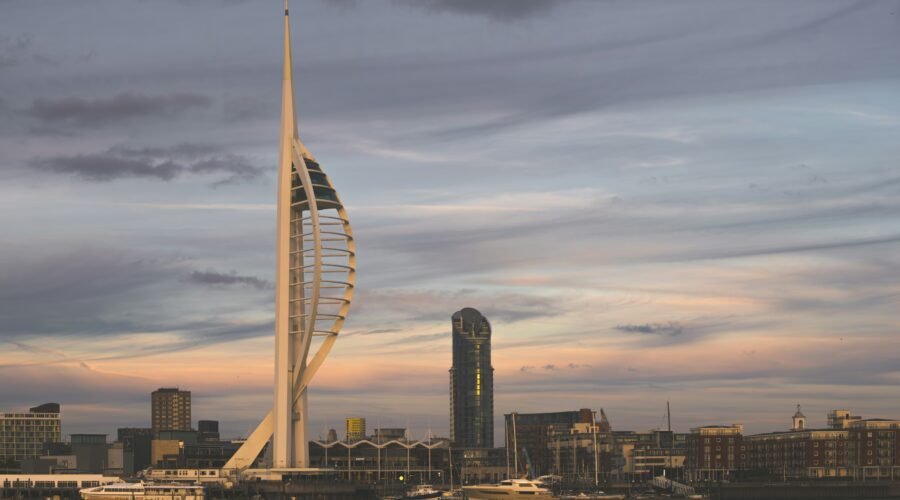
The best time to visit Portsmouth depends on whether you care most about warm weather, smaller crowds, or lower travel costs. For the strongest overall balance, aim for May or September to early October. These periods usually give you mild conditions for exploring the waterfront, Southsea and the Historic Dockyard without relying on the busiest part of the summer holiday season.
Quick Answer
For most travelers, May and September to early October are the best times to visit Portsmouth. You get mild weather, useful daylight for sightseeing, and usually fewer peak-season pressures than in July and August. Choose summer for the warmest weather and winter if quiet sightseeing matters more than outdoor conditions.
Key Takeaways
- Best overall balance: May and September to early October.
- Warmest weather: July and August, when average daytime highs near the Solent are about 21.6°C (71°F).
- Quieter sightseeing: Late autumn and winter, outside major holidays and events.
- Lower rainfall averages: April and May are among the drier months in the Met Office’s 1991–2020 Solent climate normals.
- Major-event caution: Summer festivals and special events can increase traffic, crowds and accommodation demand.
For broader travel ideas, you can browse Lele Tours. You can also review the site’s affiliate disclosure for information about how affiliate links may be used elsewhere on the website.
Best Time to Visit Portsmouth by Priority
| Your Priority | Best Time | Why |
| Best overall balance | May, September, early October | Mild weather with less peak-summer pressure. |
| Warmest weather | July and August | Highest average daytime temperatures and long daylight hours. |
| Fewer visitors | November to March | Outside major holidays, the city generally has a quieter visitor feel. |
| Southsea and outdoor time | June to September | Warmer temperatures make seafront walks and outdoor attractions more comfortable. |
| History and museums | Year-round | Major indoor attractions remain useful options even in cooler or wetter weather. |
Portsmouth Weather Month by Month
The most useful long-term comparison comes from the Met Office’s Solent 1991–2020 climate averages. These figures are climate normals rather than a forecast for your particular trip.
Note: Coastal weather can change quickly. Even during summer, a light waterproof layer is useful, especially if you plan to spend time around Southsea, the harbour or on boat trips.
| Month | Avg. High | Avg. Rainfall | Travel Feel |
| January | 8.6°C / 47°F | 73.9 mm | Cold, quiet, good for indoor attractions |
| February | 8.7°C / 48°F | 52.3 mm | Cool and usually quiet |
| March | 11.0°C / 52°F | 45.4 mm | Cool but improving |
| April | 13.9°C / 57°F | 41.5 mm | Good shoulder-season choice |
| May | 17.1°C / 63°F | 41.1 mm | One of the best all-round months |
| June | 19.6°C / 67°F | 48.3 mm | Warm with long days |
| July | 21.6°C / 71°F | 48.3 mm | Warm and busy |
| August | 21.6°C / 71°F | 55.7 mm | Warm, busy and event-heavy |
| September | 19.4°C / 67°F | 53.3 mm | Excellent shoulder-season option |
| October | 15.7°C / 60°F | 83.4 mm | Mild but wetter |
| November | 11.9°C / 53°F | 90.8 mm | Cool, wetter and quieter |
| December | 9.2°C / 49°F | 89.6 mm | Cool with short daylight hours |
Spring in Portsmouth: March to May
Spring brings longer days, gradually warmer temperatures and a good balance between outdoor sightseeing and manageable visitor levels. May is especially appealing because it is considerably warmer than March or April while still sitting outside the main July-August holiday period.
Weather in Spring
- March: Average highs near 11°C (52°F).
- April: Average highs near 13.9°C (57°F).
- May: Average highs near 17.1°C (63°F).
- Rain: April and May are actually among the drier months in the Solent long-term averages, although showers are possible at any time.
- Daylight: Increasing daylight makes it easier to combine museums, the Dockyard and outdoor walks in one day.
Crowds in Spring
Visitor activity generally starts to build as the weather improves. Weekends, bank holidays and school-break dates can be noticeably busier than ordinary weekdays, but spring usually avoids the sustained holiday demand associated with midsummer.
Costs in Spring
Accommodation and transport prices are dynamic, so there is no fixed “spring price.” However, dates outside school holidays and major event weekends can be easier to shop for than peak summer dates. Compare live hotel and rail prices before choosing your exact weekend.
Why Choose Spring?
Choose spring if you want comfortable walking weather, blossoming parks and enough daylight to explore places such as the Historic Dockyard, Old Portsmouth and Southsea without making midsummer heat and crowds central to the trip.
Pro Tip: May is one of the strongest choices for first-time visitors. It combines an average high around 17°C with relatively low long-term rainfall and plenty of daylight for sightseeing.
Summer in Portsmouth: June to August
Summer brings Portsmouth’s warmest average temperatures, long daylight hours and the fullest outdoor events calendar. It is the best season if Southsea seafront, outdoor dining and festival atmosphere matter more to you than avoiding crowds.
Weather in Summer
- June: Average high around 19.6°C (67°F).
- July: Average high around 21.6°C (71°F).
- August: Average high around 21.6°C (71°F).
- Rain: Summer is not technically the driest season in the current Solent climate normals. April and May have lower average rainfall totals than June, July or August.
- Sun and daylight: Long summer days give you more usable time for outdoor attractions and seafront walks.
July and August both average about 21.6°C (71°F) for daytime maximum temperatures at the Met Office’s Solent climate station.
Crowds in Summer
July and August can feel considerably busier around major attractions, Southsea and event areas. Weekends and school-holiday periods deserve particular attention, and major festivals can change traffic patterns and accommodation demand.
Queues may be longer at popular attractions and restaurants, so advance booking is sensible when a venue offers timed tickets.
Costs in Summer
Summer accommodation can be expensive on high-demand dates, but there is no universal peak-season rate. Prices vary by weekend, event schedule, booking lead time and room availability. Check current hotel and transport prices rather than assuming every summer date costs the same.
Why Choose Summer?
Summer suits families tied to school holidays and travelers who want the warmest weather, outdoor events and the liveliest atmosphere. If that sounds like your trip, book key accommodation and ticketed attractions as soon as your dates are firm.
Autumn in Portsmouth: September to November
Early autumn is one of Portsmouth’s strongest travel periods. September remains relatively mild, while visitor pressure often eases after the main school-holiday season. Conditions then become cooler and wetter through October and November.
Weather in Autumn
- September: Average high around 19.4°C (67°F).
- October: Average high around 15.7°C (60°F).
- November: Average high around 11.9°C (53°F).
- Rain: Average rainfall rises sharply in October and November compared with late spring and summer.
- Daylight: Days shorten quickly as autumn progresses, so outdoor sightseeing is easier earlier in the season.
Crowds in Autumn
Early September can still be lively, but the city usually feels calmer once the main summer-holiday period has passed. October can work well for travelers who want fewer peak-season pressures and do not mind cooler, less predictable weather.
Costs in Autumn
You may find better accommodation availability after the summer peak, especially outside events and school breaks. However, hotel and transport prices remain demand-based rather than following a guaranteed seasonal discount schedule.
Why Choose Autumn?
September is particularly attractive if you want summer-like temperatures without choosing July or August. October works better for travelers who prioritize a calmer city and are willing to pack waterproof clothing and layers.
Winter in Portsmouth: December to February
Winter is the coolest and darkest period of the year, but it can work well for museum-focused trips and visitors who prefer a quieter city. Portsmouth’s maritime attractions give you plenty to do even when spending hours outdoors is less appealing.
Weather in Winter
- December: Average high around 9.2°C (49°F).
- January: Average high around 8.6°C (47°F).
- February: Average high around 8.7°C (48°F).
- Rain: December is relatively wet on the long-term averages, although February is considerably drier. Wet or windy conditions can occur throughout the season.
- Cold: Overnight frost is possible. Snow can occur in southern England, but prolonged heavy snow is not a normal feature of Portsmouth winters.
Crowds in Winter
Outside Christmas, New Year and special events, winter tends to have a quieter visitor atmosphere. Museums and galleries can therefore be attractive choices for travelers who dislike summer crowds.
Costs in Winter
Winter can offer good-value dates, particularly outside the festive period, but it is not accurate to assume that every hotel, rail fare or other travel cost will reach its annual low. Compare live prices before booking.
Why Choose Winter?
Choose winter if indoor history, museums and a quieter pace matter more than long daylight hours. Bring warm layers and waterproof outerwear so that you can still enjoy Old Portsmouth or Southsea when conditions cooperate.
Visiting Portsmouth Historic Dockyard in Different Seasons
Portsmouth Historic Dockyard is a major reason to visit the city at any time of year. The official Dockyard opening-times page lists the Portsmouth site as open daily, but hours vary by season and by individual attraction.
At present, the Dockyard states that last entry to the Portsmouth site is later during April to October than during November to March. Individual attractions can also have their own hours, so check the official schedule shortly before your visit.
If the Dockyard is the main reason for your trip, cooler months can be appealing because so much of the experience involves museums, galleries and historic ships rather than purely weather-dependent outdoor activities.
Events That Can Affect the Best Time to Visit
Portsmouth has festivals and cultural events throughout the year, and a large event can matter more to your hotel price or local traffic than the season itself.
- Victorious Festival: This major music festival takes place at Southsea around the August bank holiday. The official Victorious Festival website listed August 28–30 for its 2026 edition.
- Southsea Food Festival: Visit Portsmouth listed the 2026 event for July 4–5 around Palmerston Road and surrounding streets.
- Other festivals: Portsmouth’s official tourism site highlights music, food, arts and cultural events throughout the year.
2026 Note: Portsmouth is marking 100 years since receiving city status with the year-long Portsmouth100 programme. If you are visiting during 2026, check the official event calendar because centenary activities can add extra events beyond the usual annual programme.
Before booking any trip, check Visit Portsmouth’s current What’s On calendar. Event dates can change from year to year.
Best Time for Different Types of Travelers
Best Weather
July and August provide the highest average daytime temperatures. Choose these months if warmer weather and long daylight hours matter more than avoiding the busiest summer dates.
Fewer Crowds With Reasonable Weather
May, September and early October provide the best compromise. May has mild temperatures and relatively low long-term rainfall, while September stays warm by Portsmouth standards.
Budget-Conscious Travelers
November to March, outside Christmas and New Year, can be worth checking for lower-demand dates. However, prices are not guaranteed to be cheaper, so compare live accommodation and transport rates.
Families With School-Age Children
July and August are convenient for families restricted to summer school holidays. They also provide the warmest conditions for Southsea and outdoor sightseeing. The trade-off is greater demand, particularly around weekends and major events.
Romantic Getaways
May, early June, September and early October combine comfortable walking weather with a generally less intense atmosphere than midsummer. These periods work well for Old Portsmouth walks, waterfront dining and time around Southsea.
History Lovers
Any season can work. Portsmouth Historic Dockyard and the city’s museums make Portsmouth less dependent on perfect outdoor weather than many coastal destinations. Winter can be especially appealing if quieter museum visits are your priority.
What to Pack for Portsmouth
- Year-round: A light waterproof or water-resistant outer layer is useful because coastal conditions can change quickly.
- Spring: Pack layers, comfortable walking shoes and a compact rain layer.
- Summer: Bring light clothing, sun protection and an extra layer for cooler evenings near the water.
- Autumn: Waterproof footwear or a rain jacket becomes increasingly useful through October and November.
- Winter: Bring warm layers, a wind-resistant outer layer and comfortable footwear for wet pavements.
How Far Ahead Should You Book?
There is no single booking window that works for every trip. If you are visiting for a major festival, bank-holiday weekend or school-holiday date, reserve accommodation once your plans are firm because demand can concentrate around specific weekends.
For quieter dates, you may have more flexibility. Always compare the total trip cost rather than focusing only on hotel rates; rail tickets, parking, attraction tickets and event pricing can also affect the final budget.
Frequently Asked Questions
What is the best time to visit Portsmouth for good weather?
July and August have the highest average daytime temperatures, at about 21.6°C (71°F) near the Solent. If you want mild weather with less peak-summer pressure, May or September is often the better compromise.
When is the best time to visit Portsmouth to avoid crowds?
Late autumn and winter are generally quieter outside Christmas, New Year and special events. For a balance between lighter crowds and better weather, consider May, September or early October.
What is the most cost-effective time to visit Portsmouth?
Lower-demand dates from late autumn through winter can be worth checking, especially outside the Christmas and New Year period. However, hotel and transport prices change dynamically, so there is no guaranteed cheapest month.
What are the busiest times to visit Portsmouth?
July and August are among the livelier periods because of warmer weather, school holidays and outdoor events. Individual festival weekends can be particularly busy, especially around Southsea.
Which Portsmouth events can affect when I should visit?
Major events include Victorious Festival around the August bank holiday and summer food and cultural festivals in Southsea. Event schedules change from year to year, so check Visit Portsmouth’s official calendar before booking.
What are the rainiest months in Portsmouth?
In the Met Office’s 1991–2020 Solent climate normals, rainfall increases substantially in autumn. October averages about 83.4 mm, November about 90.8 mm and December about 89.6 mm. April and May have considerably lower average totals.
Is Portsmouth Historic Dockyard worth visiting in winter?
Yes. The Portsmouth Historic Dockyard site operates year-round and many major attractions work well in poor weather. Winter hours are shorter than April-to-October hours, so check individual attraction schedules before arriving.
When is the best time to enjoy Southsea seafront?
June through September provides the most comfortable average temperatures for spending longer periods outdoors. May can also be an excellent choice if you prefer milder weather and want to avoid the main summer-holiday period.
Sources
- Met Office — Solent Climate Averages — 1991–2020 monthly temperature, rainfall, frost and wind averages.
- Portsmouth Historic Dockyard — Opening Times — current seasonal opening and last-entry information.
- Visit Portsmouth — Festivals — official overview of major Portsmouth festivals.
- Visit Portsmouth — Southsea Food Festival — verified 2026 festival information and dates.
- Victorious Festival — official festival information and 2026 dates.
- Visit Portsmouth — Portsmouth100 — official information about Portsmouth’s 2026 centenary programme.