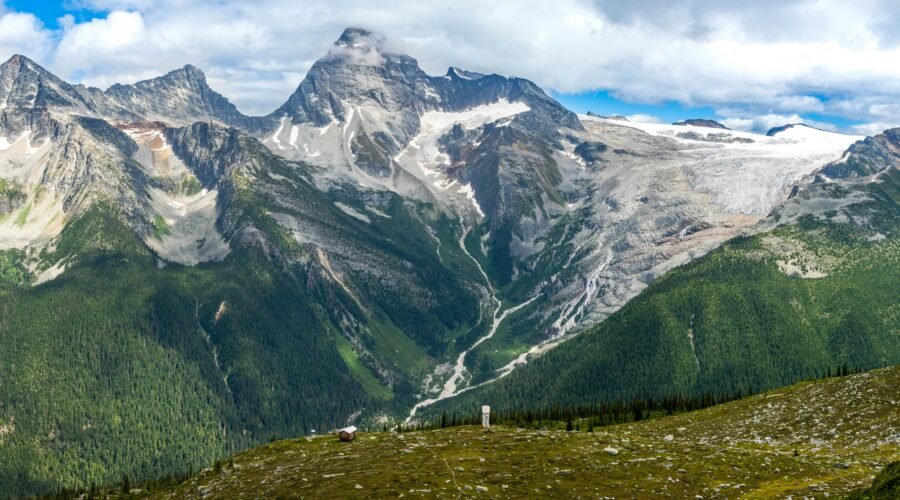
The best time to visit Revelstoke, British Columbia depends on what you want to do. For hiking, biking, sightseeing, and the widest access to higher-elevation terrain, July through mid-September is usually the most dependable window. Skiers and snowboarders should look at winter, while late spring and late fall can work well for lower prices, lighter crowds, and lower-elevation activities.
Quick Answer
For most first-time visitors, July through mid-September offers the best mix of warm weather and outdoor access, with September providing a good balance of pleasant conditions and lighter crowds. Skiers should target January through March. Budget travelers can save in May, June, late October, and November, but alpine access is more limited.
Key Takeaways
- Best overall for hiking and sightseeing: July through mid-September, when higher-elevation access is usually at its best.
- Best for skiing and snowboarding: January through March for the heart of the winter season.
- Best balance of weather and fewer summer crowds: Early to mid-September.
- Best for lower prices and quiet: May, early June, late October, and November, with fewer seasonal attractions open.
- Most important planning rule: Valley weather does not guarantee alpine access. Snow can remain high on Mount Revelstoke well into summer.
Environment and Climate Change Canada’s 1991–2020 normals put Revelstoke’s average daily maximum at 26.5°C in July, compared with 19.2°C in September and 10.5°C in October.
1. Spring (May–June): Quiet Trails and a Gradual Thaw
Spring in Revelstoke is a transition season. Snow disappears much earlier in the valley than it does in the mountains, so your experience can change dramatically with elevation. May and June are good choices if you prefer quieter streets, lower-elevation trails, biking, fishing, and rafting rather than guaranteed alpine hiking.
A. Weather: Mild in Town, Snowy Higher Up
According to Environment and Climate Change Canada’s 1991–2020 climate normals, Revelstoke has a normal daily average temperature of about 13°C in May and 16.3°C in June. Average daily highs are about 19.9°C in May and 22.6°C in June.
Those valley numbers do not describe conditions on the surrounding mountains. Parks Canada says high-elevation trails in Mount Revelstoke National Park are generally snow-bound from early May through late June, and mountain weather can change quickly.
B. Crowds: A Post-Winter Lull
Spring is usually quieter than peak winter and summer. The main ski season has ended, while many summer visitors have not yet arrived. Restaurants, downtown streets, and lower-elevation trails can therefore feel more relaxed.
C. Costs: Often Better Than Peak Season
Accommodation can be more affordable than during the height of ski season or July and August. Rates vary by property and weekend, so compare your exact dates rather than assuming every spring stay will be discounted.
D. Activities: Lower-Elevation Adventures
- Mountain biking: Lower-elevation trail networks begin opening as snow and mud conditions allow. Tourism Revelstoke identifies spring and early summer as a good period for lower-elevation forest riding.
- Hiking: Focus on valley and lower-mountain trails. Do not assume summit-area trails are snow-free in May or June.
- Whitewater rafting: The glacier-fed Illecillewaet River is a spring and summer rafting destination. Tourism Revelstoke notes that the biggest rapids normally occur from mid-June into mid-July.
- Fishing: Early spring can be productive on larger nearby lakes. A valid British Columbia freshwater fishing licence is required for most anglers age 16 and older.
- Exploring town: Museums, cafes, breweries, shops, and downtown walks are useful backups when mountain weather is unsettled.
Note: Parks Canada says the earliest the Meadows in the Sky Parkway has historically been snow-free is around the end of June, while mid-July is the average. Always check current parkway and trail conditions before building a trip around the Mount Revelstoke summit.
If you’re planning a trip to Revelstoke, British Columbia, broader destination-planning articles can also help you build your itinerary. You can browse additional travel ideas at Lele Tours, then confirm seasonal operating details with the official sources linked throughout this guide.
2. Summer (July–August): Peak Outdoor Season
Summer is Revelstoke’s busiest warm-weather season because the combination of longer days, warm valley temperatures, mountain biking, hiking, paddling, rafting, and resort attractions gives visitors the broadest choice of activities.
A. Weather: Warmest Time of Year
Environment and Climate Change Canada’s climate normals show an average daily high of about 26.5°C in July and 25.5°C in August, with normal daily averages of 19.4°C and 18.6°C respectively. Mountain temperatures can be much cooler, and rain or even snow is possible at high elevation.
Summer can also bring wildfire smoke. Smoke conditions may change quickly, so check British Columbia air-quality and wildfire information before strenuous outdoor plans if smoke is present.
B. Crowds: Highest Warm-Weather Demand
July and August are popular for hiking, biking, national-park sightseeing, camping, road trips, and resort activities. Expect heavier use at major trailheads and popular attractions, especially on weekends and holidays. Booking accommodation in advance is sensible if your dates are fixed.
C. Costs: Usually Among the Highest
Accommodation demand is strong in midsummer, so rates are often higher than in spring or late fall. Popular guided activities and resort products can also sell out on busy dates.
D. Activities: The Widest Selection of the Year
- Mountain biking: Revelstoke has lower-elevation, cross-country, downhill, and alpine options. Alpine trails open later than valley routes, depending on snowmelt.
- Hiking: July through mid-September is the main hiking season in Mount Revelstoke National Park, but individual trails can retain snow or close for wildlife, maintenance, fire, or weather.
- Revelstoke Mountain Resort: Gondola sightseeing, the Pipe Mountain Coaster, biking, and other attractions operate on published seasonal schedules.
- Water activities: Lake Revelstoke and other area waters offer paddling and swimming options. Use an appropriate personal flotation device and check wind and weather before heading onto larger lakes.
- Rafting: The Illecillewaet River remains a major summer option, with water levels changing as the season progresses.
- National parks: Mount Revelstoke and Glacier national parks offer hiking, viewpoints, picnic areas, historic sites, and mountain scenery.
2026 Update: Revelstoke Mountain Resort currently lists main summer operations from June 20 through September 7, fall operations September 8–27, and extended weekends October 3–4 and October 10–12. Operating dates and individual attractions can change, so verify the current schedule before visiting.
Warning: Do not treat “summer” as a guarantee that every alpine trail is clear. Parks Canada reports that snowfields can linger around Mount Revelstoke’s summit into July, and unusually heavy snow years can delay full access even longer.
3. Autumn (September–Early October): Cooler Days and Lighter Crowds

Early fall is one of the strongest choices for travelers who want hiking and biking without the busiest part of summer. September can still offer excellent outdoor conditions, but the chance of high-elevation snow rises as the month progresses.
A. Weather: Mild September, Rapidly Cooler October
Revelstoke’s normal September daily average is about 13.6°C, with an average daily high near 19.2°C. October drops to a normal daily average of about 6.8°C and an average high near 10.5°C.
Parks Canada warns that September brings cooler nights and an increasing chance of rain and summit snow. By October, snow becomes increasingly common at higher elevations.
B. Crowds: Lower After Peak Summer
Visitor numbers generally ease after the main July–August vacation period. Popular trails can still be active on pleasant weekends, but early fall often feels less congested than midsummer.
C. Costs: Moving Toward Shoulder-Season Rates
Accommodation prices may begin dropping from midsummer levels as September progresses, with more shoulder-season pricing appearing in October. Exact savings vary by property and event calendar.
D. Activities: Hiking, Biking, Fishing, and Photography
- Fall hiking: September is often your best bet for continued alpine hiking, provided current trail and snow conditions cooperate.
- Mountain biking: Cooler temperatures can make lower-elevation riding very comfortable.
- Scenic drives: Valley vegetation and mountain scenery provide attractive fall views along the Trans-Canada Highway and local roads.
- Fishing: Tourism Revelstoke identifies fall as an important fishing season, including late-season opportunities on larger lakes.
- Photography: Cooler light, changing vegetation, mist, and early mountain snow can create excellent landscape conditions.
- Revelstoke Mountain Resort: Fall sightseeing and attractions may continue on a reduced schedule after the main summer season.
Pro Tip: Choose early to mid-September if your priority is combining alpine access with fewer summer crowds. By late September and October, have a lower-elevation backup plan because snow can close higher trails quickly.
Do not plan a Revelstoke fall trip around a guaranteed “golden larch” peak on the specific Mount Revelstoke, Hermit, or Abbott Ridge routes. Current Parks Canada information supports these areas as excellent mountain hikes, but not the original article’s claim that they are signature larch-viewing destinations.
4. Late Autumn (Mid-October–November): Quietest Shoulder Season

Mid-October through November is a true transition period. Most high-elevation summer activities are winding down or finished, while the main downhill ski season has not yet begun. If low prices and quiet streets matter more than a long activity list, this period can be appealing.
A. Weather: Cold, Wet, and Increasingly Snowy
October has a normal daily average temperature of about 6.8°C in Revelstoke, while November averages about 1.5°C. Rain is common in the valley during the transition, while snow becomes increasingly established at higher elevations and eventually reaches town.
B. Crowds: Very Low
This is one of Revelstoke’s quietest periods. Some seasonal businesses reduce hours or temporarily close between summer and winter, so check individual businesses before making them a key part of your itinerary.
C. Costs: Strong Potential for Deals
Late autumn can offer some of the year’s lower accommodation rates because demand is typically below peak summer and ski-season levels. The trade-off is that fewer seasonal attractions are operating.
D. Activities: Lower-Elevation and Indoor Options
- Hot springs: Several hot-spring experiences are reachable from Revelstoke, although operating seasons and road access differ. Crazy Creek advertises year-round hot pools, while some other options are seasonal or harder to reach in winter.
- Town exploration: Cafes, breweries, museums, galleries, and shops are useful options when mountain conditions are poor.
- Lower-elevation hiking: Some trails can remain usable before valley snow becomes established, but wet, icy, or snowy conditions are possible.
- Early-season ski touring: Only suitably trained and equipped backcountry users should consider this once snow begins accumulating. Early-season snowpacks can hide rocks, logs, creeks, and other hazards.
- Relaxation: This is one of the easiest times to enjoy Revelstoke without a packed activity schedule.
If you’re using shoulder season to build a lower-cost itinerary, the travel-planning information on Lele Tours can provide additional context, while official park, highway, and operator websites should be used for current opening and safety information.
Revelstoke Month-by-Month at a Glance
| Month | Normal Daily Average | Typical Crowd Level | Typical Cost Pressure |
|---|---|---|---|
| January | -3.3°C | High for skiing | High |
| February | -2.1°C | High for skiing | High |
| March | 2.1°C | Medium–High | Medium–High |
| April | 7.4°C | Medium early, low later | Medium–Low |
| May | 13.0°C | Low | Low |
| June | 16.3°C | Medium | Medium |
| July | 19.4°C | High | High |
| August | 18.6°C | High | High |
| September | 13.6°C | Medium | Medium |
| October | 6.8°C | Low | Low |
| November | 1.5°C | Low | Low |
| December | -2.7°C | Medium–High | Medium–High |
Temperature figures are Environment and Climate Change Canada 1991–2020 climate normals for Revelstoke. Crowd and cost levels are general travel-planning tendencies rather than fixed prices or visitor counts.
5. Winter (December–April): Ski and Snow Season
Winter is one of Revelstoke’s defining seasons. Revelstoke Mountain Resort combines very large lift-served vertical with heavy snowfall, while the surrounding Columbia Mountains also attract experienced backcountry travelers.
A. Weather: Cold and Snowy
Revelstoke’s normal daily average temperatures are about -2.7°C in December, -3.3°C in January, and -2.1°C in February. Conditions are colder and more exposed higher on the mountain.
Revelstoke Mountain Resort publishes an average annual snowfall of about 10.5 metres and 1,713 metres of lift-accessed vertical.
B. Crowds: Ski-Season Demand
Winter weekends and holiday periods can be busy, especially around Christmas, New Year’s, and other peak ski dates. Accommodation, popular restaurants, parking, rentals, and lift products should be booked ahead when possible.
C. Costs: Peak-Season Pricing
Winter is one of Revelstoke’s higher-cost periods. Ski accommodation, lift tickets, rentals, instruction, and guided experiences can cost substantially more than in shoulder season. Buying lift tickets early can reduce costs compared with window pricing.
D. Activities: Skiing, Snowboarding, and Winter Recreation
- Downhill skiing and snowboarding: Revelstoke Mountain Resort is the main lift-served attraction.
- Cat skiing and heli-skiing: Guided operators serve experienced skiers seeking terrain beyond the resort.
- Backcountry skiing and snowboarding: The surrounding mountains contain serious avalanche terrain and require appropriate education, planning, rescue equipment, and decision-making skills.
- Snowshoeing: Parks Canada maintains winter recreation opportunities on lower Mount Revelstoke.
- Nordic skiing: Parks Canada says volunteers track-set a section of the Meadows in the Sky Parkway, providing a route toward Monashee Cabin.
- Snowmobiling: Managed riding areas around Revelstoke attract snowmobilers during winter.
- Ice skating: Public skating opportunities may be available locally; confirm current schedules before your visit.
- Après-ski: Winter brings the town’s strongest ski-focused atmosphere.
Warning: Resort skiing and uncontrolled backcountry skiing are not the same activity. Mount Revelstoke and the Rogers Pass region contain avalanche terrain. Check Avalanche Canada before every backcountry trip, understand the current forecast, choose terrain appropriate for the conditions, and carry a transceiver, shovel, and probe with the training to use them.
2026/27 Ski Season: Revelstoke Mountain Resort currently lists December 5, 2026 as opening day. Published schedules can change with conditions, so check the resort directly before booking around the first or final week of the season.
Road and Seasonal Access Considerations
Revelstoke sits on the Trans-Canada Highway between mountain passes, so road conditions deserve as much attention as the local forecast. Snow, avalanche control, collisions, construction, and rapidly changing mountain weather can affect travel.
Check DriveBC before starting your trip and again on travel day. Its official map includes road conditions, closures, delays, highway cameras, weather information, and wildfire layers.
Pro Tip: Build flexibility into spring, fall, and winter itineraries. A day planned for high-elevation hiking can quickly become a lower-trail, museum, hot-spring, or town day when snow, smoke, rain, or road conditions change.
The Verdict: Choose the Season for Your Priorities
Ultimately, the best time for your Revelstoke visit depends on what you want most from the trip.
- For budget travelers and solitude: Try May, early June, late October, or November, understanding that high-elevation access and seasonal attractions may be limited.
- For skiing and snowboarding: January through March puts you in the core winter season.
- For hiking and alpine exploration: Mid-July through mid-September is the most dependable general window, although current trail conditions always come first.
- For pleasant weather with lighter summer crowds: Early to mid-September is one of the best compromises.
- For mountain biking: Lower trails begin earlier, while higher alpine routes generally become available later in summer.
- For rafting: Spring and summer work well, with the biggest Illecillewaet rapids typically occurring from mid-June into mid-July.
Think about what matters most to you—powder, warm-weather hiking, biking, quiet streets, photography, or lower accommodation costs—and choose dates around that priority. In Revelstoke, elevation matters almost as much as the month, so always check current trail, road, weather, wildfire, and operator information immediately before your trip.
Frequently Asked Questions
What is the best time to visit Revelstoke for favorable weather?
July through early September offers the warmest and generally most dependable weather for a broad range of outdoor activities. July has a normal daily high of about 26.5°C, while August averages about 25.5°C. September is cooler but can provide a good balance of comfortable conditions and lighter crowds.
When is the peak tourist season in Revelstoke?
Revelstoke effectively has two peak periods: the winter ski season and the July–August summer season. Holiday ski dates and midsummer weekends can produce the strongest demand for accommodation and popular activities.
What is the shoulder season in Revelstoke?
Spring and late fall are the main shoulder periods. May and early June can be pleasant in the valley while high elevations remain snowy. Late October and November are quieter again, but many summer attractions have finished and the main ski season has not yet begun.
When are accommodation and activity costs usually lower?
You are more likely to find lower prices during quieter spring and late-fall periods than during the height of winter skiing or July and August. Rates still vary by property, weekend, event, and booking date, so compare your exact travel dates.
Can I hike the Mount Revelstoke summit area in May or June?
Do not count on it. Parks Canada says high-elevation trails are generally snow-bound through much of May and June. The Meadows in the Sky Parkway opens progressively as snow melts, and full summit access varies from year to year.
Is September a good month to visit Revelstoke?
Yes. Early to mid-September is one of the strongest choices for hikers, bikers, photographers, and road-trippers who want cooler weather and fewer midsummer crowds. However, snow can return to higher elevations, so check trail conditions immediately before hiking.
What events and festivals take place in Revelstoke?
The schedule changes each year. In 2026, the official Tourism Revelstoke calendar includes Revy Live Outside from July into August, Revy Paddle Fest in August, Revelstoke BikeFest in September, the Revelstoke Garlic Festival, and Luna Fest. Check the current official events calendar before planning a trip around a specific event.
What should I check immediately before traveling to Revelstoke?
Check the weather forecast, Parks Canada trail and parkway conditions, Revelstoke Mountain Resort operating hours if relevant, DriveBC for highway conditions, and wildfire or air-quality information during fire season. Backcountry winter travelers should also check the Avalanche Canada forecast.
Sources
- Environment and Climate Change Canada — Revelstoke 1991–2020 Climate Normals — monthly temperature averages used throughout this guide.
- Parks Canada — Mount Revelstoke Weather and Climate — seasonal snow, precipitation, and summit-access context.
- Parks Canada — Hiking in Mount Revelstoke National Park — spring snow limitations and prime hiking-season guidance.
- Revelstoke Mountain Resort — Hours of Operation — current summer and fall operating dates.
- Avalanche Canada — Education and Backcountry Safety — avalanche forecasting, terrain planning, training, and rescue-preparedness guidance.
- DriveBC — official British Columbia highway conditions, closures, cameras, weather, and travel advisories.