Bolivia might seem unpredictable, but its seasons follow a reliable rhythm that you can plan around with confidence. You’ll find that timing your trip correctly makes the difference between breathtaking views of the salt flats and slogging through muddy roads. From budget considerations to festival calendars, every season offers something distinct. What works for one traveler won’t work for another, and knowing which season suits your style changes everything — so let’s break it all down.
Bolivia’s Dry Season vs. Wet Season Explained

Bolivia’s climate splits into two distinct seasons that shape every aspect of your trip: the dry season (April to October) and the wet season (November to March).
This Bolivia climate overview helps you plan smarter. During the dry season, you’ll enjoy clear skies, cooler temperatures, and accessible roads across highlands and jungles alike. It’s peak trekking and sightseeing territory.
The wet season, however, transforms the landscape dramatically — lush greenery blankets the valleys, the Salar de Uyuni becomes a giant mirror reflecting endless sky, and crowds thin considerably.
Each season offers genuine freedom if you understand what you’re choosing. Dry means easier movement and reliability. Wet means raw beauty and solitude, though flooded roads can limit access.
These seasonal travel tips give you power over your itinerary. Know your priorities — adventure, photography, budget, or flexibility — and Bolivia’s seasons will work for you, not against you.
How Weather Differs Across the Altiplano, Valleys, and Lowlands
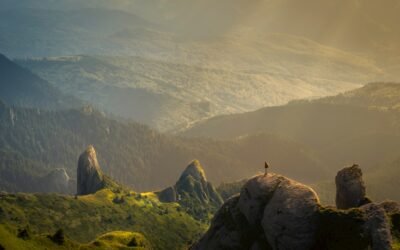
Stretching across three dramatically different elevation zones, Bolivia doesn’t hand you one climate — it hands you three. Each region breaks free from the other entirely, so where you go determines everything.
On the Altiplano, Altiplano temperature swings are brutal — freezing nights even in summer, relentless sun by midday. Elevation impacts thin the air and intensify UV radiation year-round.
On the Altiplano, nights freeze even in summer — then midday sun hits hard, relentless, and unforgiving.
Drop into the valleys around Cochabamba and Sucre, and valleys humidity softens everything. Seasonal variations bring warm, mild conditions most months, with rains arriving October through March.
It’s Bolivia’s most forgiving climate.
Push east into the lowlands — the Amazon basin and Pantanal — and lowlands rainfall dominates from November to April. Heat and moisture define the air.
This climate diversity is your greatest planning tool. Bolivia doesn’t restrict you — it opens multiple worlds. You simply choose which one calls you first.
Bolivia’s Weather Month by Month
Whether you’re planning a highland trek or a jungle adventure, Bolivia’s weather follows a fairly predictable rhythm that you can use to your advantage.
From June through October, you’ll enjoy the dry season‘s clear skies, cooler temperatures, and ideal trekking conditions across most of the country.
November through May brings the wet season, when afternoon downpours transform the landscape—flooding lowland roads but also turning the Salar de Uyuni into a breathtaking mirror that reflects the sky.
Dry Season Monthly Breakdown
During Bolivia’s dry season, which runs from May through October, you’ll experience some of the country’s most spectacular weather and reliable travel conditions.
May kicks things off with cooling temperatures and clearing skies.
June and July deliver crisp, sunny days—peak season for the Salar de Uyuni’s mirror-like reflections.
August stays brilliantly clear but brings stronger winds across the altiplano.
September shifts beautifully, with warmer days returning and crowds thinning.
October marks the season’s final stretch, offering golden light and uncrowded trails before rains arrive.
Understanding these weather patterns helps you strategically plan your journey.
Essential travel tips: pack layers for cold nights regardless of which month you choose, and book accommodations early for June through August, when demand peaks considerably.
Wet Season Monthly Patterns
Bolivia’s wet season runs from November through April, and while it trades the altiplano’s crisp skies for dramatic afternoon storms, it opens up an entirely different—and often breathtaking—side of the country.
November eases you in gently, with sporadic showers that rarely disrupt a full day’s exploration.
December and January bring the heaviest rainfall, transforming the Salar de Uyuni into a mirror-like sheet that photographers chase obsessively.
February peaks in intensity, yet the Amazon pulses with extraordinary wildlife migrations, rewarding patient travelers with rare sightings.
March begins softening, and rainy season activities like river kayaking and jungle trekking reach their most immersive.
The Best Time to Visit Bolivia’s Salt Flats
The Salar de Uyuni, the world’s largest salt flat, transforms dramatically with the seasons, so timing your visit matters.
During the wet season (November–April), a thin layer of water creates a mirror effect that reflects the sky flawlessly, making it a paradise for salt flat photography. Those iconic infinite-horizon shots come alive during this period.
When rain arrives, the salt flats become a perfect mirror — and every shot looks like it defies reality.
The dry season (May–October) offers a cracked, geometric crust stretching endlessly under clear blue skies — a completely different visual experience that feels equally surreal.
Guided tours operate year-round, but dry-season tours give you easier access to the flats and the famous cactus-covered Isla Incahuasi.
If freedom is your priority, visit during shoulder months like November or April, when you’ll catch both the mirror effect and lighter crowds.
Either season delivers an otherworldly landscape that simply doesn’t exist anywhere else on Earth.
Best Time to Visit Bolivia for Outdoor Adventures
Beyond the salt flats, Bolivia’s rugged terrain opens up a playground for outdoor adventurers — and knowing when to go can make or break your experience.
The dry season (May–October) dominates for good reason. Here’s why it wins for outdoor pursuits:
- Hiking trails become fully accessible, letting you tackle the Cordillera Real range and Yungas paths without mudslides blocking your route.
- Wildlife spotting peaks in the Amazon basin — drier conditions concentrate animals near water sources, making encounters with pink dolphins and macaws almost guaranteed.
- Adventure sports like mountain biking down Death Road and paragliding over La Paz offer clearer skies and safer conditions.
However, don’t dismiss the wet season entirely. Cultural immersion deepens during festivals like Oruro’s Carnival (February), when Bolivia’s soul truly reveals itself.
Your adventure style determines your perfect window — choose intentionally, travel boldly.
Festivals and Events Worth Planning Your Trip Around
Few destinations reward festival-timed travel quite like Bolivia, where centuries-old traditions explode into the streets with vivid costumes, music, and collective energy. You’ll witness Indigenous cultural gatherings that connect deeply with Andean music events, spiritual roots, and communal identity.
| Festival | When to Go |
|---|---|
| Carnaval celebrations (Oruro) | February–March |
| Inti Raymi festival & Wine harvest festival | June |
| Day of the Dead & Festival of the Virgin | November |
Plan your La Paz festivities experience around November’s Day of the Dead, where families honor ancestors through elaborate altar offerings and candlelit cemetery gatherings. If you’re chasing pure spectacle, Oruro’s Carnaval celebrations rival Rio in raw passion. June’s Inti Raymi festival aligns perfectly with the Wine harvest festival in Tarija, letting you double your cultural immersion. Bolivia doesn’t just celebrate—it transforms entirely, and you’ll feel that shift viscerally.
When Are the Crowds at Their Peak in Bolivia?
Crowds follow predictable rhythms in Bolivia, and knowing when they peak helps you plan smarter.
Understanding crowd dynamics lets you reclaim your experience rather than fighting tour groups for space.
Travel trends reveal three distinct peak periods:
- June through August — Bolivia’s dry season draws the heaviest international traffic, especially around Uyuni Salt Flats and Lake Titicaca. Book accommodations weeks ahead.
- Carnival in February/March — Oruro’s legendary celebration floods cities with domestic and international visitors simultaneously, creating intense competition for transport and lodging.
- Late December through early January — Holiday travelers combine with summer vacation crowds, particularly in Sucre and La Paz.
Shoulder months like April, May, and September offer a genuine sweet spot — decent weather, manageable crowds, and more authentic interactions with locals.
If freedom matters to you, these quieter windows deliver Bolivia on your own terms, without the noise.
Bolivia Travel Costs by Season
Bolivia’s travel costs shift dramatically depending on when you go, and timing your trip right can save you hundreds of dollars. During peak dry season (June–August), expect higher accommodation rates, pricier tours, and fuller hostels. Demand drives everything up, especially around popular festivals.
However, the shoulder months of April, May, and September offer genuine sweet spots. You’ll find seasonal discounts on lodging and guided tours while still enjoying manageable weather. Budget travel becomes considerably easier when you’re not competing with peak-season crowds for limited beds and transport.
Shoulder season is Bolivia’s best-kept secret—lower prices, thinner crowds, and weather that still cooperates.
The wet season (November–March) delivers the lowest prices across the board. Hostels slash rates, tour operators negotiate freely, and Bolivia’s infrastructure stretches far without strain.
Salt flat reflections during this period are breathtaking, rewarding bold travelers who embrace the rain. Ultimately, your budget determines your best window—and Bolivia generously rewards flexible, adventurous timing.
The Best Time to Visit Bolivia for Your Travel Style
What kind of traveler you’re matters just as much as when you go. Bolivia rewards those who plan intentionally, so matching your travel style to the right season reveals experiences you’ll never forget.
- Cultural experiences seekers: Visit between May and October during the dry season. Festivals like Oruro Carnival (February/March) and Alasitas offer vibrant, authentic connections to Bolivian traditions.
- Wildlife viewing enthusiasts: Head to the Pampas or Pantanal wetlands between July and September, when receding waters concentrate animals, making jaguar and river dolphin sightings far more likely.
- Adventure travelers: Choose June through August for trekking the Andes or cycling the Death Road, when trails stay dry and skies stay clear.
Whatever drives your wanderlust, Bolivia delivers on its own terms.
Respect its rhythms, embrace its rawness, and you’ll walk away transformed by one of South America’s most unapologetically wild destinations.
Frequently Asked Questions
What Vaccinations Are Recommended Before Traveling to Bolivia?
Before heading to Bolivia, you’ll want to prioritize essential vaccination types like yellow fever, typhoid, and hepatitis A. Take health precautions seriously — they’re your gateway to exploring Bolivia’s breathtaking landscapes with complete freedom and confidence.
Do I Need a Visa to Enter Bolivia as a Tourist?
Over 60 countries enjoy visa-free access to Bolivia! You’ll likely qualify for tourist exemptions, making visa requirements a breeze. Simply check your nationality online, and you’re free to explore Bolivia’s breathtaking landscapes without bureaucratic barriers holding you back.
What Currency Is Used in Bolivia, and Can I Use Cards?
Bolivia uses the Boliviano (BOB) as its currency. You’ll find card acceptance limited outside major cities, so you’ll want to embrace currency exchange services and carry cash to truly access Bolivia’s vibrant, off-the-beaten-path experiences!
Is Altitude Sickness a Serious Concern for Visitors to Bolivia?
Like an uninvited guest, altitude sickness can hit hard — La Paz sits at 3,600m. You’ll need altitude acclimatization tips fast. Symptoms management strategies like hydration and rest empower you to truly conquer Bolivia’s breathtaking heights.
What Languages Are Spoken in Bolivia Besides Spanish?
You’ll discover Bolivia embraces 36 official indigenous languages, including Quechua and Aymara. The country’s commitment to language preservation empowers native communities, keeping their rich cultural identities alive and giving you a truly immersive, liberating travel experience.
Conclusion
Whether you’re chasing the mirror-like reflections on the salt flats, dancing through festival crowds, or trekking sun-drenched trails, Bolivia’s got a perfect window for your adventure. The dry season‘s your safest bet for reliable weather, but don’t overlook the shoulder months if you’re watching your budget. Like a kaleidoscope shifting with every turn, Bolivia transforms dramatically across seasons—so choose wisely, pack accordingly, and you’ll experience one of South America’s most breathtaking destinations at its absolute finest.