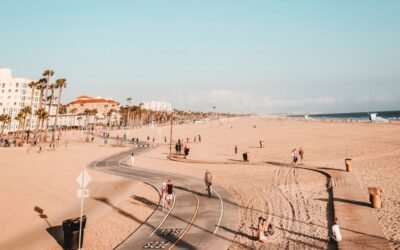
Picture yourself standing on Cannon Beach in late July, surrounded by sunburned tourists jostling for the perfect Haystack Rock photo. That’s peak Oregon Coast season in brief. But timing your trip right means the difference between paradise and a parking lot nightmare. The coast transforms dramatically across twelve months, and knowing exactly when to show up—and when to stay home—changes everything about your experience.
What’s the Weather Really Like on the Oregon Coast Month by Month?

The Oregon Coast doesn’t play by normal weather rules — forget the idea of a classic summer peak and winter dead season. Coastal climate patterns here operate on their own terms, shaped by Pacific currents, marine layers, and unpredictable wind shifts that keep even locals guessing.
The Oregon Coast makes its own rules — Pacific currents, marine layers, and wind shifts that keep even locals guessing.
Monthly temperature averages stay surprisingly moderate — rarely freezing in winter, rarely scorching in summer. January through March delivers heavy rain and dramatic swells, perfect if storm-watching is your thing.
April and May offer quieter crowds with clearing skies. June often surprises visitors with lingering coastal fog, locally called “June Gloom.”
July through September gives you the driest, sunniest stretch — but don’t expect tropical warmth. October brings golden light and crisp air.
November and December return to moody, cinematic storms.
Every month offers something real. You just need to know what you’re walking into.
The Best Time to Visit the Oregon Coast for Good Weather
If good weather is your priority, July through September is your window — these are the driest, most reliably sunny months on the Oregon Coast, with daytime highs typically landing between 60°F and 70°F.
You’ll get enough warmth for beach activities without the oppressive heat that plagues inland destinations. August hits the sweet spot hardest: fog burns off earlier, afternoon sun lingers longer, and coastal hikes reward you with clear sightlines stretching miles into the Pacific.
September quietly outperforms the rest. Crowds thin, prices soften slightly, and the weather holds.
You’re fundamentally getting summer conditions with an autumn atmosphere — that’s freedom.
One honest caveat: “good weather” on the Oregon Coast never means tropical.
Pack a wind layer regardless. Mornings can still run cool and breezy even in peak summer.
Come prepared, stay flexible, and the coast will absolutely deliver on its end of the deal.
When Crowds Peak on the Oregon Coast (and When They Disappear)
Peak season hits the Oregon Coast hard from late June through August — you’ll find packed parking lots at Cannon Beach, shoulder-to-shoulder crowds at Haystack Rock, and lodging rates that reflect the demand. If you crave breathing room, off peak travel is your liberation.
Local insights confirm what savvy travelers already know — timing shifts everything:
| Season | Crowd Level |
|---|---|
| June–August | Extremely crowded |
| September–October | Light, manageable |
| November–February | Nearly empty |
| March–May | Quietly building |
September delivers a sweet spot — summer crowds evaporate, weather stays reasonable, and you’ll actually find parking at Ecola State Park without circling twice. Winter hands you dramatic storms and solitude that feel almost sacred. Spring sneaks in wildflowers and whale migrations before anyone notices. Skip August if freedom matters more than sunshine — the coast rewards those who arrive when others don’t.
Oregon Coast Hotel Rates by Season: What You’ll Actually Pay
Crowd levels and hotel rates move in lockstep on the Oregon Coast — dodge the summer masses and you’ll dodge the price spikes too.
Peak summer weekends in Cannon Beach or Seaside can push oceanfront rooms past $300 nightly. Arrive in October or March, and that same room drops to $150 or less.
Here’s your seasonal breakdown:
- Summer (June–August): Premium pricing, minimum stays required
- Shoulder (May, September–October): 20–40% lower rates, full availability
- Off-season (November–March): Deep seasonal discounts, storm-watching packages included
Smart hotel booking tips: book shoulder-season stays midweek, call properties directly for unadvertised rates, and avoid holiday weekends regardless of season — they spike year-round.
The coast doesn’t disappear when summer ends. The crowds do.
That’s your window — shoulder and off-season travel hands you dramatic scenery, breathing room, and real financial freedom without compromise.
The Best Time to Visit the Oregon Coast on a Budget
Your smartest moves during this window:
- Book midweek — rates fall even further Tuesday through Thursday
- Hit state parks hard — tide pooling, hiking, and beach access cost nothing
- Target shoulder-season festivals — smaller crowds, free or cheap admission
- Budget-friendly activities like clamming, agate hunting, and lighthouse tours stretch your dollar without sacrificing experience
March delivers similar savings with bonus rewards — gray whale migration peaks, wildflowers emerge, and you’ll share beaches with almost nobody.
Avoid Memorial Day through Labor Day entirely if money matters. The coast rewards the flexible traveler generously.
Storm Season: Why Winter on the Oregon Coast Has Its Own Magic
Winter transforms the Oregon Coast into a moody, dramatic landscape that rewards the bold traveler willing to brave the elements.
You’ll witness powerful Pacific storms roll in from the comfort of cozy clifftop lodges, with far fewer tourists competing for your view and notably lower room rates sweetening the deal.
Keep your eyes sharp, too—winter brings gray whales on their southern migration and massive Roosevelt elk moving through coastal meadows, offering wildlife encounters you simply won’t find in peak season.
Dramatic Storm-Watching Opportunities
While summer crowds flock to the Oregon Coast for sunshine, savvy travelers know that storm season—roughly November through February—delivers an entirely different kind of spectacle.
You’ll witness waves crashing 30 feet high against sea stacks, sending spray across headlands that feel genuinely untamed. Cannon Beach and Depoe Bay become prime stages for storm photography, where dramatic lighting and churning surf create images you simply can’t manufacture in calm weather.
Don’t underestimate coastal hikes during storm season either. Trails along Cape Perpetua and Ecola State Park transform into raw, cinematic experiences when wind and rain strip away any postcard pretense.
You’re not just observing nature—you’re inside it. Pack waterproof layers, embrace the chaos, and you’ll understand why winter devotees consider this the coast’s truest, most liberating season.
Fewer Crowds, Lower Costs
Beyond the drama of storm-watching lies an equally compelling reward: the Oregon Coast in winter is invigoratingly, almost shockingly affordable. Off-peak travel means oceanfront hotels drop their rates dramatically — sometimes by half.
You’ll walk into restaurants without reservations, snag prime parking at Cannon Beach, and actually hear yourself think at Haystack Rock.
Budget-friendly activities dominate the season naturally: tide-pooling, storm-watching from free public viewpoints, hiking rain-soaked coastal trails without permit headaches.
State parks remain open and largely empty. You’re not fighting for space — you’re claiming it.
The crowds that descend every July? Gone. What replaces them is something better: authentic access to a wild, unfiltered coastline that belongs entirely to you.
Winter hands you the Oregon Coast without the tax of popularity.
Unique Winter Wildlife Sightings
The cold months deliver a wildlife calendar that summer visitors simply miss. You’ll witness nature operating on its own raw timeline—no crowds blocking your view, no distractions diluting the experience.
Winter reveals four unmissable sightings:
- Gray whale migrations — thousands travel the coastline between December and January, visible from headlands.
- Storm-driven seabird activity — rare pelagic species pushed onshore by powerful weather systems.
- Stellar sea lion congregations — rocky outcroppings become packed colonies during colder months.
- Seabird nesting preparations — early scouts claim prime cliff-face territory before spring’s rush.
You’re not settling for winter—you’re accessing it deliberately. These whale migrations and seabird nesting cycles happen whether tourists show up or not.
Winter rewards those bold enough to claim the coast on nature’s actual terms.
Oregon Coast Events That Should Decide Your Travel Dates
If you want to time your trip perfectly, let the Oregon Coast’s event calendar make the decision for you.
From the Astoria Scandinavian Midsummer Festival to Newport’s Seafood & Wine Festival, annual celebrations give you a compelling reason to visit beyond just chasing good weather.
Mark these local events first, then build your travel dates around them—you’ll get a richer, more memorable experience than any random weekend visit can deliver.
Annual Festivals Worth Attending
Savvy travelers plan their Oregon Coast trips around the region’s festival calendar rather than the other way around.
Skip the guesswork and lock your dates around these transformative events:
- Newport Seafood & Wine Festival (February) – One of the Pacific Northwest’s premier seafood festivals, drawing serious food lovers coastwide.
- Sandcastle Contest at Cannon Beach (June) – Watch master sculptors transform tide-packed sand into jaw-dropping architecture.
- Lincoln City Kite Festival (June/October) – Vibrant aerial spectacles that electrify the shoreline.
- Beach bonfire events at Manzanita (Summer) – Community-driven nights where strangers become friends around roaring flames.
You’re not just attending events — you’re embedding yourself in coastal culture.
These festivals don’t just fill your itinerary; they define your entire Oregon Coast experience.
Seasonal Events Calendar
Beyond individual festivals lies a fuller picture — a coast-wide calendar that, when mapped correctly, hands you a blueprint for timing every trip with precision.
Seasonal festivals don’t scatter randomly; they cluster deliberately, signaling when towns pulse with energy and when they exhale into quieter rhythms.
January through March, local traditions center on storm-watching and seafood celebrations — raw, intimate, crowd-free.
Spring reveals kite festivals and whale-watching events that draw passionate but manageable crowds.
Summer intensifies everything: sand competitions, outdoor concerts, maritime commemorations.
Fall rewards the sharp traveler most — harvest events, cranberry festivals, and local traditions rooted in generations of coastal culture.
Cross-reference this calendar against your priorities — solitude, spectacle, or savings — and you’ll stop guessing and start arriving exactly when the coast is yours.
Local Celebrations To Consider
Plan around these:
- Newport Seafood & Wine Festival (February) — local seafood vendors and wineries pack the coast with flavor.
- Seaside Beach Volleyball Tournament (August) — competitive energy meets sunset beach bonfires.
- Cannon Beach Sandcastle Contest (June) — world-class sculptors transform the shoreline into living art.
- Lincoln City Kite Festival (June & October) — the sky becomes your entertainment, free and spectacular.
These aren’t tourist traps — they’re community heartbeats.
Aligning your visit with one means you’ll experience the Oregon Coast as locals actually live it, not just as a postcard.
How to Choose the Right Oregon Coast Town for Your Trip
Choosing the right Oregon Coast town can make or break your trip, so it’s worth knowing what each stretch of coastline actually delivers.
Cannon Beach suits romantic getaways and gallery-hopping. Seaside handles family beach activities with its boardwalk energy and carnival pulse. Astoria rewards culture-seekers with gritty maritime history and exceptional local cuisine rooted in Scandinavian and fishing traditions.
Head south for a different rhythm entirely. Newport balances working harbor culture with world-class aquarium access. Yachats moves slower, wilder, and more elemental — perfect if you want raw Pacific drama without crowds.
Florence opens the door to dune adventures that feel genuinely untamed.
Match your personality to the town’s character rather than defaulting to the most popular name. The Oregon Coast doesn’t offer one experience — it offers a dozen distinct ones.
Choose deliberately, and you’ll own the trip completely.
Frequently Asked Questions
Are Oregon Coast Beaches Safe for Swimming During Summer Months?
Oregon Coast beaches aren’t ideal for swimming — cold temps and powerful currents make beach safety critical. You’ll want to respect swimming conditions, stay shore-side, and embrace the wild freedom of exploring tide pools and scenic coastal trails instead.
Do Most Oregon Coast Restaurants Stay Open Year-Round?
Like tides, restaurant hours ebb and flow — many spots close or reduce days in winter. You’ll find seasonal menus shifting dramatically, so always call ahead before you plan your coastal dining adventure.
Is the Oregon Coast Accessible for Visitors With Mobility Challenges?
You’ll find the Oregon Coast genuinely welcoming — many beaches offer wheelchair access via hard-packed sand paths, and state parks provide paved trail options so you can explore coastal beauty freely, without limits holding you back.
Can You Spot Whales From Shore Along the Oregon Coast?
Like nature’s greatest show, whales breach right before your eyes! You can spot them from shore during whale watching season. Head to Depoe Bay or Cape Perpetua—the best viewpoints—and you’ll witness these magnificent giants commanding the Pacific.
Are Campgrounds Along the Oregon Coast Reservable in Advance?
Yes, you can reserve most Oregon Coast campgrounds in advance through ReserveAmerica. Don’t leave your freedom to chance — lock in your spot early, as reservation policies and campground amenities vary widely, especially during peak summer months.
Conclusion
Whether you’re chasing sun-drenched summers packed with fellow travelers or craving the raw, storm-battered coastline all to yourself in January, the Oregon Coast rewards you year-round — just differently. You’ll pay premium prices for predictable weather, but you’ll find pure magic in the off-season chaos. Pick your priority: crowds and sunshine, or solitude and drama. Either way, you’re not visiting a postcard — you’re stepping into something genuinely wild.