The best time to visit the Catskills depends on whether you want colorful fall foliage, warm swimming weather, quiet hiking trails, or a snowy mountain getaway. Each season brings different temperatures, crowds, activities, and lodging costs. This guide helps you choose the right months and plan around the busiest weekends. Knowing the best time to visit Catskills helps you plan around weather, crowds, and budget.
Quick Answer
The best time to visit the Catskills is late May through early June or September through mid-October for comfortable weather and outdoor activities. Visit in early to mid-October for peak fall foliage, July and August for swimming, December through March for winter sports, or late April and November for fewer crowds.
Also compare: Westminster.
Last checked: November 11, 2026. Climate figures, official event dates, campground fees, and outdoor regulations were checked against authoritative sources. Regional lodging estimates remain unverified.
Key Takeaways
- Spring offers rushing waterfalls, wildflowers, and fewer visitors, but some mountain trails remain muddy.
- Summer provides the best swimming conditions and long hiking days, especially from late June through August.
- Fall foliage usually peaks in early to mid-October, although elevation and weather affect the timing.
- Winter is ideal for skiing and snowshoeing, but ski resort weekends can be busy and expensive.
- Midweek stays in late spring and November often offer better opportunities for quieter, budget-friendly trips.
Best Time to Visit the Catskills: Season by Season
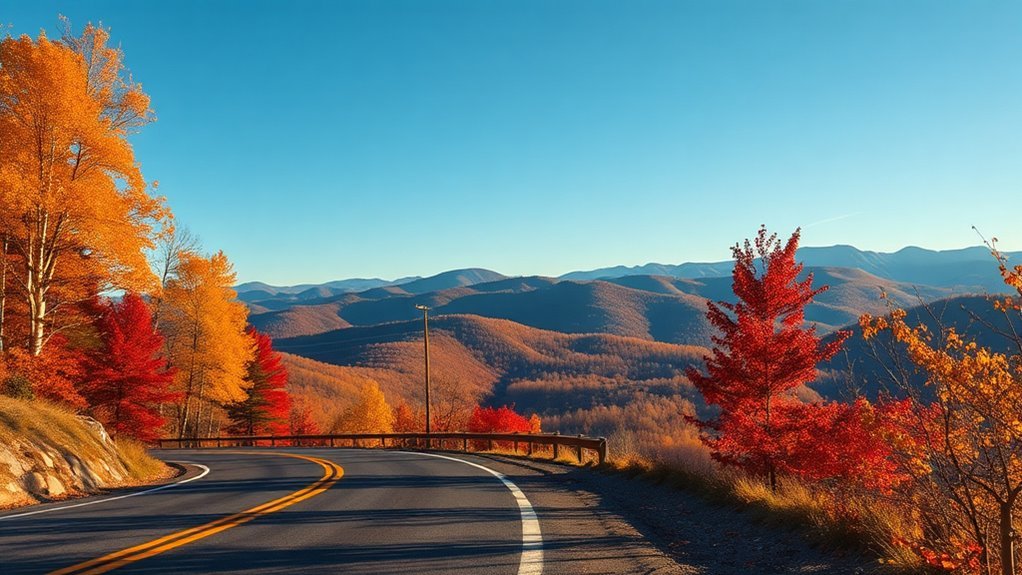
The Catskills have four distinct seasons. Spring brings waterfalls, summer offers swimming and hiking, fall draws visitors for foliage, and winter turns the mountains into a skiing destination.
Understanding these seasonal differences helps you choose a trip that matches your interests rather than simply following the busiest travel periods.
| Season | Typical Conditions | Best Activities | Crowds |
|---|---|---|---|
| Spring March–May |
Cool to mild; wet and muddy trails are possible. | Waterfall hikes, wildflowers, fishing, and birdwatching | Low to moderate |
| Summer June–August |
Warm, green, and sometimes humid | Swimming, kayaking, hiking, camping, and festivals | High on weekends |
| Fall September–November |
Mild September; crisp October; colder November | Leaf-peeping, scenic drives, harvest events, and hiking | Very high during foliage weekends |
| Winter December–February |
Cold, with snow and ice possible | Skiing, snowshoeing, winter scenery, and cabin stays | Low away from ski resorts; higher on ski weekends |
Spring: March Through May
Spring is ideal if you enjoy waterfalls, wildflowers, and quieter mountain towns. Snowmelt and seasonal rainfall increase streamflow, making waterfalls especially impressive.
However, March and early April can still feel wintry at higher elevations. Trails may be muddy, icy, or covered with lingering snow.
By late May, warmer weather makes many lower-elevation hikes more comfortable. Wildflowers and fresh green leaves return to the valleys.
Best for: Waterfall photography, nature walks, fishing, and travelers seeking fewer crowds.
Summer: June Through August
Summer covers the Catskills in lush green forests and creates excellent conditions for lake activities. Long daylight hours make it easier to combine a morning hike with an afternoon swim.
June often feels more comfortable than the hottest part of summer. July and August bring warmer swimming conditions but also higher humidity and busier weekends.
Popular lakes, campgrounds, and swimming holes can attract large numbers of visitors, especially during school vacations.
Best for: Swimming, kayaking, camping, family vacations, and outdoor festivals.
Fall: September Through November
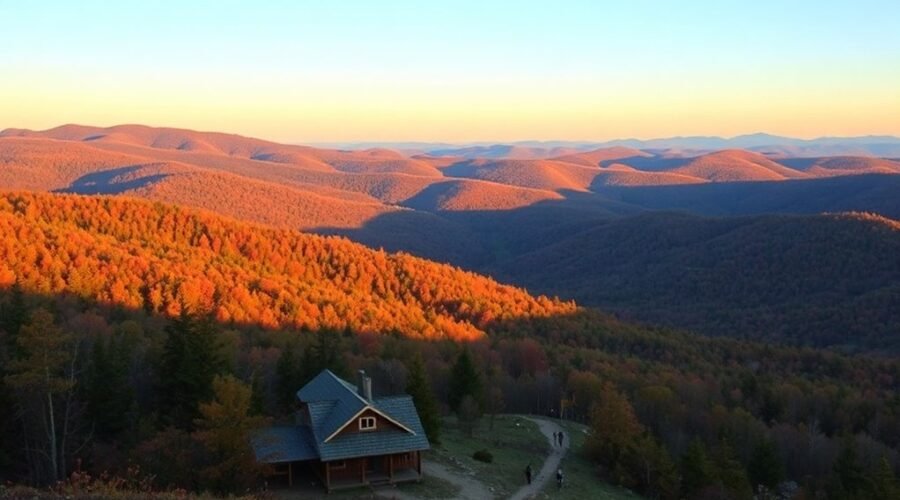
Fall is the Catskills’ most famous scenic season. Forested mountains change from green to shades of orange, red, yellow, and gold.
September brings cooler hiking weather, while October is the main foliage-viewing period. November usually offers a quieter atmosphere as the leaves disappear and temperatures fall.
For the strongest colors, focus on early to mid-October. Higher elevations may change earlier than valleys and lower mountain slopes.
Best for: Scenic drives, foliage photography, mountain hikes, apple picking, and harvest festivals.
Winter: December Through February
Winter brings snow-covered ridges, frozen streams, and a peaceful mountain atmosphere. Ski resorts become major attractions, while smaller towns offer cozy cabins and indoor cultural activities.
Snow conditions vary throughout the season. Some years bring excellent natural snowfall, while others rely heavily on resort snowmaking.
January and February are popular months for winter sports. However, ski conditions can extend beyond February when weather allows.
Best for: Skiing, snowboarding, snowshoeing, winter photography, and relaxing cabin getaways.
Best Time to Visit the Catskills for Good Weather
Late May through early June and September through mid-October usually provide the most comfortable weather for sightseeing and hiking. These periods avoid much of summer’s humidity while offering relatively mild daytime temperatures.
Weather varies across the region. Valleys can feel noticeably warmer than exposed mountain summits, especially when the wind picks up.
Average Monthly Temperatures Near the Catskills
The following figures come from the National Weather Service’s 1991–2020 Albany climate normals.
Albany is north of the Catskills, so these numbers are a nearby regional reference, not mountain-specific averages. High-elevation Catskills locations can be substantially colder.
| Month | Avg. High | Avg. Low |
|---|---|---|
| January | 33°F | 16°F |
| February | 36°F | 18°F |
| March | 45°F | 26°F |
| April | 59°F | 37°F |
| May | 71°F | 48°F |
| June | 79°F | 57°F |
| July | 84°F | 62°F |
| August | 82°F | 61°F |
| September | 74°F | 53°F |
| October | 62°F | 41°F |
| November | 49°F | 32°F |
| December | 38°F | 23°F |
These are long-term averages, not forecasts. Actual temperatures can vary considerably from year to year.
Which Months Feel Most Comfortable?
May and June: Comfortable daytime conditions often make hiking and town exploration enjoyable. May can still bring cool mornings and muddy higher trails.
September: Warm afternoons and cooler evenings make this a strong choice for outdoor activities. It’s especially appealing if you want comfortable hiking without peak summer heat.
October: Cooler temperatures are excellent for energetic hikes and scenic drives. Pack layers because mountain mornings and evenings can become chilly.
July and August: These months are best for swimming and other water activities, although hot and humid weather can make difficult hikes less comfortable.
For a trip focused mainly on hiking, September is one of the most balanced months. For swimming, July and August are better choices.
When Are the Catskills Most Crowded?
The Catskills are generally busiest on summer weekends and peak fall foliage weekends. Popular hiking trails, swimming holes, scenic roads, and small towns can become crowded during these periods.
Tourists from New York City and the wider Northeast often visit for short weekend getaways, which creates noticeable differences between weekday and weekend crowds.
Peak Tourist Seasons
- Memorial Day weekend: Marks the start of the busy warm-weather travel season for many attractions.
- July Fourth through Labor Day: Summer vacations bring heavier traffic to swimming areas, lakes, campgrounds, and popular trails.
- Early to mid-October: Fall foliage draws large numbers of visitors to scenic overlooks and mountain roads.
- Winter holiday weekends: Ski areas near Hunter, Windham, and Belleayre can be especially busy.
Woodstock, Phoenicia, and popular hiking destinations often experience their greatest traffic on Saturdays and Sundays.
Major holiday weekends and local festivals can also increase demand for hotel rooms, parking, and restaurant reservations.
When Are the Catskills Least Crowded?
Late April, early May, and November generally provide quieter conditions outside major holiday periods.
Tuesday through Thursday visits can also feel much less crowded than weekends, even during popular travel months.
Early September weekdays offer another useful compromise. Summer vacation traffic has eased, but fall foliage crowds have not yet reached their peak.
However, some seasonal attractions, restaurants, and recreational facilities operate reduced hours outside their main season.
What You’ll Pay Depending on When You Visit the Catskills
Lodging costs in the Catskills usually depend on the season, property type, location, and day of the week. Fall foliage weekends and popular summer weekends often command higher prices than quieter spring and late-fall dates.
Cabins, boutique hotels, mountain resorts, and simple campgrounds can have very different nightly rates.
Seasonal Lodging Cost Comparison
The original article provided the following estimated lodging ranges. They are retained for comparison but were not verified as region-wide averages or current booking quotes.
| Season | Estimated Nightly Lodging | Crowd Level |
|---|---|---|
| Summer | $250–$400 | High |
| Fall Foliage | $300–$500 | Very High |
| Winter | $120–$220 | Low, except ski destinations |
| Spring | $130–$200 | Low to moderate |
These figures should not be treated as fixed seasonal prices. Actual rates depend on the specific accommodation, booking dates, and availability.
The original estimate also suggested that shifting a stay to Tuesday or Wednesday could reduce lodging costs by 20–30%. That percentage was not independently confirmed, so use it as a comparison target rather than a guaranteed discount.
How to Save Money on a Catskills Trip
- Travel midweek: Compare weekday rates against Friday and Saturday nights for the same property.
- Choose shoulder-season dates: Late April, May, and November may offer lower demand outside holidays.
- Stay outside the busiest towns: Consider nearby villages rather than booking directly beside major attractions.
- Use public recreation areas: Many state forest trails are free to access, although some day-use areas charge fees.
- Consider camping: Developed campgrounds can cost much less than private cabins or boutique hotels.
For a verified budget example, the New York State Department of Environmental Conservation lists North-South Lake Campground at $22 per night, with an additional $5 nightly surcharge for out-of-state residents.
The campground’s published operating dates are May 15 through October 25. Reservations and other applicable charges can affect the final total.
Winter can also be affordable if your trip focuses on towns and cabin stays rather than ski resort weekends. Skiing, equipment rentals, and holiday lodging may increase expenses substantially.
Best Catskills Activities by Season: Hiking, Swimming, and Skiing
The best outdoor activities in the Catskills change throughout the year. Spring favors waterfalls, summer is best for swimming, fall offers colorful ridge hikes, and winter brings skiing and snowshoeing.
Choosing an activity before selecting your travel dates can prevent disappointment, especially when seasonal facilities or mountain trails are affected by weather.
Spring: Waterfall Hikes and Nature Trails
Spring rainfall and melting snow can make the region’s waterfalls especially impressive.
Kaaterskill Falls, near Haines Falls in Greene County, is one of the area’s best-known attractions. Its two tiers have a combined drop of approximately 260 feet.
The Kaaterskill Wild Forest has free public access throughout the year.
From the Laurel House Road parking area, a 0.3-mile walk leads to an observation platform above the falls. The trail has a firm gravel surface and relatively little elevation change.
Longer routes descend toward lower viewing areas, where the terrain becomes steeper.
The Plattekill area and other waterfall-rich valleys can also be rewarding in spring. Access conditions vary, so use established public trails and respect private property.
Warning: Do not climb waterfalls or enter restricted cliff areas. At Kaaterskill Falls, roadside parking restrictions apply, and the former Molly Smith parking area is closed. Use designated parking areas at Laurel House Road, Scutt Road, or South Lake. Wet rocks and sudden water-level changes can be dangerous.
Spring also brings wildflowers and returning migratory birds to the forests and valleys.
For anglers, the Beaverkill and Willowemoc rivers in the Sullivan Catskills are well-known trout-fishing destinations.
Summer: Swimming, Kayaking, and Camping
Summer is the best season for swimming and lake recreation in the Catskills. Warmer temperatures make spending time near the water especially appealing.
North-South Lake, near Haines Falls, offers designated swimming beaches, picnic areas, hiking trails, and boat rentals during its operating season.
The campground provides opportunities for canoeing, kayaking, stand-up paddleboarding, and other nonmotorized water activities.
Swimming is permitted at designated beach areas. DEC states that swimming at its campgrounds is not supervised by lifeguards.
Another popular destination is Peekamoose Blue Hole, a natural swimming area in the Sundown Wild Forest region.
According to NYSDEC’s Peekamoose Blue Hole regulations, a $10 permit is required from May 15 through September 15 each year.
The permit covers a vehicle with up to five people and must be reserved at least 24 hours in advance, but no more than one week ahead. Walk-in reservations are not accepted.
Outside the permit season, the special day-use permit is not required, although other site regulations still apply.
For summer hiking, start more demanding trails early in the day to avoid the hottest afternoon conditions.
Fall: Scenic Drives and Mountain Ridge Hikes
Fall is the strongest season for scenic mountain views, especially when the leaves reach peak color.
According to the I LOVE NY fall foliage guide, the Catskills historically reach peak color in early to mid-October.
The timing varies with elevation, rainfall, temperature, and weather patterns.
Some excellent fall activities include:
- Slide Mountain: The Catskills’ highest peak offers a challenging hike through changing forest zones.
- Giant Ledge: A popular destination for expansive mountain views and fall photography.
- Hunter Mountain area: Scenic mountain landscapes with strong autumn color.
- Catskill Mountains Scenic Byway: A scenic driving option through mountain communities and wooded valleys.
- Route 28: A useful route through towns such as Phoenicia and Mount Tremper.
The direct route to Slide Mountain’s summit from the Oliverea Road South trailhead is approximately 5.4 miles round-trip, with substantial elevation gain.
Giant Ledge offers a shorter but still demanding alternative, approximately 3.2 miles round-trip by its shortest route.
These hikes require suitable footwear and preparation, particularly when wet leaves make rocks and roots slippery.
Winter: Skiing, Snowshoeing, and Snowy Forests
Winter brings downhill skiing, snowboarding, and snowshoeing to the Catskills. Hunter Mountain and Belleayre are among the region’s main ski destinations.
Belleayre Mountain offers downhill skiing across a variety of difficulty levels.
Its official mountain statistics list 62 trails, a vertical drop of 1,404 feet, and 171 skiable acres.
Belleayre also has approximately 9.2 kilometers of cross-country trails that are free to use when natural snow permits. These trails are not groomed or patrolled.
According to Belleayre’s seasonal information, the resort generally operates from around the day after Thanksgiving into April. Exact opening and closing dates depend on weather, snowmaking, and conditions.
Snowshoeing offers a quieter alternative to busy downhill slopes, especially on suitable forest trails away from resort areas.
Winter hiking requires extra care because ice, deep snow, and changing temperatures can make familiar routes more demanding.
Top Catskills Events Worth Planning Your Trip Around
The Catskills host festivals, cultural performances, harvest celebrations, and holiday events throughout the year. Planning around one of these events can add a memorable experience to your trip.
However, popular festivals can also increase traffic and accommodation demand, particularly during summer and fall.
Annual Festivals Worth Attending
Several established events offer good reasons to visit the Catskills at different times of the year.
Spring: New York Maple Weekend
New York Maple Weekend celebrates the state’s maple syrup producers with sugarhouse tours, demonstrations, tastings, and family activities.
The New York State tourism festival calendar lists March 13–14 and March 20–21, 2027, for the upcoming Maple Weekends.
Participating farms are located throughout New York, including parts of the broader Catskills region.
This event is a good option for travelers who want a seasonal food experience rather than a hiking-focused trip.
Summer: Catskill Mountain Shakespeare
Catskill Mountain Shakespeare brings professional theater performances to the mountain community of Hunter.
Its 2026 summer mainstage production, Much Ado About Nothing, ran from July 11 through July 26 at The Red Barn on Main Street in Hunter.
The 2027 season has been announced as the organization’s next season, although specific performance dates were not confirmed during this review.
Summer visitors can also find outdoor music, food fairs, farmers markets, and performances in other Catskills communities.
Fall: Woodstock Film Festival and Harvest Celebrations
Fall combines foliage tourism with some of the Catskills’ best-known cultural events.
The 27th Woodstock Film Festival took place October 14–18, 2026. It featured independent films, filmmaker discussions, panels, and special events.
The festival is a strong option for travelers interested in independent cinema and the region’s creative community.
Another major seasonal attraction is the Bethel Woods Harvest Festival in the Sullivan Catskills.
Its 2026 schedule ran on Sundays from August 30 through October 4, from 11 a.m. to 4 p.m.
Activities included local farm produce, artisan vendors, live music, food, wagon rides, and family attractions.
Future festival dates may differ from the confirmed 2026 schedules.
Winter: Holiday Lights and Seasonal Performances
Winter events offer another reason to visit the Catskills, especially if you prefer indoor entertainment and festive activities.
Bethel Woods’ Peace, Love & Lights is scheduled for November 27, 2026, through January 2, 2027.
The event features a drive-through holiday light display across the historic Bethel Woods grounds.
Published hours are 5 p.m. to 10 p.m., with last entry at 9 p.m. Special walk-through nights and related events have separate arrangements.
The venue also lists a free-to-attend Holiday Market for November 27–29, 2026. Food and merchandise purchases cost extra.
Elsewhere, venues such as the Orpheum Performing Arts Center in Tannersville and the Doctorow Center for the Arts in Hunter host music, films, and other cultural programs.
Seasonal Cultural Events
Major festivals aren’t the only way to experience Catskills culture. Smaller events take place in mountain towns throughout the year.
In spring, galleries and art spaces in Woodstock and nearby communities host exhibitions and creative events.
Summer brings outdoor concerts, theater performances, food markets, and activities at historic venues.
Fall adds harvest markets, independent film screenings, and seasonal celebrations to the region’s cultural calendar.
Winter shifts toward indoor performances, small concerts, art exhibitions, and cozy movie screenings.
The Phoenicia International Festival of the Voice has also been associated with the region’s performing arts scene. However, an upcoming edition could not be confirmed from an official organizer during this review.
These smaller events can be particularly appealing if you want to experience the area’s creative atmosphere without planning an entire trip around a major festival.
So When Should You Actually Visit the Catskills?
The best month for your Catskills trip depends on your main priority. There isn’t one perfect season for every traveler, but some periods offer a better balance of weather, crowds, and activities.
- For the best overall weather: Choose late May, early June, or September.
- For fall foliage: Aim for early to mid-October, while allowing for yearly variation.
- For swimming and kayaking: Choose July or August.
- For fewer crowds: Consider late April, early May, or November.
- For skiing: January and February are practical target months, subject to snow conditions.
- For a budget-friendly getaway: Compare midweek rates during spring or late fall.
- For family activities: Summer provides a wide choice of outdoor recreation and seasonal attractions.
For first-time visitors, September is an especially appealing compromise. You can enjoy mountain scenery and comfortable hiking weather without the heaviest summer vacation crowds.
If fall color is your main goal, October deserves priority, despite the higher demand for lodging and popular viewpoints.
What Should You Know Before Booking?
A little preparation can make a Catskills trip easier, particularly during busy seasons or when visiting remote natural attractions.
- Choose a convenient base: Woodstock and Phoenicia are useful for arts, dining, and access to parts of the central Catskills. Hunter and Tannersville are convenient for northern mountain activities.
- Allow enough driving time: Attractions can be spread across different valleys and counties.
- Consider seasonal road conditions: Winter weather and steep mountain roads can slow travel.
- Bring suitable clothing: Mountain temperatures can change quickly, especially at higher elevations.
- Reserve popular accommodations early: Foliage weekends, summer holidays, and ski weekends can fill quickly.
If your schedule is flexible, prioritize the activity you care about most, then select the quietest suitable dates.
Best Time To Visit Catskills: Frequently Asked Questions
How Far Is the Catskills From New York City by Car?
The Catskills are roughly two to three hours from New York City by car, depending on your destination and traffic. Some southern locations are closer, while remote mountain areas take longer. Routes such as the New York State Thruway and Route 28 provide access to many popular Catskills towns.
Do You Need a Car to Get Around the Catskills?
A car is highly recommended for exploring the Catskills. Public transportation connects some towns, but many trailheads, lakes, cabins, and scenic attractions are difficult to reach without a vehicle. Rideshare availability can also be limited in rural areas, especially during evenings and outside busy travel periods.
Are Pets Allowed on Catskills Trails and in Accommodations?
Dogs are allowed on many Catskills hiking trails, but individual recreation areas have different rules. Some campgrounds require dogs to remain leashed and prohibit pets from beaches and picnic areas. Pet-friendly hotels and rentals are available throughout the region, although each property sets its own conditions.
What Towns in the Catskills Are Best for First-Time Visitors?
Woodstock, Phoenicia, and Catskill are good starting points for first-time visitors. Woodstock is known for its arts scene, shops, and restaurants. Phoenicia offers a relaxed mountain-town setting near outdoor recreation, while Catskill provides a historic downtown and access to the northern Catskills and Hudson River area.
Is Camping in the Catskills Free or Does It Require Reservations?
Both free primitive camping and paid developed camping are available in the Catskills. Generally, primitive camping on eligible state forest preserve land must be at least 150 feet from roads, trails, and water unless at a designated site. Developed campgrounds charge fees and commonly require reservations. Additional elevation, group-size, and duration rules apply.
When Is Peak Fall Foliage in the Catskills?
Peak fall foliage in the Catskills usually occurs in early to mid-October. Higher mountain elevations often develop color before lower valleys. Exact timing changes each year because of temperature, rainfall, and seasonal weather. Visiting across several days can improve your chances of seeing colorful landscapes in different areas.
Does It Snow in the Catskills During Winter?
Yes, the Catskills regularly receive winter snowfall, especially at higher elevations. Snow is common from December through March, although timing and accumulation vary each year. Ski resorts use snowmaking to supplement natural snowfall. Even when valleys have little snow, mountain trails may remain icy or snow-covered.
Conclusion
The best time to visit the Catskills depends on your travel priorities. Choose September for comfortable hiking weather, early to mid-October for fall foliage, summer for swimming, or winter for skiing and snowy scenery.
If you prefer quieter trails and potentially lower lodging costs, late spring and November are worth considering. Select your activities first, compare suitable travel dates, and plan your Catskills getaway around the experience you want most.
Sources
- National Weather Service, Albany Climate Normals: Official 1991–2020 monthly temperature averages used as a nearby regional climate reference.
- I LOVE NY, Fall Foliage Guide: Historical peak foliage timing and scenic Catskills destinations.
- NYSDEC, Kaaterskill Wild Forest: Waterfall access, parking restrictions, public recreation rules, and trail information.
- NYSDEC, North-South Lake Campground: Campground fees, operating dates, swimming facilities, and recreational activities.
- NYSDEC, Peekamoose Blue Hole: Day-use permit dates, fees, reservation requirements, and visitor regulations.
- NYSDEC, Catskill Backcountry Information: Primitive camping rules, seasonal conditions, and outdoor safety information.
- Belleayre Mountain, Visitor Information: Typical ski season timing and weather-dependent operations.
- Belleayre Mountain, Trail Map and Statistics: Ski trails, vertical drop, acreage, and cross-country trail information.
- I LOVE NY, New York State Festivals: Confirmed 2027 Maple Weekend dates.
- Bethel Woods Center for the Arts, Festivals: Confirmed 2026 Harvest Festival dates and seasonal activities.
- Woodstock Film Festival: Confirmed dates for the 2026 festival.
- Bethel Woods, Peace, Love & Lights: Confirmed 2026–2027 dates, hours, holiday activities, and market details.