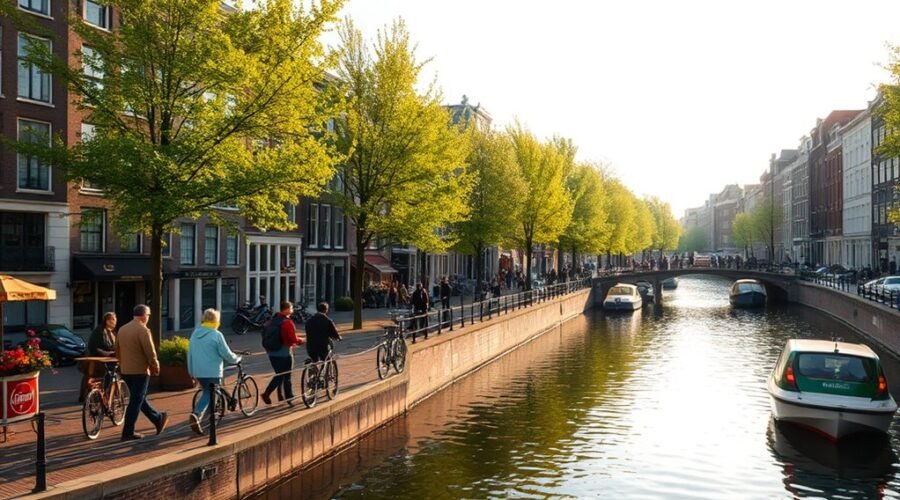
The best time to visit Amsterdam depends on whether you want tulips, comfortable weather, fewer tourists, or affordable hotels. April and May bring colorful flowers and major celebrations, while September offers a calmer city with pleasant temperatures. Choosing your dates carefully helps you enjoy Amsterdam’s canals, museums, and neighborhoods without unnecessary crowds or costs.
Quick Answer
The best time to visit Amsterdam is late April to May for tulips and spring celebrations, or September for comfortable weather and fewer crowds. June is excellent for long days and outdoor activities. January and February generally offer better hotel deals, while July and August are the busiest summer months.
Also compare: Anamur, Mersin.
Last checked: November 15, 2026. Dates and figures were verified against official sources.
Key Takeaways
- Keukenhof Gardens opens from March 18 to May 9, 2027, with outdoor tulip fields usually looking their best around mid-April to early May.
- King’s Day falls on April 27, 2027. Expect major street celebrations, busy canals, and high demand for accommodation.
- July and August are the warmest months, with average daytime highs around 22°C, but summer is also a popular travel period.
- October has autumn charm, although Amsterdam Dance Event from October 20 to 24, 2027, creates a busy booking period.
- Amsterdam’s top museums operate year-round, making winter a practical choice for travelers who prefer indoor attractions.
Amsterdam Weather by Season
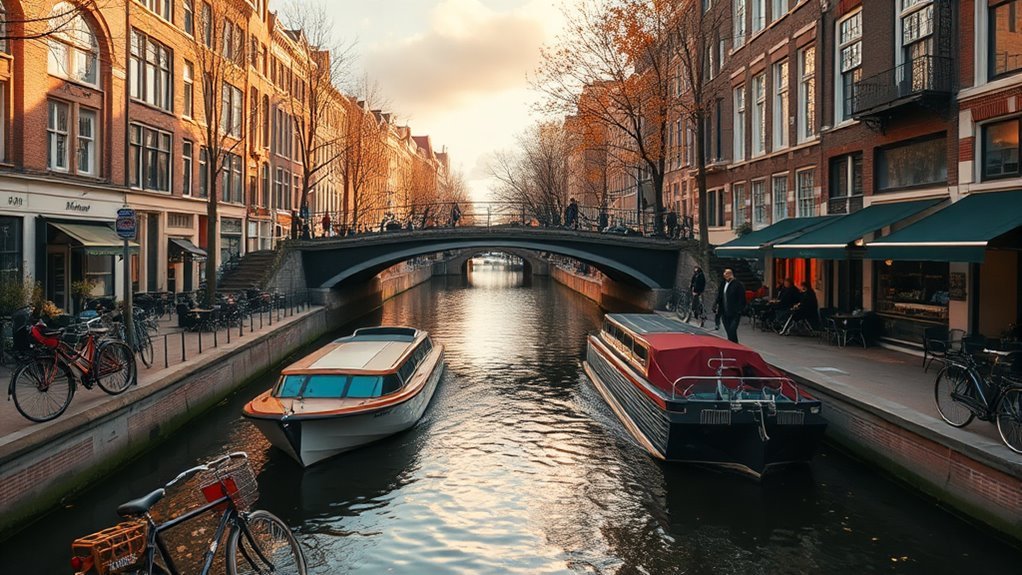
Amsterdam has a mild maritime climate, with cool winters, moderately warm summers, and rain throughout the year. Spring and early autumn usually provide the most comfortable conditions for sightseeing.
The following temperatures come from the Royal Netherlands Meteorological Institute (KNMI) Schiphol climate normals for 1991–2020. Schiphol is a useful reference station near Amsterdam. These are long-term averages, not forecasts for 2027.
Amsterdam Weather and Crowds by Month
| Month | Average High / Low | Typical Crowds | Travel Highlights |
|---|---|---|---|
| January | 6.2°C / 1.2°C | Low after New Year | Museums and winter light displays |
| February | 6.9°C / 1.0°C | Low to moderate | Indoor culture and budget-friendly stays |
| March | 10.1°C / 2.8°C | Moderate, rising late | Early spring flowers and Keukenhof opening |
| April | 14.3°C / 5.2°C | High during flower season | Tulip fields, Flower Parade, King’s Day |
| May | 17.8°C / 8.6°C | High early, moderate later | Late tulips, Liberation Day, outdoor cafés |
| June | 20.3°C / 11.3°C | Moderate to high | Holland Festival and long summer evenings |
| July | 22.5°C / 13.5°C | High | Canal cruises, parks, outdoor festivals |
| August | 22.4°C / 13.4°C | High | Pride Canal Parade and summer events |
| September | 19.2°C / 11.0°C | Moderate | Canal walks, cycling, autumn culture |
| October | 14.7°C / 7.7°C | Moderate; high during ADE | Autumn colors and Amsterdam Dance Event |
| November | 10.0°C / 4.5°C | Generally low | Museums, local cafés, seasonal events |
| December | 6.9°C / 1.9°C | Moderate; high around holidays | Festive markets and winter celebrations |
Spring (March–May): Daytime temperatures rise from about 10°C to 18°C. March can still feel cold, especially near the canals. April brings spring flowers, while May offers longer, brighter days. Pack a light waterproof jacket and layers.
Summer (June–August): Average daytime highs reach about 20°C to 23°C. Long daylight hours make cycling, canal cruises, and outdoor dining especially appealing. Warm spells can occur, but rain remains possible.
Autumn (September–November): Average highs fall from about 19°C in September to 10°C in November. September often feels pleasant for walking. October brings colorful trees, while November becomes cooler, wetter, and quieter.
Winter (December–February): Average daytime highs are around 6°C to 7°C. Expect cold winds, grey skies, and occasional frost or snow. Bring a warm coat, waterproof footwear, gloves, and layers for evening walks.
No season guarantees dry weather. For sightseeing, the combination of daylight, temperatures, and manageable crowds matters more than choosing the warmest month alone.
The Best Time to Visit Amsterdam: Our Verdict Upfront
Late April through May is the best period for travelers who want Amsterdam’s famous spring atmosphere. You can enjoy blooming flowers, cultural celebrations, and longer days without the strongest summer heat.
However, September is the better overall choice if your priorities are comfortable sightseeing and avoiding the busiest holiday periods. June is another strong option if you prefer warm weather and extended daylight.
April brings the city’s biggest spring celebration. According to the official King’s Day event calendar, the festival takes place on Tuesday, April 27, 2027.
Amsterdam transforms into an enormous outdoor celebration. Orange clothing, street markets, live music, and packed canal boats create a lively atmosphere across the city.
Most street celebrations and public flea markets are free to experience, although organized parties and some boat events require paid tickets.
May continues the festive mood. Liberation Day takes place on May 5, 2027, and the free Concert on the Amstel is scheduled that evening. The Holland Festival follows in June, with performances scheduled from June 3 to 27, 2027.
For a quieter spring trip, consider the second half of May. Much of the early-May holiday activity has passed, although the main tulip-field season is also coming to an end.
Choose your travel window based on your main goal:
- For tulips: Mid-April to early May.
- For festivals: Late April, June, August, or October.
- For sightseeing with fewer crowds: September or early October outside major events.
- For long summer evenings: June through August.
- For lower accommodation costs: January, February, or quieter November dates.
When Are the Crowds at Their Worst in Amsterdam?
Amsterdam experiences its heaviest tourist pressure during spring flower season, major festivals, summer vacations, and certain holiday weekends. The busiest dates can affect hotel availability, museum reservations, restaurants, and transport around the city center.
The most important periods to watch are:
- July and August: Summer vacations bring families and international tourists. Canal boats, Museumplein, and the Jordaan neighborhood become especially busy.
- King’s Day, April 27, 2027: The city fills with street celebrations, flea markets, music, and boat parties. Travel around the center can become difficult.
- Easter, March 28–29, 2027: This spring holiday weekend can increase hotel demand and visitor numbers.
- Tulip season: Mid-April through early May attracts large numbers of visitors to Keukenhof and the Bollenstreek flower fields.
- Pride Canal Parade, August 7, 2027: Large crowds gather along the parade route and nearby canals.
- Amsterdam Dance Event, October 20–24, 2027: Music fans and industry visitors create additional demand for central accommodation.
- Christmas and New Year’s: Festive attractions and celebrations bring visitors back, even during the colder months.
Dutch school holidays also affect demand. The government’s 2026–2027 school holiday schedule lists the national May vacation from April 24 to May 2, 2027. Regional summer holidays begin from July 10 and continue into late August or early September.
That makes the final week of April particularly busy because flower season, school holidays, and King’s Day overlap.
How to Avoid Long Waits at Amsterdam’s Main Attractions
The best way to manage peak crowds is to secure timed-entry museum tickets before your trip. Booking rules matter more than simply arriving early.
The Anne Frank House ticket system releases tickets every Tuesday at 10:00 AM Amsterdam time for visits six weeks later. Tickets must be purchased online, and there is no waiting list when dates sell out.
The Rijksmuseum also requires a reserved start time for most visitors, including Museum Card holders. A limited number of tickets may be available at the entrance, but advance booking gives you more choice.
Pro Tip: If your visit falls during a major event, reserve your key museum time slots first. Then build your flexible activities, such as canal walks, neighborhood markets, and cafés, around those reservations.
For a calmer experience, explore quieter neighborhoods outside the busiest central streets. Amsterdam Noord, De Plantage, and residential parts of the city can offer a welcome change from the main tourist areas.
The Cheapest Times to Book Amsterdam Accommodation
The cheapest times to stay in Amsterdam are generally January, February, and quieter periods in November. Hotel demand is lower during colder months, so travelers often find more affordable rooms than during tulip season or peak summer.
Winter discounts can sometimes reach 30–50% below peak-season prices, although the actual difference depends on the hotel, dates, location, and availability. These percentages are not guaranteed citywide savings.
Budget-Friendly Booking Windows
Booking early is especially useful when your trip overlaps with Amsterdam’s biggest events. During quieter winter months, more flexible booking strategies may work better.
Use these practical booking windows:
- Spring and summer: Start comparing accommodation about 6–8 weeks ahead, or earlier if you need a specific location or room type.
- King’s Day and Amsterdam Dance Event: Consider booking at least three months ahead because demand increases around these events.
- January and February: Compare several dates, including stays shortly after the New Year holiday period.
- November through February: Last-minute offers may appear 3–5 days before arrival when properties still have unsold rooms.
- Midweek stays: Tuesday through Thursday nights may be less expensive than weekends. Differences of 20–30% can occur on individual bookings, but not consistently across every property.
- Flexible travel dates: Compare the total stay cost across several nearby arrival and departure dates.
Remember that hotel prices change daily. Event dates, conventions, holidays, and individual hotel occupancy can affect the final rate more than the month alone.
Off-Peak Accommodation Deals
Amsterdam’s lower-demand accommodation period generally runs from November through February, excluding major festive dates. During this time, hotels, hostels, guesthouses, and apartments may offer attractive rates to fill available rooms.
For example, a room advertised at €150 per night during summer might occasionally appear for €60 or less in winter. That is an illustrative comparison rather than a typical or guaranteed hotel price.
Staying outside the historic canal center can also reduce costs. Look at areas with convenient public transport rather than paying extra simply to be within walking distance of Dam Square.
Before confirming a reservation, compare:
- The total price, including applicable taxes and fees.
- Cancellation rules and whether the booking is refundable.
- Breakfast charges and other optional extras.
- Distance from public transport and your main attractions.
- Rates on the hotel’s official website and major booking platforms.
Direct booking can sometimes provide better flexibility or special offers, although third-party platforms may occasionally have lower prices.
For travelers who want affordable accommodation without winter’s shortest days, early November and parts of March are worth considering.
Best Time to See the Amsterdam Tulip Fields in Bloom
The best time to see tulip fields near Amsterdam is usually mid-April to early May. Exact flowering dates change with spring temperatures, so a particular week cannot guarantee peak blooms.
Most of the famous tulip fields are outside Amsterdam, particularly in the Bollenstreek flower-growing region near Lisse. Keukenhof Gardens offers the most organized flower-viewing experience, while nearby agricultural fields provide broader countryside scenery.
The garden and its surrounding fields are different experiences. Keukenhof grows carefully planned displays, but commercial tulip fields may be harvested as the season progresses.
Peak Tulip Bloom Season
For 2027, Keukenhof Gardens is officially scheduled to open from March 18 to May 9. The park opens daily from 8:00 AM to 7:00 PM during this period, with the entrance closing at 6:15 PM.
According to the official Keukenhof visitor information, blooming follows natural weather conditions. Early flowers include crocuses, daffodils, and hyacinths, followed by different tulip varieties as spring progresses.
Keukenhof covers approximately 32 hectares and plants around seven million flower bulbs each year. Its carefully timed displays make it a dependable destination throughout the opening season.
Important tulip-season highlights include:
- March 18, 2027: Keukenhof opens for the spring season.
- Early April: Early and mid-season tulips become more prominent, depending on temperatures.
- Mid-April to early May: The outdoor fields generally offer their strongest displays, although peak timing varies by year.
- April 17, 2027: The Bloemencorso Bollenstreek Flower Parade travels through the flower-growing region.
- May 9, 2027: Keukenhof’s scheduled final opening day.
The official 2027 Flower Parade program also includes float decoration activities on April 14–16 and an illuminated parade on April 16. The main parade on April 17 follows a 42-kilometer route through the Bollenstreek region.
For photography, the weeks around mid-April are a sensible starting point. However, there is no fixed peak date such as April 20 that applies every year.
Keukenhof is generally quieter before 10:30 AM or after 4:00 PM. Mondays through Wednesdays also tend to attract fewer visitors than the busiest weekend periods.
Top Tulip Field Locations
Several major flower-growing destinations are accessible from Amsterdam. Your best choice depends on whether you prefer landscaped gardens, countryside cycling, photography, or exploring working flower farms.
| Location | Highlight | Local Tips |
|---|---|---|
| Keukenhof Gardens | Around 7 million flower bulbs planted annually | Arrive early and reserve your entry time |
| Noordoostpolder | Vast commercial tulip fields | Plan a longer excursion and rent a bike locally |
| Bollenstreek Route | Scenic cycling routes through flower country | Choose a weekday for quieter roads and paths |
| Flevoland Fields | Flower farms and seasonal driving routes | Follow designated routes and respect private fields |
| Haarlem Markets | Flower market culture and historic streets | Combine a market visit with spring flower events |
Keukenhof and Bollenstreek: These are the most convenient choices for a first tulip-focused trip. Keukenhof is in Lisse, about 40 minutes south of Amsterdam by some direct shuttle services. Allow extra time for transfers and busy roads.
Noordoostpolder and Flevoland: These areas offer extensive flower fields but require more travel. The regional tourism authority publishes seasonal Flevoland tulip routes for cycling and driving. As of November 2026, its 2027 route details have not yet been finalized.
Haarlem: This historic city offers markets, architecture, and a connection to the Flower Parade. The parade floats reach Haarlem on Saturday, with a display continuing on Sunday.
Warning: Tulip fields are working agricultural properties, not public gardens. Do not enter planted fields, walk between flower rows, or pick flowers without the grower’s permission. Use public paths and designated photo areas instead.
For an independent visit, cycling through the Bollenstreek countryside lets you stop at viewpoints along the route. A guided tour can be easier if you prefer organized transport and a fixed schedule.
Amsterdam Month-by-Month: What Each Season Delivers
Amsterdam changes significantly throughout the year. Spring brings flowers, summer encourages outdoor exploration, autumn offers rich cultural experiences, and winter highlights the city’s museums and evening atmosphere.
Every month reveals a different Amsterdam. Choose the one that matches your travel priorities.
The monthly weather table above provides the temperature averages. The following seasonal guide explains which activities and events make each period worthwhile.
Spring in Amsterdam: March, April, and May
Spring is ideal if you want flowers, local celebrations, and a lively atmosphere. March starts quietly, but visitor numbers rise as the flower season begins.
March: Early flowers appear, and Keukenhof begins welcoming visitors. Good Friday falls on March 26, 2027, followed by Easter Sunday and Monday on March 28–29.
April: Tulips become the main attraction. The Flower Parade on April 17 and King’s Day on April 27 bring major celebrations.
May: Early May still offers spring flowers, while Liberation Day on May 5 adds cultural events. Later in the month, Amsterdam becomes a more relaxed destination for walking, cafés, and sightseeing.
Spring offers a useful mix of free experiences and paid attractions. King’s Day street markets are free to explore, while Keukenhof requires an entrance ticket.
Best for: Flower lovers, photographers, festival visitors, and first-time travelers who enjoy an energetic city.
Summer in Amsterdam: June, July, and August
Summer offers Amsterdam’s warmest weather and longest days. Parks, canal cruises, outdoor dining, and street activities become central parts of the experience.
June: Daytime temperatures average around 20°C. The Holland Festival brings performing arts, music, and theater. June is a good choice if you want a summer atmosphere before the main school-vacation period.
July: Summer holiday demand increases. Cycling routes, outdoor markets, canal-side terraces, and Vondelpark become popular places to spend long afternoons.
August: Pride celebrations create another major festival period. The official Pride Amsterdam Canal Parade is scheduled for Saturday, August 7, 2027, from noon to 6:00 PM.
The parade follows a canal route through central Amsterdam, including the Amstel and Prinsengracht. Spectators gather along the waterways, so surrounding streets become especially busy.
Summer also offers free activities. You can stroll through Vondelpark, explore local markets, and ride the free ferries across the IJ River to Amsterdam Noord.
Popular paid experiences include canal cruises, museums, and organized festival events.
Best for: Families, outdoor enthusiasts, festival visitors, and travelers who prefer warmer weather.
Autumn in Amsterdam: September, October, and November
Autumn is one of the strongest alternatives to peak summer travel. September remains mild, while October brings colorful foliage and a busy cultural calendar.
September: Average daytime highs are about 19°C. This makes the month particularly comfortable for walking along canals, exploring local neighborhoods, and cycling without midsummer heat.
October: Temperatures fall, but the city remains active. According to the official Amsterdam Dance Event announcement, ADE runs from October 20 through October 24, 2027.
Music fans may consider this a highlight. Travelers seeking quiet hotel stays may prefer different October dates.
November: Cooler temperatures and shorter days make indoor attractions appealing. You can explore museums, historic cafés, food markets, and local cuisine with less tourist pressure than in the busiest seasons.
Walking through tree-lined canal neighborhoods is free, while museum exhibitions and many music events require tickets.
Best for: Couples, museum visitors, photographers, and travelers who value a calmer city atmosphere.
Winter in Amsterdam: December, January, and February
Winter gives Amsterdam a quieter, more intimate atmosphere, particularly after the major December and New Year celebrations. The colder weather encourages museum visits, cozy cafés, and evening walks.
December: Festive lights, seasonal markets, and holiday activities make the city attractive despite short days. Accommodation can become more expensive around Christmas and New Year’s Eve.
January: After the holiday period, Amsterdam generally becomes less crowded. Museums and indoor cultural attractions offer dependable activities when outdoor weather is poor.
February: Winter conditions continue, but daylight gradually increases. This is another useful month for travelers who prioritize accommodation value and sightseeing without major crowds.
The 15th edition of the Amsterdam Light Festival runs from November 26, 2026, through January 17, 2027.
During that edition, the artworks are illuminated daily from 4:30 PM until 11:00 PM, except on December 31, when the lights close at 9:00 PM.
Visitors can view the installations while walking through the city. The festival also offers organized cruises and a 4.5-kilometer walking route supported by its app.
The dates for the following winter’s edition were not confirmed at the time of this review.
Best for: Budget travelers, museum enthusiasts, couples, and visitors who enjoy winter city breaks.
Which Amsterdam Season Should You Choose?
If you’re still deciding, match your travel dates to the experience you value most.
- Choose spring if tulips and local celebrations are your main reasons for visiting.
- Choose summer if long days, warmer weather, and outdoor activities matter most.
- Choose autumn if you want comfortable sightseeing, cultural events, and fewer summer tourists.
- Choose winter if your priorities are museums, festive atmosphere, and potentially lower accommodation costs.
For a balanced first visit, September is a particularly practical choice. If the tulip fields are your dream experience, however, April is worth the added crowds.
Frequently Asked Questions
Are There Any Major Festivals or Events Unique to Amsterdam?
Yes. Amsterdam hosts King’s Day on April 27, with orange-themed street parties, markets, and canal celebrations. The Pride Canal Parade is another major highlight, featuring decorated boats traveling through the historic waterways. Amsterdam Dance Event and the Amsterdam Light Festival also attract visitors throughout the year.
What Language Do Amsterdam Locals Speak, and Is English Widely Understood?
Dutch is the official language spoken in Amsterdam, but English is widely understood. Most visitors can communicate comfortably in hotels, restaurants, museums, and tourist attractions. Learning a few Dutch greetings is appreciated, although you generally won’t need a translation app for everyday travel.
How Many Days Should I Plan for a Trip to Amsterdam?
Plan 3–5 days for a comfortable first trip to Amsterdam. Three days allow you to visit major museums, enjoy the canals, and explore central neighborhoods. Five days give you more time for local food, relaxed sightseeing, and a day trip to Keukenhof, Haarlem, or the surrounding countryside.
Do Amsterdam Attractions Require Advance Booking Regardless of the Season?
Some Amsterdam attractions require advance booking throughout the year. The Anne Frank House sells timed tickets online, released six weeks ahead. The Rijksmuseum requires most visitors to reserve a start time. Popular museums and seasonal attractions can sell out during busy periods, so early reservations are sensible.
Is Amsterdam a Family-Friendly Destination for Travelers With Young Children?
Yes. Amsterdam offers family-friendly attractions, including ARTIS Zoo, NEMO Science Museum, parks, and canal activities. Many hotels and apartments accommodate families. Spring and early summer are particularly convenient for outdoor activities, although busy cycling lanes and crowded streets require extra care with young children.
Does It Snow in Amsterdam During Winter?
Yes, Amsterdam occasionally receives snow during winter, but lasting snow cover is not guaranteed. December, January, and February are usually cold and damp, with temperatures often above freezing during the day. Plan for rain and wind rather than expecting frozen canals or snowy streets.
Is April or May Better for Visiting Amsterdam?
April is generally better for seeing tulip fields and experiencing King’s Day. May offers warmer weather and longer days, although the outdoor tulip season ends in early May. Choose April for flowers and celebrations, or later May for more comfortable sightseeing with fewer major spring events.
Conclusion
The best time to visit Amsterdam depends on what you want most from your trip. Choose April for tulips and King’s Day, May or June for spring and early-summer sightseeing, September for pleasant weather with fewer crowds, or January and February for potentially better hotel deals.
Once you’ve chosen your travel dates, secure your accommodation and essential attraction tickets. Then leave room in your schedule to explore Amsterdam’s canals, neighborhoods, and local culture at your own pace.
Sources
- Royal Netherlands Meteorological Institute (KNMI): Schiphol monthly temperature averages and 1991–2020 climate normals.
- I amsterdam: King’s Day: Official 2027 King’s Day date and event information.
- Government of the Netherlands: School Holidays: National and regional school vacation dates for 2026–2027.
- Anne Frank House: Official ticket release schedule, advance booking, and timed admission.
- Rijksmuseum: Official museum admission and reserved start-time requirements.
- Keukenhof: Official 2027 opening season, visitor hours, and flower-bloom guidance.
- Bloemencorso Bollenstreek: Official 2027 Flower Parade program and dates.
- Visit Flevoland: Seasonal tulip-field driving and cycling routes.
- Pride Amsterdam: Official 2027 Canal Parade date, route, and schedule.
- Amsterdam Dance Event: Official announcement of the October 20–24, 2027 festival dates.
- Amsterdam Light Festival: Official 2026–2027 festival dates, lighting hours, and visitor information.