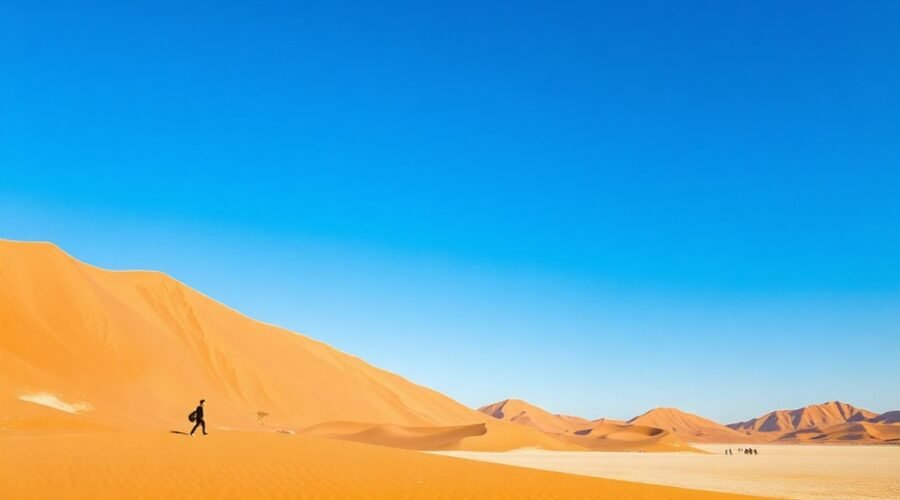
The best time to visit Namibia depends on whether you want incredible wildlife sightings, cooler desert hikes, or a quieter, more affordable adventure. The country changes dramatically between its dry winter and rainy summer seasons. Choose the right months, and you can explore Etosha’s waterholes, photograph Sossusvlei’s red dunes, and experience the Skeleton Coast in conditions that suit your plans.
Quick Answer
The best time to visit Namibia is May through October, during the dry season. June through September is especially good for wildlife safaris in Etosha, while May through August offers comfortable conditions for exploring Sossusvlei. November through April suits travelers seeking greener scenery, dramatic storms, migratory birds, and potentially lower accommodation prices.
Also compare: Lisburn.
Last checked: November 15, 2026. Key dates and figures were verified against official sources.
Key Takeaways
- July through September generally delivers the strongest wildlife viewing as animals gather around Etosha’s permanent waterholes.
- Sossusvlei is easier to explore during cooler months, but early morning visits remain important throughout the year.
- The Atlantic coast stays comparatively cool, with fog possible even during the dry season.
- May and November can offer better accommodation choices, although December remains busy in some coastal destinations.
- Park entrance fees and accommodation rates are separate expenses, and not every lodge offers rainy-season discounts.
Namibia’s Climate: What Every Season Actually Delivers
Namibia has two broad travel seasons: a dry season from May to October and a rainy season from November to April. However, its weather varies sharply between the Atlantic coast, central plateau, and northern wildlife areas.
According to the Namibia Tourism Board’s climate information, average summer daytime temperatures range from about 20°C to 35°C across the country. Some inland desert areas can exceed 40°C.
Winter daytime temperatures are generally more comfortable, averaging around 18°C to 22°C in many areas. Nights can become freezing, especially in elevated inland regions.
The Atlantic coast behaves differently. The cold Benguela Current keeps places such as Swakopmund and Walvis Bay relatively cool. Coastal fog is common throughout the year.
Namibia Weather and Travel Conditions Month by Month
The following table combines seasonal travel conditions with historical climate averages for Windhoek, Namibia’s capital. These figures help you compare months, but they do not represent temperatures at Etosha, Sossusvlei, or the coast.
Temperature and rainfall figures come from the World Meteorological Organization’s Windhoek climate normals, supplied by the Namibia Meteorological Service. The available normals cover 1961–1990 and describe historical averages rather than current forecasts.
| Month | Average High | Average Rainfall | Travel Conditions |
|---|---|---|---|
| January | 30.3°C | 85.6 mm | Hot, rainy, green landscapes; popular coastal holiday period |
| February | 28.7°C | 91.4 mm | Rainy season, birdwatching, lush northern scenery |
| March | 27.4°C | 69.6 mm | Green plains, thunderstorms, dispersed wildlife |
| April | 25.8°C | 35.1 mm | Rains ease, comfortable sightseeing, greener desert edges |
| May | 23.4°C | 5.9 mm | Dry conditions begin, mild hiking weather |
| June | 20.7°C | 1.5 mm | Cool mornings, reliable dry-season sightseeing |
| July | 21.2°C | 0.1 mm | Excellent safari conditions, cold nights, busy lodges |
| August | 23.8°C | 1.1 mm | Prime waterhole viewing, popular safari month |
| September | 27.5°C | 4.4 mm | Excellent wildlife viewing, rising temperatures |
| October | 29.3°C | 13.1 mm | Hot, dry wildlife areas until seasonal rains arrive |
| November | 30.2°C | 29.3 mm | Early rains, dramatic skies, changing wildlife patterns |
| December | 31.4°C | 30.7 mm | Summer holidays, greener scenery, busy coastal destinations |
Windhoek’s averages show why June and July feel comfortable during the day but chilly after sunset. In contrast, October through January brings much warmer afternoons.
These patterns matter when planning long drives, hikes, and safari activities. Rainfall also changes considerably from year to year.
Dry Season: May Through October
The dry season offers Namibia’s most reliable conditions for wildlife viewing and self-drive travel. Rainfall becomes scarce across much of the interior, and vegetation gradually thins.
Animals increasingly depend on permanent waterholes, especially toward the end of the season. This makes it easier to find elephants, antelopes, and predators.
May and June often retain some greenery from the previous rains. By August and September, many inland landscapes become much drier and dustier.
Expect clear skies, pleasant daytime weather, and cold nights during winter. From September onward, temperatures rise noticeably.
Rainy Season: November Through April
Namibia’s rainy season brings warmer weather, changing landscapes, and short but sometimes intense thunderstorms. Rainfall is most significant in northern and northeastern regions.
After good rains, dry plains become green, seasonal rivers flow, and wildlife spreads across a wider area. You may also see newborn antelopes and migrating birds.
However, fewer animals gather at permanent waterholes because natural water becomes more widely available.
Some remote roads and river crossings become difficult after heavy rain. The Namib Desert and Atlantic coast usually receive far less rainfall than northern Namibia.
The Best Time to Visit Namibia for Wildlife
The best time to visit Namibia for wildlife is generally June through September, with excellent sightings often continuing into October. During these months, animals gather around dependable water sources, making Etosha National Park particularly rewarding.
Etosha is famous for elephants, lions, giraffes, zebras, springbok, wildebeest, cheetahs, and both black and white rhinos.
As the dry season progresses, grass becomes shorter and waterholes attract increasing numbers of animals. This improves your chances of watching wildlife without dense vegetation blocking your view.
The park’s salt pan provides a striking backdrop, while permanent waterholes offer some of the most memorable viewing opportunities.
Best Months for Etosha National Park
July, August, and September are especially strong months for wildlife viewing in Etosha.
- May–June: Cooler conditions, fewer extreme temperatures, and improving wildlife visibility.
- July–August: Dry landscapes and strong concentrations of animals around waterholes.
- September–October: Excellent waterhole activity, although daytime temperatures can become uncomfortable.
- November–April: Greener scenery, migratory birds, newborn wildlife, and more widely dispersed animals.
Okaukuejo is particularly popular because of its floodlit waterhole. Visitors may observe animals gathering there during the day and at night.
For photographers, this can provide opportunities to capture elephants, rhinos, and other wildlife without spending every hour driving between waterholes.
Is the Rainy Season Good for Wildlife?
The rainy season can still deliver excellent wildlife experiences, but sightings become less predictable. Animals move away from permanent waterholes when temporary pools and fresh vegetation become available.
This is a rewarding period for birdwatchers. Migratory species arrive, breeding activity increases, and seasonal water can attract flamingos to the Etosha Pan when conditions are suitable.
Flamingo gatherings depend on rainfall and water levels, so they are not guaranteed every year.
Photographers may also prefer the green season for storm clouds, softer landscapes, and young animals.
For the most reliable big-game viewing, however, the late dry season remains the stronger choice.
When to Visit Sossusvlei and the Dunes
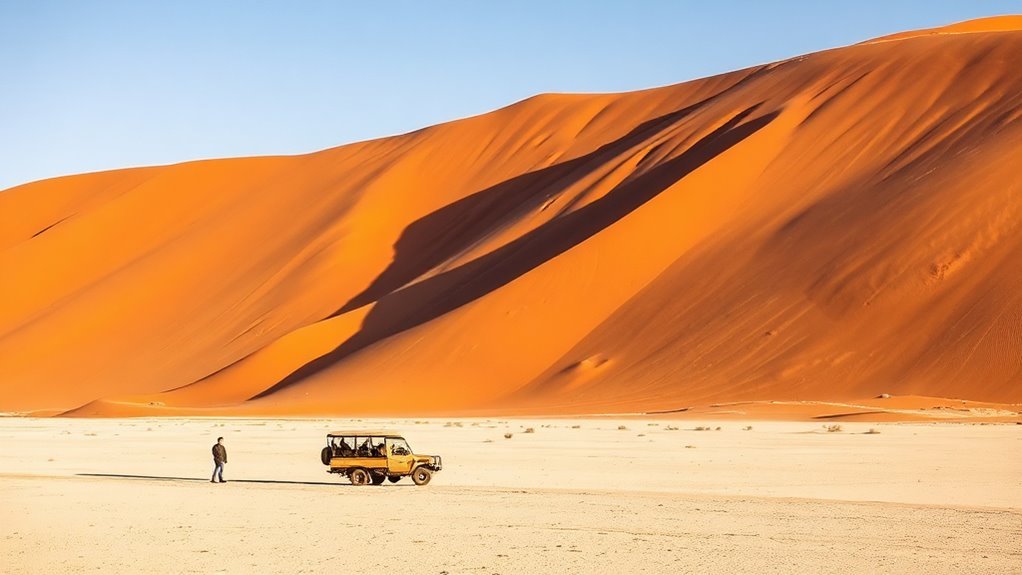
The best time to explore Sossusvlei is May through October, when cooler conditions make walking on its enormous red dunes more comfortable. This period also offers clear skies and dramatic morning light.
Sossusvlei lies inside Namib-Naukluft National Park and is famous for Dune 45, Big Daddy, and Deadvlei.
The contrast between orange dunes, pale clay pans, and deep blue skies makes this one of Namibia’s most recognizable landscapes.
Although the desert receives little rain, temperature differences between seasons can strongly affect your experience.
Peak Dune Viewing Seasons
May through August offers some of the most comfortable conditions for climbing and photographing Sossusvlei’s dunes.
During the cooler months, morning temperatures are generally better suited to longer walks. This is particularly valuable if you plan to climb Big Daddy or explore Deadvlei.
The most appealing photography conditions often occur shortly after sunrise or before sunset, when the low sun creates strong shadows across the sand.
Dune 45 is popular for sunrise photography because its steep ridges produce dramatic changes in light and shadow.
Deadvlei is equally striking, with dark dead trees standing against pale clay and towering red dunes.
The clay pan is usually dry, but rare heavy rainfall can temporarily change conditions. You should not assume that any particular surface will always remain firm.
Avoiding Extreme Desert Heat
Extreme desert heat is the main reason to avoid strenuous dune climbing during summer afternoons. Temperatures in Namibia’s hottest desert areas can exceed 40°C (104°F).
Between November and March, schedule demanding walks for early morning. This gives you more comfortable conditions and better photographic light.
Carry enough drinking water, wear sun protection, and allow extra time for walking through deep sand.
Warning: Heat exhaustion and dehydration are serious risks when climbing dunes in summer. Avoid demanding walks during the hottest hours, carry sufficient water, and turn back if you feel dizzy, weak, or overheated. Remote desert areas may have limited access to medical assistance.
April through October generally gives you more flexibility for daytime exploration. Even then, strong sunlight and long walks across sand can become tiring.
Evening desert experiences are another attractive option. Guided stargazing, sunset walks, and sundowner activities let you enjoy the landscape without climbing dunes during peak heat.
Getting to Deadvlei and Sossusvlei
Sesriem is the main gateway to Sossusvlei, with the dunes about 60 km from the campsite area.
Access to the final sandy sections requires suitable transport. Travelers without an appropriate 4WD vehicle can use an authorized shuttle service.
Namibia Wildlife Resorts announced that its Deadvlei shuttle departure point changed in October 2024. The NWR-operated shuttle now departs from Sesriem Campsite rather than the former 2×4 parking area.
Its published Sesriem Campsite rates list the shuttle at N$180 per person for November 2026 through October 2027.
Pro Tip: If sunrise photography is your main goal, plan your accommodation and park access together. Staying near or inside Sesriem can reduce early morning travel time, while your transport choice determines how easily you reach the dunes.
When to Visit the Skeleton Coast and Damaraland
May through October is generally a good period for exploring the Skeleton Coast and Damaraland, especially if your plans include remote driving, desert landscapes, and wildlife tracking.
However, the regions have very different climates. The Skeleton Coast is influenced by the cold Atlantic Ocean, while inland Damaraland becomes much hotter.
Coastal fog can occur throughout the year. It often creates atmospheric photographs but may reduce visibility along exposed routes.
| Month | Skeleton Coast | Damaraland Landscapes |
|---|---|---|
| May–June | Cool coastal air, fog possible, suitable for scenic travel | Cooler conditions, improving access to dry trails and cultural sites |
| July–August | Dramatic coastal scenery, cool weather, changing visibility | Good conditions for desert exploration and guided wildlife tracking |
| September–October | Generally cool compared with inland areas; fog remains possible | Dry and dusty routes, strong wildlife-tracking opportunities, rising heat |
| November–December | Coastal temperatures remain moderate; fog and wind vary | Hotter days, possible early rains, changing road conditions |
| January–April | Coastal desert remains relatively dry; fog and rough seas are possible | Greener scenery after rain, but wildlife becomes more dispersed and river crossings may be difficult |
Skeleton Coast: Fog, Shipwrecks, and Remote Scenery
The Skeleton Coast is known for shipwrecks, coastal fog, empty beaches, and landscapes shaped by wind and the Atlantic Ocean.
Unlike inland Namibia, its temperatures remain comparatively moderate throughout the year.
May through October is a useful choice if you are combining the coast with a wider dry-season itinerary. However, clear skies are never guaranteed along the shoreline.
Some areas of Skeleton Coast National Park are remote or subject to access restrictions. Organized tours may be necessary for more isolated sections.
Cape Cross, farther south along the coast, is another wildlife attraction known for its large Cape fur seal colony.
Damaraland: Desert Elephants and Cultural Sites
Damaraland is particularly appealing during the dry season because riverbeds and remote trails are generally easier to explore.
Desert-adapted elephants move through dry river systems such as the Ugab and Huab. Their movements depend on water, food, and local conditions.
During the dry season, guided tracking can improve your chances of finding them. Sightings are never guaranteed.
After substantial rainfall, elephants can disperse more widely, and some river crossings become difficult.
Damaraland also offers cultural and historical attractions. Twyfelfontein, also known as /Ui-//aes, contains one of Africa’s important concentrations of ancient rock engravings.
You can combine a visit to the rock art site with guided desert experiences and community-based cultural activities.
When visiting Himba, San, or other local communities, choose respectful, community-supported experiences rather than assuming villages are tourist attractions.
Crowds, Availability, and What That Means for Your Trip
Namibia’s busiest safari period generally falls between July and October, particularly around Etosha and Sossusvlei. Popular lodges, campsites, and rental vehicles can become harder to secure during these months.
However, national tourist arrivals and safari lodge demand are not the same thing. A quieter wildlife season does not necessarily mean that every part of Namibia is empty.
Namibia’s 2024 Tourist Statistical Report recorded June and December as its highest-arrival months, accounting for 9.6% and 9.0% of annual tourist arrivals, respectively.
This helps explain why December may still feel busy in coastal towns, even though it falls within the rainy season.
When Are Namibia’s Popular Destinations Busiest?
- July–September: High demand for Etosha safaris, Sossusvlei accommodation, and popular self-drive routes.
- October: Strong late-dry-season wildlife interest, although temperatures rise.
- December–early January: Festive-season demand can increase around Swakopmund, Walvis Bay, and other coastal destinations.
- May and November: Potentially better availability at many lodges, depending on location and travel dates.
Local public holidays and long weekends can also influence bookings. Independence Day falls on March 21, Heroes’ Day on August 26, and Christmas Day on December 25.
The middle of the year attracts many overseas safari visitors. Meanwhile, Namibia’s summer holiday season brings domestic travel to popular coastal destinations.
How Far Ahead Should You Book?
For July through September safaris, reserving popular accommodation well in advance is sensible. This matters most if you want specific camps or waterhole-facing rooms.
Travelers with flexible dates may find more options in May or November.
During the rainy season, you may have greater flexibility in some inland areas. However, avoid assuming every campsite is open or every road is accessible after heavy rain.
The best strategy is to secure essential accommodation first, then build your driving route around realistic travel distances.
What Does Visiting Namibia Cost by Season?
Namibia generally costs more during the popular dry-season safari months, especially when demand for accommodation rises. However, prices depend on the property, room type, location, and travel dates.
Not every lodge follows the same seasonal pricing schedule.
For example, Namibia Wildlife Resorts publishes different seasonal rates for some Etosha properties, while certain Sesriem campsite prices remain unchanged across published periods.
Verified Namibia Accommodation and Park Costs
The following examples show published charges in Namibian dollars (N$). They are not a complete trip budget.
| Expense | Published Price | Applicable Period |
|---|---|---|
| Okaukuejo campsite, per person | N$560 peak; N$460 lower season | July–October 2026; November 2026–June 2027 |
| Okaukuejo double room A, per person sharing, bed and breakfast | N$2,380 peak; N$1,900 lower season | July–October 2026; November 2026–June 2027 |
| Sesriem campsite, per person | N$670 | November 2026–October 2027 |
| Park entry and conservation, adult foreign national outside SADC | N$280 | Effective April 1, 2026, at specified national parks |
| Vehicle entry, up to 10 seats | N$60 | Effective April 1, 2026, at specified national parks |
Accommodation examples come from the official Okaukuejo Resort rate schedule. The park charges come from Namibia’s April 2026 park entrance and conservation fee schedule.
The published park fees apply to destinations including Etosha and Namib-Naukluft, with visitor categories affecting the price. Accommodation, vehicle rental, fuel, meals, and activities are additional costs.
Which Season Offers the Best Value?
May and November often offer a useful balance between travel conditions and accommodation availability.
During the peak dry season, popular safari lodges may charge higher rates. Booking late can also limit your choice of rooms and vehicles.
Peak safari months may cost more, but the same high demand often reflects better wildlife-viewing conditions.
From November through April, some lodges and guesthouses reduce prices. However, discounts vary, and December coastal accommodation can remain expensive.
Independent travelers can control costs by choosing self-drive routes, camping, and simpler accommodation.
A 4WD rental may cost more than a standard vehicle, so match your vehicle to the roads you actually plan to use.
Also remember that remote driving adds fuel costs and travel time. A cheap room is not necessarily good value if reaching it requires an unnecessary detour.
Which Traveler Type Should Visit Namibia When?
Your ideal Namibia travel season depends on your priorities. Wildlife enthusiasts, photographers, adventure travelers, and cultural visitors may prefer different months.
The following recommendations can help you choose a period that suits your interests.
- Adventure seekers: May through October is generally best for dry-season 4×4 travel, hiking, desert exploration, and remote routes. Check individual trail access because conditions vary by location.
- Cultural enthusiasts: April or November can provide a quieter travel experience at some destinations. Himba and San community visits should be arranged respectfully with local guides or community-supported tourism providers. Cultural experiences are not limited to these months.
- Photographers: July through September suits dry-season wildlife photography, especially at Etosha’s waterholes. November through April offers dramatic clouds, greener landscapes, and opportunities to photograph young animals.
- Birdwatchers: November through April is generally rewarding because migratory birds arrive and wet-season conditions encourage breeding activity.
- Budget travelers: May, November, and selected rainy-season periods may provide lower accommodation costs. Avoid assuming the December holiday period will be inexpensive.
- First-time visitors: June through September is a strong choice for combining Etosha, Sossusvlei, Damaraland, and the coast with relatively dependable inland conditions.
What Should You Pack for Each Season?
During the dry season, bring layers for cold mornings and evenings, along with lightweight clothing for warmer afternoons.
Comfortable walking shoes, a sunhat, sunscreen, and a reusable water bottle are useful throughout the year.
Rainy-season travelers should add a lightweight rain jacket and protect important electronics from sudden storms.
For remote driving, carry drinking water, navigation tools that work without mobile reception, and suitable emergency supplies.
Planning a Self-Drive Trip
Namibia is a popular self-drive destination, but its distances can be greater than they appear on a map.
Many routes use gravel roads, where driving is slower than on paved highways. Remote areas may also lack reliable mobile reception.
Plan enough time between Etosha, Damaraland, the coast, and Sossusvlei. Avoid combining several long driving days without adequate rest.
For sandy tracks or difficult river crossings, a suitable 4WD vehicle and appropriate driving experience may be necessary.
Note: If your itinerary includes remote areas, obtain suitable travel insurance and consider medical evacuation coverage. Consult a travel-health professional before departure, especially if you will visit malaria-risk regions or spend extended periods far from medical facilities.
Frequently Asked Questions
Do I Need a Visa to Visit Namibia as a Tourist?
Namibia’s tourist visa requirements depend on your nationality. Since April 1, 2025, several nationalities previously allowed visa-free entry, including US and UK passport holders, have required visas. Eligible travelers may use visa-on-arrival or electronic visa options. The Namibia Tourism Board’s visa information also specifies passport validity and entry-document requirements.
What Vaccinations Are Recommended Before Traveling to Namibia?
Recommended vaccinations for Namibia include routine immunizations, hepatitis A, hepatitis B, and typhoid, depending on your circumstances. Yellow fever vaccination is not routinely recommended for Namibia itself, but proof may be required after travel through certain risk countries. Malaria prevention may also be necessary in northern regions. Review the CDC’s Namibia travel-health guidance with a healthcare professional.
Is Namibia Safe for Solo Female Travelers Visiting Alone?
Namibia can be a rewarding destination for solo female travelers, but normal travel precautions are essential. Choose secure accommodation, avoid isolated areas after dark, and use reputable transport providers. For self-drive trips, share your itinerary with someone you trust and avoid unnecessary night driving, especially on remote gravel roads.
What Currency Is Used in Namibia and Is Cash Necessary?
Namibia uses the Namibian dollar (NAD or N$), which is pegged at a one-to-one rate with the South African rand. South African rand notes are also accepted in Namibia. Cards are widely useful in towns, but carrying some cash is sensible for remote businesses, smaller purchases, and situations where electronic payments are unavailable.
How Many Days Should I Budget for a Namibia Trip?
Plan around 10–14 days for a Namibia trip that includes Etosha, Sossusvlei, and part of the Skeleton Coast or Damaraland. This gives you time for wildlife drives, desert walks, and coastal sightseeing. A longer itinerary is preferable if you want to explore more remote regions without rushing between destinations.
Is December a Good Time to Visit Namibia?
December can be a good time to visit Namibia if you enjoy summer weather, dramatic skies, and greener scenery. It is generally less reliable for concentrated wildlife sightings in Etosha because rain allows animals to spread out. Coastal holiday destinations can also become busy during the Christmas and New Year period.
Do I Need a 4WD Vehicle to Travel Around Namibia?
You do not need a 4WD vehicle for every Namibia itinerary. Many major destinations are accessible using paved roads and well-maintained gravel routes. However, 4WD is useful for remote tracks, deep sand, and challenging conditions. Sossusvlei visitors without suitable vehicles can use an authorized shuttle for access to Deadvlei.
Conclusion
The best time to visit Namibia is May through October if your priorities are wildlife viewing, desert exploration, and reliable dry-season travel. Choose July through September for excellent Etosha safaris, or May through August for cooler dune adventures.
If you prefer green landscapes, birdwatching, and greater flexibility, consider the rainy season. Match your travel dates to the places you most want to see, then arrange your accommodation, transport, and park visits around those priorities.
Sources
- Namibia Tourism Board — Climate: Seasonal weather patterns, temperature ranges, rainfall, and coastal conditions.
- World Meteorological Organization — Windhoek Climate Normals: Historical monthly temperature and rainfall averages for Windhoek, based on 1961–1990 observations.
- Namibia Wildlife Resorts — Sossusvlei Shuttle Update: Official change to the Deadvlei shuttle departure location.
- Namibia Wildlife Resorts — Sesriem Campsite: Published campsite and shuttle rates, accommodation, and Sossusvlei access information.
- Ministry of Environment, Forestry and Tourism — Tourist Statistical Report 2024: Monthly international visitor arrival patterns.
- Namibia Wildlife Resorts — Okaukuejo Resort: Etosha accommodation, wildlife-viewing facilities, and seasonal rates.
- Namibia Ministry of Environment, Forestry and Tourism — Park Entrance Fees: National park entrance and conservation charges effective April 2026.
- Namibia Tourism Board — Visa Information: Tourist entry requirements, passport validity, and visa categories.
- CDC — Namibia Traveler Health: Vaccinations, yellow fever requirements, and malaria prevention recommendations.