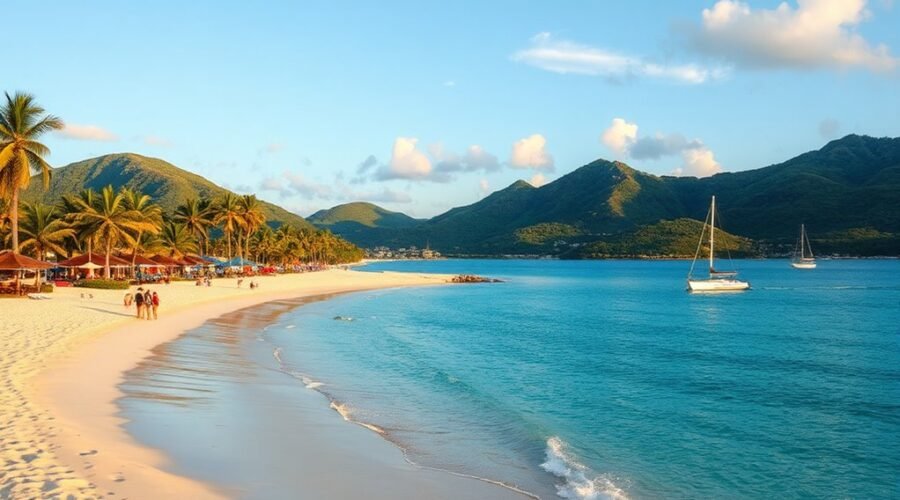
The best time to visit St. Martin depends on more than sunny skies. A February beachfront villa may cost far more than the same stay in a quieter month, and the atmosphere can feel completely different. On this French-Dutch Caribbean island, choosing the right dates means balancing weather, festivals, hurricane risks, and your travel budget.
Quick Answer
The best time to visit St. Martin is mid-December through April for drier weather, lively beaches, and major events. Choose late April or May for a better mix of warmth, smaller crowds, and hotel value. June through November is hurricane season, with the greatest Atlantic storm activity from mid-August to mid-October.
Also compare: Derinkuyu, Nevşehir.
Last checked: November 15, 2026. Climate figures, event dates, and entry rules were checked against official sources. Accommodation price ranges remain planning estimates.
Key Takeaways
- February and March offer pleasant beach weather, but accommodation demand is high.
- March 4–7, 2027, brings the St. Maarten Heineken Regatta, while Dutch-side Carnival runs from April 15 to May 3.
- May is a strong value month because the busiest winter travel period has ended.
- September and October are generally quieter and cheaper, but tropical storm disruption is a serious consideration.
- French Saint-Martin and Dutch Sint Maarten share an island but have different currencies and entry rules.
St. Martin’s Climate: Temperature, Rain, and What It Means for Your Trip
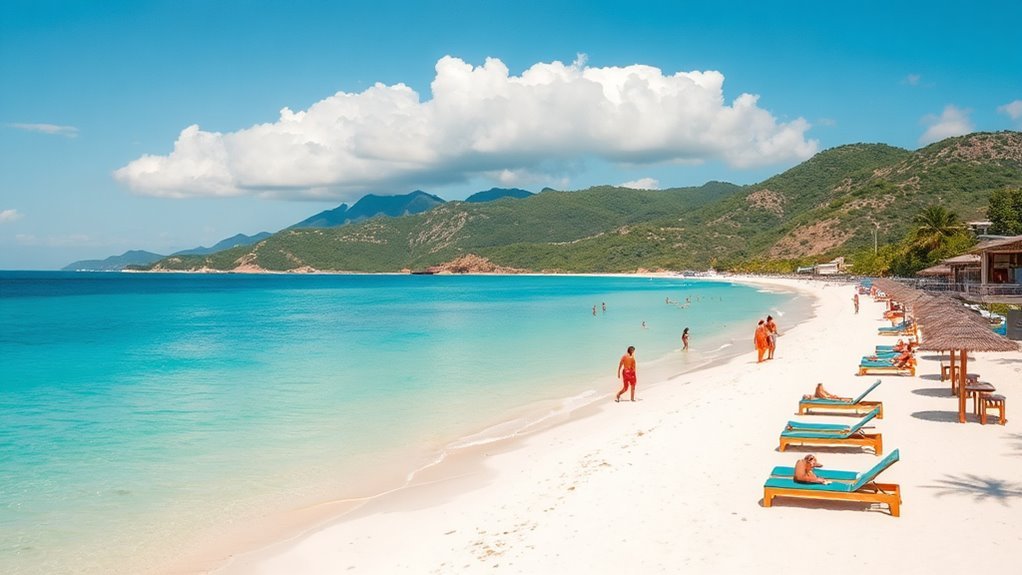
St. Martin has a warm tropical climate throughout the year. You can enjoy its beaches in any month, but rainfall, humidity, and tropical storm exposure change with the seasons.
According to the Meteorological Department of St. Maarten’s 2025 climatological report, the island’s 1991–2020 average annual temperature was 27.3°C (81°F). Normal maximum and minimum temperatures are around 32°C (90°F) and 23°C (73°F).
The report uses observations from Princess Juliana International Airport on the Dutch side. Weather can differ slightly between the airport, coastal beaches, and the island’s hills.
Dry Season: December Through April
The driest and most comfortable travel period generally runs from December through April. January to April is especially attractive for beach vacations, sailing, and outdoor sightseeing.
During these months, you’ll usually experience:
- Warm days with lower humidity than in late summer.
- Cooling northeast trade winds.
- More reliable opportunities for outdoor activities.
- Occasional showers that usually pass without ruining an entire day.
March and April are among the sunniest months. The meteorological department identifies March as the driest month in its long-term climate record.
However, dry-season weather does not guarantee calm seas. Strong trade winds and ocean swells can make some beaches rough even on sunny days.
Rainy Season: July Through November
Rainfall generally increases from July through November. May and June are transition months, so either can experience relatively dry or wet conditions.
Showers often arrive in short bursts, but prolonged heavy rain is possible when tropical weather systems develop.
The meteorological department reports approximately 1,112 mm (44 inches) of average annual rainfall, based on its 1991–2020 records. March and April average about eight rainy days each, while August and November average approximately 14.
August and September are typically the warmest months. Higher humidity can make hiking and sightseeing more tiring than during winter.
You can still enjoy green hills, tropical birds, and the island’s wildlife during this period. Just allow more flexibility for outdoor plans.
The Best Months to Visit St. Martin
February through April is an excellent choice if weather and activities matter most. May is particularly appealing if you prefer fewer visitors and better accommodation value.
The island stays warm all year, so the main differences are rain, humidity, visitor demand, and seasonal events.
St. Martin Weather and Travel Conditions by Month
The table combines recorded monthly average temperatures from 2025 with typical seasonal conditions. Temperatures are rounded from the meteorological department’s published chart and are historical observations, not future forecasts or monthly climate normals.
| Month | 2025 Average Temperature | Typical Conditions | Crowds and Highlights |
|---|---|---|---|
| January | 26.5°C (80°F) | Warm, relatively dry, breezy | High demand after New Year |
| February | 26.5°C (80°F) | Dry-season beach weather | Busy; French-side Carnival season |
| March | 26.8°C (80°F) | Among the driest and sunniest | Busy; regatta and spring breaks |
| April | 26.8°C (80°F) | Sunny, warm, relatively dry | Dutch-side Carnival; event crowds |
| May | 27.8°C (82°F) | Warmer; transitional rainfall | Usually quieter after Carnival |
| June | 28.4°C (83°F) | Hotter; hurricane season begins | Lower visitor demand |
| July | 28.9°C (84°F) | Hot, humid, more showers | Quieter; Bastille Day |
| August | 29.4°C (85°F) | Hot and humid; rising storm risk | Generally quieter than winter |
| September | 29.5°C (85°F) | Very warm; high hurricane exposure | Low demand; possible closures |
| October | 28.8°C (84°F) | Wet-season weather; storm risk | Quiet; seasonal closures possible |
| November | 28.0°C (82°F) | Rainy-season transition; storm risk remains | Gastronomy Festival; rising holiday demand |
| December | 26.8°C (80°F) | Transition toward drier weather | Holiday crowds increase sharply |
Remember: These are monthly averages, not daytime highs. Actual afternoons can be considerably warmer, especially during summer.
Peak Season Months
Peak travel season generally runs from mid-December through April. It brings some of the island’s most comfortable weather, major festivals, and the greatest demand for beachfront accommodation.
December’s Christmas and New Year period is especially busy. January and February attract visitors escaping colder climates, while March and April bring sailing competitions, spring holidays, and Carnival celebrations.
| Month | Highlights |
|---|---|
| December | Christmas and New Year celebrations, busy resorts |
| January | Dry-season beach weather, winter tourism |
| March–April | Heineken Regatta, spring break, Dutch-side Carnival |
French-side Carnival usually takes place before Lent, with festivities centered around Marigot. Its timing differs from the larger Dutch-side Carnival.
The 47th St. Maarten Heineken Regatta is scheduled for March 4–7, 2027. The event combines international sailing races with entertainment around Simpson Bay.
Dutch-side Carnival brings parades, costumes, music, and major celebrations in Philipsburg. The announced 2027 Carnival schedule runs from April 15 through May 3, with the Grand Carnival Parade planned for April 30.
Many street celebrations can be watched without paying admission, while individual concerts, food stalls, and organized experiences may charge fees.
If you’re traveling for these events, book accommodation early. You’ll have more choices and a better chance of staying near the activities you want to attend.
Off-Season Travel Benefits
Off-season travel is best for visitors who value lower costs and a relaxed atmosphere. May through November generally has fewer winter tourists, although event dates and summer holidays can still create busy periods.
May is one of the most attractive months for a value-focused trip. It falls after the main winter season and before the official Atlantic hurricane season begins.
June can also offer savings, but hurricane season starts on June 1. July and August bring warmer temperatures, greater humidity, and more frequent showers.
September and October usually offer some of the quietest travel conditions. However, they also overlap with the most active part of hurricane season.
Some resorts, restaurants, and tour operators use quieter weeks for renovations or seasonal breaks. Check that your preferred hotel, restaurant, and excursions will operate during your dates.
Late November and early December can provide a useful compromise as visitor demand begins to recover. November still falls within hurricane season, so it is not entirely risk-free.
How Risky Is Hurricane Season in St. Martin?
Hurricane season in St. Martin officially runs from June 1 through November 30. Traveling during these months does not mean you will encounter a hurricane, but serious storms can disrupt flights, accommodation, and outdoor activities.
According to NOAA’s Atlantic tropical cyclone climatology, the historical peak of Atlantic hurricane activity occurs around September 10. Most activity happens between mid-August and mid-October.
September and October therefore deserve extra caution when you’re planning a fixed-date vacation.
St. Martin has experienced destructive hurricanes in the past. Hurricane Irma caused major damage across the island in September 2017, demonstrating why storm preparedness matters.
How to Prepare for a Hurricane-Season Trip
You can reduce your financial exposure and improve your safety by making a few decisions before departure.
- Monitor official forecasts: Follow the National Hurricane Center and local meteorological warnings. Weather Underground can provide additional everyday forecast information.
- Choose flexible reservations: Look for refundable accommodation and flight options whenever possible.
- Understand travel insurance: Read the policy’s hurricane and weather-disruption terms. Not every plan covers every cancellation, and coverage may be restricted once a storm is known or named.
- Keep essential documents accessible: Carry your passport, important contact information, and copies of booking details.
- Follow local instructions: Respect official evacuation orders, beach closures, and marine warnings.
Warning: A tropical storm does not need to make landfall to affect your vacation. Heavy rain, dangerous surf, strong winds, and transport cancellations can occur when a system passes nearby. Never enter rough water or ignore official safety warnings.
If hurricane-related uncertainty would seriously affect your budget or travel plans, choose the December-to-April period instead.
How Crowded Does St. Martin Get Throughout the Year?
St. Martin is generally busiest from mid-December through April. Winter vacations, holiday travel, cruise visitors, and annual festivals can increase pressure on popular beaches and restaurants.
However, crowd levels vary across the island. Orient Bay and Grand Case on the French side offer very different experiences from Philipsburg, Maho Beach, and Simpson Bay on the Dutch side.
When Are Crowds Highest?
Christmas and New Year are major travel periods. Popular resorts and beachfront restaurants can become especially busy during the holiday weeks.
January and February remain active because many North American and European travelers visit for winter sunshine. Retirees, couples, and families contribute to the mix.
March brings additional demand from spring breaks and the Heineken Regatta. April can be particularly lively during Dutch-side Carnival.
Cruise ship arrivals also affect crowds. Philipsburg and nearby attractions may feel busy during the day even when overnight hotel demand is moderate.
When Are Beaches Quietest?
May and early summer are usually less crowded than the winter peak. You’ll often find more room to relax at beaches such as Baie Rouge, Mullet Bay, and Orient Bay.
September and October may be quieter still. However, some visitor services can close temporarily, and storms may interrupt beach access.
For a relaxed trip without taking on the highest seasonal weather risk, May is generally the stronger choice.
What Does St. Martin Cost in Peak vs. Off-Season?
Accommodation is usually the biggest seasonal cost difference in St. Martin. Hotels and villas charge more during high-demand winter dates and may offer substantial discounts during quieter months.
Prices vary by neighborhood, property type, length of stay, and booking date. The ranges below are broad planning estimates rather than verified quotes for a particular property.
Accommodation and Dining Costs by Season
| Travel Period | Accommodation Budget | What to Expect |
|---|---|---|
| Peak: Mid-December–April | About $300–$800+ nightly for many mid-range to luxury stays | Highest demand, especially for beachfront villas and holidays |
| Shoulder: May, November–Early December | Some properties may offer reductions of about 20–30% | Better value; November retains hurricane exposure |
| Low: June–October | Some seasonal offers can approach 50% below peak rates | Lower demand, hotter weather, and increased storm risk |
Peak accommodation rates can be 40–60% higher than some summer offers, particularly at luxury villas and beachfront hotels. But an individual property’s discount may be much smaller or larger.
Fine dining can also be expensive. The original planning range of $80–$150 per person is reasonable to budget for an upscale meal, but it should not be treated as an island-wide restaurant average.
Casual restaurants, local food stalls, and smaller cafes often provide more affordable alternatives. Dining prices do not necessarily fall as sharply as hotel rates in the off-season.
How to Keep Your Trip Affordable
- Compare total room costs: Include taxes, service charges, cleaning fees, and any required resort fees.
- Consider different neighborhoods: A hotel away from the beachfront may cost less than a similar property directly on the sand.
- Allow for transport: Rental cars, taxis, fuel, and parking can affect your overall budget.
- Mix dining styles: Combine special restaurant meals with casual local food.
- Plan paid activities selectively: Balance boat tours and excursions with free beach visits, sightseeing, and market browsing.
Pro Tip: Compare the same hotel or villa across several travel dates using identical room types and cancellation conditions. A lower advertised nightly rate may not save money once mandatory fees and transport costs are included.
For most budget-conscious travelers who still want comfortable sightseeing weather, May offers a particularly useful balance.
What to Do in St. Martin in Every Season
St. Martin offers beaches, water sports, hiking, food, and cultural celebrations throughout the year. The best activities depend on the season and local weather conditions.
You can explore both sides of the island during one trip, combining French-Caribbean food and coastal scenery with Dutch-side shopping, entertainment, and water activities.
January to April: Beaches, Sailing, and Festivals
The dry season is ideal for combining beach time with outdoor exploration. It is also the island’s main period for sailing events and Carnival celebrations.
Popular choices include:
- Orient Bay: Enjoy the long beach, beach restaurants, and water sports when sea conditions are suitable.
- Baie Rouge: Relax on the sand or snorkel when visibility, waves, and currents allow.
- Simpson Bay: Watch boats and enjoy the atmosphere surrounding sailing events.
- Marigot: Explore French-side markets, cafes, and Carnival celebrations.
- Philipsburg: Experience Dutch-side Carnival parades and entertainment in April.
March is especially attractive for sailing enthusiasts. February is a strong choice for visitors interested in French-side Carnival and relatively dry conditions.
May to June: Hiking, Local Food, and Relaxed Beaches
May and June suit travelers who prefer a slower pace. The weather becomes warmer, but there are still many opportunities to enjoy the outdoors.
Visit Marigot’s markets, explore the restaurants of Grand Case, or plan a hike around Pic Paradis, the island’s highest point.
Pic Paradis offers views over the surrounding hills and coast. Start outdoor walks earlier in the day to avoid the strongest heat, and take drinking water.
May 27 is the annual commemoration of the abolition of slavery on the French side. Local ceremonies and cultural activities may accompany the observance.
June marks the beginning of hurricane season, so boat excursions and other weather-dependent activities need flexibility.
July to August: Summer Culture and Warm-Water Activities
July and August bring hot weather, greener scenery, and a more relaxed tourist atmosphere than winter.
July 14 is Bastille Day, France’s national holiday. The French side may host cultural events and public celebrations, including fireworks when scheduled.
On suitable weather days, you can explore beaches, enjoy local restaurants, and take snorkeling or boat excursions.
However, higher humidity and occasional heavy showers are normal summer conditions. Sea conditions can change quickly, especially when tropical disturbances develop.
Summer is also a chance to experience the island beyond its busiest resort season.
September to October: Quiet Retreats and Flexible Plans
September and October are best suited to travelers who value quiet surroundings and can tolerate significant weather uncertainty.
Choose accommodation with flexible cancellation terms and useful indoor facilities. A hotel with restaurants, a covered lounge, or spa facilities can make rainy days more comfortable.
When the weather permits, explore local neighborhoods, enjoy quieter beaches, or visit restaurants that remain open.
These months are less suitable for travelers planning a once-in-a-lifetime trip built around nonrefundable boat tours or fixed outdoor events.
November to December: Gastronomy and Holiday Celebrations
November combines cultural experiences with the transition toward the busier winter season. It can still be wet, but food festivals and local events make it appealing to visitors interested in Caribbean culture.
The 2026 Saint-Martin Gastronomy Festival runs from November 11–22. Its program features culinary competitions, demonstrations, tastings, and special dining experiences.
For 2026, the program includes:
- November 10: An official launch event in Grand Case, with free admission by reservation.
- November 13–14: Gastronomy Village at the Marigot waterfront, with admission listed at €5 per day.
- November 15: A barbecue competition in Marigot, listed as free with a reservation.
- November 22: A closing culinary experience at Anse Marcel Beach.
Saint Martin Day on November 11 is another important island celebration, reflecting the shared history and culture of the French and Dutch communities.
December brings Christmas lights, New Year celebrations, and steadily increasing tourism. Early December may feel quieter, while the final holiday weeks become much busier.
For travelers seeking festive energy without the full winter crowds, the first half of December can be an attractive option.
Best Time To Visit St. Martin: Frequently Asked Questions
Do I Need a Visa to Visit St. Martin?
Visa rules depend on your passport and the side you enter. Under French overseas visa rules, a Schengen visa alone may not grant entry to Saint-Martin. Dutch Sint Maarten follows separate Caribbean visa requirements, with nationality-based and other exemptions. Confirm your eligibility for both territories, including transit arrangements, before traveling.
Is St. Martin Safe for Solo Travelers Year-Round?
St. Martin can be enjoyable for solo travelers throughout the year, but normal travel precautions are essential. Use licensed taxis at night, avoid isolated beaches after dark, and protect your belongings. During hurricane season, follow official weather warnings and evacuation instructions. A centrally located hotel may be more convenient for evening activities.
What Language Is Spoken on the French Versus Dutch Sides?
French is the official language on Saint-Martin, while Dutch and English are official on Sint Maarten. English is widely spoken across the island, making communication easy for many visitors. You may also hear French Creole, Spanish, and other Caribbean languages. Papiamento is spoken by some residents but is not the Dutch side’s main everyday language.
Can I Use US Dollars on Both Sides of St. Martin?
Yes. US dollars are widely accepted on both sides of St. Martin, although the euro is official on the French side. On Dutch Sint Maarten, the Caribbean guilder (XCG) became legal tender on March 31, 2025. Businesses may apply their own exchange rates and return change in local currency, so confirm the amount before paying.
How Do I Get Between the French and Dutch Sides Easily?
You can travel between both sides by rental car, taxi, local minibus, or bicycle on suitable routes. There are usually no routine road border checkpoints, but each territory has its own entry rules. Carry identification and confirm your eligibility to enter both sides. Local minibuses serve established routes but do not always follow strict timetables.
Conclusion
For the most reliable beach weather and a lively atmosphere, visit St. Martin between mid-December and April. For better value and a quieter experience, May is a particularly good choice.
September and October may offer lower prices, but hurricane-season uncertainty makes them less suitable for fixed, nonrefundable vacations. Choose your dates around the weather, events, and budget that matter most to you.
Sources
- Meteorological Department of St. Maarten, Climatological Summary 2025: Historical temperature averages, seasonal rainfall, monthly temperature observations, and rainfall patterns.
- St. Maarten Heineken Regatta: Official 2027 event dates and sailing event information.
- The Peoples Tribune, Carnival 2027 Schedule Announcement: Organizer-announced dates for the 2027 Dutch-side Carnival.
- NOAA National Hurricane Center, Tropical Cyclone Climatology: Atlantic hurricane season dates and historical peak activity.
- Saint-Martin Gastronomy Festival: Official 2026 festival dates, activities, and published admission information.
- France-Visas: Entry requirements for French overseas territories and Schengen visa limitations.
- NetherlandsWorldwide: Dutch Caribbean visa requirements and exemptions.
- Central Bank of Curaçao and Sint Maarten: Caribbean guilder introduction and currency details.