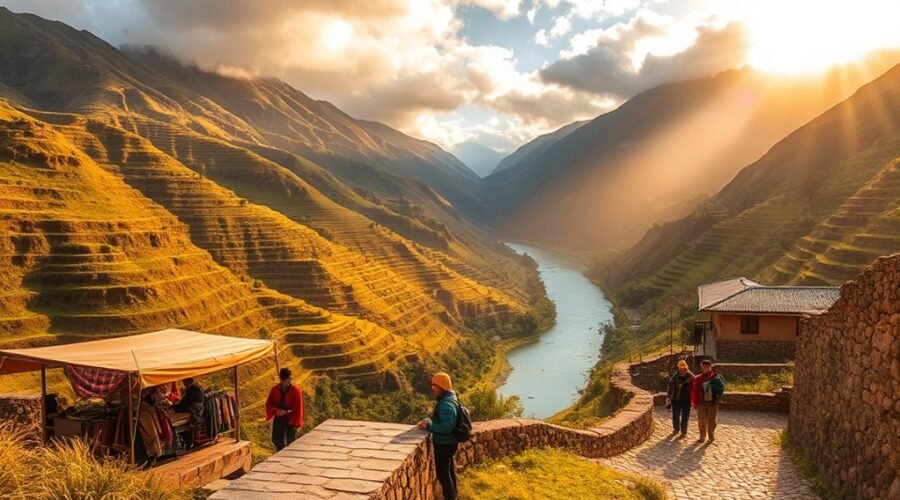
The best time to visit Peru depends on whether you’re exploring Machu Picchu, hiking through the Andes, or relaxing along the Pacific coast. May and September often offer the best balance of dry weather and manageable crowds around Cusco. But Peru has several climates, so the right month for one destination may be wrong for another.
Quick Answer
The best time to visit Peru is generally May through September for Machu Picchu, Cusco, and Andean trekking. Choose May or September for a better balance of weather and crowds. Visit Lima and the coast from December through April for warmer, sunnier conditions. The Amazon is accessible year-round, but activities change with rainfall and river levels.
Also compare: Uçhisar, Nevşehir.
Last checked: November 15, 2026. Dates and figures were verified against official sources.
Key Takeaways
- June through August brings the most dependable Andean trekking conditions but also the busiest tourist season.
- The Inca Trail closes for maintenance in February, although Machu Picchu itself normally remains open.
- Cusco receives far less rain in June and July than in January and February, but dry-season nights are colder.
- Festival dates can create local crowds even outside the normal tourist peak, especially in Cusco and Puno.
- Machu Picchu tickets, train travel, accommodation, and guided treks are separate budget considerations.
Dry Season vs. Wet Season: Best Time to Visit Peru
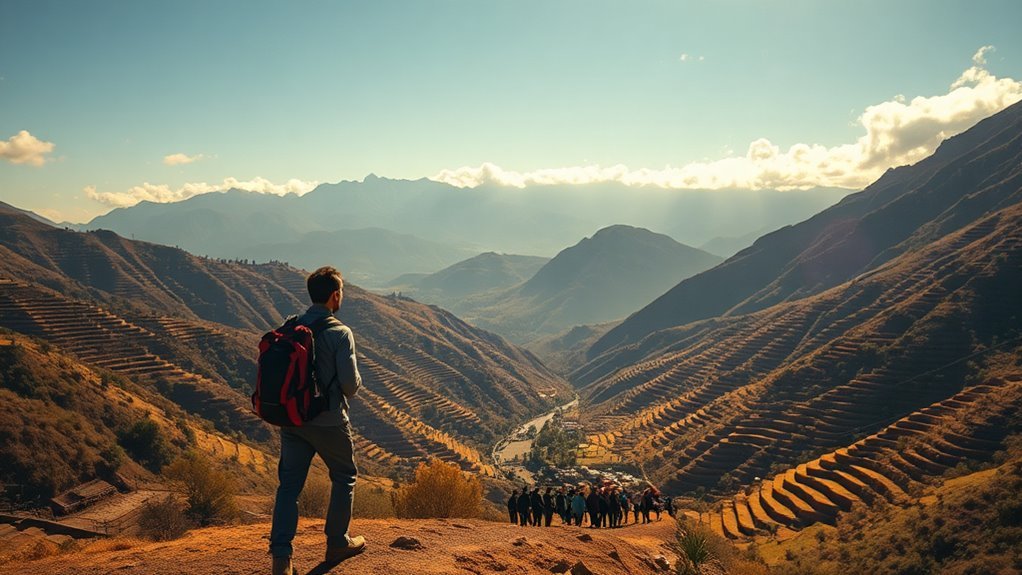
Peru’s Andean dry season generally runs from May through September, with April and October acting as transition months. The wetter period runs mainly from November through March. These patterns matter most around Cusco, Machu Picchu, the Sacred Valley, and other highland destinations.
However, Peru’s coast and Amazon follow different patterns. The official PROMPERÚ climate guide separates the country into coastal, Andean, and Amazonian climate regions.
May to September: The Main Andean Dry Season
May through September offers the most dependable conditions for trekking, mountain views, and archaeological sightseeing. Rainfall drops sharply around Cusco, and clear days become more common.
This period is especially suitable for:
- Walking the Inca Trail to Machu Picchu.
- Exploring the Sacred Valley and Ollantaytambo.
- Visiting Rainbow Mountain when access and weather permit.
- Discovering Cusco’s historic streets and archaeological sites.
- Traveling around Lake Titicaca and the southern highlands.
The trade-off is colder weather after sunset. Highland temperatures can fall near or below freezing, even when afternoons feel comfortable.
June also brings Inti Raymi, while July and August attract large numbers of international and domestic travelers.
Dry season is usually the easiest time for highland adventures, but clear skies do not guarantee warm nights or empty trails.
November to March: The Andean Rainy Season
The rainy season brings greener mountains, frequent showers, and more unpredictable hiking conditions. January and February are particularly wet around Cusco.
Rain usually does not mean continuous bad weather. You can still experience bright mornings, clear intervals, and beautiful views between showers.
However, muddy trails, cloud cover, and occasional transport disruption can affect outdoor plans.
The advantages include:
- Green hillsides and dramatic mountain scenery.
- Lower demand for many highland accommodations outside holiday periods.
- More opportunities to explore towns and markets without peak-season tourist pressure.
- Traditional Andean festivals and seasonal regional food.
- More flexible choices for some guided activities.
For travelers comfortable with rain, this season can offer a quieter and more affordable experience.
Why Lima and the Amazon Follow Different Seasons
Lima’s coastal summer runs roughly from December through April. This is generally the warmest and sunniest period for enjoying the waterfront, restaurants, and nearby beaches.
From June through September, Lima frequently experiences gray skies, coastal fog, and light mist called garúa. Rainfall is usually limited, but sunny beach weather is less dependable.
The Amazon remains warm and humid throughout the year. Its wetter months generally bring higher river levels, while lower-water months can make forest trails easier to explore.
Wildlife watching is possible in both periods. Animal sightings depend on the species, location, water levels, and guide rather than one universally perfect month.
Best Time to Visit Peru’s Most Popular Destinations
Each major destination has its own best travel window. If you’re planning a trip across several regions, choose your dates around the activity that matters most.
The following comparison shows the most practical periods for popular destinations.
| Destination | Best Time | Top Experience |
|---|---|---|
| Machu Picchu | May–September | Ancient ruins, mountain views, Inca Trail trekking |
| Amazon Basin | April–October for lower-water activities; November–March for higher-water exploration | Wildlife watching, guided forest walks, river excursions |
| Cusco | May–September | Cultural festivals, local markets, archaeological sites |
| Lima | December–April | Culinary experiences, coastal sightseeing, urban exploration |
| Sacred Valley | May–September | Ollantaytambo, Pisac, local markets, outdoor adventures |
| Arequipa | May–October | Colonial architecture, Colca Canyon, August celebrations |
| Lake Titicaca and Puno | April–October; February for festivals | Lake excursions, island communities, cultural celebrations |
When Is Machu Picchu at Its Best?
May, June, and September are strong choices for visiting Machu Picchu. They usually bring relatively dry conditions and good opportunities for mountain views.
July and August are also excellent for weather, but they are among the busiest months. October can be appealing if you accept a higher chance of rain.
Machu Picchu itself can be visited during the rainy season. However, clouds may hide the mountains, and conditions may change quickly.
When Should You Visit the Amazon?
Visit the Amazon during the lower-rainfall months if you prefer walking forest trails and spending more time on land.
Higher river levels during wetter months can allow boats to reach flooded forest areas that are less accessible during lower water.
Choose your location carefully. Iquitos and Puerto Maldonado have different ecosystems, excursion routes, and seasonal conditions.
For wildlife watching, a knowledgeable local guide and the right habitat are often more important than selecting one particular month.
When Are Lima and Peru’s Beaches Most Enjoyable?
December through April is generally best for travelers seeking coastal warmth and sunnier skies around Lima.
Miraflores, Barranco, and the capital’s celebrated food scene remain enjoyable throughout the year. However, winter’s persistent cloud cover can disappoint visitors expecting tropical beach weather.
Northern coastal destinations, including Máncora, are warmer than Lima for much of the year. Heavy rainfall can still affect northern Peru during unusually wet periods.
How Busy Peru Gets and When to Avoid the Crowds
Peru’s busiest period for international tourism is generally June through August. Machu Picchu, Cusco, the Sacred Valley, and popular hiking routes experience strong demand.
May and September often offer a better balance. You can enjoy favorable highland conditions without traveling during the main summer holiday rush.
Which Dates Are Particularly Busy?
Several festivals and national holidays can increase accommodation demand and visitor numbers.
- Early February: Puno attracts large crowds for the Virgen de la Candelaria celebrations, despite the rainy season.
- Holy Week: A movable holiday period that can increase domestic travel. In 2026, the major Easter period fell in early April.
- June 24: Cusco celebrates Inti Raymi with major public ceremonies and performances.
- July 28–29: Peru’s Fiestas Patrias national holidays generate domestic travel demand.
- August 15: Arequipa celebrates its founding anniversary with cultural activities.
- Late December and New Year: Holiday demand can affect popular destinations even during the Andean rainy season.
How Many Visitors Can Enter Machu Picchu?
Machu Picchu has daily visitor limits, timed admissions, and separate routes through the archaeological site.
For 2026, Peru’s Ministry of Culture authorized a maximum capacity of 5,600 visitors per day on January 1, April 2–5, June 19–November 2, and December 30–31. The regular limit for the remaining dates was 4,500 visitors per day.
These figures come from the official 2026 Machu Picchu capacity resolution.
A higher visitor limit does not mean tickets will always be available. Popular routes and entry times can sell out even when other options remain open.
For the main Machu Picchu experience, choose your desired circuit before buying transportation. A panoramic route and an archaeological walking route do not provide identical views or access.
Pro Tip: Reserve your preferred Machu Picchu circuit and timed entry before committing to nonrefundable trains or accommodation. A ticket for one circuit does not automatically provide access to another.
Traveling in May or September can reduce exposure to the main holiday crowds. However, these months are increasingly popular with travelers seeking the same advantages.
How the Time of Year Affects Prices in Peru
Travel costs generally rise during Peru’s busiest tourism periods and fall when demand weakens. However, prices vary by destination, accommodation type, and travel dates.
The biggest seasonal differences usually affect flights, hotels, guided treks, and organized tours. Government-controlled attraction tickets follow published fee schedules rather than ordinary hotel-style seasonal pricing.
Peak Season Price Surges
June through August is the most expensive period for many trips centered on Cusco and Machu Picchu.
The original estimates for this travel period suggest accommodation costs can increase by 30–50%, while some peak-season travel arrangements may cost two to three times their off-season equivalents. These figures should be treated as broad estimates rather than guaranteed nationwide price differences.
Popular hostels, lodges, and trekking services may sell out well before arrival.
International flight costs also depend heavily on departure country, airline capacity, and school holiday schedules.
If your travel dates are fixed, reserving several months ahead often gives you more choices than waiting until peak season begins.
Machu Picchu tickets deserve separate attention. Peru’s published 2026 promotional admission schedule included a standard S/64 rate for eligible Peruvian visitors, foreign residents, and Andean Community nationals on specified routes.
The Peruvian News Agency’s 2026 ticket explanation also identifies different circuits, eligibility rules, and higher-priced mountain routes.
International visitor rates may differ. Budget for the correct circuit, entrance fees, train, shuttle bus, guide, and overnight accommodation separately.
Off-Season Budget Opportunities
November through March can offer savings on highland accommodation and tours. This is especially relevant outside major holidays and popular festival periods.
The original article estimates that some hotels and hostels reduce rates by 20–40% during quieter months. Actual savings depend on the property, location, and dates.
Potential advantages include:
- Lower accommodation prices at some hotels and hostels.
- More choice among available rooms and guided activities.
- Reduced demand for some Machu Picchu entry dates.
- Seasonal meals and local harvest produce.
- Opportunities to negotiate flexible tour packages.
However, low season in the Andes is not low season everywhere.
Lima and northern beaches can attract more visitors during the coastal summer. February is also busy in Puno because of the Candelaria festivities.
The best savings come from choosing dates with both manageable weather and limited local holiday demand.
Shoulder Season Balanced Rates
April, May, September, and October offer useful alternatives to peak-season travel. Hotel rates can be more competitive, while many highland attractions remain accessible.
May and September offer the strongest combination of relatively dry conditions and lower peak-season pressure.
April and October can provide additional savings, but rainfall is more variable.
For popular destinations, reserving accommodation two to three months ahead is a reasonable planning target. Major festivals and premium properties may require earlier bookings.
Month-by-Month Breakdown: What to Expect Year-Round
Peru’s weather changes considerably throughout the year, especially in the Andes. A month-by-month comparison helps you choose between trekking conditions, cultural events, and lower-cost travel.
The table below uses 1991–2020 climate averages for Cusco’s Alejandro Velasco Astete International Airport, compiled from NOAA observations. The figures represent typical conditions at the airport, not a forecast or the temperature at Machu Picchu.
Source: NOAA GSOD 1991–2020 Cusco airport climate normals.
| Month | Cusco Average Temperature | Average Rainfall | Travel Conditions and Highlights |
|---|---|---|---|
| January | 13.0°C | 137.5 mm | Wet highlands, green scenery; favorable coastal summer conditions |
| February | 12.9°C | 123.4 mm | Inca Trail maintenance closure; Puno’s Candelaria festivities |
| March | 12.9°C | 107.0 mm | Rain begins easing; coastal conditions remain warm |
| April | 12.6°C | 36.2 mm | Transition season; fewer crowds outside Easter holidays |
| May | 11.6°C | 7.1 mm | Excellent balance for highland trekking and sightseeing |
| June | 10.6°C | 13.3 mm | Dry trekking conditions; Inti Raymi on June 24 |
| July | 10.2°C | 7.5 mm | Peak tourism; Fiestas Patrias on July 28–29 |
| August | 11.3°C | 11.1 mm | Good highland conditions; Arequipa anniversary celebrations |
| September | 12.5°C | 18.4 mm | Excellent shoulder-season choice for Machu Picchu |
| October | 13.4°C | 54.8 mm | Increasing rain; Lima’s Señor de los Milagros celebrations |
| November | 13.9°C | 69.3 mm | Rainy-season transition; quieter highland travel |
| December | 13.3°C | 123.2 mm | Wet highlands; warmer Lima weather; Christmas travel demand |
These are monthly mean temperatures, not average daytime highs. Cusco’s daytime temperatures are often pleasant, while nights can be much colder.
Peak Season Monthly Highlights: June Through August
June, July, and August combine dry highland conditions with some of Peru’s most important celebrations. This is a rewarding season for hiking and cultural exploration, provided you prepare for high demand.
- June: Inti Raymi takes place in Cusco on June 24. The 2026 celebrations included performances at Qorikancha, Plaza Mayor, and Saqsaywaman.
- July: Clear highland skies and cold nights make July popular for trekking. Peru celebrates its national holidays on July 28 and 29.
- August: Dry conditions often continue. Arequipa celebrates its founding anniversary on August 15, bringing cultural events and community celebrations.
The official 2026 Inti Raymi authorization scheduled the main June 24 performances for Qorikancha at 9:00 a.m., Plaza Mayor at 10:00 a.m., and Saqsaywaman from 1:45 p.m.
Public festival viewing and ticketed performances are not necessarily the same experience. Some areas can be viewed without a paid seat, while designated grandstand seating may require admission.
July’s national holidays are another period when popular destinations can become especially busy.
Rainy Season Travel Insights: November Through March
Peru’s wetter highland months provide different experiences, from green mountain scenery to community celebrations. They also require more flexible travel plans.
November and December bring increasing rainfall. January and February are usually among the wettest months around Cusco.
February is especially important for travelers planning the Inca Trail.
Peru’s official 2026 Inca Trail closure announcement confirmed that the trail network closed from February 1 through February 28 for maintenance and conservation, reopening on March 1.
This was a trail closure, not a general closure of the Machu Picchu archaeological site.
February is also an important cultural month in Puno.
The Virgen de la Candelaria festival features religious ceremonies, traditional music, elaborate costumes, and large dance performances.
For 2026, the Puno regional government designated February 9 and 10 as special local nonworking days associated with the festivities.
These celebrations show why rainy-season travel is not always quiet or inexpensive in every region.
Warning: Heavy rain can trigger landslides, flooding, and road or railway closures in mountain regions. These disruptions may affect routes toward Machu Picchu and remote Amazon destinations. Allow some flexibility in your itinerary during the wettest months.
The Best Time to Visit Peru for Your Travel Style
Your ideal travel dates depend on the experiences you value most. Adventure travelers, photographers, cultural visitors, and budget-conscious tourists may prefer different seasons.
The best time to visit Peru is the period that matches your main destination, preferred activities, and comfort with changing weather.
Use these recommendations to match your travel style to the right months.
- Adventure seekers: Choose May through September for Inca Trail trekking, mountain hikes, and outdoor sightseeing.
- Culture lovers: Visit Cusco in June for Inti Raymi or Puno in February for the Candelaria celebrations.
- Budget travelers: Consider April, May, September, or November. Compare local festival dates before booking.
- Wildlife enthusiasts: Choose the Amazon’s lower-water months for more land-based exploration or the wetter months for high-water boat excursions.
- Photographers: Visit during April, May, September, or October for changing cloud patterns, green landscapes, and mountain scenery.
- Food lovers: Explore Lima throughout the year. December through April offers warmer weather for outdoor dining and coastal activities.
- Beach travelers: Consider December through April for Lima and other coastal destinations, while allowing for regional differences.
For a first trip focused on Peru’s most famous archaeological sites, May or September is often the most practical starting point.
Travelers visiting several regions should prioritize their most weather-sensitive activity. You can enjoy Lima’s restaurants in almost any month, but a high-altitude trek depends much more on seasonal conditions.
What Should You Book and Prepare Before Visiting Peru?
Once you choose your travel month, arrange the activities with limited availability first. Machu Picchu admissions, authorized treks, and transportation are the main priorities for highland itineraries.
Book the Correct Machu Picchu Route
Machu Picchu’s visitor system divides the archaeological site into separate circuits and routes.
The main options include:
- Circuit 1: Panoramic routes focused on elevated viewpoints and selected surrounding attractions.
- Circuit 2: Classic routes through important archaeological areas.
- Circuit 3: Lower-sector routes and selected mountain or archaeological excursions.
Some routes operate only during designated periods. Mountain hikes may also have separate capacity limits.
Tickets are issued for specific routes, dates, and entry times. Do not assume a ticket permits unrestricted movement throughout the site.
Allow Time to Adjust to Cusco’s Altitude
Cusco sits at approximately 3,400 meters above sea level. Visitors arriving directly from lower elevations may experience headaches, fatigue, or other altitude-related symptoms.
Consider beginning with gentle sightseeing rather than a strenuous mountain hike immediately after arrival.
Rest, hydration, and gradual adjustment are useful precautions, although they do not eliminate the risk of altitude sickness.
If you have a medical condition or a history of altitude illness, discuss your itinerary with a qualified healthcare professional.
Pack for Daytime Sun, Cold Nights, and Rain
Highland conditions can change substantially within a single day.
A practical packing list includes:
- Comfortable, supportive walking shoes.
- A waterproof outer layer.
- Warm clothing for evenings and early starts.
- Sun protection, including sunscreen and a hat.
- A refillable water bottle.
- Insect repellent for suitable destinations.
- A small daypack for excursions.
If you’re visiting the Amazon, breathable clothing and suitable protection against insects and rain become especially useful.
Review Health, Entry, and Safety Requirements
Health and entry requirements depend on your passport, medical history, and destinations within Peru.
Peru’s official tourist visa guidance explains that travelers from countries requiring a visa must apply through a Peruvian consular office.
The CDC’s Peru travel health recommendations include routine vaccinations, hepatitis A, and destination-specific advice on yellow fever, typhoid, and malaria prevention.
Yellow fever vaccination is recommended for many lower-elevation Amazon destinations, but not for a trip limited to Lima, Cusco city, the Inca Trail, or Machu Picchu.
Peru does not have a general yellow fever vaccination requirement for entry.
Note: Consult a travel-health professional before departure, especially if your itinerary includes the Amazon, remote regions, or high-altitude trekking. Vaccination and malaria-prevention recommendations vary by destination and personal health factors.
Travel safety also varies by region. The UK government’s Peru safety guidance identifies risks involving street crime, unlicensed transport, demonstrations, and disruption caused by extreme weather.
Choose licensed transport, protect valuables, and use reputable tour operators for outdoor activities.
Frequently Asked Questions
What Vaccinations or Health Precautions Should I Get Before Visiting Peru?
Make sure your routine vaccinations are current and discuss hepatitis A and other recommended vaccines with a travel-health professional. Yellow fever vaccination is recommended for many Amazon destinations but generally not for Lima, Cusco city, or Machu Picchu. Use insect repellent and safe drinking water, and seek advice about altitude sickness.
Do I Need a Visa to Enter Peru as a Tourist?
Whether you need a tourist visa for Peru depends on your nationality and travel documents. Many travelers qualify for visa-free entry, while others must apply before departure. Immigration officials determine the permitted length of stay. Your passport should normally remain valid for at least six months after arrival.
What Currency Is Used in Peru and Should I Exchange Money Beforehand?
Peru uses the Peruvian sol, abbreviated PEN and commonly written S/. You can exchange money at authorized banks and currency exchange offices. ATMs are available in major cities, although access may be limited in remote areas. Carry some local cash for markets, small restaurants, and transport.
Is Peru Safe for Solo Travelers Throughout the Entire Year?
Solo travel is possible in Peru throughout the year, but safety depends on your location and activities. Use licensed transport, avoid isolated areas at night, and keep valuables secure. The rainy season adds risks from landslides and transport delays. Some regions have specific government travel warnings.
What Languages Are Spoken in Peru Besides Spanish?
Peru has many Indigenous languages alongside Spanish. Quechua is widely spoken in parts of the Andes, while Aymara is important around Lake Titicaca and southern Peru. Amazonian communities speak numerous other languages. Spanish remains the most useful language for most international visitors.
Is Machu Picchu Open in February?
Machu Picchu normally remains open in February, but the Inca Trail closes for annual maintenance. In 2026, the trail network closed throughout February and reopened on March 1. Visitors could still reach the archaeological site using other permitted transport routes, subject to weather conditions and available admission tickets.
Which Month Has the Best Weather in Lima?
January, February, and March are generally among the best months for warm, sunny weather in Lima. The broader coastal summer runs from December through April. June through September tends to be cooler and cloudier, although Lima remains suitable for restaurants, museums, and city sightseeing throughout the year.
Conclusion
The best time to visit Peru is May or September for many travelers planning to explore Machu Picchu and the Andes. June through August offers dependable trekking conditions, while December through April suits Lima’s warmer coastal season. Rainy months bring greener landscapes, cultural events, and potential savings. Choose your main destination first, then match your dates to its weather, festivals, and booking requirements.
Sources
- PROMPERÚ: Climate in Peru: Regional weather patterns across the coast, Andes, and Amazon.
- NOAA GSOD Climate Normals, Cusco Airport: Monthly average temperature and rainfall figures for 1991–2020.
- Peru Ministry of Culture: Resolution 285-2025-MC: Machu Picchu visitor limits and designated high-capacity dates for 2026.
- Agencia Andina: Machu Picchu 2026 Ticket Rules: Visitor categories, promotional admission rates, circuits, and capacity rules.
- PROMPERÚ: Inca Trail Maintenance Closure: February 2026 closure and March reopening.
- Peru Ministry of Culture: Inti Raymi 2026: June 24 festival performances, locations, and scheduled times.
- Puno Regional Government: Candelaria 2026: Festival-related local holiday dates.
- Peru Ministry of Foreign Affairs: Tourist Visa: Visa requirements and application procedures.
- CDC: Peru Traveler Health Information: Vaccinations, yellow fever, malaria, and travel-health precautions.
- UK Foreign Travel Advice: Peru Safety and Security: Regional safety risks, transport precautions, and weather disruption.
- PROMPERÚ: Visitor Information: Currency, authorized money exchange, and traveler information.