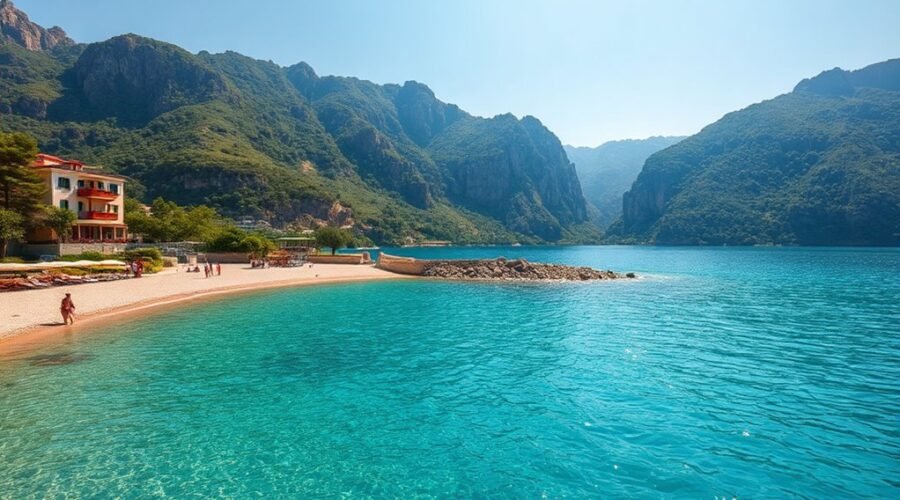
Albania surprises most travelers. The best time to visit Albania depends on whether you want beach days, mountain hikes, cultural experiences, or lower travel costs. The coastal climate and mountain conditions can differ dramatically, so choosing the right month makes a real difference to your trip.
Quick Answer
For most travelers, late May to June and September offer the best balance of comfortable weather and manageable crowds. Choose July and August for the hottest beach days, or early July to mid-September for high-Alpine trekking. September is the strongest all-round choice if you want warm sea water and fewer peak-summer visitors.
Also compare: Kuyucak Lavender Village, Isparta.
Last checked: November 19, 2026. Tourism, visa, and heritage details were checked against official sources. Climate figures are historical averages.
Key Takeaways
- July and August bring the hottest coastal weather, warmest swimming conditions, and highest tourist demand.
- September offers warm water, pleasant temperatures, and a more relaxed atmosphere along the Riviera.
- High-altitude hiking is best from early July to mid-September because snow can remain on mountain passes in June.
- November through March is generally the cheapest travel period, although winter brings more rain to coastal areas.
Albania’s Climate: What the Weather Actually Feels Like Season by Season
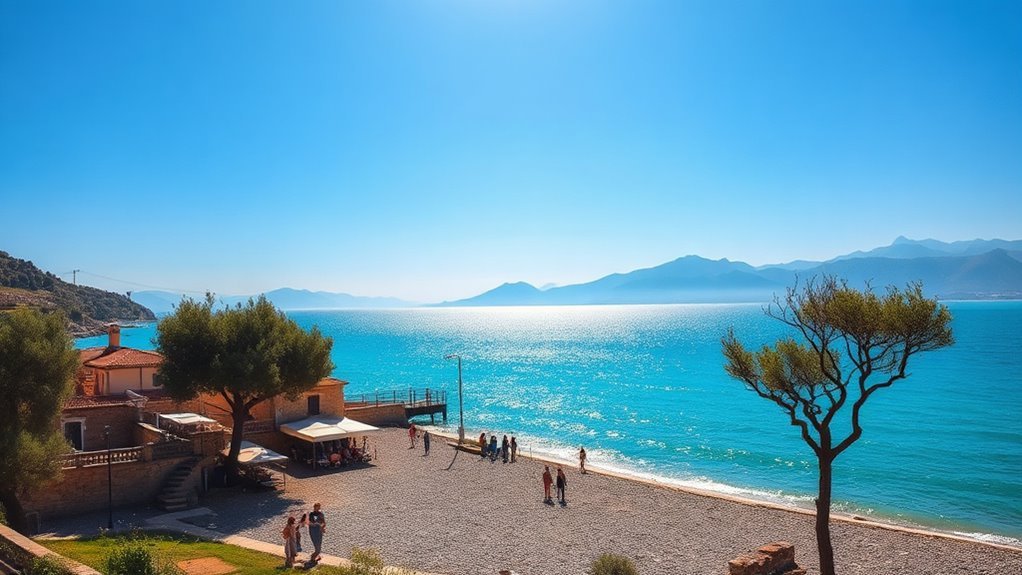
Albania has a Mediterranean climate along its coastline and a much colder climate in its mountainous interior. You can enjoy warm beach weather in Sarandë while snow remains on some northern mountain peaks.
The Albanian National Tourism Agency’s travel guide highlights the country’s varied landscapes and seasonal activities. Coastal destinations experience hot, relatively dry summers and milder winters. Mountain areas experience colder temperatures, heavier snowfall, and more unpredictable conditions.
During summer, coastal towns such as Sarandë become hot and sunny. The mountains offer cooler conditions, although summer afternoons can still feel warm in lower valleys.
Where and when you visit changes everything. Albania offers very different experiences along its coastline and in its mountain interior.
Spring and autumn are particularly comfortable for walking through historic towns, exploring archaeological sites, and visiting the capital. Winter brings snow to the northern highlands while coastal destinations remain comparatively mild.
These differences mean you should plan around your main destinations rather than treating Albania as one uniform climate zone.
What Type of Trip Are You Planning? How to Match Your Visit to the Right Season
Your travel priorities should determine when you visit Albania. Beach holidays, mountain trekking, cultural sightseeing, and budget trips each have different ideal windows.
Use these seasonal recommendations to narrow down your travel dates before planning your itinerary.
Beach and Sun Seekers
If you want sunny beaches and warm Mediterranean water, visit the Albanian Riviera between June and September. July and August offer the hottest weather, while June and September provide a better balance of sunshine and manageable crowds.
- May: Pleasant coastal weather, fewer visitors, and cooler swimming water.
- June: Warm temperatures, improving sea conditions, and increasing beach activity.
- July and August: The hottest months, with warm water and the strongest demand for beach accommodation.
- September: Warm seas, comfortable temperatures, and fewer summer visitors.
- October: Mild coastal conditions and potentially comfortable swimming, although rainfall increases.
Ksamil, Dhërmi, Himarë, and Sarandë are popular coastal choices. If you want more space on the beaches, September is a particularly attractive option.
Budget Travelers’ Ideal Timing
Visit Albania in May or October if you want lower accommodation prices without the colder conditions of winter. These shoulder-season months offer a useful compromise between cost, weather, and visitor numbers.
Guesthouses and hostels often reduce their rates outside the summer rush. Coastal towns also become quieter, giving you more flexibility when choosing where to eat and stay.
Budget accommodations in Tirana, Berat, and the Riviera cost noticeably less than peak summer rates, sometimes by half. Albania already ranks among Europe’s more affordable destinations, and traveling outside the busiest months can stretch your budget further.
May is particularly suitable for exploring historic towns and enjoying outdoor activities. October works well for cultural sightseeing, although wetter weather can affect some outdoor plans.
Culture and History Explorers
Spring and autumn are excellent periods for exploring Albania’s cultural heritage. Mild weather makes it easier to spend long days visiting archaeological sites, castles, traditional markets, and historic neighborhoods.
Berat and Gjirokastër are particularly rewarding during these months. You can explore their traditional architecture without dealing with the strongest summer heat.
Consider these seasonal options:
- Spring (March–May): Enjoy greener landscapes, comfortable walking conditions, and outdoor sightseeing.
- Summer (June–August): Explore historic attractions alongside beach holidays, but prepare for higher temperatures and more visitors.
- Autumn (September–November): Visit heritage towns in cooler weather and enjoy traditional food and local culture.
- Winter (December–February): Discover museums, galleries, and historic neighborhoods during a quieter travel period.
Remember that individual attractions may have seasonal opening hours. Winter is particularly suitable for flexible city itineraries rather than a tightly scheduled sightseeing trip.
The Best Time to Visit Albania for Beach Holidays
The best time for an Albanian beach holiday is June through September. July and August offer the warmest water and hottest days, while June and September provide a more comfortable balance between beach weather and visitor numbers.
The Ionian and Adriatic coastlines offer different beach experiences, but both become particularly popular during the summer holidays.
Peak Beach Season Months
Albania’s beach season begins in June and reaches its busiest period in July and August. These months bring long sunny days, warm water, and lively seaside towns.
Popular destinations include Ksamil, Dhërmi, Himarë, and Vlorë. You can enjoy swimming, snorkeling, kayaking, and other coastal activities throughout the summer.
July and August are particularly attractive if you prioritize hot weather and warm swimming conditions. However, these months also bring the highest demand for popular beaches and accommodation.
You’ll need to accept more visitors and higher prices in exchange for the strongest summer beach atmosphere.
Ideal Coastal Weather Windows
June and September are the strongest choices if you want warm beach weather without the full intensity of the summer rush. Both months offer pleasant daytime temperatures and sea conditions suitable for swimming.
Late May is another option if you prefer quieter beaches. However, the sea is noticeably cooler than during summer, so swimming may not suit everyone.
September is particularly appealing because the sea retains much of its summer warmth. October can also work for beach activities, but rainfall increases as autumn progresses.
These differences make September a better choice for travelers who want both beach relaxation and time to explore coastal villages.
The Best Time to Visit Albania for Mountain Hiking
The best time for high-altitude hiking in Albania is early July through mid-September. This period usually offers the most reliable access to snow-free mountain passes, open guesthouses, and longer daylight hours.
The Albanian Alps, the Accursed Mountains, and the Peaks of the Balkans attract hikers with remote villages, rugged ridgelines, and spectacular mountain scenery.
According to the Peaks of the Balkans trail-season guidance, the high passes typically become more accessible in July. June can still bring snowfields and swollen streams, while early autumn offers cooler temperatures and fewer hikers.
Here’s what to expect during the main trekking months:
- June: Lower trails become more accessible, but snow may remain on high passes. Conditions depend on winter snowfall and spring temperatures.
- July: A strong month for trekking, with longer daylight hours and improving access to mountain routes.
- August: Peak trekking demand, warmer valley temperatures, and busy guesthouses on popular routes.
- September: Cooler conditions, fewer hikers, and excellent opportunities for mountain photography.
Warning: Do not assume high mountain passes are snow-free in June or safe in October. Snow, afternoon thunderstorms, and changing trail conditions can create serious risks. Confirm local conditions before attempting exposed routes.
The Theth–Valbonë section is one of the busiest stages of the Peaks of the Balkans region. Reserve mountain guesthouses ahead of time if you plan to walk this popular route during July or August.
Start early on summer hiking days to cross exposed mountain sections before afternoon thunderstorms develop. Pack suitable footwear, layers, and enough water for your route.
Albania Month by Month: Weather, Crowds, and What to Expect
Every month offers a different combination of weather, visitor numbers, and outdoor opportunities. The table below uses Sarandë as a coastal reference point, with historical monthly climate averages to help you compare travel periods.
The Sarandë 1991–2020 climate averages, based on ERA5 and Copernicus data, provide average daytime highs, sea temperatures, and rainfall figures.
| Month | Avg. High | Sea Temperature | Rainfall | Typical Crowds and Best Activities |
|---|---|---|---|---|
| January | 12°C | 15°C | 164 mm | Low; city sightseeing and museums. |
| February | 13°C | 15°C | 164 mm | Low; cultural visits and winter activities where snow conditions allow. |
| March | 15°C | 15°C | 148 mm | Low; museums, historic towns, and early spring sightseeing. |
| April | 18°C | 16°C | 105 mm | Low to moderate; heritage towns and lower-elevation walks. |
| May | 22°C | 19°C | 71 mm | Moderate; sightseeing, hiking, and quiet coastal visits. |
| June | 26°C | 22°C | 34 mm | Rising; beach holidays and lower-mountain hiking. |
| July | 29°C | 24°C | 19 mm | High; beaches, boat trips, and mountain trekking. |
| August | 30°C | 25°C | 21 mm | Highest; hot beach weather and peak summer demand. |
| September | 26°C | 24°C | 118 mm | Moderate; swimming, cultural visits, and early autumn hiking. |
| October | 22°C | 22°C | 165 mm | Moderate to low; heritage sightseeing and some beach activities. |
| November | 18°C | 20°C | 260 mm | Low; museums, food, and indoor cultural activities. |
| December | 13°C | 17°C | 235 mm | Low to moderate; city breaks and winter mountain destinations. |
These figures represent Sarandë, not the entire country. Mountain temperatures can be much lower, and conditions can change quickly with elevation. The crowd descriptions are general seasonal guidance rather than an official monthly crowd index.
November is particularly wet along the southern coast, while July and August are the driest months in this climate record. October still has an average sea temperature of 22°C, so swimming is not automatically out of the question.
Peak Season in Albania: How Busy Does It Really Get?
July and August bring Albania’s strongest tourist demand, especially along the southern coastline. Popular destinations such as Ksamil, Dhërmi, and Vlorë become considerably busier during these months.
Official statistics help show the scale of summer demand. According to INSTAT’s August 2026 accommodation report, registered accommodation establishments hosted 969,255 visitors during the month. Hotel room occupancy reached 67.4%, compared with 61.5% in August 2025.
These figures cover registered accommodation establishments rather than every day visitor or unregistered stay. They still provide a useful indication of summer demand.
Here’s what peak season means for your trip:
- Accommodation: Popular coastal properties experience stronger demand. Book at least 6–8 weeks ahead if you have specific accommodation requirements.
- Transportation: Popular routes can become busier, especially during summer weekends and holiday periods.
- Beaches: Expect more visitors at famous locations such as Ksamil and Dhërmi.
- Travel planning: Arriving on weekdays can reduce wait times considerably at some border crossings.
Peak season does not make Albania less attractive. It simply requires more planning, particularly if you want to visit several popular coastal destinations.
Shoulder Season in Albania: Better Value, Fewer Crowds
April–May and September–October are Albania’s main shoulder-season travel windows. These periods offer a useful combination of pleasant weather, fewer summer visitors, and better opportunities to find lower accommodation rates.
Spring brings greener landscapes and comfortable temperatures for exploring historic towns. Autumn offers warm coastal conditions and cooler weather for walking through Berat and Gjirokastër.
September is particularly attractive for travelers who want to combine beaches with cultural sightseeing. Sarandë’s average sea temperature remains around 24°C during the month, although rainfall increases compared with July and August.
May is another strong option for travelers who prioritize sightseeing and hiking over warm-water swimming. The coastal air is pleasant, and popular destinations are less crowded than during the summer holidays.
June is a transition month rather than a consistently quiet period. Beach demand starts increasing as summer approaches, so plan accordingly if you want the calmest coastal experience.
The Cheapest Time to Visit Albania on a Budget
November through March is generally the cheapest period to visit Albania. Tourist demand is lower than during the summer, making winter an attractive option if accommodation costs matter more than beach weather.
Hotel rates can fall 40–60% compared with peak summer pricing across coastal and mountain regions. Budget accommodations in Tirana and Berat offer private rooms for as little as $15–$25 per night.
Winter also gives you more opportunities to enjoy local food experiences without the summer tourist rush. Family-run restaurants and traditional eateries can provide a more relaxed dining experience.
Transportation costs can also shrink as demand decreases. Buses and furgons remain useful options for traveling between major towns, although rural connections may be less convenient.
Winter does involve trade-offs. Coastal rainfall increases, some seasonal tourism businesses reduce their activity, and mountain weather can make certain routes difficult to access.
If you value lower prices and cultural experiences more than beach weather, winter can still be a rewarding time to visit.
Best Time to Visit Tirana, Berat, and Gjirokastër
Tirana, Berat, and Gjirokastër are rewarding destinations throughout the year, but spring and autumn usually offer the most comfortable sightseeing conditions. Berat and Gjirokastër are UNESCO-listed historic centers, while Tirana offers a different urban and cultural experience.
Visit Tirana in spring or autumn to explore Bunk’Art, Skanderbeg Square, and the cafés of Blloku without the strongest summer heat. These months also make walking through the capital more comfortable.
Berat is particularly attractive in autumn. Its traditional stone houses and historic neighborhoods look beautiful in the softer seasonal light. October is a good time to explore the Ottoman-era architecture at a relaxed pace.
The UNESCO listing for the Historic Centres of Berat and Gjirokastra explains the architectural significance of these two towns. Their traditional houses, historic religious buildings, and preserved urban layouts make them important cultural destinations.
Gjirokastër also hosts one of Albania’s most important cultural events, the National Folklore Festival. However, its schedule should not be described as biennial or assumed to follow an even-year calendar.
The Albanian Government’s announcement confirms that the 2023 festival began on June 24 and ran for eight days. It returned after an eight-year break and was free to attend at Gjirokastër Castle.
That history makes the festival worth knowing about, but you should not plan a future visit around an assumed recurring date. Spring and early autumn remain good alternatives for exploring the castle and historic bazaar.
Frequently Asked Questions
Do Albanian Hotels Require Advance Booking During Major Local Festivals?
Yes, book early when a major event is confirmed, especially in smaller destinations with fewer rooms. However, do not assume Gjirokastër’s National Folklore Festival happens every two years. The 2023 edition returned after an eight-year gap, and the source does not confirm a regular schedule or a next date.
Is Albania Safe to Visit as a Solo Female Traveller?
Albania attracts independent travelers, but no country is risk-free and conditions vary by area. Use the same precautions you would elsewhere: choose well-reviewed lodging, plan late-night transport, keep valuables secure, and avoid demonstrations. Check your government’s current travel advice shortly before departure.
What Currency Is Used in Albania and Are Cards Widely Accepted?
The Albanian lek (ALL) is the national currency. Larger hotels, supermarkets, and many restaurants accept cards, but smaller cafés, bakeries, outdoor markets, and taxis may require cash. Keep some lek for rural stops and small purchases, and use banks or reputable exchange counters.
Do I Need a Visa to Enter Albania as a Tourist?
Visa rules depend on your passport. Albania grants visa-free entry to many nationalities and also recognizes certain valid, previously used multiple-entry visas or residence permits from the Schengen Area, EU, US, or UK. Check the Albanian Ministry for Europe and Foreign Affairs’ visa rules for your nationality before booking. Visa-free travelers must also meet the applicable passport-validity requirements.
Are English Speakers Commonly Found Working in Albanian Tourism?
English is widely spoken in Albania’s cities and is commonly encountered in tourist areas, but ability varies by location. In smaller villages, communication may be less predictable, and you may meet people who speak Italian or another language instead. Learning a few Albanian greetings can make everyday interactions easier.
Conclusion
The best time to visit Albania depends on the experience you want. September offers one of the strongest combinations of warm coastal water, pleasant temperatures, and fewer peak-summer visitors. May and June are excellent for sightseeing, while July through mid-September suits high-altitude hiking.
If lower prices matter most, consider November through March. Choose your travel dates around your main destinations, especially if your itinerary combines the Riviera with the Albanian Alps.
Sources
- Sarandë Climate Averages: Historical monthly temperatures, sea temperatures, and rainfall based on ERA5 and Copernicus data.
- Peaks of the Balkans Trail Season: Recommended hiking window, snow conditions, and seasonal guesthouse availability.
- Albanian National Tourism Agency Travel Guide: Albania’s regional landscapes, seasonal tourism, currency, and language information.
- INSTAT Accommodation Establishments, August 2026: Visitor totals, accommodation statistics, and hotel room occupancy.
- Albanian National Tourism Agency: Dardhë: Winter tourism and skiing opportunities in Dardhë.
- UNESCO: Historic Centres of Berat and Gjirokastra: World Heritage status and architectural significance.
- Albanian Government: National Folklore Festival 2023: Festival dates, duration, location, and its return after an eight-year break.
- Albanian Ministry for Europe and Foreign Affairs: Visa Regime: Visa-free entry categories and passport-validity requirements.