Kyoto changes dramatically with the seasons. A visit during cherry blossom or autumn foliage season can feel magical, but those same dates bring heavy crowds and higher hotel demand. Choosing the best time to visit Kyoto means balancing weather, scenery, festivals, and your travel budget.
Quick Answer
May and October offer the best balance of mild weather and manageable sightseeing. Choose late March to early April for cherry blossoms, or mid-November to early December for autumn leaves, but expect heavy crowds and higher hotel demand. January and February are calmer, though cold, and snow is not guaranteed.
Also compare: When to Visit Cedar Rapids, IA.
Last checked: November 18, 2026. Dates and figures were verified against official sources.
Key Takeaways
- April and November offer Kyoto’s most famous seasonal scenery, but both attract substantial crowds.
- July and August are the hottest months, with average daily highs above 32°C.
- Kyoto’s major festivals have recurring dates, including May 15, July 17 and 24, August 16, and October 22.
- Winter offers a quieter sightseeing experience, but New Year brings another busy travel period.
The Best Time to Visit Kyoto, Based on What You’re After
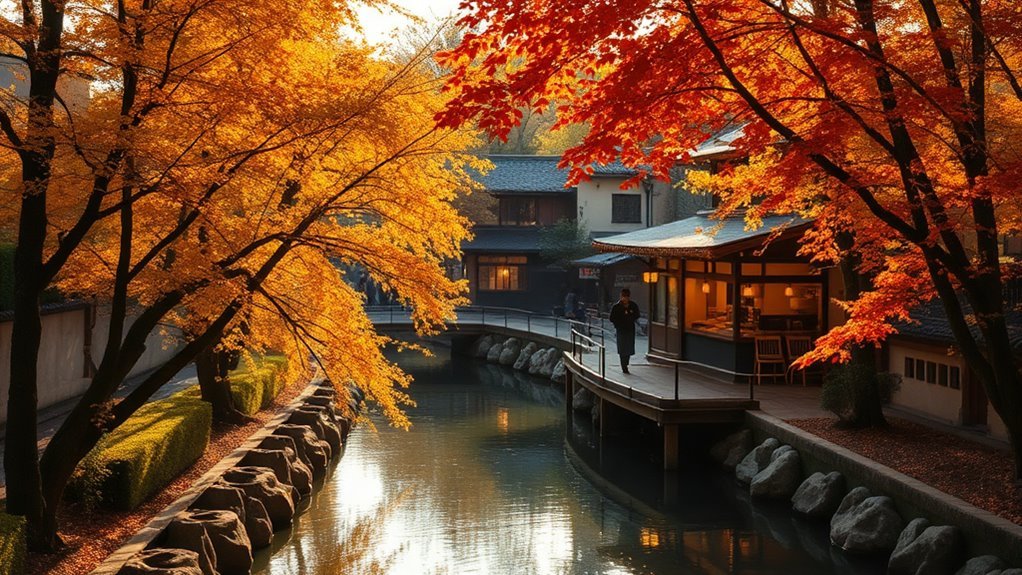
May and October offer the strongest balance of comfortable temperatures and manageable sightseeing. For famous seasonal scenery, aim for late March to early April for cherry blossoms or mid-November to early December for maple leaves. However, expect the busiest streets and higher hotel demand during those periods.
The following table uses Japan Meteorological Agency climate normals from 1991–2020. Temperatures show average daily highs and lows, while rainfall represents the average monthly total.
These are long-term averages, not forecasts for a particular year. Actual weather and seasonal conditions can change.
| Month | Average High / Low | Rainfall | Typical Crowd Pattern |
|---|---|---|---|
| January | 9.1°C / 1.5°C | 53 mm | Lower after New Year |
| February | 10.0°C / 1.6°C | 65 mm | Generally low |
| March | 14.1°C / 4.3°C | 106 mm | Rising late in the month |
| April | 20.1°C / 9.2°C | 117 mm | Very high during blossoms |
| May | 25.1°C / 14.5°C | 151 mm | Busy during Golden Week, easier afterward |
| June | 28.1°C / 19.2°C | 200 mm | Generally below spring peaks |
| July | 32.0°C / 23.6°C | 224 mm | Busy around Gion Matsuri |
| August | 33.7°C / 24.7°C | 154 mm | Busy around Obon and August 16 |
| September | 29.2°C / 20.7°C | 179 mm | Generally lower than peak seasons |
| October | 23.4°C / 14.4°C | 143 mm | Increasing toward autumn |
| November | 17.3°C / 8.4°C | 74 mm | Very high during foliage season |
| December | 11.6°C / 3.5°C | 57 mm | Lower after foliage season; New Year is busy |
July is Kyoto’s wettest month by these climate normals, while August has the highest average daily temperature. The city sits in a basin surrounded by mountains, which contributes to its hot, humid summers and chilly winters.
The Japan Meteorological Agency’s 1991–2020 climate normals for Kyoto provide the figures above. Kyoto’s official seasonal information also explains the rainy season, summer heat, autumn colors, and winter conditions.
Seasonal food adds another reason to choose your travel dates carefully. Spring brings bamboo shoots, while winter is a good time to try yudofu, Kyoto’s traditional tofu hot pot. Kyoto vegetables, pickles, noodles, and traditional sweets are worth exploring throughout the year.
Spring in Kyoto: When Cherry Blossoms Peak and Crowds Surge
Spring is the best season for cherry blossoms, fresh greenery, and outdoor sightseeing. Central Kyoto usually reaches its main sakura window from late March into early April, although different tree varieties and higher locations can extend the display into mid-April.
Spring temperatures become comfortable for walking, cycling, and visiting temple gardens. April averages a daily high of 20.1°C, while May reaches 25.1°C.
Cherry Blossom Bloom Timing
Kyoto’s cherry blossom season usually peaks between late March and early April in central areas. However, the exact dates change with yearly temperatures, tree varieties, and elevation. Northern areas and later-blooming varieties can provide additional viewing opportunities after the central city reaches full bloom.
Some of the most popular viewing locations include:
- Maruyama Park: Famous for its large weeping cherry tree. Early April is usually an excellent time to visit.
- Philosopher’s Path: A scenic walking route where cherry trees line the canal. Its usual peak viewing period is early April.
- Arashiyama: Offers cherry blossoms alongside its mountain scenery, river views, and historic attractions. Popular locations become crowded during peak bloom.
- Northern Kyoto: Areas such as Ohara and other higher locations can offer later seasonal flowers and different viewing conditions.
Kyoto’s official Cherry Blossom Calendar tracks blooming stages at individual temples, shrines, and viewing locations. It also shows typical peak periods from previous years, helping you understand why the entire city does not bloom at once.
Managing Spring Crowd Surge
Spring is one of Kyoto’s busiest travel periods, especially around the first week of April. Popular viewing spots can become congested, and hotels may have limited availability. A flexible schedule gives you a better chance of enjoying the blossoms without spending your entire visit in crowds.
Use these strategies:
- Visit famous viewing spots early in the morning, before the busiest sightseeing hours.
- Choose weekdays rather than weekends when your schedule allows.
- Explore less-central locations instead of visiting only the most famous blossom spots.
- Keep alternative viewing locations in your itinerary because bloom dates vary across Kyoto.
- Consider late March or mid-April if you can adjust your dates around the central peak.
If you visit later in spring, you can also experience Aoi Matsuri on May 15. This traditional procession features approximately 500 participants wearing historical court costumes as they travel through Kyoto.
Spring delivers some of Kyoto’s most memorable scenery, but you should plan around both the blossom calendar and the higher demand for accommodation.
Summer in Kyoto: Heat, Rain, and Festival Season
Summer is Kyoto’s most challenging season for long outdoor sightseeing days. Heat and humidity increase from June, while the rainy season usually runs from early June to mid-July. However, summer also brings major cultural events, evening activities, and beautiful green scenery.
Average daily highs reach 32.0°C in July and 33.7°C in August. Individual summer afternoons can exceed 35°C, and warm nights can make sightseeing tiring.
Here are the main summer experiences worth planning around:
- Gion Matsuri (July 1–31): Kyoto’s famous month-long festival features decorated floats, traditional music, lanterns, and major processions. The main float parades take place on July 17 and July 24. The evening Yoiyama celebrations happen July 14–16 and July 21–23.
- Gozan Okuribi (August 16): Five mountains surrounding Kyoto are illuminated with enormous bonfires as part of the traditional Obon observances.
- Riverside Dining: Summer dining platforms along the Kamo River offer a refreshing evening experience. Restaurants serve meals above or beside the water.
- Temple Gardens and Greenery: Rain and summer humidity create lush scenery around temple grounds and mountain areas. Early visits can be more comfortable than afternoon sightseeing.
The official Gion Matsuri guide explains the festival’s procession schedule and celebrations. The city’s official festival calendar also lists the recurring dates for Aoi Matsuri, Gion Matsuri, Gozan Okuribi, and Jidai Matsuri.
Your best summer activities happen during cooler parts of the day. Visit outdoor attractions in the morning, take an afternoon break, and enjoy riverside restaurants or evening sightseeing after sunset.
June and July also bring the rainy season, known as tsuyu. Carry suitable rain protection and allow time for indoor attractions when heavy showers interrupt your plans.
Autumn in Kyoto: Beautiful Foliage and Heavy Crowds
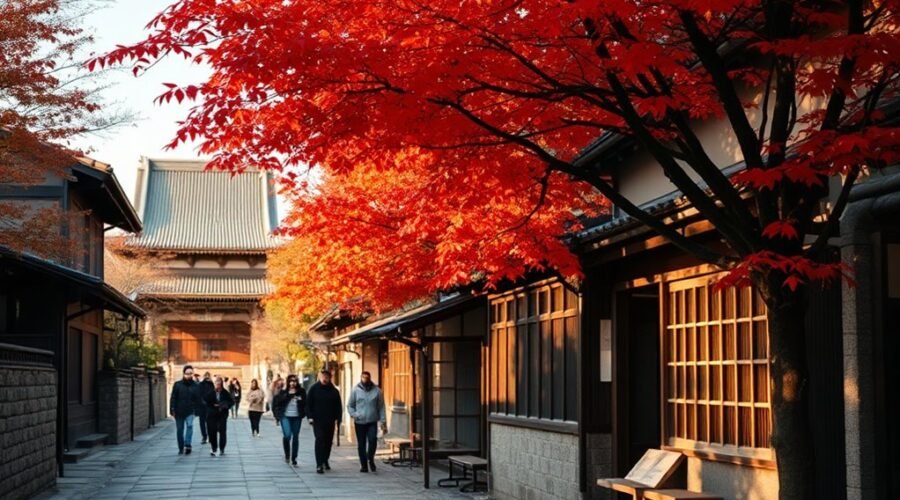
Autumn offers some of Kyoto’s best walking weather and its famous maple colors. October is milder and generally easier for sightseeing, while mid-November through early December is a common window for the strongest autumn foliage. However, the exact peak depends on the location and yearly weather.
Average daily highs fall from 23.4°C in October to 17.3°C in November. November is also considerably drier than the summer months.
Kyoto’s autumn season has three distinct stages:
| Month | Foliage Status | Crowd Level |
|---|---|---|
| October | Early color | Moderate, increasing late in the month |
| November | Peak brilliance | Very High |
| December | Late or fading color | Decreasing |
Popular autumn viewing areas include temple gardens, the eastern hills, and the Takao area. You can also explore northern Kyoto, where mountain scenery and temple grounds provide different foliage experiences.
Kyoto’s official Autumn Leaves Calendar tracks color stages at individual locations. Some temples also offer special autumn admissions and nighttime illuminations, so the experience can vary from one destination to another.
Another autumn highlight is Jidai Matsuri on October 22. This historical procession features approximately 2,000 participants wearing traditional costumes representing different periods of Japanese history.
You’ll pay closer attention to accommodation availability during the main foliage weeks. If you prefer comfortable walking weather without targeting peak colors, early October is a useful alternative.
Winter in Kyoto: Fewer Crowds, Cold Weather, and Occasional Snow
Winter is a good choice if you prefer quieter sightseeing and fewer visitors at many attractions. Temperatures are cold, but Kyoto’s winter scenery has its own appeal. Snow is possible, although the city does not receive much of it, so you should not plan your trip around guaranteed snowfall.
Average daily highs range from 9.1°C in January to 11.6°C in December. Nighttime temperatures can approach freezing, particularly during cold spells.
Consider these winter activities:
- Snow-dusted Kinkaku-ji: The Golden Pavilion looks particularly striking when snow covers its surroundings. However, snowfall is occasional and cannot be guaranteed.
- Fushimi Inari at Dawn: Explore the famous red torii gates during the quieter early hours. The shrine’s mountain paths provide a different experience from the busy central sightseeing areas.
- Arashiyama Bamboo Grove: Winter offers a different atmosphere among the tall bamboo stalks. Remember that this remains a popular attraction, even outside peak seasons.
- Toji Temple’s Kobo-san Market: This monthly flea market takes place on the 21st of every month, from 8:30 AM to 5:30 PM. It features antiques, handicrafts, food, and other goods.
- Winter Cuisine: Enjoy yudofu, a traditional Kyoto tofu hot pot, along with other warming seasonal dishes.
The Kyoto monthly markets guide confirms that Kobo-san is a year-round event rather than a winter-only festival.
Winter also offers opportunities to explore rural areas such as Ohara, Kurama, and Kibune. These locations provide mountain scenery, historic temples, and a different pace from central Kyoto.
One exception is the New Year holiday period. Japan experiences heavy domestic travel around this time, and many businesses may close for several days. Plan your activities accordingly if you visit in late December or early January.
Kyoto’s Worst Crowd Periods and How to Work Around Them
Kyoto’s biggest crowd surges happen during cherry blossom season, autumn foliage season, Golden Week, and major festivals. These periods affect hotel availability, public transportation, and popular attractions. Understanding the calendar helps you avoid the busiest dates or prepare for the demand.
Peak Crowd Months Identified
Several periods deserve special attention when planning your Kyoto trip. They attract both international visitors and Japanese travelers, making the busiest attractions and transport routes harder to navigate.
- Late March to early April: Cherry blossom season brings large crowds to Maruyama Park, the Philosopher’s Path, and Arashiyama.
- Golden Week, late April to early May: Japan’s national holidays create a major domestic travel period. In 2027, the holidays fall on April 29 and May 3–5.
- July 14–24: Gion Matsuri celebrations and the two major float processions attract visitors to downtown Kyoto.
- Mid-August: Obon travel and the August 16 Gozan Okuribi bonfires increase demand around the festival period.
- Mid-November to early December: Autumn foliage brings another major visitor surge to Kyoto’s famous temples and gardens.
- Late December to early January: New Year travel makes popular shrines and temples busy, while some shops and attractions close temporarily.
Japan’s National Tourism Organization’s holiday guide identifies Golden Week, Obon, and New Year as major domestic travel periods. The Cabinet Office’s official holiday calendar confirms Japan’s national holiday dates for 2027.
Mid-February also deserves attention if you’re looking for reasonably priced accommodation. University entrance examinations and the Kyoto Marathon can increase demand for some lodging options.
Avoiding Tourist Rush Strategies
You can enjoy Kyoto during busy seasons without spending every day in crowded areas. The key is to change your sightseeing schedule and explore districts beyond the most famous attractions.
- Start early: Visit popular temples and shrines in the morning before the busiest sightseeing hours.
- Choose weekdays: Popular attractions generally become busier on weekends and public holidays.
- Explore rural districts: Ohara, Kurama, and Kibune offer mountain scenery and historic temples away from central Kyoto.
- Visit Okusaga: Explore the quieter areas behind Arashiyama’s best-known attractions rather than limiting your visit to the bamboo grove.
- Use trains and subways: Buses can become crowded during peak seasons. Rail connections can offer a practical alternative for many journeys.
- Plan indoor activities: Schedule museums, cultural experiences, and other indoor attractions during the hottest or rainiest parts of the day.
Remember that quieter districts still require travel time. Check the transport route before adding several distant locations to the same day.
How Flight and Hotel Costs Change Each Season
Kyoto accommodation demand changes with seasonal scenery, festivals, and Japanese holidays. Cherry blossom and autumn foliage periods are particularly competitive. However, flight prices depend on your departure city, airline, route, and booking date, so one seasonal price estimate cannot represent every traveler.
Here’s how accommodation demand generally changes throughout the year:
| Travel Period | Accommodation Demand | Budget Considerations |
|---|---|---|
| Late March–early April | Very high | Popular hotels can sell out early, especially around peak blossoms. |
| Golden Week | High | Domestic travel increases accommodation and transport demand. |
| June–August | Variable | Ordinary dates can offer more options, but major festival dates can be busy. |
| October–early December | High during foliage season | November is particularly competitive around popular foliage locations. |
| January–February | Generally lower outside holiday periods | Often offers more lodging choices, although New Year and mid-February need special attention. |
The official Kyoto accommodation guide recommends reserving early during cherry blossom season, autumn foliage season, and Gion Matsuri. It also explains that weekdays and dates outside these high-demand periods are generally easier for finding accommodation.
For flights, compare the same departure airport, travel dates, airline, baggage allowance, and connection arrangements. Without a departure city, giving a specific airfare or percentage of seasonal savings would be misleading.
For your overall budget, consider visiting outside the two major scenery peaks. January, February, late May, and June can offer useful alternatives, depending on your tolerance for cold weather, rain, and humidity.
How to Pick the Best Time to Visit Kyoto for Your Budget and Style
Choose your travel dates based on the experience you want and how much crowding you can accept. If your schedule is flexible, May and October provide a strong balance of comfortable weather and sightseeing opportunities. If you have a specific seasonal attraction in mind, plan around its usual viewing window.
Use this simple guide:
- Best overall balance: May after Golden Week or October before the main foliage rush.
- Best for cherry blossoms: Late March to early April.
- Best for autumn colors: Mid-November to early December.
- Best for festivals: May for Aoi Matsuri, July for Gion Matsuri, August for Gozan Okuribi, or October for Jidai Matsuri.
- Best for quieter sightseeing: January and February, outside the New Year holiday period.
- Best for seasonal food: Spring for bamboo shoots and winter for yudofu and other warming dishes.
Remember that Kyoto’s best weather and most famous scenery do not always happen during the same travel window. April is excellent for blossoms, but May offers warmer days after the main spring crowds have passed.
Likewise, November delivers beautiful foliage, but October may be a better choice if comfortable walking weather matters more than seeing the maples at their peak.
Match your dates to your priorities, and you’ll find a rewarding Kyoto experience in every season.
Frequently Asked Questions
What Is the Best Neighborhood to Stay in Kyoto?
Choose Kyoto Station for convenient transport and luggage facilities, Shijo-Kawaramachi for restaurants and shopping, or Gion and Higashiyama for a traditional atmosphere. Arashiyama suits a scenic stay, while the Kyoto Gosho area offers a quieter residential setting. Your best choice depends on your sightseeing plans and preferred atmosphere.
Do I Need a Visa to Visit Japan as a Tourist?
Japan’s visa requirements depend on your nationality and passport. The Ministry of Foreign Affairs lists 74 countries and regions with short-term visa exemptions, subject to specific conditions. If your passport does not qualify, follow the appropriate visa application procedure before traveling.
How Do I Get From Tokyo to Kyoto by Train?
Take the Tokaido Shinkansen from Tokyo Station to Kyoto Station. The fastest Nozomi service takes approximately 130 minutes, while Hikari trains make additional stops and take longer. Check the current timetable and seat reservation rules for your travel date.
Is Kyoto Safe for Solo Female Travelers?
Kyoto is a popular destination for independent travelers, but you should use the same precautions you would in any large city. Keep valuables secure, use well-lit routes at night, and respect local rules in residential districts such as Gion. Avoid assuming that busy tourist areas are completely risk-free.
What Local Dishes Should I Try While Visiting Kyoto?
Try kaiseki, Kyoto-style sweets, matcha treats, yuba, seasonal Kyoto vegetables, and yudofu, a tofu hot pot associated with winter. Spring menus often feature bamboo shoots, while local restaurants offer traditional noodles and pickles throughout the year. These dishes provide a good introduction to Kyoto’s food culture.
Conclusion
Kyoto rewards visitors in every season, but the right dates depend on what you want to experience. Choose May or October for a balance of comfortable weather and sightseeing. Visit in spring for cherry blossoms, autumn for colorful foliage, or winter for a quieter atmosphere. Use the seasonal calendar and monthly weather table to choose dates that match your travel priorities.
Sources
- Japan Meteorological Agency, reproduced in the Statistics Bureau’s Statistical Handbook of Japan 2024: Kyoto’s 1991–2020 monthly temperature and precipitation normals.
- Kyoto City Official Guide, Seasonal Information: Seasonal weather, rainy season, summer heat, autumn foliage, and winter conditions.
- Kyoto City Official Guide, Cherry Blossom Calendar: Bloom stages and typical viewing periods at individual locations.
- Kyoto City Official Guide, Autumn Leaves Calendar: Autumn color stages and previous peak viewing periods.
- Kyoto City Official Guide, Festivals & Events: Aoi Matsuri, Gion Matsuri, Gozan Okuribi, and Jidai Matsuri dates.
- Kyoto City Official Guide, Gion Matsuri Festival: July celebrations, Yoiyama periods, and major float processions.
- Japan National Tourism Organization: Golden Week, Obon, New Year, and domestic travel demand.
- Cabinet Office of Japan: Official national holiday calendar for 2026 and 2027.
- Kyoto City Official Guide, Choosing Accommodation: Accommodation demand and characteristics of Kyoto’s neighborhoods.
- Kyoto City Official Guide, Monthly and Seasonal Markets: Kobo-san market schedule at Toji Temple.
- Kyoto City Official Guide, Food & Drink: Kyoto vegetables, noodles, pickles, traditional sweets, and yudofu.
- Ministry of Foreign Affairs of Japan: Short-term tourist visa exemption arrangements.
- Central Japan Railway Company: Tokaido Shinkansen travel information and Tokyo–Kyoto journey time.