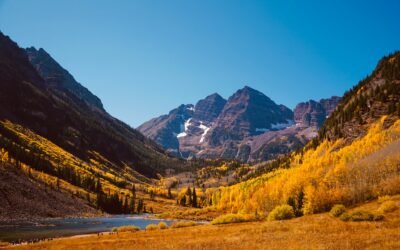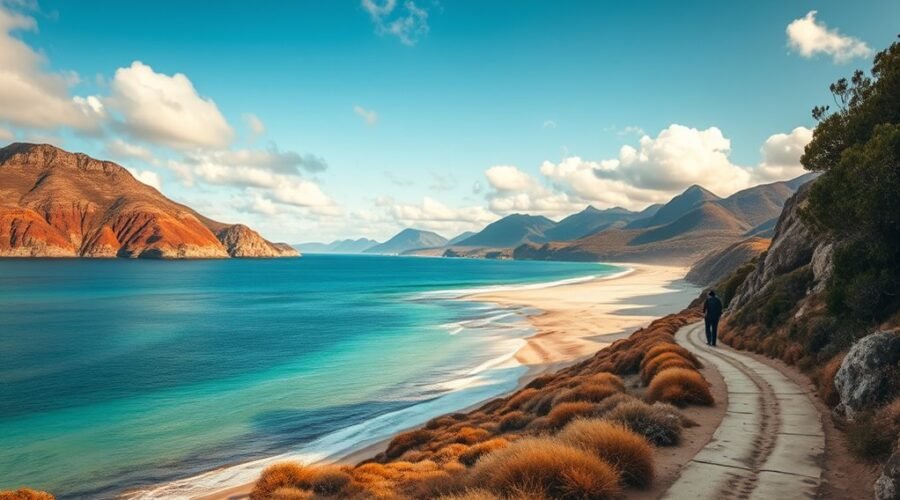
If you want mild weather, manageable crowds, good hiking conditions, and reasonable availability, the best time to visit Tasmania is usually during the shoulder seasons. Autumn and spring give you a strong balance of outdoor conditions and fewer peak-summer pressures, while summer is better for beaches and long daylight hours. Winter suits travelers who prefer quiet towns, alpine scenery, fireside stays, and cool-weather experiences.
Quick Answer
For most first-time visitors, March–April and October–November offer the best balance of comfortable sightseeing weather, outdoor activities, and lighter demand than peak summer. Choose December–February for beaches and long evenings, or June–August for quieter trips, winter festivals, snow-dusted highlands, and cozy accommodation.
Key Takeaways
- Best overall balance: March–April and October–November work well for many road trips, sightseeing days, and outdoor activities.
- Best for beaches: December–February brings Tasmania’s longest days and warmest average conditions, but it is also the busiest travel period.
- Best for hiking: Autumn is especially attractive for calm touring and walking conditions, while spring offers wildflowers and longer daylight but can be changeable.
- Best for quiet travel: June–August brings fewer peak-season visitors, cold weather, short days, and possible snow or ice in highland areas.
- Weather varies greatly by region: Hobart and the east coast can be much drier than western and alpine Tasmania.
- Plan ahead: Summer accommodation and vehicle hire can book early, and national parks, ferries, campgrounds, and popular walks may have separate passes, tickets, or booking requirements.
Pick the Best Time for Tasmania: A Quick Decision Framework
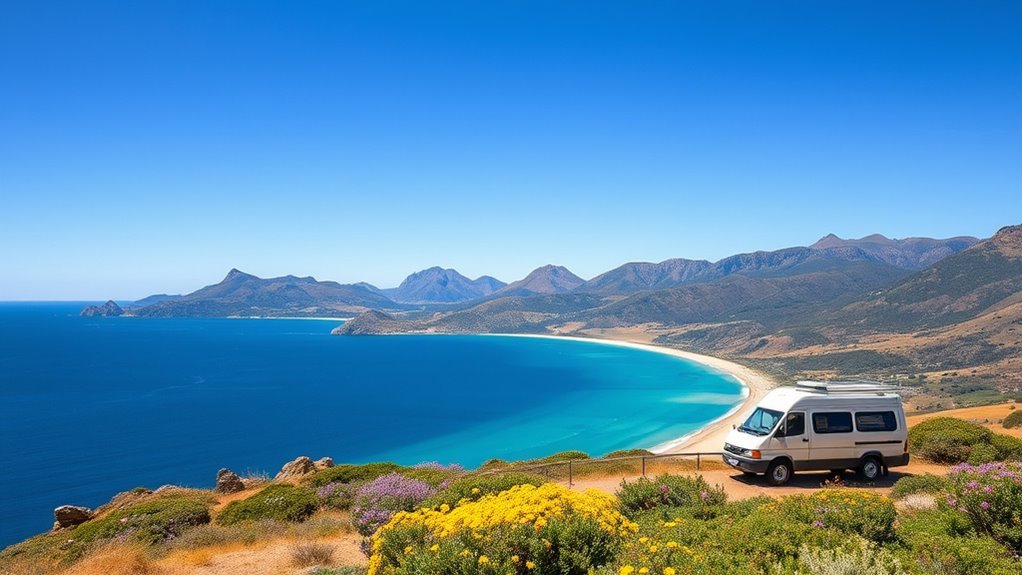
Not sure when to visit Tasmania? Start with four questions: how much cold or rain you tolerate, how important low crowds are, what activities matter most, and how flexible your budget and dates are.
If you prefer warm coastal days and long evenings, summer will usually suit you best. If hiking, road-tripping, food, photography, and quieter attractions matter more, autumn is an excellent alternative. Spring rewards flexible travelers with wildflowers, waterfalls, wildlife activity, and increasing daylight. Winter is colder but can be ideal for quiet towns, dramatic landscapes, winter food, arts events, and snow-dusted highlands.
Decide how flexible you are with weather—cool, changeable days can mean quieter trails and dramatic Tasmanian scenery, but conditions should never be assumed to stay clear.
| Your Priority | Strongest Window | Main Trade-off |
|---|---|---|
| Beaches and long evenings | December–February | Higher demand and busier popular sites |
| Road trips and hiking | March–April | Shorter evenings as autumn progresses |
| Flowers and spring landscapes | October–November | Fast-changing weather remains possible |
| Quiet towns and winter atmosphere | June–August | Cold, short days and alpine snow or ice |
| Photography | Autumn or spring | Conditions can change quickly |
Budget should also influence your decision. Summer’s high demand can reduce accommodation and vehicle availability. Shoulder and winter periods often give you more choice, although individual events, weekends, and destinations can still be expensive.
Tasmania Seasons at a Glance
| Season | Months | What to Expect | Best For |
|---|---|---|---|
| Summer | Dec–Feb | Warmest average weather, long daylight, busy holiday period | Beaches, kayaking, camping, coastal walks, festivals |
| Autumn | Mar–May | Cooling temperatures, crisp evenings, autumn color in selected highland areas | Road trips, hiking, food, vineyards, photography |
| Winter | Jun–Aug | Cold temperatures, short days, highland snow possible, quieter travel | Winter festivals, food, lodges, snow scenery, low-crowd touring |
| Spring | Sep–Nov | Increasing daylight, flowers and wildlife activity, highly variable weather | Wildflowers, waterfalls, whales, gardens, photography |
Note: Tasmania is small on a map but has major regional climate differences. Coastal Hobart weather should never be used as a forecast for Cradle Mountain, the Central Highlands, or the West Coast.
Tasmania Month-by-Month: Weather, Highlights, and Tips
The Bureau of Meteorology’s long-term Hobart climate averages provide a useful benchmark for trip planning. They are not a statewide forecast: western Tasmania is generally wetter, while highland locations are colder and more exposed.
| Month | Hobart Avg. High / Low | Travel Snapshot |
|---|---|---|
| January | 21.8°C / 12.1°C | Long days, beaches, hiking and high visitor demand. Reserve popular stays and vehicles early. |
| February | 21.8°C / 12.1°C | Still excellent for coastal travel and camping, with summer conditions continuing. |
| March | 20.3°C / 11.0°C | A strong all-round month for road trips, walks, food experiences, vineyards and comfortable sightseeing. |
| April | 17.4°C / 9.0°C | Cooler mornings, autumn scenery and good touring conditions. Late April can bring colorful fagus in highland areas. |
| May | 14.6°C / 7.0°C | Noticeably cooler with shorter daylight. Pack warmer layers and keep itineraries flexible. |
| June | 12.1°C / 5.2°C | Winter begins. Highland snow and icy roads become more relevant, while towns and attractions can feel quieter. |
| July | 11.8°C / 4.6°C | One of the coldest months. Good for winter scenery and cozy stays; alpine plans need weather checks. |
| August | 13.2°C / 5.3°C | Still wintry, especially in elevated areas, but daylight begins increasing. |
| September | 15.2°C / 6.5°C | Early spring brings flowers, wildlife activity and longer days, but cold outbreaks are still possible. |
| October | 17.0°C / 7.8°C | A useful shoulder-season month for gardens, waterfalls, road trips and outdoor sightseeing. |
| November | 18.8°C / 9.4°C | Warming weather, long daylight and growing summer activity without being deep into peak season. |
| December | 20.4°C / 10.9°C | Summer builds quickly. Holiday demand rises, events increase, and early booking becomes important. |
January and February bring summer warmth and long days that work well for beaches, Cradle Mountain walks, coastal touring, camping, kayaking, and outdoor events. March and April are particularly appealing for slower road trips, vineyards, produce, autumn landscapes, and walking.
May and June become cooler and darker. Waterfalls and forests can be atmospheric, but you should carry warmer and waterproof layers. July and August offer dramatic winter scenery, with snow possible in Tasmania’s highlands and occasional icy or snow-covered roads.
September and October introduce spring blooms, breeding wildlife, waterfalls and increasing daylight. November is warmer and feels closer to summer, making it a useful compromise for travelers who want outdoor time without deliberately targeting the main holiday period.
Tasmania’s Weather Varies by Region
One of the biggest mistakes when choosing a month is treating Tasmania as though the entire island has Hobart’s climate.
- Hobart and the southeast: Generally drier than western Tasmania, with comparatively moderate coastal conditions.
- East Coast and Freycinet: Popular for beaches and coastal walks, particularly during the warmer months, although rain and strong wind can occur at any time.
- West Coast: Generally wetter and more exposed to weather systems. Build extra flexibility into hiking and driving plans.
- Cradle Mountain and the highlands: Colder than coastal cities, with alpine weather, wind, snow and ice possible well beyond the middle of winter.
- North and Tamar Valley: Useful for food, wine, gardens and regional touring, with conditions that can differ from both Hobart and the West Coast.
Warning: Do not choose clothing, hiking gear, or road plans from Hobart’s forecast alone if you are heading into Tasmania’s mountains or western regions. Check the local forecast and any road, track, or park alerts before departure.
Tasmania Crowds: When and Where to Avoid the Busiest Spots
If you want quieter trails and easier bookings, avoid concentrating your trip in the peak summer holiday period. Summer is Tasmania’s most popular travel season, and accommodation and vehicle hire can require advance planning.
Freycinet National Park, Wineglass Bay, Cradle Mountain and other major attractions can feel substantially busier on popular summer days, public-holiday weekends and school-holiday periods.
For a calmer experience, consider March, April, October or November, travel midweek where possible, and spend part of your itinerary beyond the best-known stops. The West Coast, regional towns and less concentrated touring routes can help spread your trip beyond the busiest visitor corridors.
Pro Tip: If you must travel in summer, lock in your vehicle and hardest-to-replace accommodation first. You can keep smaller attractions and meal stops more flexible around those fixed bookings.
School-holiday dates change from year to year, so check Tasmania’s current official term calendar before booking if avoiding family-travel peaks matters to you.
Seasonal Travel Costs & Logistics in Tasmania
Seasonal demand can influence Tasmania’s accommodation, rental-car and tour availability just as much as the places you choose to visit.
Seasonal pricing in Tasmania can shape your budget—travel outside the busiest summer periods and compare dates to improve your chances of finding better availability and value.
Summer is the main high-demand season, particularly in well-known destinations such as Hobart, Freycinet and Cradle Mountain. Book early if your dates are fixed.
Autumn and spring can offer a useful compromise between outdoor conditions and availability. Winter can also provide good value for travelers who enjoy cool weather, although major events may temporarily increase demand in specific towns.
A rental car gives you the greatest freedom for national parks, smaller towns, beaches and regional food stops. Public transport exists between populated areas, but it does not provide the same coverage or flexibility as driving.
If you travel across Bass Strait with a vehicle, check ferry reservations early and confirm that any rental agreement permits your planned route. Keep luggage allowances, fuel costs, parking and one-way rental fees in your budget rather than comparing accommodation prices alone.
Tasmania’s national parks generally require a valid parks pass. Certain activities, campgrounds, multi-day walks, caves, shuttle services or other experiences can involve additional tickets, bookings or fees. Cradle Mountain also has its own shuttle arrangements, so check the current access rules before you arrive.
Travel insurance can be worth considering for cancellations, medical costs and activities that fall within your policy’s coverage. Read the wording carefully if your trip includes hiking, cycling, water activities or other adventure travel.
Driving and Road-Trip Safety by Season
Tasmania is well suited to road trips, but distances on a map can be deceptive. Roads outside major corridors may be narrow, steep, winding or unsealed, so actual driving time can be longer than expected.
- Drive on the left and use seatbelts.
- Slow down on winding, gravel, wet or icy roads.
- Watch carefully for wildlife, particularly around dusk and dawn.
- Avoid rushing between attractions just because the straight-line distance looks short.
- Download offline maps because mobile coverage can be patchy in remote areas.
- Check your rental agreement before using unsealed roads.
- In winter and occasionally spring, highland roads can be affected by snow or ice.
- If visiting Ben Lomond National Park between June 1 and September 30, be aware of the requirement for vehicles to carry snow chains.
Warning: Wildlife collisions are a genuine Tasmanian road risk. Where practical, avoid unnecessary rural driving around dusk and dawn, slow down when animals are visible, and never stop in a traffic lane to photograph wildlife.
Best Season by Activity: Beaches, Hiking, Wildlife, Photography
The best season depends on what you actually want to do. Beaches, hiking, wildlife, photography and aurora watching each favor different conditions.
| Activity | Good Time to Go | Why |
|---|---|---|
| Beaches and coastal time | Dec–Feb | Warmest average conditions and Tasmania’s longest daylight hours |
| Hiking and road trips | Mar–Apr; Oct–Nov | Comfortable shoulder-season touring, although alpine weather can change quickly |
| Wildflowers and gardens | Sep–Nov | Spring flowering and greener landscapes |
| Wildlife | Year-round; spring is especially interesting | Many animals can be seen throughout the year; spring adds breeding activity, baby wildlife and whale-watching opportunities |
| Photography | Mar–May; Sep–Nov | Autumn tones, spring flowers, changing skies and shoulder-season light |
| Snow scenery | Jun–Aug | Highest chance of snow in elevated areas, though snowfall is never guaranteed for a particular day |
| Aurora Australis | Any season when conditions align | Requires sufficient geomagnetic activity plus dark, clear skies and low light pollution |
If you crave sun and surf, summer is the clearest choice. Tasmania’s water remains cool compared with many mainland beach destinations, but the long days suit coastal walks, swimming, kayaking and beach time.
Spring can be rewarding for hiking and photography because of flowers, waterfalls, wildlife activity and lengthening daylight. However, do not assume mountain tracks will be clear simply because it is spring; cold, wind, snow and rain can still affect elevated areas.
Wildlife viewing is possible throughout the year. Spring adds breeding activity and young animals, while many Tasmanian species are active around dawn, dusk or nighttime. Observe from a respectful distance and take particular care when driving at those hours.
Photographers often enjoy both shoulder seasons: autumn can add warm foliage tones to highland and garden landscapes, while spring brings flowers, greener scenery and energetic weather.
Festivals, farmers’ markets, Aboriginal cultural experiences, regional food and local produce can add depth to an outdoor itinerary in any season. Check individual event dates before building your trip around them because schedules change from year to year.
What to Pack for Tasmania by Season
Tasmania rewards layered packing because one day can include sun, cold wind, rain and large temperature changes between the coast and mountains.
- Summer: Light clothing, warm layer, rain shell, sun protection, walking shoes and a reusable water bottle.
- Autumn: Warm mid-layer, waterproof outer layer, long pants and sturdy shoes for cool mornings and evenings.
- Winter: Insulating layers, waterproof and wind-resistant outerwear, warm hat and gloves, especially for highland destinations.
- Spring: Pack for both cool and mild weather. A waterproof shell and warm layer remain important even on a promising forecast.
For bushwalking, keep your clothing and outdoor equipment clean and dry before arriving in Tasmania. Soil, seeds and plant material on boots, tents, bikes, fishing equipment or other recreational gear can create biosecurity risks and may require inspection or cleaning.
Frequently Asked Questions
Do I need a car to explore Tasmania effectively?
You do not strictly need a car, particularly if you stay in major cities or join organized tours. However, driving gives you far more flexibility for national parks, remote beaches, regional towns and spontaneous stops. Public transport options become more limited outside populated areas.
Are Tasmanian roads safe for campervans and inexperienced drivers?
They can be driven safely when you allow enough time and adjust to conditions. Tasmania has winding, steep, gravel and occasionally icy roads, and wildlife is particularly active around dusk and dawn. Drive on the left, slow down in poor conditions, check rental restrictions for unsealed roads, and avoid overloading each day’s itinerary.
Can I see the Southern Lights from Hobart?
Sometimes. Tasmania is one of Australia’s better regions for viewing the Aurora Australis, but sightings are unpredictable. You need enough geomagnetic activity plus a dark, clear sky and low light pollution. Dark coastal locations south of Hobart can improve your view, but you should not plan an entire Tasmania trip around a guaranteed aurora sighting.
Are there seasonal biosecurity rules for bringing food or outdoor gear into Tasmania?
Tasmania maintains strict biosecurity controls throughout the year. Certain food, plant and animal products may need to be declared or may have entry conditions. Hiking boots, camping equipment, bikes and other outdoor gear should be thoroughly cleaned so they are free of soil, seeds, plant material and other contamination before travel.
What medical facilities are available in remote Tasmanian areas?
Tasmania has major hospitals in its larger population centers plus district and community health services in regional areas, but advanced care can be much farther away when you are hiking or driving in remote country. Carry essential medication, know your route, and call Triple Zero (000) for a life-threatening emergency.
Is autumn or spring better for visiting Tasmania?
Autumn is often the stronger choice for calm road trips, hiking, food, vineyards and crisp evenings. Spring is better if wildflowers, waterfalls, gardens, whales and increasing daylight appeal to you. Both seasons can be excellent, but spring weather tends to demand more flexibility in exposed and highland areas.
What is the cheapest month to visit Tasmania?
There is no single month that is always cheapest because prices depend on destination, events, weekends and how early you book. Winter and parts of the shoulder seasons can provide better availability than peak summer, but compare your exact travel dates instead of assuming every off-season room, vehicle or flight will cost less.
Sources
- Bureau of Meteorology — Hobart long-term monthly temperature and rainfall averages, Tasmanian seasonal climate reporting, and Aurora Australis viewing guidance.
- Discover Tasmania — official seasonal travel guidance, summer demand, getting around Tasmania, road-trip planning and road-safety information.
- Parks & Wildlife Service Tasmania — national-park passes, entry fees, Cradle Mountain access and shuttle-bus requirements.
- Biosecurity Tasmania, Department of Natural Resources and Environment Tasmania — rules for bringing food, plants and recreational equipment into Tasmania.
- Department for Education, Children and Young People Tasmania — current Tasmanian school-term and holiday dates.
- Transport Services Tasmania — roadkill risk and official advice to slow down and watch for wildlife, particularly from dusk until dawn.
Conclusion
For most travelers, March–April or October–November gives Tasmania’s best overall balance of outdoor time, road-trip flexibility and lighter demand than peak summer. Choose December–February if beaches and long evenings matter most, or June–August if you prefer quiet towns, winter events and snow-dusted highlands. Whatever month you choose, build flexibility into your itinerary: Tasmania’s coastal, western and alpine weather can differ sharply on the same day, so check local forecasts, park conditions and road alerts before setting out.