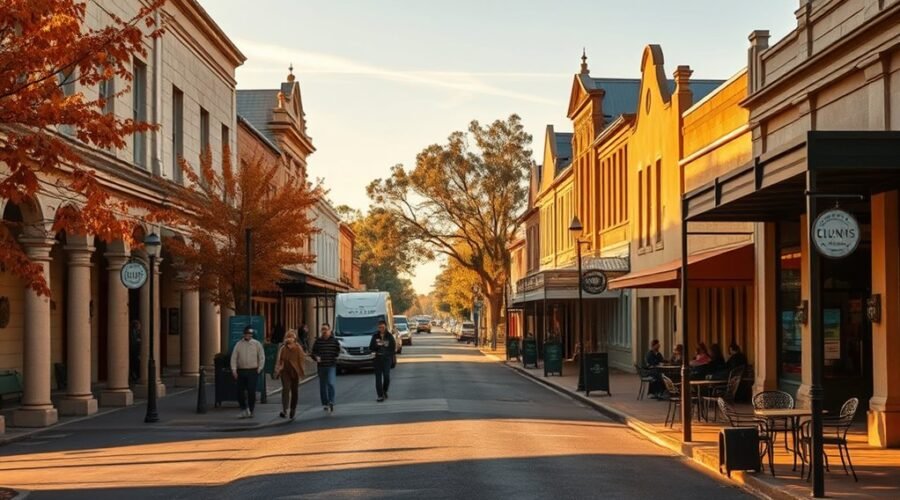
The best time to visit Clunes depends on whether you want pleasant weather, literary festivals, or peaceful heritage streets. This historic gold-rush town in Victoria offers a different experience in every season. Spring and autumn are excellent for sightseeing, while March brings the famous Booktown Festival and its biggest crowds.
Quick Answer
The best time to visit Clunes is October to November or April to early May for comfortable sightseeing and fewer visitors. Choose 20–21 March 2027 for the Booktown Festival, or June to August for a quieter, cooler escape. Weekday visits generally offer the best chance of finding affordable accommodation outside major events.
Last checked: November 11, 2026. Dates and figures were verified against official sources.
Key Takeaways
Key Takeaways
- Spring (September–November): Great for heritage walks, gardens, and outdoor markets. November also hosts the Clunes Agricultural Show.
- Summer (December–February): Warm, relatively dry weather suits scenic drives, but summer school holidays can make accommodation busier.
- Autumn (March–May): Comfortable sightseeing weather, with the Booktown Festival creating a major visitor peak in March.
- Winter (June–August): Cold mornings and wetter conditions suit museums, bookshops, cafés, and quieter stays.
- Budget tip: Compare weekday accommodation outside festival dates, public holidays, and school breaks.
Best Time to Visit Clunes: Quick Recommendations
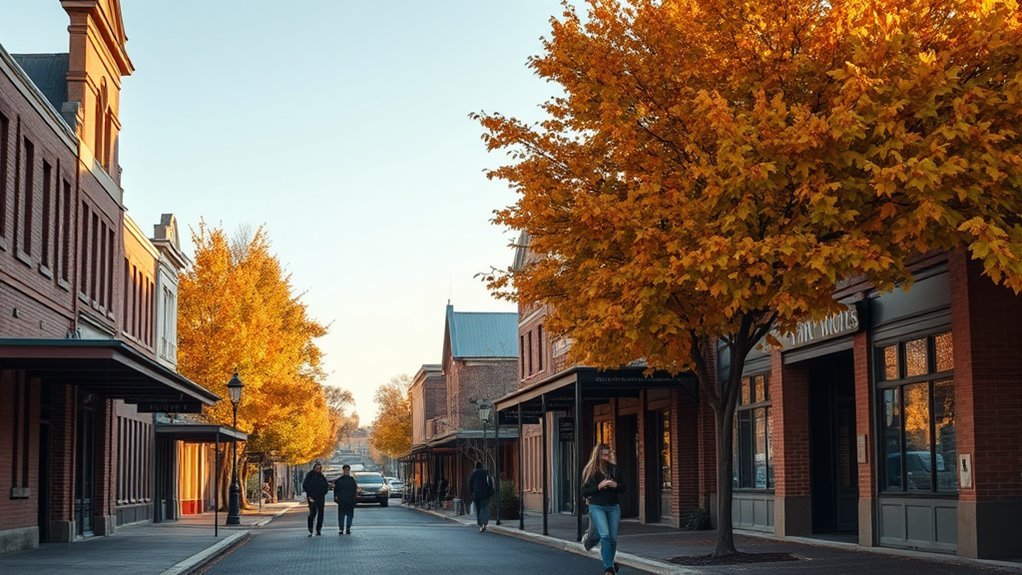
October, November, April, and early May are excellent choices for exploring Clunes without the busiest festival crowds. These months offer a useful balance of comfortable daytime temperatures, historic streets, and local activities.
Spring brings longer daylight and colourful gardens. Autumn offers cooler walks, soft afternoon light, and a relaxed atmosphere outside the Booktown Festival weekend.
If you love books, however, March deserves special attention. The annual Booktown Festival transforms the town into a lively literary destination with booksellers, writers, workshops, and entertainment.
For a quiet weekend, choose a date outside major events. You can spend more time browsing secondhand books, talking with local shopkeepers, and enjoying Clunes at your own pace.
Clunes also makes a useful base for exploring nearby parts of Victoria, including Ballarat, Creswick, Talbot, and Daylesford.
The following seasonal comparison helps you match your visit with the weather and atmosphere you prefer.
| Season | Average Daytime Highs | Rainfall | Crowds and Events | Best For |
|---|---|---|---|---|
| Spring (Sep–Nov) | 15.6–22.7°C | About 46–56 mm monthly | Usually moderate; Agricultural Show in November | Walking, markets, gardens |
| Summer (Dec–Feb) | 26.3–28.5°C | About 34–39 mm monthly | School-holiday demand; generally outside the main Booktown festival period | Scenic drives, picnics, long evenings |
| Autumn (Mar–May) | 15.1–24.7°C | About 34–54 mm monthly | Very busy during Booktown; quieter on other dates | Booktown, heritage walks, photography |
| Winter (Jun–Aug) | 11.2–12.8°C | About 59–64 mm monthly | Generally quieter outside school holidays and event days | Museums, cafés, reading, relaxed stays |
Temperature and rainfall figures are based on long-term observations, not a forecast for your travel dates.
Clunes Weather by Season: Temperature, Rain and Daylight
Clunes has four distinct seasons, with warm summers and chilly winters. Rainfall is generally higher during the colder months, while summer provides longer daylight for outdoor sightseeing.
The Bureau of Meteorology’s Clunes climate records, from station 088015, provide monthly average temperatures and rainfall.
These averages are useful for planning, although individual days can be much hotter, colder, or wetter.
Seasonal Temperature Ranges
Clunes’ average daytime temperatures rise steadily from spring into summer before cooling through autumn and winter. Early mornings can remain cold even when the afternoon feels pleasant.
- Spring (September–November): Average daily highs increase from 15.6°C in September to 22.7°C in November. Average lows range from 3.9°C to 7.3°C. This is a comfortable period for exploring town.
- Summer (December–February): Average highs range from 26.3°C to 28.5°C. January is typically the warmest month by average maximum temperature. Outdoor activities are best planned around the day’s heat.
- Autumn (March–May): Average highs fall from 24.7°C in March to 15.1°C in May. Cooler evenings make a warm layer useful, particularly later in the season.
- Winter (June–August): Average highs range from 11.2°C to 12.8°C. July has an average minimum temperature of 2.0°C, so frost and very cold mornings are possible.
For outdoor sightseeing, October and November offer a particularly appealing balance between warmth and manageable conditions. April is another strong choice if you prefer cooler weather.
Rainfall and Daylight Patterns
Clunes is generally drier in summer and wetter in winter. The Bureau of Meteorology records an annual average rainfall of approximately 580 mm, with August having the highest average monthly rainfall at 64.3 mm.
January averages 33.8 mm, compared with 59.2 mm in July. These figures explain why winter plans benefit from indoor alternatives.
- Spring: Increasing daylight gives you more time for heritage walks, gardens, and photography. Passing showers remain possible.
- Summer: Long evenings suit scenic drives and outdoor dining. Afternoon heat can make exposed walking routes uncomfortable.
- Autumn: Daylight gradually shortens, while mild afternoons and softer light suit photography and relaxed exploration.
- Winter: Short daylight hours and more frequent rain make museums, bookshops, and cafés especially appealing.
If you’re taking photographs, early morning and late afternoon often produce gentler light across the town’s heritage buildings.
When Is Clunes Busiest? Peak Months and Events
Clunes is especially busy during its March Booktown Festival. Summer school holidays and selected long weekends can also increase demand, but the town’s largest literary event does not take place in December or January.
Outside those dates, Clunes generally feels quieter than major Victorian tourist centres.
Summer Holiday Peak: December and January
Summer attracts visitors looking for warm weather, outdoor markets, countryside drives, and holiday escapes. December and January can be busier because Victorian families have an extended school break.
However, the main Booktown Festival takes place in March, not during summer.
For summer sightseeing, expect:
- Warm afternoons suitable for exploring shops, historic buildings, and nearby countryside
- Long daylight hours for picnics and scenic drives
- More demand around Christmas, New Year, and holiday weekends
- Potentially hotter conditions that make morning walks more comfortable
If you prefer summer weather without the strongest school-holiday demand, February is worth considering.
School Holiday Surges
Victorian school holidays can bring more families to Clunes and surrounding towns. The greatest effect is likely around summer holidays, long weekends, and popular local events.
According to the Victorian Government school calendar, the summer holiday period runs from December 21, 2026, to January 27, 2027, with government-school students beginning on January 28.
For 2027, other school breaks fall between the end of each term and the start of the next:
- Autumn: March 26 to April 11
- Winter: June 26 to July 11
- Spring: September 18 to October 3
Private-school calendars can differ, and public holidays may create additional busy weekends.
If you want uncrowded cafés and more accommodation choices, visit during an ordinary school-term weekday rather than a holiday weekend.
Quiet Months in Clunes: Fewer Crowds and Lower Prices
June to August offers a good chance of experiencing quieter streets and finding off-peak accommodation opportunities. Late autumn and early spring can also be peaceful outside holiday periods and local events.
These months suit visitors who prefer a slower pace rather than a busy festival atmosphere.
You can explore Clunes’ historic bookshops, admire gold-rush buildings, and spend unhurried afternoons in local cafés.
- June: A quiet period for indoor attractions, reading, and relaxed heritage stays.
- July: Cold weather encourages cosy café visits and museum trips. School holidays may briefly increase visitor numbers.
- August: Often a peaceful month for exploring, although rainfall and cold mornings remain common.
- Early September: A good transition into spring, with increasing daylight and the possibility of quieter weekday accommodation.
Midweek stays can be particularly appealing because you avoid the extra activity that markets and weekend events bring.
Accommodation rates are not guaranteed to be cheaper throughout winter. Individual properties may have minimum stays, special offers, or different seasonal pricing policies.
Still, travelling outside major events usually provides more flexibility when choosing where to stay.
Key Annual Events in Clunes: Booktown and More
Clunes has a strong literary and community identity. Its event calendar includes the famous Booktown Festival, monthly markets, author talks, and an agricultural show.
These events can shape both the atmosphere of your visit and local accommodation demand.
Clunes Booktown Festival: Dates and Highlights
The Clunes Booktown Festival is one of the town’s most important annual events. It turns the historic centre into a celebration of books, writing, storytelling, and independent publishing.
The festival’s official information lists March 20–21, 2027, as the next festival dates on its official festival profile.
The March 21–22, 2026, event featured more than 130 book traders, author talks, workshops, live music, and family activities.
Typical festival highlights include:
- Book stalls: Discover secondhand, rare, antiquarian, and contemporary books from specialist sellers.
- Author talks: Attend conversations about literature, history, culture, and current ideas.
- Workshops: Join practical sessions led by writers and creative professionals.
- Live entertainment: Enjoy music, performances, and the lively atmosphere of the town centre.
- Family activities: Explore children’s events, food stalls, and community attractions.
The festival is best for readers, book collectors, writers, and visitors who enjoy busy cultural events.
If you want peaceful streets, avoid the main festival weekend and visit on a quieter date.
The organiser’s festival information confirms that the 2026 event required a gate ticket, with separate tickets for author talks and workshops.
For the 2026 event, general gate admission was $15, while children under 16 and local residents received free precinct entry. These historical prices should not be treated as confirmed 2027 rates.
Accommodation in town can sell out for the festival, so reserving early is particularly useful if you want to stay within walking distance.
Seasonal Event Schedule
Beyond Booktown, Clunes hosts smaller activities that give you a closer look at its community and heritage.
The calendar changes through the year, but several recurring events provide useful planning points.
- Spring: The Clunes Agricultural Show celebrates local farming, animals, competitions, and regional traditions. The 2026 show is scheduled for November 21.
- Summer: Community markets, local shops, and seasonal activities offer opportunities to explore during the warmer months.
- Autumn: The March Booktown Festival is the major literary highlight. Smaller book-related activities continue beyond the festival.
- Winter: Indoor cultural activities, community gatherings, and author talks provide alternatives to outdoor sightseeing.
The Clunes and District Agricultural Society listing confirms November 21, 2026, as the show date.
Its attractions include animal competitions, agricultural displays, family entertainment, and traditional show activities.
These smaller events can make a visit more interesting without requiring you to attend the much larger Booktown Festival.
Local Community Activities
Clunes offers more than its major annual events. Regular markets, book discussions, creative workshops, and heritage activities help keep the town interesting throughout the year.
The Clunes Farmers and Makers Market is held on the second Sunday of each month. It brings local producers, food sellers, and craftspeople together.
Creative Clunes also runs Booktown on Sunday, a monthly author-talk program generally held from May through November.
The organisation’s community activities information describes its literary events, workshops, and other cultural programs.
Depending on your dates, activities may include:
- Farmers’ markets with regional food and handmade goods
- Secondhand book sales and literary discussions
- Music events and local performances
- Workshops covering creative and practical skills
- Heritage walks exploring the town’s gold-rush history
- Community gatherings and volunteer activities
If you enjoy meeting residents and learning about local life, a market Sunday can be an excellent alternative to a major festival weekend.
Accommodation Prices in Clunes Throughout the Year
Accommodation prices in Clunes depend on property type, booking demand, and local events. The greatest pressure on availability is likely during Booktown Festival, major holidays, and popular weekends.
Because Clunes is a small town, its limited accommodation supply can make event dates harder to book.
Typical accommodation options include heritage cottages, bed-and-breakfast properties, holiday homes, and smaller guesthouses.
Seasonal booking patterns generally work as follows:
- March festival weekend: Expect strong demand and fewer available rooms. Book well ahead if staying in Clunes is important.
- Summer school holidays: Family travel and holiday bookings can increase demand, particularly around Christmas and January.
- Spring and autumn weekdays: Often provide more flexibility, especially away from festivals and long weekends.
- Winter: May offer quieter accommodation periods and potential discounts, although individual property prices vary.
Visitors attending Booktown can also consider nearby Creswick, Talbot, Ballarat, Castlemaine, or Daylesford if accommodation in Clunes is unavailable.
When comparing stays, account for the complete booking cost rather than the advertised nightly rate alone.
Cleaning charges, minimum-night requirements, cancellation conditions, and transport expenses can change which option offers the best value.
Pro Tip: If you’re visiting Booktown, compare accommodation in Clunes with Creswick and Talbot. Staying outside town may provide more options, but include transport costs and travel time before choosing.
Estimated Daily Budgets: Food, Activities and Transport
A day in Clunes can be inexpensive if you focus on free heritage sightseeing, bookshop browsing, and simple café meals. Your costs rise when you add accommodation, guided experiences, festival tickets, and private transport.
The most useful approach is to separate essential spending from optional activities.
Here are three ways to plan your visit:
- Budget day: Buy a bakery breakfast, explore the historic streets on foot, browse bookshops, and visit free public spaces. Choose self-guided activities to keep spending low.
- Mid-range day: Enjoy a café lunch, visit the museum, explore local shops, and include a nearby attraction or a paid cultural experience.
- Higher-budget day: Stay in a heritage cottage, dine at local restaurants, arrange a guided experience, and include a winery visit or private transport.
One useful low-cost attraction is Clunes Museum, located at 36 Fraser Street.
According to the Clunes Museum’s official information, general entry is available for a voluntary gold-coin donation.
The museum’s exhibitions explore gold discovery, local industries, mining-era homes, and community history.
You can also collect a self-guided walking map from The Warehouse, which houses the museum and visitor information service.
Other practical spending considerations include:
- Meals, coffee, and snacks
- Fuel or regional public transport fares
- Accommodation and possible cleaning fees
- Festival or workshop tickets
- Books, antiques, and local souvenirs
All amounts should be budgeted in Australian dollars. There is no dependable single daily price for every visitor because your accommodation and transport choices make such a large difference.
How Weather Affects Activities and Nearby Day Trips
Weather can change which Clunes activities feel most enjoyable. Mild days suit heritage walking and scenic drives, while cold or wet conditions make the museum, bookshops, and cafés more attractive.
Summer provides more daylight for regional exploration, but hot weather can make longer outdoor walks uncomfortable.
Choose activities that match the day’s conditions rather than relying on one fixed itinerary.
| Weather | Best Move |
|---|---|
| Cold & clear | Museums, cosy pubs |
| Mild & breezy | Heritage walks |
| Warm & dry | Picnics, scenic drives |
| Showery | Short indoor stops |
For nearby day trips, several destinations offer different experiences:
- Creswick: A nearby goldfields town with heritage attractions and countryside scenery.
- Talbot: A small historic town suited to relaxed browsing and local markets.
- Ballarat: A larger regional destination with museums, gold-rush attractions, shops, and restaurants.
- Daylesford: Known for its spa-country atmosphere, food, galleries, and scenic surroundings.
- Mount Beckworth: An appealing option for hiking and countryside views when conditions are suitable.
- The Pyrenees region: A possible longer outing for scenic countryside and winery experiences.
For short stays, exploring Clunes itself may be more rewarding than trying to visit several towns in one day.
Consider spending one day on local heritage attractions and a second day exploring the surrounding countryside.
Packing List and Practical Tips for Each Season
Pack layers for Clunes because morning and afternoon temperatures can differ significantly. Comfortable walking shoes and a waterproof jacket are useful in most seasons.
Your clothing should also reflect the activities you plan, from indoor book browsing to longer countryside walks.
Spring packing essentials:
- Light jacket or fleece for cool mornings
- Comfortable walking shoes
- Packable waterproof outer layer
- Daypack for markets and sightseeing
Summer packing essentials:
- Lightweight, breathable clothing
- Wide-brimmed sun hat and sunglasses
- Sunscreen suitable for extended outdoor use
- Refillable water bottle
Autumn packing essentials:
- Long-sleeved shirts and warm layers
- Light rain jacket
- Comfortable shoes for heritage streets
- Warmer clothing for evenings
Winter packing essentials:
- Warm insulated jacket or coat
- Beanie, gloves, and thermal socks
- Waterproof footwear with good grip
- Extra layers for cold mornings
A compact first-aid kit is useful throughout the year, especially if you plan to hike or cycle outside town.
Check the local forecast shortly before travelling, then adjust your outdoor activities to suit expected conditions.
Warning: Summer heat and winter cold can make outdoor walks more demanding than expected. Carry drinking water, wear suitable clothing, and avoid exposed trails during extreme weather or unsafe conditions.
Choose Your Clunes Travel Dates by Budget, Events, or Weather
Your ideal travel dates depend on what matters most. Visitors seeking comfortable sightseeing conditions will make a different choice from those travelling specifically for books, festivals, or lower accommodation costs.
Use this simple comparison to narrow your options.
| Priority | Best Months | Tip |
|---|---|---|
| Budget | Feb–Mar, Sep–Oct | Look for midweek deals |
| Events | Apr–May, Nov | Reserve early for tickets |
| Weather | Oct–Nov | Pack layers, expect sun |
For the most accurate event planning, the table needs one important distinction: March is the key month for Booktown, while November is important for the Agricultural Show. April and May are better suited to quieter autumn sightseeing and smaller cultural activities.
Here’s how to make your final choice:
- Best overall weather: October to November, with April another comfortable option.
- Best for the Booktown Festival: March 20–21, 2027.
- Best for agricultural traditions: November 21, 2026, for the Clunes Agricultural Show.
- Best for quiet streets: June to August, outside school holidays and event days.
- Best for longer daylight: December to February.
- Best for a relaxed cultural weekend: A spring or autumn weekend without a major festival.
If you have only one day, focus on the historic town centre, bookshops, and Clunes Museum. With two days, add local markets or a nearby town.
This approach gives you enough time to appreciate Clunes without rushing between attractions.
Frequently Asked Questions
Are There Pet-Friendly Beaches or Parks Near Clunes?
Clunes is inland, so there are no beaches in town. Hepburn Shire has a designated off-leash area in Clunes, but dogs generally need a lead elsewhere in public. At the Booktown Festival, dogs must be on a lead and cannot enter indoor venues except as assistance animals.
Is Public Transport Available From Melbourne Daily?
Yes. V/Line runs trains to Clunes on the Maryborough line via Ballarat, with connecting services from Melbourne. Departures are limited, so a day trip needs careful planning. The railway station is roughly a 12-minute walk from the town centre, and festival shuttles operate during Booktown.
Are There Medical Facilities or Pharmacies in Clunes?
Yes. Ochre Medical Centre Clunes is at 69 Service Street, and Clunes Pharmacy is at 59 Fraser Street. The medical centre lists weekday appointments and after-hours contact arrangements. For a serious emergency, call 000; for complex hospital care, you may need to travel outside Clunes.
Can I Cycle Between Clunes and Nearby Towns Safely?
You can cycle between Clunes and nearby towns, but do not assume the roads have separated bike paths or marked cycling trails. Choose a route suited to your ability, assess traffic and road shoulders, and carry lights and water. Ask a local operator about current bike-hire options before relying on a rental.
Are There Accessible or Wheelchair-Friendly Attractions in Clunes?
Yes, some facilities offer accessible access. The Clunes railway station has a step-free platform, while The Warehouse and the festival provide accessible facilities or parking. Historic streets and individual venues may have uneven surfaces, so confirm access for your particular attraction before visiting.
Conclusion
The best time to visit Clunes is October to November or April to early May for comfortable weather and relaxed sightseeing. March is ideal for Booktown Festival visitors, while winter suits those who value quiet streets and cosy indoor attractions.
Choose your dates around the experience you want, reserve accommodation early for major events, and leave time to explore the town’s historic bookshops and gold-rush architecture.
Sources
- Australian Bureau of Meteorology: Clunes station 088015, long-term monthly temperature and rainfall averages.
- Clunes Booktown Festival Official Profile: March 20–21, 2027, festival dates.
- Clunes Booktown Festival FAQs: 2026 festival features, historical admission prices, transport arrangements, accessibility, and pet rules.
- Victorian Government School Term Dates: Official 2026 and 2027 government-school calendars.
- Victorian Agricultural Shows: November 21, 2026, Clunes Agricultural Show.
- Creative Clunes: Local cultural activities, Booktown on Sunday, and community events.
- Clunes Museum: Museum location, entry donation, exhibitions, and visitor information.
- V/Line: Official regional train and coach timetable information.
- Hepburn Shire Council: Dog-leash requirements and designated off-leash areas.
- Ochre Medical Centre Clunes: Medical centre location, opening hours, and after-hours information.