

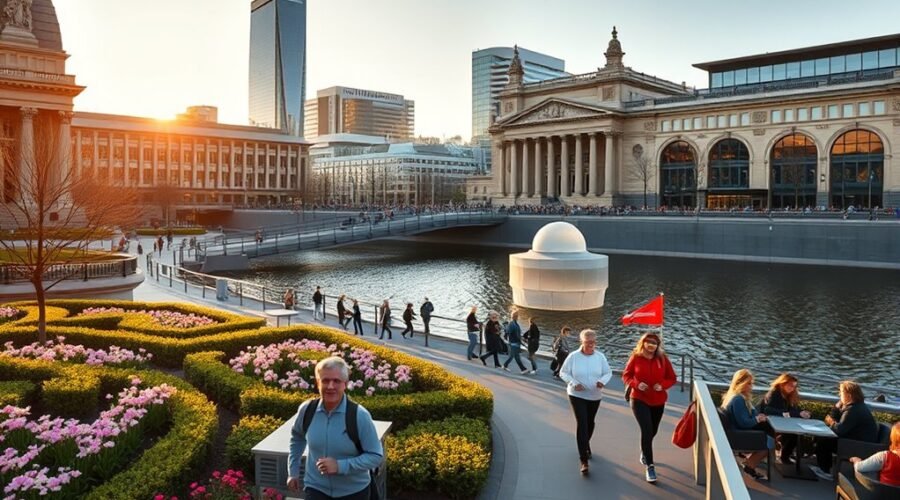
You’ll find Melbourne at its most pleasant in the shoulder seasons, when mild days and thinner crowds make laneway cafés, galleries and coastal drives more enjoyable without summer prices or winter rain. Pick early autumn for warm, sunny afternoons or early spring for crisp, comfortable days and blooming gardens. Keep an eye on event calendars and school holidays—those dates change everything—so you can time your trip for weather, costs and the vibe you want.
Key Takeaways
- Spring (Sep–Nov) balances mild weather, longer days, vibrant markets, and moderate crowds, making it ideal for outdoor and cultural activities.
- Autumn (Mar–May) offers comfortable temperatures, gallery openings, and smaller queues—bring a light jacket for cool evenings.
- Summer (Dec–Feb) delivers sunny beach weather and festivals but higher crowds, peak prices, and tram delays—book early and expect queues.
- Winter (Jun–Aug) has lower accommodation costs and fewer tourists, but cooler, rainy mornings—pack waterproof layers and indoor alternatives.
- Travel cheaper mid‑week in shoulder seasons (Mar–May, Sep–Nov); use public transport and monitor event calendars to avoid price spikes.
Quick Guide: Best Months for Weather, Events & Budget
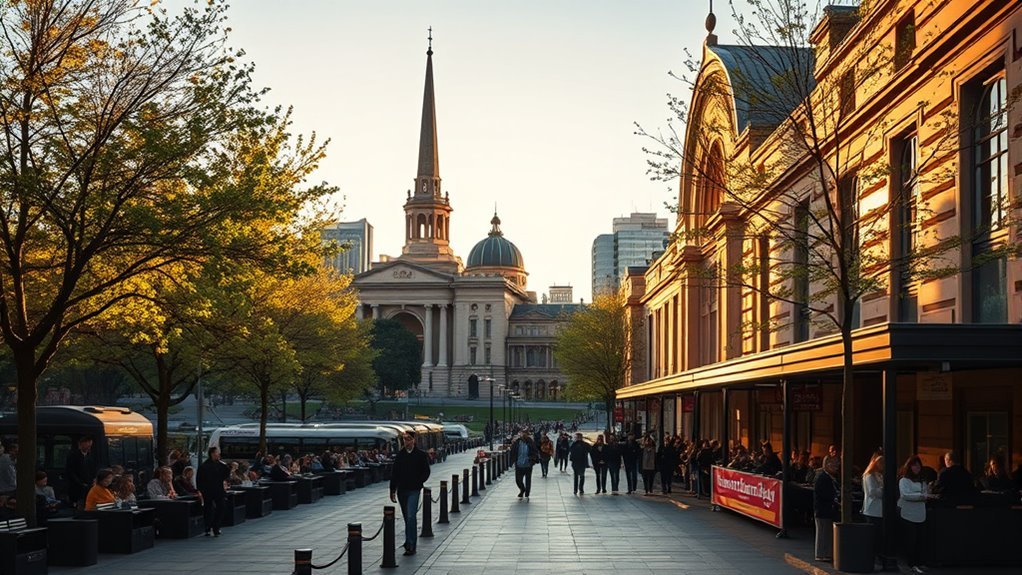
Wondering when Melbourne gives you the best mix of weather, events and value? You’ll aim for shoulder months—March to May and September to November—when mild days let you roam freely without crowds pressing on your space.
Head to Melbourne in the shoulder months—March–May or September–November—for mild days, fewer crowds, and great value.
You’ll catch film festivals, art openings and street fairs that feed curiosity and cost less than peak summer.
Public transport runs smoothly for your late-night escapes, and you’ll find cheaper flights and midweek hotel deals that free up your budget for experiences.
Winter can be lonely but offers cheap stays and intimate theatre; summer explodes with events but prices spike and lines grow long.
If you want balance, pick a long weekend in spring: you’ll wander gardens, hit vibrant night markets, and still score quieter galleries.
You’ll travel lighter—both in luggage and expectations—letting Melbourne’s energy expand what feels possible without draining your wallet.
What Melbourne’s Seasons Actually Feel Like
In summer you’ll feel hot afternoons and sudden weather swings that keep you reaching for sunscreen and a light jacket.
In autumn the air cools to mild days and colorful evenings that invite slow walks through leafy streets.
In winter expect cool, rainy mornings that make you glad for a warm café and a good coat.
Summer: Hot, Changeable Days
When summer hits Melbourne, you’ll feel both heat and unpredictability — one hour can be a blazing 35°C at the beach and the next a sudden cool change sends everyone reaching for a jacket.
You’ll chase freedom across sunlit laneways, shrugging off routines to embrace heat swings that make packing an act of rebellion.
Days invite barefoot strolls, rooftop sipping and spontaneous swims; evenings pulse with open-air bars and night markets where street food, live beats and strangers’ laughter feel like permission to stay out late.
Keep a light layer and water on hand, and let the city’s restless weather nudge you into improvisation.
Summer here isn’t calm — it’s exhilarating, raw, and utterly liberating.
Autumn: Mild, Colorful Evenings
After summer’s heat-washed spontaneity, Melbourne eases into autumn with softer light and cooler evenings that invite slow walks through streets turned amber.
You’ll feel the city breathe differently: traffic hums softer, cafés spill warm air onto pavements, and your pace loosens.
Autumn foliage dots parks and boulevards—crimson, ochre, rust—inviting you to linger on benches or beneath plane trees.
As dusk falls, evening lanterns glow along laneways and riverside paths, turning ordinary routes into private corridors of light.
You’ll want to wander without plan, taste seasonal menus, and find small freedoms in quiet corners.
It’s a time for shedding rush and layering comfort, for reclaiming the evening as yours, calm and vividly colored.
Winter: Cool, Rainy Mornings
Though grey skies and a steady drizzle might slow your stride, Melbourne’s winter mornings have a clear, intimate rhythm: trams hiss through wet streets, café windows fog with steam, and the smell of rain and roasting coffee pulls you toward a warm corner.
You move through lanes that glisten, choosing between a slow wander and deliberate escape.
Indoor markets invite you to taste defiant warmth—spiced pastries, smoky char, bright citrus—while street art peeks from damp alleys.
Historic tours shrink the city to human stories; guides throw open forgotten doors so you can claim connection.
You wrap a scarf around resolve, seek small rebellions in heated rooms and crowded booths, and let the cool, rainy morning sharpen your appetite for freedom.
Summer (Dec–Feb): Sunshine, Big Events, Peak Prices
In summer you’ll wake to long, sunlit days that beg you to linger at beaches and outdoor cafés.
The city hums with major festivals, sports and late-night events that pull crowds from near and far.
Expect higher prices and busy streets—book ahead if you want the best spots.
Long Sunny Days
When summer arrives in Melbourne, you get long, bright days that invite outdoor cafés, beach trips, and late-night festivals; expect highs in the mid-20s to low 30s°C, plenty of sunshine, and a city that buzzes with events and tourists — which also pushes prices up and rooms in short supply.
You’ll chase light from dawn markets to golden-hour promenades, trading routine for spontaneous Sunset picnics on grassy foreshore and Beachside brunches where espresso meets ocean breeze.
Streets feel liberated: laneways spill music, patios glow late, and you move freer in light clothing and lighter mood.
Pack sunscreen and a flexible itinerary, book accommodation early, and embrace the warmth — it’s the season to stretch your days, claim space, and savor Melbourne’s sunlit freedom.
Major Festivals And Events
Because summer brings long days and warm nights, Melbourne bursts into a calendar of major festivals and events that’ll keep you busy from dawn markets to rooftop gigs.
You’ll wander laneways alive with street art popping off brick — bold murals that dare you to break routine and pose, explore, rebel.
Food markets tempt you with smoky barbecues, fresh seafood, and global bites that make every afternoon feel like a celebration of choice.
Outdoor concerts, pop‑up cinemas, and queer parties invite you to move freely, meet strangers, and rewrite plans on a whim.
You’ll catch immersive theatre in converted warehouses, film festivals under stars, and late‑night DJ sets that stretch into sunrise, all urging you to live louder and taste freedom.
Peak Prices And Crowds
While Melbourne sizzles with sunshine and nonstop events, expect crowds to swell and prices to spike across accommodation, tours, and transport. You’ll feel the buzz—beaches packed, streets humming, and lines at exhibitions—so plan early if you want choice without compromise. Peak-season rates bite, but liberation comes from smart moves: book flexible stays, travel at off-peak hours, and chase free cultural moments amid paid spectacles. Seek budget-friendly festivals and wander local markets for soulful, affordable experiences that keep your wallet light and your spirit free.
- Book 60+ days ahead to lock lower rates.
- Arrive midweek to dodge weekend surges.
- Use public transport over taxis during events.
- Scout popup gigs and street food stalls.
- Prioritize free exhibitions and community fairs.
Autumn (Mar–May): Mild Weather, Fewer Crowds, Better Value
As the summer heat eases, autumn in Melbourne offers crisp mornings, golden light and a gentler pace that makes exploring the city and surrounding regions a pleasure.
You’ll wander laneways under a copper canopy, join autumn festivals that pulse with local music and art, and feel free to shape your days without the urgency of peak-season crowds.
Temperatures stay comfortable — ideal for cycling along the Yarra, hiking in nearby ranges, or sipping coffee on a sunlit tram stop.
You’ll also find better value: accommodation and attractions ease their rates, and budget friendly dining blooms as chefs spotlight seasonal produce in smart, affordable plates.
Without long queues you can duck into galleries, sample wine regions, or book a spontaneous weekend on the coast.
Travel slowly, claim quieter mornings, and let Melbourne’s mild, liberating autumn invite you to roam, taste, and linger on your own terms.
Winter (Jun–Aug): Cool Culture, Lower Prices, Occasional Rain
Visit Melbourne in winter and you’ll trade beach days for cosy laneway cafes, gallery hops, and brisk coastal walks that suit layers and a thermos.
You’ll find cheaper hotel rates and flexible deals that make staying longer tempting.
Pack a compact umbrella, waterproof shoes, and a warm jacket so rainy afternoons won’t spoil your plans.
Cool Weather Activities
Looking for cozy ways to explore Melbourne in winter? You’ll slip into a city that invites slow discovery: steam from cafes, snug galleries, and rain-softened streets. Embrace freedom by choosing experiences that warm your body and clear your head—coastal hikes with brisk sea air, tram rides to hidden laneways, and wandering indoor markets where spices and art mingle.
- Walk cliffside coastal hikes at sunrise to reclaim space and breathe salt air.
- Lose yourself in indoor markets, tasting bold coffee and free-spirited street food.
- Warm up in intimate jazz bars that encourage quiet rebellion.
- Visit small galleries and theaters showcasing daring local voices.
- Take restorative baths at thermal spas to reset and plan your next move.
You’ll leave colder in weather, warmer in spirit.
Off‑Peak Accommodation Deals
Because winter cools the crowds, you’ll find accommodation deals that stretch your budget without shrinking your experience—think boutique hotels with discounted midweek rates, cozy B&Bs offering breakfast and local tips, and serviced apartments that give you a warm base for day trips to the coast or galleries.
You’ll snag quiet rooms in character-filled terraces, negotiate longer stays with owners who want steady winter bookings, and discover boutique hostels that balance community vibes with private pods.
Seek eco‑lodging options that lower your footprint and often your price, from solar-heated guesthouses to recycled-furnishings stays.
Book flexible, aim for weekday check-ins, and let lower rates free you to linger over coffee, explore laneways, and shape your own Melbourne winter story.
Rainy Day Essentials
What should you pack when Melbourne’s skies turn grey? You’ll want practical protections that let you keep moving—freedom over fuss. Stow compact umbrerella gear (yes, portable and tough) and a water‑resistant jacket to shrug off surprise showers. Slip into comfortable boots with grip; wet lanes won’t slow you. Carry a lightweight scarf that doubles as warmth and mood. Bring a small notebook to sketch street scenes from sheltered arcades.
- A compact umbrerella gear set for stormy alleyways
- Water‑resistant jacket that breathes and protects
- Non‑slip boots for tram stops and slick cobbles
- Scarf or wrap for warmth and quiet rebellion
- Map of indoor museums and cozy cafes for refuge
You’ll transform rain into invitation—seek shelter, explore, and reclaim the city.
Spring (Sep–Nov): Festivals, Wildflowers, Shoulder-Season Perks
As the city thaws and gardens unfurl, spring in Melbourne brings a lively mix of festivals, blooming wildflowers and milder weather that makes exploring easier. You’ll feel unshackled as laneways pulse with art installations and outdoor stages; you can drift between pop-up galleries, café terraces and wildflower tours on the outskirts. The light lengthens, temperatures sit comfortably, and you’ll move faster, breathing easier.
| What to do | Why it frees you |
|---|---|
| Wildflower tours | Walk coastal reserves; reconnect with wide skies |
| Art installations | Discover bold, temporary works that shift your view |
| Markets & cafés | Taste seasonal produce, choose your own pace |
Plan for brisk mornings and sunlit afternoons; pack layers and a good pair of shoes. You’ll avoid peak summer heat and heavy crowds while claiming lower prices and softer rhythms. Spring hands you choice—explore boldly, stay flexible, and let the city’s renewal loosen your routine.
When Crowds Swell: Major Events & School Holiday Windows
When do Melbourne’s streets feel busiest? You’ll notice surges during major events and school holiday windows, when the city pulses and your plans must bend.
Crowds gather at sporting finals, music festivals, and fringe shows; footpaths thicken, tram waits lengthen, and airport traffic spikes.
That public decline in quiet lets you witness local art exploding across laneways, but it also tests your patience.
Watch weather patterns too—sunny festival days swell parks, rainy events push everyone indoors.
If you crave freedom, choose moments that let you move through the crowd rather than be swallowed by it.
- Plan around key event dates to keep mobility and mood in your hands.
- Use early mornings and weeknights to explore quieter local art scenes.
- Expect heavier airport traffic at holiday starts and ends.
- Follow weather patterns for outdoor events; have indoor alternatives.
- Embrace crowd energy selectively to preserve calm and autonomy.
Monthly Cost Patterns: Flights, Hotels & Tour Prices
If you travel outside peak months, you’ll see noticeably lower fares and hotel rates that let you stretch your stay or upgrade locations.
You’ll notice flight discounts appear in shoulder seasons—late autumn and early spring—when airlines thin routes and play price games; book midweek and you’ll often score the best deals.
Hotels drop rates after big events and during quieter winter weeks, though some properties add hotel surcharges for weekends or special packages, so compare total nightly costs.
Tour operators trim group departures in slow months, lowering per-person prices or bundling extras like tastings and transfers; you can join smaller, more intimate trips and pay less.
Conversely, city festivals and sporting fixtures spike demand and erase discounts quickly.
Monitor price trends, set fare alerts, and be ready to move when a good rate appears.
That freedom to choose timing means you control comfort and cost—plan deliberately, travel boldly, and turn savings into experiences.
Pick Dates by Activity: Sport, Food, Coast, Culture, Shopping
Those price patterns matter, but your trip will feel best when you match dates to what you want to do: pick Melbourne’s calendar by activity. Choose when to arrive so your days deliver freedom, not compromise.
If sport drives you, aim for the Australian Open or an AFL clash and soak in electric crowds. Food lovers should target spring festivals and laneway feasts when markets brim and chefs experiment. For coast time, pick late summer for warm sea swims and quieter Great Ocean Road drives. Culture seekers will love quieter autumn months for galleries, Street art tours and intimate performances. If you crave retail liberation, hit end-of-season sales and designer pop-ups.
- Sport: Australian Open or AFL finals for peak energy and live spectacle
- Food: Spring festivals, laneway dinners, chefs testing boundaries
- Coast: Late summer calm, longer swims, road-trip horizons
- Culture: Autumn gallery openings, Street art tours, Indigenous heritage walks
- Shopping: End-of-season sales and boutique pop-ups for bold finds
Practical Tips to Save Money and Avoid Weather Surprises
Plan smart and pack layers so Melbourne’s famously changeable weather and wallet‑draining tourist traps don’t catch you off guard.
You’ll move lighter and freer if you check forecasts each morning and layer a thin waterproof over a warm mid‑layer—sun, wind and drizzle can arrive in an hour.
Walk laneways to save on taxis; use budget transport like trams and myki cards for cheap, efficient access to arts, cafes and beaches.
Eat where locals eat: market stalls and hole‑in‑the‑wall cafés feed you better and cheaper than tourist strips.
Book major attractions off‑peak or buy combo passes to cut costs.
Carry a reusable bottle and small umbrella; they’re tiny investments that keep you roaming.
Learn a few local customs—greeting, tipping norms and queue etiquette—to blend in and avoid avoidable fees or awkwardness.
Travel with flexibility: swapping plans for a sunny afternoon or cheaper day trip lets you follow weather and wallet, not expectations.
Frequently Asked Questions
Do Mosquitoes or Other Biting Insects Bother Visitors Seasonally?
Yes — mosquitoes peak in summer; you’ll notice bites near water and dusk. Embrace insect control measures, wear repellent and long sleeves, and you’ll reclaim freedom to explore beaches, parks, and laneways without nuisance.
Are Public Restrooms Widely Available and Safe in Central Melbourne?
I found a clean council loo near Federation Square—yes, public restroom safety is generally good and restroom accessibility is high in central Melbourne. You’ll feel empowered using maintained, wheelchair-friendly facilities dotted across the CBD.
Is Tap Water Safe to Drink Throughout Victoria?
Yes — you can drink tap water across Victoria; water quality is generally high. You’ll taste regional differences and follow seasonal safety alerts in remote areas. Trust local guidance, stay free, and hydrate boldly everywhere you roam.
Can I Use My International Power Adapter Without Issues?
Yes — you can use your international power adapter, but check adapter compatibility and the voltage range (230V, 50Hz). You’ll plug in confidently, adapt freely, and protect devices with a converter if yours isn’t dual-voltage.
Are There Medical Facilities Accessible for Tourists After Hours?
Yes — you’ll find after‑hours clinics and emergency pharmacy services across Melbourne; you’ll navigate urgent care confidently, access walk‑in treatment or prescriptions late, and reclaim freedom knowing help’s available when you need it.
Conclusion
Visit in shoulder seasons—March–May or September–November—when Melbourne feels like it’s breathing easy: mild days, fewer queues, and better deals. You’ll sip coffee in sunlit laneways, wander art-filled streets, and take coastal day trips without the summer crush. Skip peak-event weeks and school holidays to keep costs down. Plan around one big interest—sport, food, coast, culture—and you’ll get the best of the city, rain or shine, for a fraction of the fuss.

[…] Melbourne, Victoria […]