

A lone lighthouse beam cutting through soft autumn mist is a promise: you can find quieter roads, golden light, and better value if you time your trip right. You’ll want to weigh warm, crowded summers against wind‑blown, wallet‑friendly winters, or aim for the shoulder months for the best balance of weather, wildlife and price. Keep going to see month‑by‑month conditions, where to chase sunsets and how timing affects bookings and costs.
Key Takeaways
- Late spring to early autumn (Oct–Mar) offers the best balance of sun, mild temperatures, and clearer coastal views.
- January–February is warmest but busiest and most expensive, ideal for beach activities and long daylight.
- March provides golden light, fewer crowds, and better prices while still enjoying warm days.
- April–May yields cooler weather, dramatic skies, much lower crowds, and reduced costs.
- June–August is cold, windy, cheapest, and suited to budget travelers who bring warm, waterproof layers.
Best Months to Visit the Great Ocean Road (Quick Recommendation)
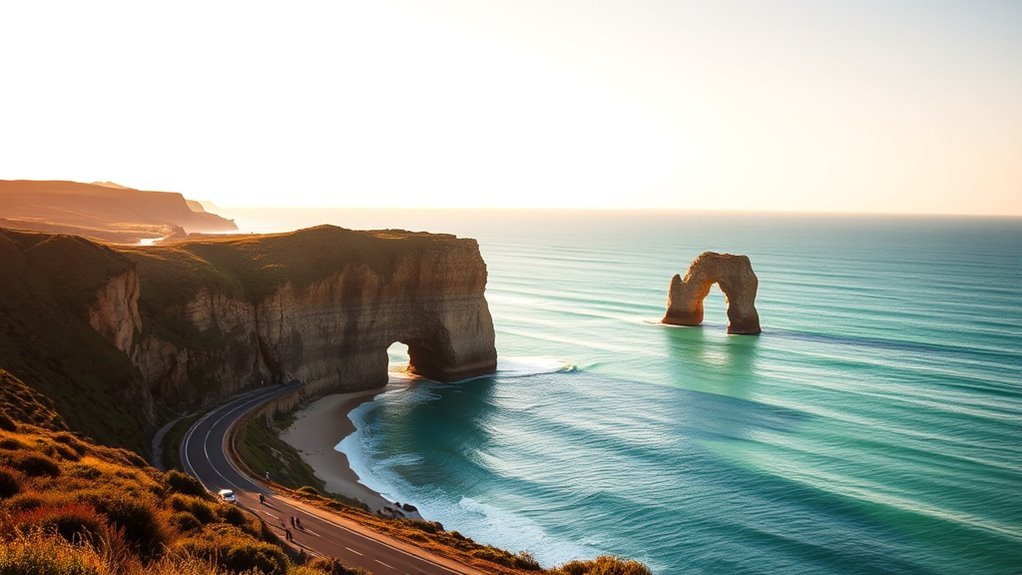
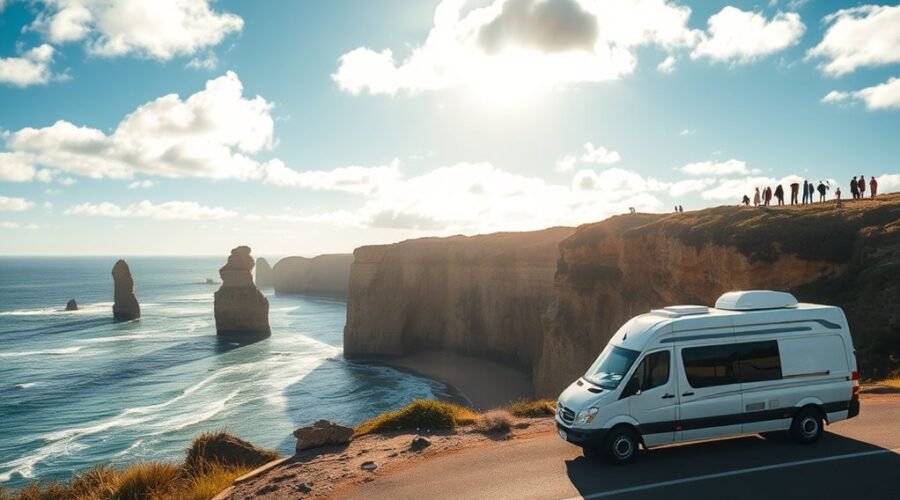
If you want sunny days, manageable crowds and dramatic coastal scenery at its best, plan your trip between late spring and early autumn — roughly October through March.
You’ll wake to golden light on limestone stacks, drive empty stretches of highway, and choose cliffside cafes that serve seasonal local cuisine.
Go when wildflowers blaze and sea breezes feel freeing; that window gives you long afternoons to follow surf‑carved trails and late evenings for open‑air music or intimate local festivals.
You can swap rigid itineraries for unhurried detours, sampling fisherman’s catch at a harbor market or joining a parade in a seaside town.
Temperatures stay friendly, rain’s less frequent, and you’ll find accommodations available without the crush of peak‑season prices.
Mild days, fewer showers, and lodging options aplenty—enjoy comfort without the strain of high-season crowds.
If liberation means moving at your own pace, this is your season: bold views, edible discoveries, and community rhythms that let you breathe, wander, and belong on your own terms.
Month-by-Month on the Great Ocean Road: Weather, Crowds, Costs
Now, let’s map the year so you can pick the exact weeks that match your weather, budget and crowd tolerance.
January–February roar with long, warm days; you’ll savor open roads and vibrant localastal flora, but crowds and prices peak.
March eases heat and tourists; expect golden light and better deals.
April–May cools; storms bring dramatic skies and quieter towns, ideal if you crave solitude and lower costs.
June–August are cold, windier, and cheapest — embrace a freed, rugged vibe, but pack layers and rainproof gear.
September teases spring growth; flowers return, roads clear, and midweek bargains appear.
October–November bloom with wildflowers and renewed energy; expect mild weather and moderate crowds.
December fills fast as holidays begin; book early if you want festive warmth and access to Historic landmarks without last-minute premiums.
Each month offers a trade-off—choose the balance of solitude, weather, and cost that frees you to roam.
Where and When to See the Twelve Apostles, Wildlife, and Sunsets
To catch the Twelve Apostles at their most dramatic, go early for soft morning light or late for golden‑hour silhouettes that cut the limestone into sharp relief.
You’ll spot koalas, echidnas, and seabirds by slowing down at Coastal Walks and Gibson Steps, where quiet patience rewards you with close wildlife encounters.
Time your visit so sunsets at popular viewing platforms aren’t lost to crowds—arrive an hour early and stake out a vantage on the cliffs for unobstructed color and calm.
Twelve Apostles Timing
When you time your visit right, the Twelve Apostles feel like a private performance—golden light spilling across weathered limestone, seabirds wheeling overhead, and the ocean pounding in a steady, hypnotic rhythm.
Aim for low sun: dawn and late afternoon give you sculpted shadows for Apostles photography and a chance to watch seasonal marine life close to shore.
Midday brings harsher light and more people; winter winds thin crowds but add drama to waves and sky.
Plan weekdays outside school holidays to claim viewpoints and trails.
Bring layers, a tripod, and patience—you’ll want both long exposures and quick captures when light shifts.
Timing here is liberation: you control the moment, the frame, the feeling.
Wildlife And Sunset Spots
Though the light at the Twelve Apostles steals the show, the stretch of coastline around them is alive with surprises—seal colonies barking from rocky ledges, shearwaters spiralling at dusk, and kangaroos grazing in nearby dunes—so plan your stops to catch both wildlife and sunset in one sweep.
You’ll time visits in late afternoon: marine mammals haul out on headlands, while golden light sculpts the stacks. Walk quieter tracks north and south to find solitary overlooks where wind clears your head and horizons expand.
Stay after dark for disciplined night photography of stars folding over sea silhouettes; bring a tripod and wide lens. Move slowly, respect habitats, and you’ll leave feeling unbound, carrying coastal calm with you.
Best Seasons for Surfing, Swimming & Coastal Walks
If you want the clearest water, warmest breeze and longest daylight for coastal walks, aim for late spring through early autumn — roughly November to March — when surf conditions suit both confident surfers and casual swimmers and cliff-top paths are sunlit and less muddy.
You’ll find freedom in rhythm: mornings for glassy surf, afternoons for barefoot wading, evenings for long coastal strolls that unspool your thoughts.
Focus on Surfing seasons and Coastal walk timing to match your appetite for movement and escape.
- Summer (Dec–Feb): Peak warmth, steady swell for intermediate surfers, safe swimming at patrolled beaches and long golden-hour walks.
- Late spring / early autumn (Nov, Mar): Cleaner waves, fewer crowds, cooler air that sharpens senses on cliff-top trails.
- Winter shoulder (Apr, Oct): Raw, dramatic surf for experienced riders and quieter coastal walks; water’s colder, so plan shorter swims.
Choose the season that frees you: chase surf, soak, or walk — each delivers a different kind of liberation.
Packing, Driving, and Safety Tips for the Great Ocean Road by Season
Because seasons shape everything from tides to tyre grip, pack and plan with the calendar in mind: lightweight layers, a windproof shell, sturdy walking shoes and reef-safe sunscreen will cover most summer and shoulder-season needs, while a warm insulated jacket, thermal base layers, waterproof boots and strong gloves are essentials for winter trips.
Seasons dictate routes—pack lightweight layers and reef-safe sunscreen for warmth, or insulated jackets, thermals and waterproof boots for winter.
Bring seasonal gear tailored to your freedom: a packable daypack, microfibre towel, beanie, and a compact rain poncho so weather won’t dictate your route.
Drive like you own the road but respect it—reduce speed on bends, watch for wildlife at dawn and dusk, and keep headlights on in spray.
Stow valuables out of sight and secure fuel stops; detours reward explorers but require planning.
Build an Emergency kit with a torch, battery bank, basic first aid, high-energy snacks and a foil blanket.
Trust preparation to release bold choices: with the right kit and calm driving habits, the Great Ocean Road becomes a safe corridor to independence and discovery.
How Crowds and Events Affect Prices, Bookings, and Timing
Packing and planning keep you comfortable and safe, but crowds and events will shape when you can go and what you’ll pay. You want freedom on the road, yet local spikes and event-driven demand can clip that freedom with sudden price jumps. Watch holiday pricing and understand booking lead‑time: festivals, surf comps, and school breaks push rooms and tours to reserve fast.
- Map dates: identify festivals and public holidays, then target calm weekdays to dodge local spikes.
- Reserve early: extend booking lead‑time for coastal accommodation and hire cars when you see event calendars; you’ll pay less and keep options.
- Flex your route: if an event inflates a town, glide farther along the coast to quieter spots and lower rates.
Choose timing that honors your desire to roam. By reading event patterns and acting early, you keep costs down, avoid crowds, and reclaim the open coastline for yourself.
Great Ocean Road Sample Itineraries: Weekend, 3-Day, Week (By Pace and Audience)
A well‑planned itinerary turns the Great Ocean Road from a long scenic drive into a series of unforgettable moments, so decide whether you want to savor, sightsee, or sprint through the highlights.
For a weekend, wake early for sunrise at Bells Beach, snap scenic photography at the Memorial Arch, taste coastal local cuisine in Lorne, then chase the Twelve Apostles at golden hour — fast, freeing, focused.
On a 3‑day, slow down: explore rainforests at Great Otway, surf or walk pristine headlands, linger over seafood dinners, and capture misty cliffs at dawn; this pace lets you breathe and collect frames that feel like reclamation.
On a three‑day escape, slow into rainforests, surf windswept headlands, savor seafood, and photograph misty dawn cliffs—breathe, gather reclaimed frames.
For a week, roam with generous time: detours to Cape Otway Lighthouse, winery stops, hidden coves, and town markets where local cuisine tells stories.
Choose an itinerary that matches your appetite for discovery — each option promises expansive views, liberated rhythms, and photos that refuse to be ordinary.
Frequently Asked Questions
Are There Accessible Viewpoints and Facilities for Visitors With Mobility Issues?
Yes — you’ll find accessible viewpoints with accessible parking, wheelchair ramps, and adapted toilets at many stops; embrace freedom as wide paths, viewing platforms, and helpful signage let you confidently explore coastal panoramas without limits.
Can I Cycle the Great Ocean Road Safely, and Where Are Bike-Friendly Sections?
Like a ribbon unfurling, you can cycle the Great Ocean Road safely on many stretches; you’ll find bike rental, protected paths and scenic routes around Torquay, Lorne and Apollo Bay, so embrace freedom and ride confidently.
Are There Guided Tours Focused on Indigenous Culture and History?
Yes — you’ll find guided tours centered on Indigenous storytelling and cultural workshops that immerse you in Country, teach language, art and law, and empower your sense of connection and liberation through respectful, detail-rich experiences led by Elders.
What Are the Best Towns for Food, Coffee, and Local Produce Stops?
Port Fairy, Warrnambool and Lorne shine for food, coffee shops and food markets; you’ll taste coastal oysters, artisan bread and bold espresso, wander stalls bursting with produce, and feel liberated by local flavors and honest hospitality.
Where Can I Find Emergency Services or Medical Clinics Along the Route?
Like a lighthouse cutting fog, you’ll find emergency clinics and medical stations in larger towns — Torquay, Anglesea, Lorne, Apollo Bay, Port Campbell — and at ambulance bases; call 000 for urgent rescue or local clinic numbers.
Conclusion
Plan your trip for shoulder months—April–May or September–October—when mild days, golden light, fewer crowds, and gentler prices let the coast breathe. Summer offers warmth but packed roads and higher costs; winter cuts prices but brings wind and rain, so layer up. Time sunrise or sunset at the Twelve Apostles, chase wildlife at dawn, and pick activities by season. Come prepared, drive slowly, and you’ll leave with memories as vivid as coastal glass.



[…] Great Ocean Road, Victoria […]
[…] without the summer crush or heat. Coastal breezes still shape day trips to the waterfront and Great Ocean Road, and timing your stay can save on accommodation and tours—here’s how to pick the best month and […]