

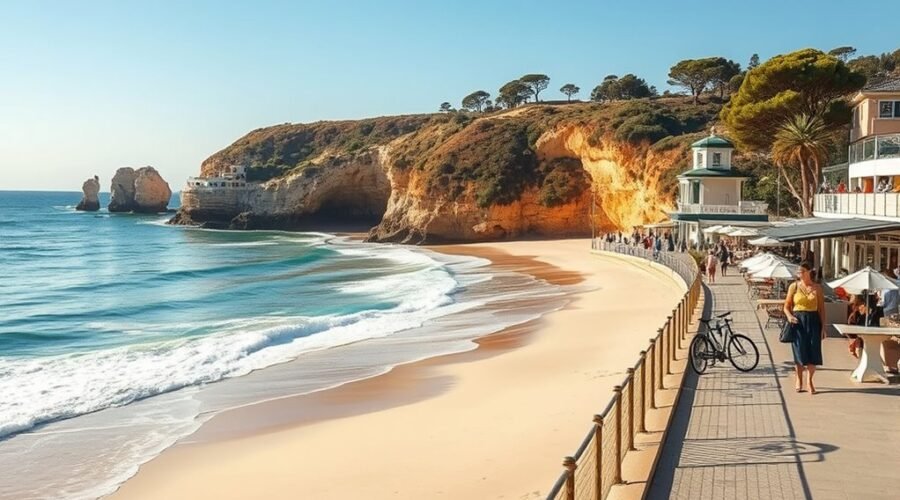
If you want pleasant weather, smaller crowds and better value, timing your trip to Sorrento matters more than you might think. Try the shoulder months — late March to early May or late September to early November — for mild temperatures, manageable rain and easier ferry and accommodation bookings. You’ll still get coastal walks, wineries and local events without summer crushes, and a few seasonal perks that make those months especially worth considering.
Key Takeaways
- Summer (Dec–Feb): warm 25–28°C, best beach weather but highest crowds and prices; book 8–12 weeks ahead.
- Shoulder seasons (Mar–Apr, Sep–Nov): mild temps, fewer crowds, better deals; ideal for walks, wineries, and photography.
- Winter (Jun–Aug): coolest 12–14°C, wettest and quietest—lowest costs and short lead times, great for storm‑watching and cafés.
- For lower prices and midweek calm, travel in shoulder seasons or winter and use flexible bookings and alerts.
- Pack layers, a light rain shell and reef shoes; plan ferry and accommodation bookings to match your crowd‑tolerance and budget.
Quick Answer: Best Time to Visit Sorrento
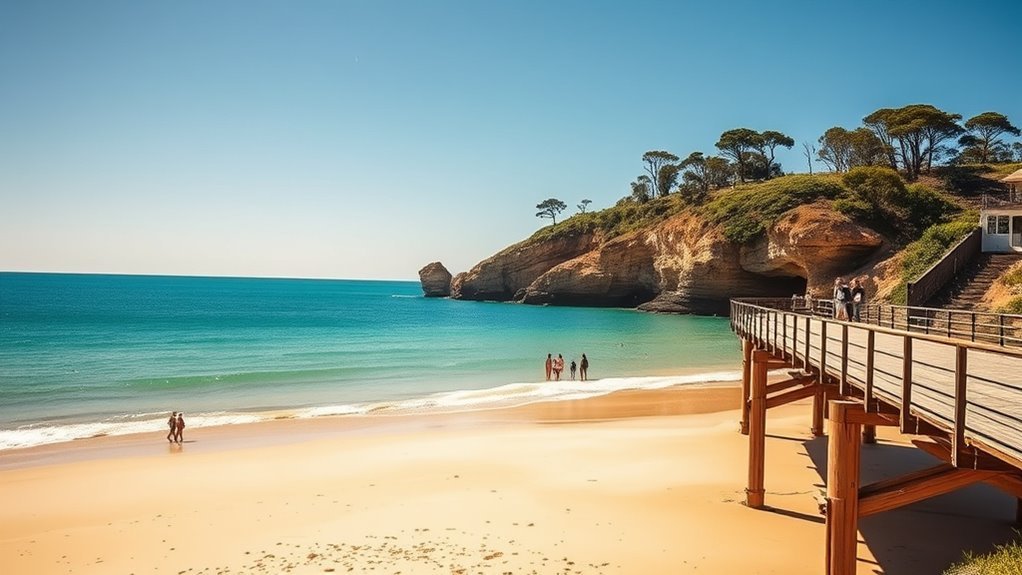
When’s the best time to visit Sorrento? You’ll find spring and early autumn most freeing: mild weather, fewer crowds, and a rhythm that invites exploration.
Visit in late September to November or March to April, and you’ll stroll sunlit beaches, join local cultural festivals that pulse with creativity, and browse night markets without jostling through tourists.
Summer brings long days and lively energy, but it’s hotter and pricier; winter is quiet and introspective, good if you crave solitude.
Plan around events you want to experience—art shows, food fairs, or coastal walks—so you shape your own pace instead of following a timetable.
Pack layers for coastal breezes, book accommodation early if you aim for peak weekends, and leave space in your itinerary to wander.
Sorrento rewards those who seek ease and autonomy: you’ll return refreshed, having chosen timing that fits your desire to roam and reconnect.
How to Choose: Climate, Crowds and Cost in Sorrento
Because Sorrento’s seasons shift between sun-soaked bustle and quiet coastal calm, weigh climate, crowds and cost together to pick the right vibe for your trip.
Because Sorrento swings between lively sun and tranquil coast, balance weather, crowds and cost to choose your vibe
You’ll decide if you want lively beaches, packed cafes and cultural festivals or a peaceful retreat with empty shorelines and lower prices.
Think about how weather shapes your freedom: warmer months free you to swim and join outdoor events; cooler, quieter months let you wander cliffs and savor local cuisine without queues.
Balance crowds against budget — peak season brings higher rates and a festive energy, while shoulder season often delivers crisp days, smaller crowds and better deals.
If liberation means movement and mingling, aim for lively windows when markets and festivals run; if it means solitude and slow mornings, choose off-peak timing.
Check event calendars, compare accommodation costs, and prioritize what feels freeing to you: social immersion or solitary coastlines.
Sorrento Climate by Season: Temps, Rain and Daylight
You’ll want to know the typical seasonal temperature ranges so you can pack and plan activities.
Check monthly rainfall patterns to pick drier windows for beach days and coastal walks.
Also note how daylight hours swell in summer and shrink in winter—those shifts shape how much you can fit into each day.
Seasonal Temperature Ranges
Sorrento’s seasons bring distinct temperature bands that shape how you plan your days: cool, brisk winters with daytime highs around 12–14°C and chilly nights, mild springs that warm steadily into the high teens, sun‑soaked summers often hitting 25–28°C, and pleasant autumns that drift back toward the mid‑teens.
You’ll find each season invites different activities: winter encourages cozy cafés and reflective heritage‑walks along the foreshore, spring tempts you to stretch into coastal trails and eco‑tourism adventures as warmth returns, summer frees you to swim, sail and linger on beaches, and autumn offers clear, comfortable days for cycling and exploring.
Expect modest daily swings—coastal breezes moderate extremes—so pack layers and embrace flexible plans that let you roam.
Rainfall Patterns By Month
While the town stays relatively dry compared with much of Victoria, rainfall here follows a clear seasonal rhythm that shapes what you’ll do each month: winters (June–August) bring the heaviest and most frequent rain events, spring eases into drier, variable showers as temperatures rise, summer (December–February) tends to be the driest period with long, sunny spells punctuated by occasional storms, and autumn sees a gradual uptick in precipitation and cooler evenings—so check monthly totals if you’re planning beach days, coastal walks, or outdoor dining.
You’ll want to track soilfall trends and monthly precipitation to time activities. The table below highlights typical patterns and practical tips.
| Season | Typical monthly precipitation | Practical tip |
|---|---|---|
| Winter | High | Bring waterproof layers |
| Spring | Moderate | Pack flexible plans |
| Summer | Low | Choose beach days |
| Autumn | Increasing | Expect cooler, wetter evenings |
Daylight Hours Throughout Year
Because daylight shifts so noticeably across the year, you’ll want to plan outdoor time around sunrise and sunset rather than just the calendar month.
In summer you get long, golden evenings perfect for beach walks and sunset cocktails; in winter the shorter days steer you to bold morning light for sunrise photography or cozy afternoons in cafés.
Spring and autumn slice the difference, offering crisp dawns and lingering twilights that free you to explore.
- Early summer dawns that tease the horizon with soft pastels
- Short winter afternoons that push you toward intimate indoor escapes
- Autumn dusks where night‑sky stargazing feels like a quiet rebellion
Know the daylight rhythm, and you’ll shape your own liberated, intentional itinerary.
Summer in Sorrento: Beaches, Events and Crowds
If you’re chasing sun‑drenched beaches and a lively summer vibe, Sorrento delivers with warm waters, golden sand, and a calendar full of local events that draw both families and day‑trippers.
You’ll find beach days that feel unhurried: swim at Sorrento Front Beach, stroll the cliff‑top paths, or stake a spot on the grass and watch kids build castles.
The town’s summer program pulses with pop‑up markets, outdoor concerts, and wine festivals where you can taste regional drops and toast freedom from routine.
If you crave movement, you’ll tap into local surf culture—less competitive, more communal—where beginner lessons and friendly locals make waves accessible.
Expect busy weekends and limited parking; arrive early or take public transport to keep your day smooth.
Pack sunscreen, a light jacket for cool evenings, and an appetite for casual eateries.
Summer in Sorrento feels like liberation: lively, bright, and yours to shape.
Autumn in Sorrento: Mild Weather, Quieter Walks and Value
As the heat eases and the summer crowds thin, autumn in Sorrento offers mild days perfect for long walks along the cliffs and quieter afternoons exploring galleries and cafes.
You’ll find a freedom in slower rhythms: crisp sea air, amber light on limestone, and room to wander without a schedule.
Temperatures stay pleasant, so you can roam the coastal path, duck into boutique shops, or linger over espresso while planning the next path to liberation.
- A windswept cliff walk with panoramic views and lone benches to breathe.
- A laneway gallery displaying local cultural festivals’ pop-ups and intimate performances.
- An artisan markets stall with handcrafted ceramics, leather goods, and seasonal preserves.
Costs dip after peak season, giving you value without sacrificing charm.
With fewer tourists, you can connect more deeply—to landscape, makers, and the spacious calm that autumn brings to Sorrento.
Winter in Sorrento: Storm-Watching, Cosy Pubs and Savings
While winter can bring blustery seas and dramatic grey skies, it also invites you to the best kind of slow travel—storm-watching from rugged headlands, warming up in snug pubs with local ale, and taking advantage of low-season deals on accommodation and tours. You’ll stand on wind-carved cliffs, camera ready for storm photography, feeling freed as waves carve new sights. Inside, wooden beams, peat aromas and shared laughter revive you; conversations with locals lead to whispered tips on secret coves and upcoming local festivals.
| Feeling | Scene |
|---|---|
| Awe | Waves smashing the point |
| Solace | Firelight in a pub |
| Curiosity | Farmers’ market chatter |
| Excitement | Night photography sessions |
| Freedom | Empty beaches at dawn |
Plan waterproof layers, book flexible stays, and join a festival night or guided walk. Winter in Sorrento lets you travel slowly, observe fiercely, and return changed.
Crowds and Costs: When You’ll Save or Face Queues
When you time your trip right, Sorrento rewards you with quieter streets and lower prices; visit during shoulder seasons and you’ll dodge the summer crush that fills ferries, restaurants and lookout points.
You’ll notice instant savings on accommodation and freed-up tables, and you can join a local festival without jostling the crowd.
Off-peak mornings give you space to breathe; evenings bring softer service times and friendlier transport schedules.
Off-peak mornings offer breathing room; evenings unfold with gentler service and easier, friendlier transport.
- A dawn walk past empty piers, gulls calling and a single café opening its shutters.
- Soft light on colonial buildings while vendors set up, prices still negotiable before noon.
- A twilight ferry home with room to stretch and quieter decks, not a queue in sight.
Plan around school holidays and big events to avoid queues; book smart when a local festival is on.
Choose shoulder months to feel liberated, save money, and move freely through Sorrento.
Activities by Season: Beaches, Walks, Food and Day Trips
If you visit Sorrento across seasons, you’ll find each brings its own best bits—summer fills beaches with sun‑seekers and lively bars, autumn cools the air for long cliff‑top walks and crisp seafood dinners, winter reveals storm‑watching drama and cozy cafés serving slow‑brewed coffee, and spring carpets the coastal paths with wildflowers and invites day trips to quiet wineries and national parks.
You’ll chase freedom: swim at safe, sandy beaches in summer, join sunset hiking along dramatic headlands, or lounge in a breezy beer garden.
In autumn, explore cliff walks, eat freshly grilled seafood, and slip into intimate wine festivals that celebrate local drops.
Winter’s raw coast invites storm‑watching, gallery‑hopping and warm menus in snug cafés.
Spring liberates you with bike rides, wildflower walks and calm ferry hops to Queenscliff.
Time your visit for local art festivals if you want culture mixed with sea air, or pick quieter months to roam beaches and vineyards without crowds.
Practical Tips: Booking Windows, Packing and Peak-Time Hacks
Because Sorrento fills quickly in summer and during long weekends, plan your bookings early and pack smart to make the most of your trip.
Book accommodation 8–12 weeks ahead for peak season and 3–4 weeks for shoulder months; secure ferry or local transport tickets sooner if you’re arriving on busy days.
Plan accommodation 8–12 weeks ahead for peak season, 3–4 weeks in shoulder months; book transport early on busy days.
Pack layers, reef shoes, a light rain shell, and a daypack that frees you to explore without baggage.
Think freedom: aim for midweek stays to dodge crowds and join local festivals for authentic energy rather than tourist traps.
Use flexible bookings and alerts to snap up cancellations.
- Sunrise on the bluff with a thermos, towel, and barefoot freedom
- Market day finds: tote bag, sunhat, and pockets for artisan treats
- Cliff walk: sturdy shoes, water, camera — unhurried views
Know parking limits, bike hire spots, and off-peak ferry times to save money and reclaim your time on the Peninsula.
Frequently Asked Questions
Are Dogs Allowed on Sorrento’s Main Beaches Year-Round?
No, dogs aren’t allowed on Sorrento’s main beaches year-round; seasonal rules apply. You’ll find designated dog beach areas and pet friendly zones where you can roam off leash, while other stretches require a dog leash.
What Public Transport Options Connect Sorrento to Melbourne?
You can catch V/Line buses and coach shuttles linking Sorrento to Frankston station, where trainicular routes continue to Melbourne; check fare schedules for combined tickets, plan liberating day trips, and travel with confident, adventurous ease.
Is There Reliable Mobile Phone Coverage Across Sorrento?
About 92% of visitors report usable service, so yes — you’ll generally get mobile signal in Sorrento, though rural pockets vary. Expect decent data speed near town and cafes, but slowdowns can occur during peak tourist times.
Can I Swim Safely at Sorrento Pier?
Yes — you can swim safely near Sorrento Pier if you check water safety alerts, enter via designated Pier access points, watch currents and boat traffic, wear a floatation aid if needed, and respect local warnings and lifeguards.
Are There Accessible Facilities for Disabled Visitors in Sorrento?
Yes — you’ll find good wheel access around Sorrento, with wheelchair ramps at parks, the pier precinct, and many cafés. You’ll move freely, choose accessible paths, and enjoy the coast confidently and with dignity.
Conclusion
Plan your trip for the shoulder seasons—late March to early May or late September to early November—when temperatures sit in the high teens to low twenties °C, crowds thin and prices fall. You’ll enjoy long daylight for coastal walks, wine tours and wildflowers without summer queues. For a visual: visitor numbers drop by about 40% off-peak, so you’ll find easier ferry bookings, cheaper rooms and a more relaxed Sorrento experience. Pack layers and book ahead.


[…] Sorrento, Victoria […]