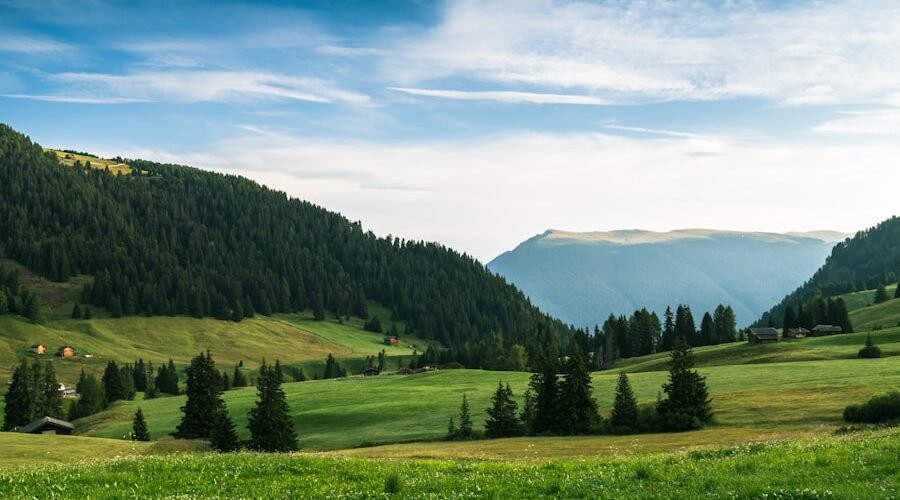
So, you’re thinking about Valla Canyon in Kastamonu, Turkey? Smart move! It’s a stunning place, but like any trip, knowing when to go makes all the difference between an amazing adventure and a slightly… less amazing one. The short answer is: Spring (April-May) and Autumn (September-October) are generally your sweet spots for the best balance of pleasant weather and fewer crowds. But let’s dive a little deeper into what makes those times ideal, and what to expect if you’re considering other seasons.
Here’s a breakdown to help you plan your Valla Canyon escape.
When you’re planning a trip to a place known for its hiking and outdoor exploration, weather is going to be a pretty big deal. Valla Canyon’s climate is typical of the Black Sea region, meaning it can be a bit unpredictable, but generally, it experiences four distinct seasons. Understanding these will help you pack appropriately and set your expectations.
Spring: The Awakening of the Canyon
Spring in Valla Canyon, particularly April and May, is a beautiful time. The snow from winter has melted, and the landscape comes alive. You’ll see wildflowers blooming, and the air is fresh and invigorating.
- Temperatures: Expect daytime temperatures to be comfortably mild, often ranging from 15°C to 22°C (59°F to 72°F). Mornings and evenings can still be cool, so packing layers is key.
- Rainfall: Spring can bring its fair share of rain. While not usually torrential downpours, expect occasional showers. This is what keeps the canyon so green and lush! It’s a good idea to have a reliable waterproof jacket and maybe some waterproof trousers, just in case.
- Daylight Hours: Days are getting longer, giving you plenty of daylight for hiking and exploring without feeling rushed.
Summer: Heat and Peak Activity
Summer in Valla Canyon, from June to August, is the warmest time of year. This is also when you’ll find the most people visiting.
- Temperatures: Daytime highs can reach 25°C to 30°C (77°F to 86°F), and sometimes even higher. If you’re not a fan of the heat, this might not be your ideal season for strenuous hiking. However, the canyon can offer a welcome respite from the heat with its shaded areas.
- Rainfall: While generally drier than spring, summer can still experience occasional thunderstorms, especially in the afternoons.
- Daylight Hours: Longest days of the year, offering maximum time for activities.
Autumn: A Tapestry of Colors
Autumn, from September to October, is often cited as one of the very best times to visit. The harsh summer heat has subsided, and the natural beauty of the canyon is on full display.
- Temperatures: This is arguably the most comfortable weather. Expect daytime temperatures to be in the 18°C to 24°C (64°F to 75°F) range. The air is crisp and clear, perfect for hiking.
- Rainfall: Rainfall starts to increase again in late autumn, but it’s usually less frequent than in spring.
- Daylight Hours: Days are getting shorter, but you still have ample time for a good day trip. The stunning fall foliage adds an extra layer of beauty to the already picturesque landscape.
Winter: A Different Kind of Beauty (and Challenge)
Visiting Valla Canyon in winter, from November to March, is a completely different experience. It’s for the more adventurous traveler looking for a quieter, perhaps more challenging, visit.
- Temperatures: It gets cold, with daytime temperatures often hovering around 0°C to 5°C (32°F to 41°F), and dropping well below freezing at night. Snowfall is common, transforming the canyon into a serene, white wonderland.
- Rainfall: Mostly snow. The trails can become icy and treacherous, and some access points might be closed or difficult to reach.
- Daylight Hours: Very short, meaning your exploration time will be limited.
2. Navigating the Crowds: When to Find Solitude
One of the biggest factors influencing your experience at a popular natural attraction is the number of people. Valla Canyon, while not as overrun as some major global landmarks, can certainly get busy. Knowing when the crowds are likely to be thinnest will enhance your sense of peace and exploration.
Peak Season: Summer Buzz
The summer months, July and August, generally see the highest number of visitors. This is typically when families are on holiday and the weather is at its warmest, making it an attractive time to visit for many.
- What to Expect: Trails will be more populated, and accommodations in nearby towns might be more booked up. If you prefer a quieter experience, you’ll want to aim for times outside these months.
- Benefits: More services and tour operators will be readily available. It’s also a good time for swimming if you’re visiting parts of the canyon with water access.
Shoulder Seasons: The Sweet Spot for Fewer People
The spring (April-May) and autumn (September-October) shoulder seasons are your best bet for experiencing Valla Canyon with a more manageable number of people.
- What to Expect: You’ll still encounter other visitors, but they’ll be spread out more. This allows for a more relaxed hiking experience, better photo opportunities, and a greater sense of immersion in nature.
- Why it’s Better: The pleasant weather combined with fewer crowds makes these months ideal for many travelers. You can often book accommodations and tours with more flexibility.
Off-Season: For the Dedicated Adventurer
The winter months (November-March) offer the ultimate in solitude. However, this comes with significant challenges.
- What to Expect: You might have large sections of the canyon almost entirely to yourself. This is a truly different way to experience the canyon, focusing on its stark beauty and the quiet of winter.
- Considerations: Be prepared for cold temperatures, potential snow and ice, and limited accessibility. Many local businesses might be closed or operating on reduced hours. Hiking can be dangerous without proper gear and experience.
3. Cost Considerations: Budgeting for Your Valla Canyon Trip
The cost of visiting Valla Canyon isn’t tied to a specific entrance fee, as it’s a natural area. Instead, your expenses will primarily revolve around when you choose to travel, influencing flight prices, accommodation rates, and the availability of services.
Summer Premium: Higher Prices
During the peak summer months (July and August), you’ll likely find that prices for flights and accommodations are at their highest.
- Accommodation: Hotels and guesthouses in Kastamonu and surrounding areas will be more expensive due to demand.
- Flights: If you’re flying into Turkey and then making your way to Kastamonu, expect flight prices to be higher during school holidays and peak travel times.
- Tours and Guides: While not strictly necessary for all parts of the canyon, if you opt for guided tours or specific adventure activities, their prices might also see a slight increase during peak season due to higher demand.
Shoulder Season Savings: Good Value
The shoulder seasons of spring (April-May) and autumn (September-October) often present the best value for money.
- Accommodation: You’ll generally find more competitive rates for hotels and guesthouses. Last-minute deals might also be more common.
- Flights: Flight prices tend to be more moderate during these periods, as they fall outside of major holiday breaks.
- Flexibility: You’ll have more options when booking your stays and can sometimes negotiate better prices.
Winter Budget Option: With Caveats
VisitinValla Canyon in the winter (November-March) can be the cheapest option, if you’re prepared for the associated travel challenges.
- Accommodation: Prices will be at their lowest as demand plummets. You might find some fantastic deals.
- Flights: Flights to Turkey might also be cheaper outside of peak holiday times.
- The Catch: While you might save money on the ground, you’ll need to factor in the cost of specialized winter gear (if you don’t already own it), potential vehicle hire that can handle snow, and possibly longer travel times due to adverse weather. Some services might not be available or worth the expense if they’re limited.
4. Essential Activities & What They’re Best Suited For
Valla Canyon offers a range of activities, and the best time to enjoy them often depends on the weather and crowds. Planning around these can significantly shape your trip.
Hiking and Trekking: The Core Experience
Hiking is undoubtedly the main draw for Valla Canyon. The various trails cater to different fitness levels, from gentle strolls to challenging treks.
- Best Seasons: Spring (April-May) and Autumn (September-October) are unparalleled for hiking. The mild temperatures, stunning scenery (wildflowers in spring, foliage in autumn), and fewer people create ideal conditions. You won’t be battling extreme heat or slippery ice.
- Summer Hiking: Possible, but be prepared for heat. Early mornings and late afternoons are best. Carry plenty of water.
- Winter Hiking: Only for experienced hikers with proper gear. Trails can be icy and snow-covered, making navigation difficult and dangerous. Some routes may be impassable.
Photography: Capturing the Beauty
The dramatic landscapes of Valla Canyon are a photographer’s dream. The quality of light and the presence of natural elements make certain times of year more rewarding.
- Best Seasons: Autumn (September-October) offers incredible opportunities with the vibrant fall colors. Spring (April-May) provides soft light and the freshness of blooming nature. Golden hour light is beautiful in any season.
- Summer Photography: Can be challenging with harsh midday sun. However, the lush greenery can be striking.
- Winter Photography: Offers a minimalist, stark beauty. The contrast of snow against the canyon’s rock formations can be dramatic.
Adventure Sports: Ziplining and More
If you’re into more adrenaline-pumping activities like ziplining or canyoning (where available and guided), these are typically operated by local providers.
- Best Seasons: Late Spring (May), Summer (June-August), and Early Autumn (September) are usually suitable. These activities require clear weather and safe conditions.
- Considerations: Summer offers the warmest conditions for water-based activities (if any are offered as part of a tour). Ensure the operators you choose are active and have good safety records during your planned travel time.
5. Practical Tips for a Smoother Visit
| Month | Weather | Crowds | Costs |
|---|---|---|---|
| May | Mild temperatures, low chance of rain | Moderate | Moderate |
| June | Warm temperatures, low chance of rain | High | High |
| July | Hot temperatures, low chance of rain | High | High |
| August | Hot temperatures, low chance of rain | High | High |
| September | Warm temperatures, low chance of rain | Moderate | Moderate |
Beyond the weather, crowds, and cost, there are a few practical pointers that can help you make the most of your Valla Canyon adventure. These are less about seasonality and more about good old-fashioned planning.
Getting There and Around
- Nearest Airport: The closest major airport is Kastamonu Airport (KFS). From there, you’ll likely need to arrange a taxi or rent a car to reach Valla Canyon, which is about an hour’s drive away. Public transport options might be limited, so research this in advance, especially if you’re not renting a car.
- Car Rental: Renting a car offers the most flexibility, especially if you plan to explore beyond the main canyon area. Roads can be winding, so consider your comfort level with driving in such conditions, especially if you’re visiting in the shoulder seasons where some roads might be slick.
- Tours: For those who prefer not to drive, many local tour operators in Kastamonu offer day trips to Valla Canyon. This can be a convenient way to see the highlights and often includes transportation.
Accommodation Options
- Kastamonu City: Staying in Kastamonu itself provides the widest range of hotels, guesthouses, and restaurants. It’s a good base for day trips to the canyon.
- Smaller Villages: There might be some smaller guesthouses or pensions in villages closer to the canyon entrance. These offer a more rustic experience and are often less expensive but have fewer amenities.
- Camping: If you’re an avid camper and enjoy being close to nature, there are designated or suitable wild camping spots. However, be sure to check local regulations and be environmentally conscious. This is generally more pleasant in warmer months.
What to Pack for Any Season
- Hiking Boots: Essential, regardless of the season. Ensure they are broken in.
- Layers: The Black Sea weather can change quickly. Pack lightweight, breathable layers, a fleece, and a waterproof and windproof outer shell.
- Sun Protection: Sunscreen, a hat, and sunglasses are important even on cooler days, especially at higher altitudes.
- Insect Repellent: Useful during warmer months, especially if you’ll be spending time near water or in shaded, dense areas.
- First-Aid Kit: A basic kit with blister treatment, pain relievers, and antiseptic wipes is always a good idea.
- Water Bottle/Hydration Pack: Staying hydrated is crucial, especially during hikes.
- Snacks: Pack energy bars, nuts, or trail mix for your excursions.
- Camera: You’ll want to capture the stunning views!
- Cash: While cards are accepted in larger towns, smaller establishments or remote areas might prefer cash.
By considering these points, you can tailor your Valla Canyon visit to perfectly suit your preferences for weather, crowd levels, budget, and the types of activities you enjoy most. Happy travels!
FAQs
1. What is the best time to visit Valla Canyon in Kastamonu?
The best time to visit Valla Canyon in Kastamonu is during the spring and autumn months, specifically from April to June and September to October. During these times, the weather is mild, and the canyon is less crowded.
2. What is the weather like in Valla Canyon throughout the year?
Valla Canyon experiences a continental climate, with hot summers and cold winters. The summer months, from July to August, can be quite hot, while the winter months, from December to February, can be cold and snowy.
3. When is the peak tourist season in Valla Canyon?
The peak tourist season in Valla Canyon is during the summer months, from July to August. During this time, the canyon can be crowded, and accommodation and activity costs may be higher.
4. When is the off-peak tourist season in Valla Canyon?
The off-peak tourist season in Valla Canyon is during the winter months, from December to February. During this time, the canyon is less crowded, and accommodation and activity costs may be lower.
5. What are the average costs of visiting Valla Canyon?
The average costs of visiting Valla Canyon can vary depending on the season. During the peak tourist season, accommodation and activity costs may be higher, while during the off-peak season, costs may be lower. It’s recommended to budget for accommodation, transportation, and any guided tours or activities.