

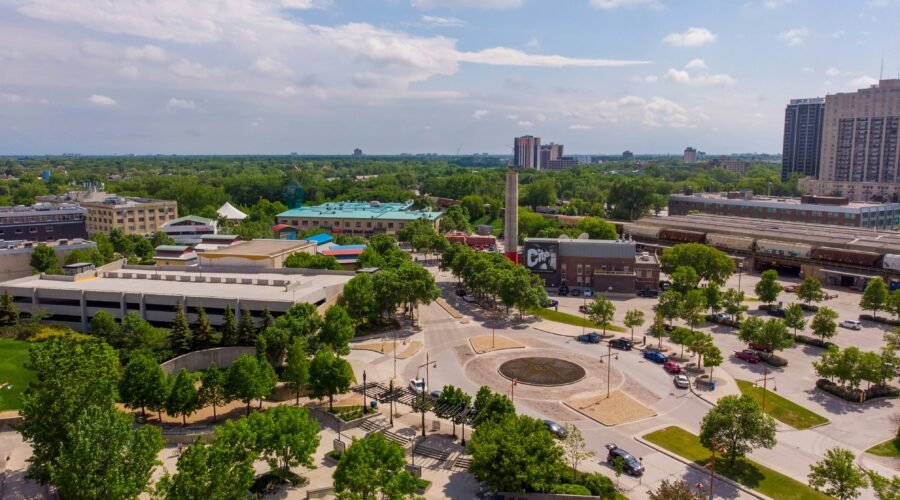
The best time to visit Winnipeg depends on what you want from the trip. For a comfortable balance of weather, outdoor sightseeing, and a somewhat quieter feel, late May through June and September are excellent choices. July and August are better for the warmest weather and biggest festival calendar, while January and February appeal to travelers who specifically want Winnipeg’s winter experiences.
Quick Answer
For most travelers, the best time to visit Winnipeg is late May through June or September. These periods combine relatively comfortable temperatures with plenty to do outdoors. Choose July or August for festivals and the warmest weather, or January and February if skating, snow, and winter festivals are the reason for your trip.
Key Takeaways
- Best overall balance: late May through June and September.
- Warmest weather: July and August, when normal daytime highs are around 25–26°C (77–78°F).
- Best for festivals: summer, especially June through August.
- Best for winter experiences: January and February, when skating, snow activities, and major winter events are usually in season.
- Best for fall scenery: September into early October, before colder weather takes over.
- Best value: winter and shoulder-season dates can sometimes cost less, but hotel and airfare prices vary by event, route, and booking date.
When Is the Best Time to Visit Winnipeg?
If your main goal is pleasant sightseeing weather without relying on Winnipeg’s hottest or coldest months, June and September are particularly strong choices. Environment and Climate Change Canada’s 1991–2020 normals for Winnipeg Richardson Airport put the normal daily high at 23.3°C (74°F) in June and 19.6°C (67°F) in September.
Summer remains the strongest choice for travelers who want Winnipeg at its liveliest. The city’s annual calendar includes major events such as the Winnipeg Folk Festival, Winnipeg Fringe Theatre Festival, and Folklorama. Event dates change each year, so check the Tourism Winnipeg annual festivals calendar before booking.
| Travel Priority | Best Time | Why |
|---|---|---|
| Overall balance | Late May–June or September | Comfortable temperatures, outdoor sightseeing, and fewer weather extremes. |
| Warm weather | July–August | Warmest normal daytime temperatures and long days. |
| Festivals | June–August | The summer calendar contains many of Winnipeg’s largest annual events. |
| Fall scenery | September–early October | Cooler walking weather and changing foliage. |
| Winter activities | January–February | Best chance of established snow and ice conditions plus winter festivals. |
| Potential savings | Winter or shoulder-season dates | Demand can be softer, although major events can temporarily raise rates. |
1. Summer Kick-Off: Winnipeg in June, July, and August
Summer brings Winnipeg’s warmest temperatures, long daylight hours, patios, parks, cycling, festivals, and many opportunities to spend most of your day outdoors. If you want the city’s busiest event calendar and do not mind occasional heat, summer is a strong contender.
Sunshine and Long Days
Winnipeg gets very long summer days. Tourism Winnipeg notes that the city can receive up to about 16 hours of daylight per day in summer. That gives you plenty of time for The Forks, Assiniboine Park, riverfront walks, outdoor dining, and evening events.
Outdoor Activities and Festivals
Summer is prime time for parks, cycling, outdoor markets, patios, walking tours, and seasonal paddling. If you venture beyond the city, Manitoba also offers lakes and provincial parks that work well as summer day trips.
The festival calendar is another major reason to visit. Annual highlights can include the Winnipeg Folk Festival at Birds Hill Provincial Park, the Winnipeg Fringe Theatre Festival, and Folklorama. Exact dates vary from year to year, so confirm your travel dates before making non-refundable bookings.
Managing Summer Heat
Winnipeg is warm in summer, but average conditions are more moderate than describing 30°C (86°F) temperatures as an everyday norm would suggest. According to Environment and Climate Change Canada’s 1991–2020 climate normals, the normal daily high is 23.3°C (74°F) in June, 25.8°C (78°F) in July, and 25.4°C (78°F) in August.
Hot spells can still push temperatures above 30°C (86°F). Drink water, use sun protection, and consider museums, galleries, or other indoor attractions during uncomfortable afternoon heat.
Mosquitoes and Changing Weather
Mosquitoes can be noticeable during Winnipeg’s warmer months, particularly after wet weather. If you plan to spend evenings beside the rivers or in parks, insect repellent and lightweight long sleeves can make outdoor time more comfortable.
Summer weather can also change quickly. Check the local forecast and any Environment Canada weather alerts before long outdoor plans.
Summer Crowds and Booking
June through August is a popular travel and event period, so hotels and popular restaurants can fill faster around festivals, concerts, sporting events, and holiday weekends. That does not mean every summer date is crowded or expensive, but advance booking gives you more choice.
Pro Tip: Check Winnipeg’s event calendar before choosing a summer weekend. A major festival can be the highlight of your trip, but it can also affect hotel availability and prices.
2. The Shoulder-Season Charm: May and June
Late spring into early summer offers an appealing compromise between Winnipeg’s winter cold and midsummer heat. Parks are greening up, outdoor attractions become easier to enjoy, and temperatures improve rapidly through May and June.
Blooming Parks and Milder Temperatures
The normal daily high at Winnipeg Richardson Airport is about 18.1°C (65°F) in May and 23.3°C (74°F) in June. Nighttime temperatures are much cooler, particularly in May, so a jacket or warm layer is useful even when afternoons feel comfortable.
More Breathing Room
May can feel calmer than the heart of the summer festival season, especially outside major event weekends. Attractions such as The Forks and the Canadian Museum for Human Rights remain easy to build into a city itinerary without depending on hot weather.
June becomes livelier as the summer event calendar gathers momentum, so travelers seeking both good weather and more activity may prefer June over May.
Value for Your Money
Shoulder-season dates can sometimes provide better hotel or airfare options than a high-demand summer weekend. However, there is no guaranteed “cheap month.” Prices change according to your departure airport, booking lead time, conferences, concerts, festivals, and hotel occupancy.
Spring Showers and Cooler Evenings
Spring weather can be unpredictable. Rain, wind, cool mornings, and chilly evenings are all possible. Pack layers rather than relying on one heavy coat or an all-summer wardrobe.
3. Fall Colors: Winnipeg in September and October
Fall brings cooler air, changing foliage, seasonal markets, and a more relaxed outdoor atmosphere. September is one of the strongest months for travelers who want comfortable walking weather without midsummer heat.
Crisp Air and Seasonal Scenery
September’s normal daily high is approximately 19.6°C (67°F), while October’s drops to about 10.4°C (51°F). The normal October overnight low is close to freezing, so the difference between an early-September trip and a late-October trip can be substantial.
Parks and tree-lined neighborhoods take on autumn shades, making this a pleasant season for walking, photography, and scenic drives.
Harvest Season and Local Food
Early fall overlaps with harvest season in Manitoba. Farmers’ markets and seasonal restaurant menus can feature locally grown produce, giving food-focused travelers another reason to consider September.
Moderate Crowds and a Relaxed Pace
After the main summer festival rush, many travelers find early fall easier to navigate at a relaxed pace. However, concerts, sporting events, conventions, and fall festivals can still create busy weekends.
Fall Festivals and Events
Winnipeg continues to host arts, culture, food, sports, and community events in September and October. Instead of assuming the city becomes quiet after August, check the current calendar for events that match your interests.
Fall Prices
Hotel and airfare prices may soften on some dates after summer, but the pattern is not guaranteed. Compare your exact September or October dates rather than assuming every fall trip will cost less.
Winter Approaches Quickly
October is much colder than September, and freezing nights become increasingly normal. Early snow is possible. If fall foliage and comfortable walking are priorities, September or early October is generally a safer target than late October.
Pro Tip: For one of the best combinations of mild weather, autumn scenery, and comfortable sightseeing, consider September.
4. Winter Wonderland: Winnipeg from November to March
Winnipeg’s winter is a serious part of the city’s identity. Temperatures can fall far below freezing, but winter also brings outdoor skating, cross-country skiing, warming huts, snow sculptures, festivals, and a strong indoor cultural scene.
The Real Winnipeg Winter
January is normally the coldest part of the year. Environment and Climate Change Canada’s 1991–2020 normals show a January daily average of about -16.3°C (3°F), a normal daily high of -11.4°C (11°F), and a normal daily low of -21.2°C (-6°F).
Colder outbreaks and strong wind can make outdoor conditions much more severe than those averages. Good winter clothing is not optional if you plan to spend meaningful time outside.
Warning: Check Environment Canada forecasts and warnings before long winter outings. Protect exposed skin, dress in insulating layers, and shorten outdoor plans during extreme cold or dangerous wind chills.
Winter Activities and Festivals
At The Forks, the Nestaweya River Trail presented by The Winnipeg Foundation can provide skating, walking, cycling, and cross-country skiing on the river system when conditions allow. The trail has no guaranteed opening or closing date because it depends on ice and weather conditions.
Assiniboine Park also offers seasonal winter recreation. The park’s Riley Family Duck Pond becomes an outdoor skating rink, and the park maintains approximately four kilometres of groomed cross-country ski trails when weather permits.
February’s Festival du Voyageur is one of Winnipeg’s signature winter celebrations, with French-Canadian and Métis cultural programming, music, food, historical interpretation, and snow sculptures. Another winter music event, Winterruption, is produced by the West End Cultural Centre with community partners and participating venues.
Note: Never assume river ice is safe because it looks frozen. Use only sections officially listed as open and follow posted closures and conditions from The Forks.
Winter Crowds and Potential Savings
Cold-weather dates outside major events can sometimes provide more hotel availability than busy summer periods. However, Festival du Voyageur, concerts, sports, conventions, holidays, and other events can create local demand spikes, so compare your exact dates before booking.
Indoor Attractions and Cozy Breaks
You do not need to spend an entire winter trip outside. The Forks Market, Canadian Museum for Human Rights, Manitoba Museum, galleries, restaurants, cafes, and other indoor attractions give you plenty of ways to alternate outdoor activities with warm breaks.
5. Transitional Weeks: April and Late October to Early November
The weeks between Winnipeg’s major seasons can work for flexible travelers, but they are harder to predict. You may get a beautiful sunny day followed by rain, freezing temperatures, wind, slush, or early snow.
Early Spring: April
April is a genuine transition month. Winnipeg Richardson’s normal April daily high is around 10°C (50°F), while the normal overnight low is about -2.5°C (28°F). That means freezing nights remain possible even as afternoons become much milder.
Melting snow can also create wet or muddy conditions. Some outdoor activities and seasonal attractions may not yet be operating at full summer capacity.
Late Fall and Early Winter
From late October into November, daylight decreases and winter-like weather becomes increasingly likely. November’s normal daily high is only about 0.1°C (32°F), so travelers should be prepared for freezing conditions.
Potential Deals, but Uncertain Weather
These transitional dates can occasionally produce attractive travel rates, especially when no major event is taking place. The trade-off is weather uncertainty. If your itinerary depends heavily on parks, patios, or outdoor sightseeing, another month may be easier to plan.
Limited Outdoor Appeal
April can be wet and muddy during the thaw, while late October and November can be cold, windy, and increasingly winter-like. Outdoor festivals are also less concentrated than during the summer months.
Best For Budget-Conscious and Flexible Travelers
These periods make the most sense if you are flexible about weather, prioritize museums or other indoor attractions, and find a good fare for your exact dates. Travelers who want reliably comfortable outdoor conditions will usually be happier in late spring, summer, or September.
Winnipeg Weather by Month
The following normal daily high and low temperatures come from Environment and Climate Change Canada’s 1991–2020 Winnipeg Richardson Airport climate normals. They describe long-term averages, not a forecast for your specific trip.
| Month | Normal High | Normal Low | Travel Feel |
|---|---|---|---|
| January | -11.4°C / 11°F | -21.2°C / -6°F | Very cold; strong winter-activity potential |
| February | -8.8°C / 16°F | -19.3°C / -3°F | Cold; major winter-festival period |
| March | -0.9°C / 30°F | -11.2°C / 12°F | Late winter with variable thawing |
| April | 10.0°C / 50°F | -2.5°C / 28°F | Highly changeable spring weather |
| May | 18.1°C / 65°F | 4.2°C / 40°F | Comfortable spring sightseeing |
| June | 23.3°C / 74°F | 10.9°C / 52°F | Warm, long days, growing festival calendar |
| July | 25.8°C / 78°F | 13.2°C / 56°F | Warmest period and major events |
| August | 25.4°C / 78°F | 11.9°C / 53°F | Warm summer conditions and festivals |
| September | 19.6°C / 67°F | 6.9°C / 44°F | Excellent mild-weather option |
| October | 10.4°C / 51°F | -0.2°C / 32°F | Cool fall weather; freezing nights possible |
| November | 0.1°C / 32°F | -8.8°C / 16°F | Cold transition into winter |
| December | -8.2°C / 17°F | -17.3°C / 1°F | Full winter conditions |
Best Time to Visit Winnipeg by Travel Style
For Comfortable Walking and Sightseeing
Consider late May, June, or September. These months avoid the coldest winter conditions while generally staying below the hottest part of summer.
For Festivals and Nightlife
June through August offers the largest concentration of major outdoor festivals and cultural events. Book accommodation earlier if a specific festival is the main reason for your trip.
For Fall Photography
September into early October is the strongest window. September gives you milder temperatures, while October brings colder mornings and an increasing chance of freezing weather.
For a True Winnipeg Winter
January and February provide the strongest winter atmosphere. February is especially appealing if Festival du Voyageur is on your list.
For Budget-Focused Travel
Check winter and shoulder-season dates first, but compare actual fares rather than relying on a fixed “cheapest month.” A major event can make one winter weekend more expensive than a quiet summer weekday.
What to Pack for Winnipeg by Season
Spring
- Light or medium jacket
- Layers for cool mornings and warmer afternoons
- Water-resistant footwear
- Compact umbrella or rain shell
Summer
- Light clothing
- Sun protection
- Comfortable walking shoes
- Light rain layer
- Insect repellent for evenings and park visits
- A light sweater or jacket for cooler nights
Fall
- Layered clothing
- Medium jacket
- Comfortable closed-toe shoes
- Warmer outerwear if traveling in late October
Winter
- Insulated winter coat
- Warm base and mid-layers
- Toque or warm hat that covers your ears
- Insulated gloves or mittens
- Scarf or neck protection
- Warm socks
- Insulated winter boots with good traction
Sources
- Environment and Climate Change Canada — Winnipeg Richardson 1991–2020 Climate Normals — monthly normal temperatures used throughout this guide.
- Tourism Winnipeg — Annual Festivals & Events — current annual event and festival planning information.
- The Forks — Nestaweya River Trail — current trail name, activities, and weather-dependent operating information.
- Festival du Voyageur — General Information — official festival scheduling and visitor information.
- West End Cultural Centre — Community Programming — Winterruption organizer and event information.
- Assiniboine Park Conservancy — Seasonal Attractions — skating, cross-country skiing, and other seasonal park activities.
Frequently Asked Questions
What is the best time to visit Winnipeg for good weather?
June through September provides Winnipeg’s most comfortable warm-season weather. July and August are the warmest months, while June and September are good choices if you prefer milder daytime temperatures.
When is Winnipeg’s busiest travel season?
Summer is one of Winnipeg’s most active visitor periods because warm weather overlaps with major festivals and outdoor events. Demand can be especially strong on festival, concert, convention, and holiday weekends.
When is the quieter time to visit Winnipeg?
Cold-weather months and transitional periods can feel quieter than the main summer season, but there are important exceptions. Festival du Voyageur, sporting events, concerts, and conventions can make individual winter dates busy.
When should I visit Winnipeg to avoid summer crowds?
Try May or September if you still want comfortable sightseeing weather. October can also be quieter, but temperatures fall quickly and freezing nights become possible.
What is the cheapest time to visit Winnipeg?
There is no guaranteed cheapest month. Winter and shoulder-season dates may offer lower rates on some trips, but airfare and hotel prices depend on your route, booking date, local events, and demand. Compare your exact travel dates before deciding.
Is Winnipeg worth visiting in winter?
Yes, especially if you want skating, snow, cross-country skiing, warming huts, or Festival du Voyageur. The trade-off is serious cold, so proper winter clothing and a flexible itinerary are essential.
When is the best time to see fall colors in Winnipeg?
September into early October generally gives you the best combination of changing foliage and usable outdoor weather. Conditions vary from year to year, and later October is substantially colder.
Does Winnipeg get very hot in summer?
It can. The normal July daily high is about 25.8°C (78°F), but hotter spells can push temperatures above 30°C (86°F). If you are sensitive to heat, June or September may be more comfortable.

[…] If Winnipeg is part of your Manitoba itinerary, you can also compare the city’s seasonal conditions in this Winnipeg weather, crowds and costs guide. […]