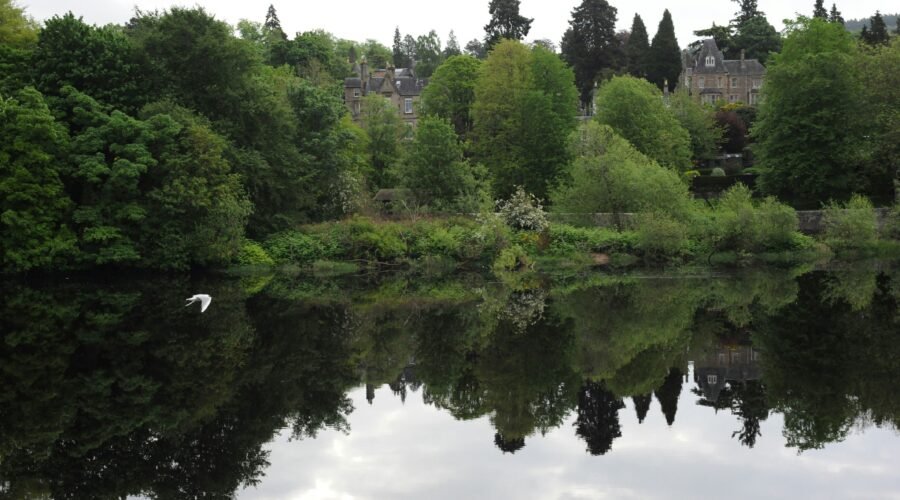
So, you’re thinking about a trip to Perth, Scotland? That’s a solid choice! People often wonder about the “best” time to visit, and honestly, there isn’t one single answer – it really depends on what you’re looking for. But, if you want the quick rundown, spring (April-May) and autumn (September-October) generally offer a good balance of decent weather, manageable crowds, and reasonable prices. However, each season has its own charm (and drawbacks!). Let’s dive into the nitty-gritty so you can pick the perfect time for your Perth adventure.
When people think of Scotland, they often picture rain. While it’s true that Perth isn’t exactly a desert, its weather is quite varied throughout the year. Understanding these nuances will help you pack right and plan your activities.
1.1. Spring: A Gentle Awakening
Spring in Perth is a gradual affair. It’s not a sudden burst of sunshine, but more of a slow, beautiful thaw. You’ll see the landscape come alive with fresh greenery and blooming flowers.
1.1.1. April: The Budding Beauty
April can be a bit of a mixed bag. You might get crisp, sunny days, but equally, you can encounter chilly winds and showers. Temperatures typically hover between 8°C and 14°C (46°F and 57°F). The key is layers!
1.1.2. May: Greener Pastures
May usually brings more stable and pleasant weather. The days are noticeably longer, and the temperatures start to climb, generally ranging from 10°C to 17°C (50°F to 63°F). This is when Perth really starts to shine, with parks and gardens looking their best.
1.2. Summer: Longer Days, Milder Temperatures
Perth’s summers are generally mild, not scorching. You’re more likely to experience comfortable warmth than stifling heat, which is a blessing for exploring.
1.2.1. June: The Start of Summer Vibes
June marks the beginning of the warmest and driest period. Expect temperatures between 12°C and 19°C (54°F and 66°F). The long daylight hours mean you have ample time for sightseeing.
1.2.2. July & August: Peak Pleasantness
These are typically the warmest months, with averages between 13°C and 20°C (55°F and 68°F). While you might get the occasional heatwave, it’s rare. These months also boast the longest daylight hours, with the sun setting very late.
1.3. Autumn: A Palette of Colour
As summer fades, Perth takes on a new, rich beauty with its autumn colours. It’s a photographer’s dream, though you should be prepared for a drop in temperature and increasing chances of rain.
1.3.1. September: Crisp and Colourful
September often retains some of the summer warmth, making it a lovely transition month. Temperatures are usually between 10°C and 17°C (50°F and 63°F). The fall foliage starts to appear, adding a beautiful visual element.
1.3.2. October: The Golden Hues Appear
As you move into October, the temperatures start to dip, typically between 7°C and 13°C (45°F and 55°F). The true splendour of autumn colours is on full display, but the weather becomes more unpredictable, with rain becoming more frequent.
1.4. Winter: A Quieter, Cosier Experience
Perth in winter is a different world. It’s a time for cosier pubs, dramatic skies, and a sense of peace. While the weather can be quite cold, it’s rarely extreme.
1.4.1. November: The Chill Sets In
November sees a definite drop in temperature, usually between 4°C and 9°C (39°F and 48°F). Daylight hours become significantly shorter, and rain is common. Frost can also start to appear.
1.4.2. December & January: The Depths of Winter
These are the coldest months, with average temperatures ranging from 2°C to 7°C (36°F to 45°F). Snowfall is possible, though it doesn’t often stick around for long in the city itself. Expect short days, often with a dramatic, moody atmosphere.
1.4.3. February: The First Signs of Stirring
February is still firmly in winter, with similar temperatures to December and January. However, you might start to notice the days getting infinitesimally longer, a subtle hint of spring’s return.
If you’re planning a trip to Perth, Scotland, it’s essential to consider not just the best time to visit but also how to make the most of your experience. For insights into how travel products and services are reviewed, which can help you choose the right accommodations and activities during your stay, check out this informative article on how reviews are conducted at Lele Tours. Understanding the review process can enhance your travel planning and ensure a memorable visit to this charming Scottish city.
2. Navigating Crowd Levels: When to Go for Peace or Buzz
Crowds can significantly impact your travel experience. Do you prefer a bustling atmosphere with lots happening, or a more relaxed, unhurried pace? Perth, while not as overrun as some major tourist hubs, does have its peak times.
2.1. Peak Season: Summer Buzz
2.1.1. July & August: The Busiest Months

Summer, particularly July and August, sees the highest number of visitors. This is when families are on holiday, and the weather is generally at its most pleasant. Expect more people at popular attractions, restaurants, and hotels.
2.1.2. School Holidays: A Factor to Consider
Beyond the summer months, keep an eye on UK school holiday periods. These can lead to spikes in domestic tourism, even outside of the warmest weather. Think Easter breaks and half-term weeks.
2.2. Shoulder Seasons: The Sweet Spot
2.2.1. Spring (April-May): Gentle Increase in Visitors
As the weather improves in spring, visitor numbers begin to rise. April can still be quite quiet, but by May, you’ll notice more people exploring, especially as the gardens bloom. It’s a good compromise if you want decent weather without the peak summer crush.
2.2.2. Autumn (September-October): Falling Numbers, Rising Beauty
September often retains a good number of visitors who are still enjoying the pleasant autumn weather. By October, crowds tend to thin out considerably. This is a fantastic time if you appreciate stunning scenery and a more serene experience.
2.3. Off-Season: Quiet Charm and Local Life
2.3.1. November to March: The Quietest Period
Winter, from November through to March (excluding the Christmas holidays), is the quietest time to visit Perth. This is when you’ll experience the most authentic local atmosphere. Many attractions might have reduced opening hours or be closed on certain days.
2.3.2. Christmas & New Year: A Brief Spurt
While generally off-season, Perth does see a small surge in visitors around the Christmas and New Year period due to festive markets and a generally cheerful atmosphere. It won’t be jam-packed, but it will be livelier than a regular winter week.
3. Budgeting Your Trip: Finding Value in Perth

The cost of visiting Perth, like anywhere, can fluctuate depending on when you choose to go. Being smart about your timing can make a significant difference to your overall spending.
3.1. Peak Season Prices: Summer Spending Spree
3.1.1. Accommodation: Higher Rates in July & August
Hotels and other accommodation options will generally charge their highest rates during the peak summer months (July and August) and sometimes during school holidays. Booking well in advance is crucial to securing decent prices during this time.
3.1.2. Flights and Travel: Increased Demand, Increased Cost
If you’re flying into Scotland, or even booking trains, expect prices to be higher during peak travel times due to increased demand. This applies to both domestic and international travel.
3.2. Shoulder Season Savings: Good Value for Money
3.2.1. Accommodation: More Affordable Options
During the shoulder seasons (spring and autumn), you’ll typically find more competitive prices for accommodation. You can often snag better deals on hotels and guesthouses, even for slightly more comfortable options.
3.2.2. Flights and Travel: Potential for Deals
While not as cheap as the off-season, flights and train tickets can often be found at more reasonable prices during spring and autumn compared to the summer rush. This is a good time to be on the lookout for early booking discounts.
3.3. Off-Season Bargains: The Budget Traveller’s Delight
3.3.1. Accommodation: Significantly Cheaper
Winter, outside of the holiday period, offers the best prices for accommodation. You can find some real bargains, especially if you’re flexible with your dates. This is ideal for budget-conscious travellers.
3.3.2. Flights and Travel: Lowest Fares
The lowest airfares and train ticket prices are typically found during the off-season. If your main priority is saving money, this is the period to focus on.
4. What to See and Do: Seasonal Highlights
| Month | Weather | Crowds | Costs |
|---|---|---|---|
| June | Mild and pleasant | Moderate | High |
| July | Warm and sunny | High | High |
| August | Warm and sunny | High | High |
| September | Mild and pleasant | Moderate | Medium |
Perth offers a range of activities and attractions, and some are best enjoyed at specific times of the year. Thinking about your interests can help steer your decision.
4.1. Spring: Gardens, Walks, and Wildlife Wonders
4.1.1. Blooming Gardens: Scone Palace and Branklyn Garden
As the weather warms, Perth’s gardens come to life. Scone Palace’s grounds are particularly stunning in spring, and Branklyn Garden is a horticultural gem that’s a delight to explore as its vibrant flora bursts forth.
4.1.2. Nature Walks: The River Tay and Surrounding Trails
The longer daylight hours and milder temperatures make spring perfect for exploring the natural beauty around Perth. Walks along the River Tay or through nearby hills offer refreshing air and the chance to see early wildlife.
4.1.3. Wildlife Spotting: Birdlife Alert
Spring is a prime time for birdwatching. You’ll see migratory birds returning, and local species will be active as they prepare for nesting.
4.2. Summer: Outdoor Activities and Festivals Galore
4.2.1. Exploring Castles and Historic Sites: Less Chill, More Exploration
Summer’s warmer, drier weather makes visiting outdoor historical sites like Scone Palace or hunting for hidden castles in the countryside much more comfortable.
4.2.2. Annual Events and Festivals: Checking Local Listings
Perth and its surrounding areas host various festivals and events during the summer months, from agricultural shows to music festivals. Checking local listings closer to your travel date is a good idea.
4.2.3. Water Sports on the Tay: Kayaking and Canoeing
The River Tay is a fantastic playground in summer. If you enjoy water sports, this is the ideal time for kayaking, paddleboarding, or even a gentle boat trip.
4.3. Autumn: Golden Landscapes and Cosy Indoor Pursuits
4.3.1. Autumnal Scenery: Forests and Parks Aglow
The changing colours of the leaves are a major draw in autumn. Forests like Almondell and Calderwood Country Park or local parks surrounding Perth become incredibly beautiful. This is prime time for photography.
4.3.2. Whisky Tasting and Distillery Tours: Warm Up Indoors
As the weather cools, the allure of a warming dram becomes stronger. Perthshire is home to several excellent whisky distilleries. Autumn is a great time to book a tour and tasting to learn about Scotland’s national drink.
4.3.3. Museums and Galleries: Cultural Delights
Perth Museum and Art Gallery, among other indoor attractions, offers a wonderful way to spend a cooler or rainy autumn day, delving into local history and art.
4.4. Winter: Dramatic Skies, Festive Cheer, and Quiet Reflection
4.4.1. Winter Landscapes: Moody Skies and Frosty Mornings
While cold, winter can offer stunning, dramatic skies over the Perthshire landscape. Frosty mornings can transform familiar scenes into something magical.
4.4.2. Festive Markets and Celebrations: Christmas Spirit
If you visit in late November or December, you can enjoy the festive atmosphere, Christmas markets, and local celebrations that bring warmth and cheer to the colder months.
4.4.3. Cozy Pubs and Fireplaces: The Quintessential Scottish Experience
Winter is the perfect excuse to embrace cosy pubs, enjoy hearty Scottish food, and perhaps find a crackling fireplace. It’s a chance to experience a slower pace of life and soak in the local culture.
If you’re planning a trip to Perth, Scotland, understanding the best time to visit can greatly enhance your experience. For more insights on how to make the most of your journey, you might find this article on travel tips particularly helpful. It covers various aspects such as weather patterns, crowd levels, and cost considerations, ensuring you have all the information you need to enjoy your stay.
5. Things to Consider for Your Perfect Trip
Beyond weather, crowds, and cost, there are a few other practicalities that might influence your decision.
5.1. Daylight Hours: Planning Your Activities
5.1.1. Summer: Longest Days for Maximum Exploration
If you love having as much daylight as possible to fit in sightseeing, summer is your best bet. You can easily explore from early morning until late evening.
5.1.2. Winter: Short Days Require Efficient Planning
In winter, you’ll have significantly fewer daylight hours. This means you need to be strategic with your sightseeing and perhaps focus on indoor attractions for parts of the day.
5.2. Events and Festivals: Checking the Calendar
5.2.1. Local Happenings: A Boost to Your Visit
Perth hosts various events and festivals throughout the year, from historical commemorations to cultural celebrations. These can add a unique dimension to your trip. Research what’s on during your potential visit dates.
5.2.2. Major Scottish Events: Edinburgh Fringe, Highland Games
While not directly in Perth, major Scottish events like the Edinburgh Fringe Festival (August) or various Highland Games (summer) can influence travel and accommodation availability and prices in surrounding areas, including Perth.
5.3. Flexibility and Personal Preferences: The Ultimate Deciding Factor
5.3.1. Your Priorities: What Matters Most to You?
Are you on a strict budget? Do you hate crowds? Are you primarily interested in hiking in crisp autumn air? Your personal priorities are the most important thing.
5.3.2. Embrace the Unexpected: Scottish Weather’s Charm
Ultimately, Scotland’s weather can be unpredictable. Even in summer, you can get rain. The key is to be prepared with layers and a positive attitude. Sometimes the “less ideal” weather creates the most atmospheric and memorable experiences. A misty morning can be just as beautiful as a sunny afternoon.
By weighing up these factors, you can pinpoint the time of year that best suits your individual travel style and what you hope to get out of your visit to beautiful Perth. Good luck with your planning!
FAQs
1. What is the best time to visit Perth, Scotland for favorable weather?
The best time to visit Perth, Scotland for favorable weather is during the summer months of June to August. During this time, the weather is generally mild and pleasant, with longer daylight hours and lower chances of rain.
2. When is the best time to visit Perth, Scotland to avoid crowds?
To avoid crowds, it is best to visit Perth, Scotland during the shoulder seasons of spring (April to May) and autumn (September to October). During these times, the tourist crowds are generally smaller, and you can enjoy the attractions and activities with more ease.
3. What is the peak tourist season in Perth, Scotland?
The peak tourist season in Perth, Scotland is during the summer months of June to August. This is when the city experiences the highest influx of tourists, leading to larger crowds and potentially higher accommodation and activity costs.
4. When is the best time to visit Perth, Scotland for lower costs?
To experience lower costs, it is best to visit Perth, Scotland during the off-peak seasons of winter (December to February) and the shoulder seasons of spring (April to May) and autumn (September to October). During these times, accommodation and activity costs are generally lower.
5. What is the weather like in Perth, Scotland during the winter months?
During the winter months of December to February, Perth, Scotland experiences cold temperatures, shorter daylight hours, and higher chances of rain and snow. It is important to be prepared for these weather conditions if visiting during this time.