
China can give you a frosty morning in Beijing, a humid afternoon in Shanghai, and heavy rain in Guilin during the same trip. The best time to visit China depends on which regions you plan to combine, not just the season on the calendar.
Quick Answer
For a first trip covering Beijing, Xi’an and Shanghai, the best time to visit China is usually April to May or mid-October to early November. Spring brings mild walking weather; autumn is cooler and drier in the north. Avoid the 2027 Spring Festival (February 5–13) and National Day (October 1–7).
Last checked: November 18, 2026. Dates and figures were verified against official sources.
Key Takeaways
- April, May, September and October offer comfortable weather across many popular destinations, provided you avoid major holidays.
- Summer suits highland destinations such as Yunnan, while eastern and southern cities face greater heat, humidity and rainfall.
- Winter brings quieter sightseeing in many cities, but Harbin becomes a major attraction during its ice and snow season.
- China’s 2027 Spring Festival runs February 5–13, and National Day runs October 1–7. Both can make transportation and accommodation much harder to arrange.
China’s Climate Zones: What Every Traveler Needs to Know First
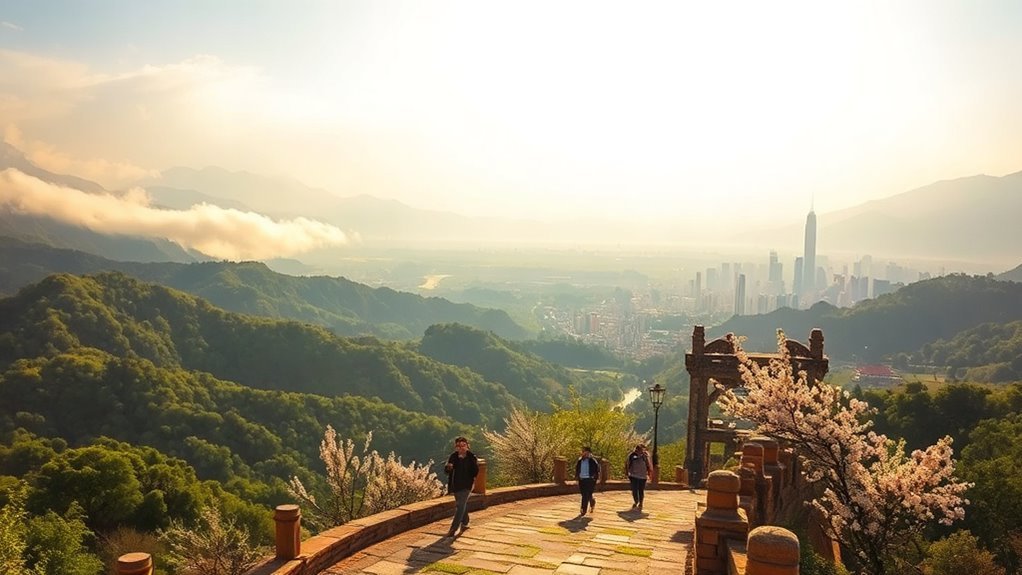
China has several distinct climate zones, so the weather can change dramatically between destinations. Northern cities experience cold winters and hot summers, while southern regions stay warmer and receive more summer rain.
Think of China as several different travel environments:
- Northern China: Beijing and Harbin experience cold, dry winters, warm springs and hot summers. Winter temperatures can fall below freezing.
- Eastern China: Shanghai and the Yangtze River region experience humid summers, seasonal heavy rain and damp winters.
- Southern China: Guangxi, Guangdong and Hainan generally stay warmer. Rainfall increases during the warmer months, and coastal areas can experience typhoons.
- Southwestern China: Yunnan’s higher elevations offer milder temperatures. However, summer brings substantial rainfall, especially around the monsoon season.
- Western and high-altitude China: Tibet and other mountainous areas have strong seasonal differences. Nights can be cold even when daytime temperatures feel comfortable.
For example, Kunming remains relatively mild during summer, while Beijing and Shanghai become hot and humid. Guilin also experiences much warmer conditions and a pronounced rainy season.
This is why you should identify your destinations before choosing travel dates. A month that works beautifully for Beijing may be uncomfortable for southern China.
Best Time to Visit China: Month-by-Month Weather and Crowds
Spring and autumn generally offer the best combination of weather and sightseeing conditions for a first China trip. However, individual months differ considerably, and national holidays can turn an otherwise pleasant travel window into a crowded experience.
The following table uses monthly mean temperatures from the Japan Meteorological Agency’s ClimatView data. These are historical climate averages, not daily forecasts.
| Month | Beijing °C | Shanghai °C | Guilin °C | Kunming °C | Weather and travel conditions | 2027 events and crowds |
|---|---|---|---|---|---|---|
| January | -2.8 | 5.0 | 8.7 | 9.3 | Very cold in the north; milder in southern destinations. | New Year’s holiday January 1–3. Harbin ice season attracts winter visitors. |
| February | 0.6 | 6.5 | 11.1 | 11.6 | Winter continues in the north; the south starts warming. | Spring Festival February 5–13. Very high domestic travel demand. |
| March | 7.5 | 10.3 | 14.3 | 14.9 | Spring begins in the south, while northern China can remain chilly. | Generally quieter than major holiday periods. |
| April | 15.1 | 15.7 | 20.0 | 17.8 | Comfortable sightseeing weather across many regions. | Qingming holiday April 3–5. Moderate crowds around the break. |
| May | 21.3 | 20.9 | 24.1 | 19.7 | Warm weather; rain increases in southern China. | Labor Day holiday May 1–5. Heavy crowds during the break. |
| June | 25.3 | 24.4 | 26.9 | 20.7 | Hotter and wetter, especially around the Yangtze and southern regions. | Dragon Boat Festival June 9. A one-day public holiday in 2027. |
| July | 27.2 | 28.8 | 28.8 | 20.5 | Hot and humid in major cities; mountain areas are more comfortable. | Summer school holidays bring high domestic visitor numbers. |
| August | 26.0 | 28.5 | 28.8 | 20.3 | Hot, humid and rainy in many eastern and southern destinations. | High domestic travel demand; coastal typhoon risks. |
| September | 21.2 | 24.8 | 26.5 | 18.8 | Heat begins easing in northern and eastern China. | Mid-Autumn Festival September 15. Moderate crowds around the holiday. |
| October | 13.8 | 19.7 | 22.0 | 16.2 | Excellent autumn sightseeing weather after the first week. | National Day October 1–7. Extremely busy; quieter after October 7. |
| November | 5.2 | 13.9 | 16.7 | 12.5 | Cool in the north and comfortable in many southern destinations. | Generally quieter, with fewer nationwide holiday crowds. |
| December | -1.0 | 7.5 | 11.2 | 9.5 | Cold in the north; mild winter conditions in the south. | Harbin Ice and Snow World opens in mid-December; Zhaolin Park’s ice lantern fair opens December 30. |
The figures above are monthly mean temperatures, not daytime highs or nighttime lows. They come from the Japan Meteorological Agency’s 1991–2020 climatological normals. The four stations show why a single national temperature range can be misleading.
Spring (March–May)
Spring is one of the most reliable periods for visiting China. Temperatures rise across northern cities, flowers appear in southern destinations, and outdoor sightseeing becomes more comfortable.
March can still feel cold in Beijing and other northern cities. April is generally more comfortable across the country, while May brings warmer weather and increasing rainfall in parts of southern China.
Qingming Festival falls on April 3–5 in 2027. If you want fewer domestic visitors, avoid those dates and the May 1–5 Labor Day holiday.
Autumn (September–November)
Autumn offers comfortable temperatures, attractive foliage and generally good sightseeing conditions. It is particularly rewarding for Beijing, Zhangjiajie and Jiuzhaigou.
September can still feel warm in southern China, but northern temperatures become more pleasant. October is excellent after National Day Golden Week, while November brings colder weather to northern cities.
For autumn colors, destinations such as Jiuzhaigou and Zhangjiajie are worth considering. If your schedule allows, travel after October 7 to avoid the busiest national holiday period.
Summer in China: How Bad Are the Heat, Rain, and Crowds?
Summer in China runs from June through August and brings heat, humidity and substantial rainfall to many regions. It is also a busy domestic travel season, although high-altitude destinations offer more comfortable alternatives.
Beijing, Shanghai and Guilin can become uncomfortable during the hottest months. The monthly mean temperature reaches 27.2°C in Beijing during July and 28.8°C in Shanghai and Guilin.
Summer travel in China works best when you match your destination to the weather. Choose cooler highlands instead of spending every afternoon in a hot, humid city.
Rainfall also increases. Southern China experiences its main rainy season, while the Yangtze River region can experience prolonged plum rain during the early summer transition.
Guilin’s rainy season is especially noticeable in May and June. The local Guilin climate guide identifies these months as particularly wet.
Summer also brings the Dragon Boat Festival. In 2027, the public holiday falls on June 9. Tourist attractions may become busier around the holiday, although the break is shorter than the major national holiday periods.
There are still excellent reasons to visit during summer. Consider these destinations:
- Yunnan: Kunming’s average monthly temperature stays around 20°C during summer. It is much milder than Beijing or Shanghai, although rainfall is substantial.
- Tibet: Summer offers a popular window for exploring the high-altitude landscapes. Conditions can change quickly, so prepare for rain, strong sunlight and cold evenings.
- Western Sichuan: Mountain scenery, grasslands and cooler elevations offer alternatives to the hottest eastern cities.
- Inner Mongolia: Grasslands provide a different summer experience, with open landscapes and seasonal outdoor activities.
Heat management still matters. Choose lightweight clothing, carry drinking water and schedule outdoor sightseeing for early morning or late afternoon. Heavy rain can also affect mountain roads and outdoor activities.
Winter Travel in China: Lower Prices, Thin Crowds, and Real Cold
Winter offers fewer visitors and potentially lower travel costs in many Chinese cities. However, northern China becomes extremely cold, while southern destinations remain more comfortable for sightseeing.
Beijing experiences freezing winter temperatures, and Harbin gets even colder. Southern destinations such as Guilin and Kunming offer milder conditions, making them useful choices if you want to avoid the northern winter.
Harbin is the standout destination for winter travelers. Its annual ice and snow attractions transform the city into a major seasonal destination.
For the 2026–2027 winter season, Harbin has announced several events:
- December 7, 2026: The seventh Harbin Ice Harvest Festival takes place at Songhua River Beach Tribe.
- Mid-December 2026: The 28th Harbin Ice and Snow World is scheduled to open. Its planned area is 1.25 million square meters, using approximately 400,000 cubic meters of ice and snow.
- December 30, 2026: The 53rd Zhaolin Park Ice Lantern Art Fair opens free to visitors.
- November 2026–March 2027: Harbin’s wider winter season includes more than 100 ice and snow activities and events.
These dates and event details come from the Heilongjiang government’s 2026–2027 Harbin winter-season announcement. The Ice and Snow World opening is planned for mid-December, rather than a confirmed specific opening day.
Winter also has budget advantages. Flights, hotels and tour packages can become less expensive between November and February, outside the Spring Festival period. Beijing budget hotels run around $30–60 nightly, while premium options can reach $150 or more.
However, Harbin is an exception to the idea that every winter destination is quiet and inexpensive. Its ice attractions create strong seasonal demand, especially during the main festival period.
If you want cultural experiences, Spring Festival offers traditional celebrations, family gatherings, temple fairs and festive food. However, many small family-run businesses close or shorten their hours during the holiday, and transportation becomes much busier.
Chinese National Holidays and Which Dates to Avoid Entirely
China’s national holidays can affect your trip more than the weather. Millions of residents travel during these breaks, filling popular attractions, trains and hotels. The government has already published the official 2027 holiday calendar, making it possible to plan around the busiest periods.
Major Holiday Dates for 2027
China has seven main public holiday periods. Their dates change each year because several festivals follow the traditional Chinese lunar calendar.
| Holiday | 2027 dates | Travel impact |
|---|---|---|
| New Year’s Day | January 1–3 | Short holiday with increased travel demand. |
| Spring Festival (Chinese New Year) | February 5–13 | Very high travel demand, especially on intercity routes. |
| Qingming Festival | April 3–5 | Short domestic travel surge. |
| Labor Day | May 1–5 | One of the busiest spring travel periods. |
| Dragon Boat Festival | June 9 | One-day holiday that can increase local travel. |
| Mid-Autumn Festival | September 15 | One-day holiday with some additional domestic travel. |
| National Day Golden Week | October 1–7 | The busiest nationwide travel period of the year. |
These dates come from the General Office of China’s State Council 2027 holiday announcement.
Peak Crowd Periods
The three periods that deserve the most attention are Spring Festival, Labor Day and National Day Golden Week. They create heavy demand for trains, hotels and popular attractions.
The scale of domestic tourism is substantial. During the seven-day 2026 National Day holiday, China recorded 826 million domestic tourist trips, with tourism spending reaching 738.38 billion yuan, according to the Ministry of Culture and Tourism.
The official 2026 National Day tourism report shows why you should not underestimate these holiday periods.
Popular destinations such as the Great Wall, West Lake and Zhangjiajie can become extremely crowded. Transportation availability also becomes more limited as domestic travelers move between major cities and their hometowns.
How to Travel if You Cannot Avoid a Holiday
You do not have to cancel your trip if your dates overlap a national holiday. However, you should expect higher demand and plan your transportation and accommodation carefully.
Consider these practical steps:
- Book accommodation early: Reserve hotels three to six months ahead when traveling during major holiday periods.
- Arrange transportation: Secure long-distance train and flight tickets as early as the booking system allows.
- Reserve popular attractions: Some major attractions use timed entry and daily visitor limits.
- Choose quieter destinations: Consider smaller towns and less popular scenic areas instead of the busiest tourist attractions.
- Travel immediately after a holiday: Arriving after the official break can give you a much calmer experience.
Remember that the official holiday period is not the only busy time. The Spring Festival travel rush also creates demand before and after the actual holiday as people travel home for family gatherings.
What Flights and Hotels Actually Cost by Season in China
Your China travel budget depends heavily on your dates and destinations. International flight fares, hotel rates and tour prices can change considerably between peak holidays, shoulder seasons and quieter winter months.
During peak periods such as National Day Golden Week and Chinese New Year, international flight costs can spike 40–60% above average. Hotel prices in major cities such as Beijing and Shanghai can also double overnight.
Shoulder seasons, particularly April through May and September through October, offer a better balance between weather and cost. Flight fares are often more reasonable, and hotels can remain competitive outside national holidays.
Winter months outside the Spring Festival period generally offer some of the lowest flight costs. Hotels in many destinations also reduce prices when visitor numbers fall.
For better flight rates, book around 8–12 weeks ahead. If you must travel during a major holiday, start planning considerably earlier.
Remember that winter does not mean every destination is inexpensive. Harbin’s ice and snow season attracts strong demand, so hotel and tour costs can rise during its main festival period.
The Best Time to Visit China’s Most Popular Destinations
China’s popular destinations each have their own ideal travel periods. Beijing is particularly rewarding in spring and autumn, Shanghai is comfortable during its shoulder seasons, and Guilin offers its best balance of scenery and weather during selected months between spring and autumn.
Choose your dates according to the places you actually want to explore rather than following one national travel recommendation.
Beijing’s Ideal Travel Seasons
Beijing is best visited in April–May and September–October. These months offer more comfortable temperatures for walking around historic sites, visiting temples and exploring the Great Wall.
April brings spring flowers and mild conditions. May is warmer, although you should avoid the Labor Day holiday if you want fewer visitors.
Autumn is another excellent choice. September and October bring cooler weather and attractive foliage, especially around the city’s parks and historic landmarks.
Winter is much colder, with the January monthly mean temperature around -2.8°C. Summer is hot, and July also brings substantially more rainfall than the spring and autumn months.
If you want a quieter Great Wall experience, choose a weekday outside the major national holidays. Autumn after October 7 is particularly attractive.
Shanghai’s Best Visit Times
Shanghai is most comfortable during April–May and October–November. These months offer more pleasant conditions for walking along the Bund, exploring Yu Garden and visiting Tianzifang.
Spring brings warming temperatures and blooming scenery. Autumn offers cooler air and more comfortable conditions for exploring the city’s streets and waterfront.
July and August are much harder for outdoor sightseeing. Monthly mean temperatures reach approximately 28°C, while humidity and seasonal rainfall add to the discomfort.
Winter is cooler and damp, but you can still enjoy museums, shopping areas, restaurants and indoor attractions. Crowds also tend to be lighter outside holiday periods.
If you prefer outdoor sightseeing, avoid the hottest summer weeks whenever possible.
Guilin’s Peak Tourism Periods
Guilin is generally best visited between April and October, when its karst mountains, rivers and surrounding greenery create beautiful scenery. However, the best individual months depend on how much rain and heat you can tolerate.
April and May offer warm conditions and lush landscapes. The Li River and surrounding countryside become particularly attractive during this period, although May and June can bring heavy rain.
July and August are hotter, with average monthly temperatures reaching approximately 28.8°C. These months also coincide with busy domestic school holidays, which can increase visitor numbers and accommodation costs.
September and October offer another attractive window. Temperatures begin to ease, and outdoor activities become more comfortable.
November and December are quieter, with fewer visitors and cooler weather. These months can suit travelers who prefer peaceful sightseeing over warm, humid conditions.
Frequently Asked Questions
Do I need a visa to visit China as a tourist?
It depends on your passport. China allows visa-free tourism for some nationalities, while others must obtain an L tourist visa before travel. A separate transit exemption applies only to eligible travelers meeting its conditions. Check the National Immigration Administration’s visa exemption rules before booking.
What vaccinations are recommended before traveling to China?
Check your routine vaccines and ask a travel health professional about hepatitis A and B. The CDC recommends hepatitis A for unvaccinated travelers and hepatitis B for unvaccinated travelers of all ages. Typhoid may also be worth considering for rural or longer trips. Advice depends on your health and itinerary. Review the CDC’s China travel health guidance before departure.
Is it safe to drink tap water in China?
No. The CDC says tap water is not drinkable in China, including major cities. Choose sealed bottled water or water that has been boiled or properly treated. Ask for drinks without ice if you cannot confirm how the ice was made.
What currency is used in China, and can I use cards?
China uses the renminbi (RMB), also called the yuan. Foreign visitors can use cash, bank cards at participating merchants and mobile wallets such as Alipay or WeChat Pay linked to eligible overseas cards. Keep some cash because acceptance varies by shop and location. The Chinese government’s visitor payment guide explains the available options.
How difficult is it to navigate China without speaking Mandarin?
Travel without Mandarin is manageable in major tourist cities, but it takes planning. Save hotel and attraction addresses in Chinese, use a translation app and keep your passport details accessible. Smaller towns and rural transport may offer fewer English signs or English-speaking staff.
What is the cheapest month to visit China?
November is often a good-value month for many city itineraries because summer travel has ended and the October holiday is over. Winter can also be cheaper outside Spring Festival. However, Harbin’s ice season attracts strong demand, so prices depend on your destination.
Is October a good time to visit China?
Yes. October can be one of the best months for weather in northern and eastern China, but avoid National Day Golden Week from October 1–7. In 2027, plan from October 8 onward for a calmer trip, with comfortable temperatures and attractive autumn scenery.
Conclusion
China offers something different in every season, but spring and autumn remain the strongest choices for most first-time visitors. April, May, September and October provide comfortable sightseeing conditions when you avoid major holidays.
If you prefer cooler weather and lower prices, consider winter outside Spring Festival. For summer travel, focus on highland destinations such as Yunnan and Tibet. Most importantly, match your travel dates to your actual destinations and China’s holiday calendar before booking.
Sources
- Japan Meteorological Agency: World Climate: Climate normal methodology and the 1991–2020 reference period.
- Beijing Monthly Climate Normals: Monthly mean temperatures and precipitation.
- Shanghai Monthly Climate Normals: Monthly mean temperatures and precipitation.
- Guilin Monthly Climate Normals: Monthly mean temperatures.
- Kunming Monthly Climate Normals: Monthly mean temperatures and precipitation.
- General Office of the State Council: 2027 Public Holidays: Official dates for all seven public holiday periods.
- China’s 2026 National Day Tourism Statistics: Domestic tourist trips and tourism spending during the holiday.
- Heilongjiang Provincial Government: 2026–2027 Harbin Winter Season: Harbin’s ice attractions, seasonal activities and event dates.
- Visit Guilin: Climate and Weather: Guilin’s seasonal temperatures, rainy months and recommended travel period.
- National Immigration Administration: Visa Exemption Policies: Nationality-based visa-free tourism rules.
- CDC: China Traveler View: Vaccination recommendations and drinking-water safety.
- Chinese Government: Guide to Working and Living in China: Mobile payments, bank cards and payment options for foreign visitors.