Planning a trip to Southwest Florida means choosing between comfortable winter weather, sunny spring days, and cheaper but hotter summer travel. The best time to visit Fort Myers depends on whether you value beach weather, manageable crowds, wildlife, or affordable accommodation. Understanding the monthly differences will help you choose dates that fit your plans.
Quick Answer
Mid-February through April is the best overall period for visiting Fort Myers. You get warm daytime temperatures, relatively low humidity, and little rainfall. For better hotel value and fewer visitors, consider May or November. September can also offer lower prices, but heavy rainfall and hurricane-season weather are important trade-offs.
Last checked: November 18, 2026. Climate figures use 1991–2020 normals, and listed event dates were checked against official sources.
Key Takeaways
- August is normally the wettest month, with approximately 10.43 inches of rainfall.
- The official peak travel season runs from January 15 through April.
- May and November offer shoulder-season value, but their temperatures are very different.
- Winter is particularly rewarding for manatee viewing and migratory birdwatching.
Fort Myers Weather by Month: Average Highs, Lows, and Rainfall
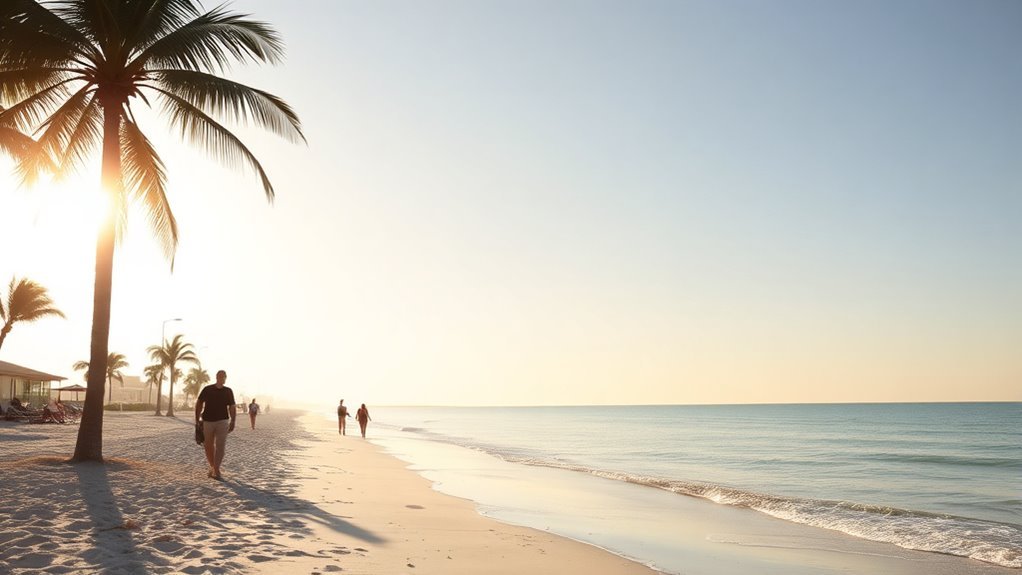
Fort Myers has warm weather throughout the year, but rainfall and humidity change considerably between seasons. NOAA’s 1991–2020 Fort Myers climate normals show average daytime highs ranging from 75°F in January to nearly 92°F in August.
The following table uses normal daily high and low temperatures and average monthly precipitation for Fort Myers (KFMY). These are long-term averages, not a forecast for a particular travel date.
| Month | Average High | Average Low | Rainfall |
|---|---|---|---|
| January | 75.0°F | 54.3°F | 2.43 in |
| February | 78.0°F | 56.6°F | 1.78 in |
| March | 81.1°F | 59.6°F | 2.07 in |
| April | 85.3°F | 64.3°F | 2.44 in |
| May | 89.5°F | 69.1°F | 3.46 in |
| June | 91.0°F | 73.6°F | 9.66 in |
| July | 91.6°F | 74.7°F | 9.38 in |
| August | 91.7°F | 75.1°F | 10.43 in |
| September | 90.0°F | 74.3°F | 9.00 in |
| October | 86.6°F | 69.4°F | 3.08 in |
| November | 81.3°F | 61.8°F | 1.78 in |
| December | 77.3°F | 57.3°F | 1.90 in |
The pattern is clear. November through April is the drier part of the year, while June through September receives most of the annual rainfall.
June through September accounts for roughly two-thirds of normal yearly precipitation. August is the wettest month, averaging 10.43 inches. These months also bring frequent thunderstorms, usually during late afternoon or early evening.
May and October are transition months. Rainfall increases in May before the summer wet season, then drops considerably in October as the weather begins to improve.
For beach planning, water temperatures also matter. The official Fort Myers destination fact sheet reports average spring and summer water temperatures around 84°F, compared with approximately 71°F during fall and winter.
The Best Time to Visit Fort Myers for Weather
Mid-February through mid-April offers the best overall weather for a Fort Myers vacation. You get warm afternoons, relatively comfortable humidity, and considerably less rain than during summer.
This period works especially well for beach visits, kayaking, walking trails, outdoor dining, and sightseeing. You can spend more time outside without constantly planning around thunderstorms.
Ideal Weather Months
February, March, and April provide the strongest combination of comfortable temperatures and low rainfall.
- February: Average highs reach 78°F, with lows around 56.6°F. Rainfall averages just 1.78 inches, making February one of the driest months.
- March: Average highs increase to 81.1°F. The weather is warm enough for beach days and outdoor activities without the summer heat.
- April: Average highs reach 85.3°F, and evenings remain comfortable. Rainfall averages 2.44 inches, although temperatures begin climbing toward summer levels.
If you prefer warmer afternoons, April is an excellent choice. If you want milder temperatures, February and March are better options.
Temperature and Rainfall Patterns
Fort Myers has two broad weather patterns rather than four sharply separated seasons. The drier months support more predictable outdoor plans, while summer brings heavier rain and higher humidity.
Here is how the year generally feels:
- Winter, December through February: Mild afternoons, cooler evenings, and relatively little rain.
- Spring, March through May: Increasing temperatures, plenty of outdoor opportunities, and a gradual rise in rainfall.
- Summer, June through August: Hot afternoons, high humidity, and frequent thunderstorms.
- Fall, September through November: September remains wet, October becomes drier, and November brings more comfortable conditions.
November and December are particularly useful alternatives if you want mild weather without visiting during the main winter and spring peak.
Peak Season in Fort Myers: Crowds, Costs, and Whether It’s Worth It
Fort Myers reaches its official peak travel season from January 15 through April. Winter is especially popular with visitors escaping colder northern climates, while spring training and local festivals add more demand.
The Visit Fort Myers travel guide identifies December through February as the most popular winter period. Its official fact sheet also states that reservations are essential during the January-to-April peak season.
During these months, you can expect greater accommodation demand, busier restaurants, and more activity around popular beaches and attractions. Hotel prices generally remain higher than during the off-peak vacation season, although individual holiday and event dates vary.
The main advantage is the weather. You get mild temperatures, less humidity, and a much lower chance of rain disrupting outdoor plans.
Major Events Worth Planning Around
Fort Myers has several annual festivals and sporting events that can influence your travel dates. The following confirmed dates include upcoming events from November 2026 through September 2027. The Fort Myers Beach Chamber event calendar provides additional details for its annual celebrations.
| Event | Dates | Location |
|---|---|---|
| American Sand Sculpting Championship | November 19–23, 2026 | Fort Myers Beach |
| Fort Myers Beach Christmas Boat Parade | December 5, 2026 | Fort Myers Beach |
| Edison Festival of Light | February 14 and 20, 2027 | Fort Myers |
| Minnesota Twins Spring Training | February 19–March 22, 2027 | Lee Health Sports Complex |
| Fort Myers Beach Lions Club Shrimp Festival | March 13–14, 2027 | Fort Myers Beach |
| Island Hopper Songwriter Fest | September 17–26, 2027 | Fort Myers, Cape Coral, and nearby islands |
The 2027 Edison Festival includes a Junior Parade on February 14 and a Grand Parade on February 20. The Twins have 16 home spring-training games scheduled at Lee Health Sports Complex, beginning February 19 and ending March 22.
Island Hopper is another good reason to visit in September. The 2027 festival offers more than 60 free performances across several locations, including downtown Fort Myers, Cape Coral, Fort Myers Beach, and Captiva.
Peak season is worth the extra expense if you want comfortable outdoor weather, major events, and a lively atmosphere. If you prefer more flexibility and lower accommodation costs, the shoulder months are worth considering.
The Best Time to Visit Fort Myers on a Budget
May and November are two of the strongest shoulder-season choices for budget travelers. September is another option if you want lower hotel rates and do not mind wet weather.
The official destination bureau identifies May and November as in-between seasons with fewer crowds and often lower hotel prices. Summer also brings additional accommodation and travel deals.
Comparing the Best Value Months
These three periods offer different combinations of price, temperature, and rainfall.
| Period | Average High | Rainfall | Main Trade-Off |
|---|---|---|---|
| May | 89.5°F | 3.46 in | Fewer visitors, but hot afternoons |
| September | 90.0°F | 9.00 in | Potential hotel savings, but heavy rain |
| November | 81.3°F | 1.78 in | Mild weather before peak demand |
May and November: Shoulder-Season Advantages
May offers lower travel demand before the main summer weather pattern develops. However, average daytime highs already approach 90°F, so you should expect warm afternoons.
November is a better option if you want both comfortable temperatures and lower rainfall. It also gives you a chance to enjoy outdoor activities before the busiest winter travel period begins.
September: Lower Rates and Festival Opportunities
September can offer attractive hotel prices after the busy summer travel period. The official September travel guide highlights lower accommodation rates and the annual Island Hopper Songwriter Fest.
However, September is one of Fort Myers’ wettest months. You should balance possible accommodation savings against the likelihood of rain and tropical weather disruptions.
Fort Myers in Summer: What to Know Before You Book
Summer in Fort Myers is hot, humid, and rainy, but it can be a good choice if you want fewer seasonal visitors and better travel deals. June through August brings average daytime highs of approximately 91–92°F and frequent thunderstorms.
You will need to plan outdoor activities differently from a winter visitor. The main advantage is that summer offers a more relaxed travel atmosphere and potentially lower accommodation costs.
Summer Weather Expectations
June, July, and August are the hottest months in Fort Myers. Average nighttime temperatures also remain high, ranging from 73.6°F in June to 75.1°F in August.
Rainfall increases sharply during summer. August averages 10.43 inches, while June and July receive approximately 9.66 and 9.38 inches respectively.
Most summer thunderstorms occur during late afternoon or early evening. They can interrupt beach activities and boating plans, although many showers pass relatively quickly.
For a more comfortable experience:
- Schedule beach visits, kayaking, and nature walks earlier in the day.
- Wear lightweight, breathable clothing.
- Carry sun protection and drinking water.
- Keep indoor activities available for rainy afternoons.
- Allow flexibility for outdoor tours and boating excursions.
Note: Atlantic hurricane season runs from June 1 through November 30. September falls within this period, and tropical systems can affect travel, flights, and beach conditions. Follow NOAA hurricane-season guidance and consider flexible accommodation arrangements when traveling during these months.
Crowd Levels Drop
Summer generally feels quieter than the January-to-April peak season. You will find a different atmosphere at beaches, restaurants, and local attractions as seasonal winter visitors leave.
This can make spontaneous sightseeing and restaurant visits easier. You may also find more accommodation choices outside major holidays and special events.
Fort Myers Beach maintains a year-round event calendar. Summer traditions include Fourth of July celebrations and Mullet Madness, a local summer event weekend.
Budget-Friendly Summer Deals
Summer is worth considering if accommodation costs are more important to you than ideal outdoor weather. The destination bureau specifically highlights summer travel deals and additional family activities.
You can also look at vacation rentals and accommodation packages instead of limiting your search to traditional hotels. Compare the full cost of your stay, including transport and activities, before choosing your dates.
Summer is not the best choice for everyone, but it offers a useful alternative if you can handle the heat and frequent rain.
Best Time to Visit Fort Myers for Your Type of Trip
The best time to visit Fort Myers changes depending on what you want to do. Beach lovers benefit from spring weather, wildlife enthusiasts have excellent winter opportunities, and baseball fans should focus on February and March.
| Traveler Type | Best Period | Why It Works |
|---|---|---|
| Beach Lovers | February–April | Warm days and relatively low rainfall make beach visits more comfortable. |
| Wildlife Enthusiasts | November–March | Winter brings migratory birds and manatees to local viewing areas. |
| Families | February–April | Comfortable conditions support beaches, nature activities, and sightseeing. |
| Baseball Fans | February–March | Minnesota Twins spring training takes place at Lee Health Sports Complex. |
| Music and Festival Fans | February–March and September | The Edison Festival, Shrimp Festival, and Island Hopper offer seasonal events. |
| Budget Travelers | May, September, and November | These periods can offer lower accommodation prices than the main peak season. |
Best Time for Wildlife and Birdwatching
Winter is particularly rewarding for wildlife enthusiasts. Migratory birds arrive in Southwest Florida, making beaches, wetlands, and nature preserves attractive places for birdwatching.
The Fort Myers migratory bird guide highlights winter visitors such as white pelicans and piping plovers. J.N. Ding Darling National Wildlife Refuge on Sanibel Island is one of the area’s major birdwatching destinations.
Manatee viewing is another winter attraction. According to the Florida Fish and Wildlife Conservation Commission, hundreds of manatees visit Lee County Manatee Park during winter to use its warmer waters.
This makes November through March especially interesting if wildlife watching is a major reason for your trip.
Best Time for Families and Couples
Families who want outdoor activities should consider February through April. Comfortable weather makes it easier to combine beach visits, nature walks, kayaking, and sightseeing.
May can work for families seeking better travel value, but temperatures are already approaching 90°F. Summer also has attractive deals, although frequent storms may require changes to outdoor plans.
For romantic getaways, November through February offers cooler evenings and pleasant conditions for waterfront dining and sunset walks. Remember that January and February fall within the main peak travel period.
Best Time for Sports and Cultural Events
Baseball fans should consider February and March. The Minnesota Twins have 16 home spring-training games scheduled at Lee Health Sports Complex in 2027, beginning February 19.
For music and cultural experiences, February brings the Edison Festival of Light, while September offers the Island Hopper Songwriter Fest. Both provide opportunities to experience the area’s local culture beyond its beaches.
Food tours and waterfront dining are available throughout the year. Winter offers a livelier seasonal atmosphere, while summer can be a better choice if you prefer a quieter visit.
Where to Stay in the Greater Fort Myers Area
Choosing the right base can make your trip easier because the Fort Myers destination includes several different communities, islands, and beach areas. Your best choice depends on whether you prefer downtown activities, a beachfront stay, shelling, or boating.
The official Fort Myers neighborhood guide highlights several distinct places worth considering.
- Downtown Fort Myers and the River District: A good choice for restaurants, galleries, shopping, historic streets, and cultural activities.
- Fort Myers Beach: Best for travelers who want a lively beach-town atmosphere and easy access to Gulf beaches.
- Sanibel Island: Particularly attractive for shelling, beaches, nature, and wildlife viewing.
- Cape Coral: A strong option for boating enthusiasts and travelers interested in canal-side vacation rentals.
- Captiva Island: Worth considering if you want a quieter island retreat and a more secluded setting.
These locations are part of the wider Fort Myers destination rather than one compact city center. Consider where your main activities are located before choosing accommodation.
Frequently Asked Questions
Are There Any Annual Festivals or Events Worth Planning Your Trip Around?
Yes. Confirmed 2027 dates include the Edison Festival of Light parades on February 14 and 20, the Fort Myers Beach Lions Club Shrimp Festival on March 13–14, and Island Hopper from September 17–26. The Minnesota Twins’ 2027 spring-training home schedule also begins on February 19.
How Far in Advance Should I Book Accommodations in Fort Myers?
Book as soon as your dates are firm if you plan to visit from January 15 through April. Visit Fort Myers identifies this as peak season and says reservations are essential. Festival weekends and spring-training dates can add demand, so there is no single lead time that suits every property.
What Are the Best Neighborhoods to Stay in Fort Myers?
For downtown restaurants, galleries, and shops, choose the historic River District. For a beach-focused stay, consider Fort Myers Beach; for shelling and island scenery, Sanibel; for canals and boating, Cape Coral. These are distinct communities in the wider Fort Myers area, not all city neighborhoods.
Is Fort Myers Suitable for Solo Travelers or Better for Families?
Fort Myers works for both solo travelers and families. Solo visitors can plan around paddling, wildlife watching, galleries, and seafood, while families can add beaches, shelling, museums, and nature preserves. Choose a base that fits your activities, then plan transport between the mainland and islands.
How Does Fort Myers Compare to Nearby Naples or Sanibel Island?
Fort Myers combines a downtown river district with beaches and nearby islands. Sanibel is a separate island known for shells and beaches, while Naples is another Gulf Coast city to the south. Compare lodging and transport for your dates rather than assuming one is always cheaper.
What Is the Best Month to Visit Fort Myers?
February through April is the best all-around window for warm, relatively dry weather. Normal daytime highs range from 78°F in February to 85°F in April, with 1.78–2.44 inches of monthly rain. November is another mild, drier option outside the main peak season.
When Is the Cheapest Time to Visit Fort Myers?
No single month is guaranteed to be cheapest, but May, September, and November are worth comparing. The destination bureau identifies May and November as shoulder months with often lower hotel prices; September can also bring lower rates, but rainfall averages about 9 inches.
When Is Hurricane Season in Fort Myers?
Atlantic hurricane season runs from June 1 through November 30. That does not mean a storm will affect your dates, but tropical systems can disrupt flights, beach access, and outdoor plans. Monitor official forecasts and choose flexible booking terms if you travel during this period.
Conclusion
Choose mid-February through April if comfortable weather matters most. If you want lower accommodation costs, compare May and November first, then consider September if you can handle heavy rainfall and hurricane-season uncertainty. Match your travel dates to the activities and events you want to experience, and choose your accommodation accordingly.
Sources
- NOAA National Centers for Environmental Information, Fort Myers Local Climatological Data: Monthly 1991–2020 temperature and rainfall normals, humidity, and seasonal thunderstorm patterns.
- Visit Fort Myers Fact Sheet: Seasonal water temperatures and the official January-to-April peak-season period.
- Visit Fort Myers Vacation Tips: Winter popularity, shoulder-season travel, and summer deals.
- Fort Myers Beach Chamber of Commerce: Sand Sculpting Championship, Christmas Boat Parade, and annual summer events.
- Edison Festival of Light: Confirmed 2027 parade dates.
- Minnesota Twins and MLB: 2027 spring-training home schedule and game dates.
- Fort Myers Beach Lions Club Shrimp Festival: Confirmed March 2027 festival dates.
- Island Hopper Songwriter Fest: 2027 festival dates and free performances.
- Visit Fort Myers September Travel Guide: September hotel-rate and festival information.
- NOAA: Official Atlantic hurricane-season dates.
- Florida Fish and Wildlife Conservation Commission: Lee County Manatee Park and winter manatee viewing.
- Visit Fort Myers Migratory Birds Guide: Winter bird migration and local wildlife-viewing opportunities.
- Visit Fort Myers Neighborhoods: Fort Myers, Fort Myers Beach, Sanibel, Cape Coral, and surrounding communities.