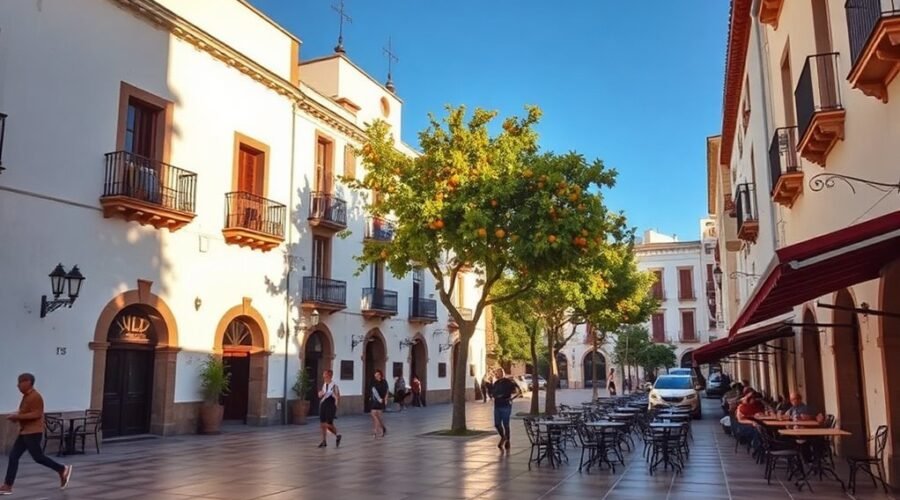
For most trips, the best time to visit Spain is April to May or September to October. These shoulder months offer comfortable weather for sightseeing without the intense summer heat. However, your ideal dates depend on your route. Northern Spain stays cooler, Andalusia gets extremely hot in summer, and the Canary Islands remain mild in winter.
Quick Answer
The best time to visit Spain for most travelers is April–May or September–October. These months usually bring pleasant sightseeing weather and fewer summer crowds. Choose June–August for beaches and northern Spain, January–February for quieter mainland city breaks, or winter for mild weather in the Canary Islands.
Also compare: Perşembe, Ordu.
Last checked: November 18, 2026. Climate figures and available 2027 festival dates were checked against official sources.
Key Takeaways
- Spain has several climate types. The Atlantic north stays wetter, while inland and southern areas experience much hotter summers.
- Seville’s average daily high reaches 36°C (97°F) in July. Plan summer sightseeing carefully in Andalusia.
- August attracts Spain’s highest monthly international visitor numbers. Coastal resorts and islands experience particularly strong demand.
- Major events can make shoulder-season trips busy and expensive. Semana Santa, Las Fallas, and the Feria de Abril are important examples.
Spain’s Climate Zones: What Every Traveler Needs to Know
)
Spain does not have just four climate zones. Its geography creates several distinct climate patterns, so the best travel months change considerably between regions. Understanding these differences helps you choose destinations with the weather you actually want.
The Spanish government identifies Atlantic or oceanic, continental, Mediterranean, and Mediterranean mountain climates. It also recognizes cold-steppe, hot-steppe, and subtropical climate areas. You can read this classification in the Spanish government’s geographical overview.
Here are the main regional differences:
- Mediterranean coast: Barcelona, Valencia, and much of the eastern coastline experience hot summers and relatively mild winters. Spring and autumn are comfortable for walking and sightseeing.
- Atlantic north: Galicia, Asturias, Cantabria, and the Basque Country have cooler temperatures and rainfall throughout the year. Summer is generally the driest period.
- Central Spain: Madrid and the surrounding plateau experience hot, dry summers and cold winters. Spring and autumn offer more comfortable sightseeing conditions.
- Southern Spain: Andalusia has warm winters and very hot summers. The southeast also contains semi-arid areas with particularly low rainfall.
- Mountain regions: The Pyrenees and Sierra Nevada experience colder conditions, with snow and changing weather at higher elevations.
- Canary Islands: These Atlantic islands have a subtropical climate. They are a strong option when you want winter sunshine and mild temperatures.
These differences explain why August can be a good month for northern Spain but an uncomfortable time to explore Seville on foot.
The Best Time to Visit Spain Overall
The best overall time to visit Spain is spring (April–May) or autumn (September–October). These periods provide a good balance of comfortable temperatures, sightseeing opportunities, and manageable tourist numbers across many popular destinations.
May is particularly useful for a first trip because much of the country has warmed up without reaching midsummer temperatures. Late September and October are also attractive, especially if you want to combine coastal destinations with historic cities.
Ideal Months to Visit
April, May, September, and October are the strongest choices for most sightseeing trips. Each month has different advantages, however, and local festivals can affect accommodation demand.
| Month | Why It’s a Good Choice | What to Consider |
|---|---|---|
| April | Spring flowers, pleasant walking weather, and major cultural events | Semana Santa and Seville’s Feria can increase crowds and prices |
| May | Warm weather, outdoor dining, and excellent city sightseeing conditions | Popular festival destinations can still become busy |
| September | Warm coastal weather, harvest celebrations, and cooler evenings | Early September can remain busy, and southern cities can still be hot |
| October | Comfortable inland sightseeing, autumn landscapes, and a quieter atmosphere | Rain becomes more likely in northern and eastern coastal areas |
These months work particularly well for exploring Andalusia’s white villages, Barcelona’s Gothic Quarter, Madrid’s museums, and Granada’s historic attractions.
Balancing Weather and Crowds
May and October often provide an excellent balance between weather and visitor numbers. September is another strong choice if you want warm Mediterranean beaches and comfortable evenings.
However, do not assume every shoulder-season week is quiet. Easter Week and the Feria de Abril bring large crowds to Seville. Las Fallas also makes Valencia exceptionally busy around March 19.
For a more relaxed city trip, choose dates outside major festivals and public holidays. You will have more flexibility when visiting popular attractions and planning day trips.
Spain’s Weather Month by Month
Spain’s weather changes throughout the year, but the differences between regions are just as important as the calendar. January can feel cold in Madrid while Seville enjoys much milder conditions. By July, southern Spain becomes extremely hot, while the northern coast remains more comfortable.
Monthly Temperature Breakdown
The following table shows the typical average daily high-temperature range across three representative AEMET stations: Madrid Retiro, Bilbao Airport, and Seville Airport. These are official 1981–2010 climate normals, not daily forecasts or a national average.
The figures illustrate how differently northern, central, and southern Spain experience the same month. The original station records are available from AEMET Madrid Retiro, AEMET Bilbao Airport, and AEMET Seville Airport.
| Month | Average Daily High Range | Weather, Crowds, and Events |
|---|---|---|
| January | 9.8–16.0°C (50–61°F) | Quiet mainland city breaks after the Three Kings holiday. The Canary Islands are a warmer alternative. |
| February | 12.0–18.1°C (54–65°F) | Generally quiet, although Carnival brings visitors to Cádiz and Tenerife. Good for budget-conscious city trips. |
| March | 16.3–21.9°C (61–72°F) | Spring begins. Las Fallas takes place around March 19, while Easter Week sometimes falls in March. |
| April | 17.6–23.4°C (64–74°F) | Excellent for sightseeing. Semana Santa and the Feria de Abril can make Seville particularly busy. |
| May | 20.8–27.2°C (69–81°F) | One of the best months for walking, outdoor dining, and visiting Córdoba’s famous flower-decorated patios. |
| June | 23.4–32.2°C (74–90°F) | Beach season gathers momentum. The San Juan celebrations take place on the night of June 23–24. |
| July | 25.4–36.0°C (78–97°F) | High coastal demand and intense southern heat. San Fermín runs from July 6–14 in 2027. |
| August | 26.0–35.5°C (79–96°F) | Peak beach demand, especially on the Mediterranean coast and islands. La Tomatina takes place on the last Wednesday of August. |
| September | 24.6–31.7°C (76–89°F) | Warm coastal weather continues. Tourist numbers gradually ease, and wine-harvest activities begin in major wine regions. |
| October | 19.4–26.0°C (67–79°F) | Good for city sightseeing and wine-country visits. Rain becomes more likely in several northern and eastern areas. |
| November | 13.5–20.2°C (56–68°F) | A quieter month for mainland city breaks. Expect cooler weather and more rain in the north. |
| December | 10.0–16.6°C (50–62°F) | Christmas markets and New Year celebrations attract visitors. The rest of the month can offer quieter city sightseeing. |
These figures are long-term monthly averages. Actual temperatures can vary, particularly during heatwaves and cold spells. Coastal areas, higher elevations, and the Canary Islands also differ from these three stations.
Seasonal Rainfall Patterns
Spain does not have one national rainy season. The north receives rainfall throughout the year, while the Mediterranean coast and southern regions follow different seasonal patterns.
Galicia, Asturias, Cantabria, and the Basque Country are influenced by Atlantic weather. Rain can occur in every season, although summer is generally drier and better for outdoor travel.
Bilbao’s AEMET climate normals illustrate this difference. Its average rainfall is 50 mm in July but 147 mm in November. You should expect more frequent wet weather during autumn and winter.
Central Spain has a comparatively dry climate, although spring and autumn bring some rainfall. Madrid can experience cold winter conditions and occasional frost.
Andalusia has very dry summers. Seville’s average rainfall is only 2 mm in July and 5 mm in August, compared with 68 mm in October and 91 mm in November.
The eastern Mediterranean coast can also experience intense autumn rainfall. Therefore, October is usually pleasant for sightseeing but is not a guaranteed dry-weather month.
Best Time to Visit Spain’s Top Destinations
Spain’s main destinations have different weather patterns and tourist seasons. Choosing the right month for each city helps you avoid extreme heat and enjoy more comfortable sightseeing.
These are the most useful travel windows for four popular destinations.
- Barcelona: May, early June, September, and October are good choices. You can enjoy the coastline, architectural attractions, outdoor restaurants, and historic neighborhoods without the full summer heat. September and October can bring more rainfall.
- Madrid: April, May, September, and October work particularly well. The city’s museums, parks, and historic neighborhoods are easier to explore in moderate weather. July and August can be extremely hot.
- Seville: March, April, May, October, and November offer better sightseeing conditions than midsummer. Seville’s average July daily high reaches 36°C (97°F), making long daytime walks uncomfortable.
- Granada: April, May, September, and October are strong choices for exploring the Alhambra and the city’s historic neighborhoods. Spring and autumn provide a better balance between temperature and outdoor sightseeing.
The Alhambra remains open throughout most of the year, except December 25 and January 1. Its daytime hours are 8:30 a.m.–8 p.m. from April 1 to October 14 and 8:30 a.m.–6 p.m. from October 15 to March 31. The official Alhambra opening-hours and ticket information also explains the timed entry requirements for the Nasrid Palaces.
Pro Tip: If Seville or Córdoba is part of your summer itinerary, plan outdoor sightseeing for the cooler parts of the day. Keep indoor attractions and relaxed meals for the hottest hours.
How Crowds Shift Across Spain Throughout the Year
Spain receives visitors throughout the year, but demand increases sharply during summer and major festivals. Coastal resorts, islands, and popular attractions usually experience the greatest pressure during peak holiday periods.
The National Statistics Institute (INE) recorded 11.3 million international tourist arrivals in August 2025. By comparison, December 2025 recorded 5.3 million. These national figures show the seasonal difference, although crowd levels vary between individual destinations.
You can use the INE’s 2025 tourist-arrival statistics to understand the broader seasonal pattern.
Peak Season Tourist Surge
June through August brings Spain’s strongest summer tourism demand. The Mediterranean coast, Balearic Islands, and popular northern beach destinations attract large numbers of international and domestic visitors.
Barcelona’s main attractions and Granada’s Alhambra can also become busy. In contrast, some inland cities experience a quieter local atmosphere in August as residents take summer holidays.
Major festivals increase demand even further. San Fermín in Pamplona and La Tomatina in Buñol attract visitors from around the world.
If you plan to travel during these periods, arrange accommodation and important attraction visits early. Expect higher demand for popular hotels and transport connections.
Shoulder Season Crowd Patterns
April–May and September–October generally offer more manageable crowds than July and August. You can enjoy historic districts, museums, restaurants, and coastal walks without the same level of summer pressure.
Spring is particularly attractive in Andalusia. You can experience the city’s traditional festivals, visit historic monuments, and explore flower-filled streets.
Autumn is also a good time for northern Spain and wine regions. The grape harvest brings seasonal activities to La Rioja, while cooler temperatures improve walking conditions.
However, Easter Week, the Feria de Abril, and major local events remain exceptions. Their dates can make individual cities much busier than the national seasonal pattern suggests.
Off-Season Regional Differences
Winter reduces demand in many mainland destinations, but it does not affect every region equally. The Canary Islands remain attractive for winter sunshine, while mountain resorts receive visitors for snow sports.
| Region | Off-Season Conditions | Experiences to Enjoy |
|---|---|---|
| Andalusia | Milder winters and fewer summer tourists | Flamenco, tapas, historic sites, and village walks |
| Basque Country | Quieter but frequently rainy | Pintxos bars, museums, and coastal scenery |
| Catalonia | Barcelona remains a year-round destination, while rural areas become quieter | Museums, vineyards, and Pyrenees villages |
| Canary Islands | Mild winter weather and strong seasonal demand | Beaches, hiking, volcanic landscapes, and outdoor dining |
Andalusia is a particularly rewarding winter destination. You can explore Seville, Córdoba, and Granada without the intense heat of summer.
The Basque Country is different. Winter brings more rain, so pack suitable clothing if you plan coastal walks or outdoor activities.
Catalonia offers several options beyond Barcelona. You can visit rural villages and vineyards or explore the Pyrenees during suitable weather conditions.
The Canary Islands are the strongest choice if escaping mainland winter weather is your priority.
When Is the Cheapest Time to Visit Spain?
January and February are often the cheapest months for mainland Spanish city breaks. Tourist demand usually falls after the New Year and Three Kings celebrations, giving budget-conscious travelers more accommodation choices.
November is another useful month for finding quieter mainland destinations. However, the cheapest period depends on where you travel and whether a major event is taking place.
Consider these options:
- January in Madrid: Winter temperatures make outdoor sightseeing colder, but museums and cultural attractions remain appealing. The period after Three Kings Day can offer better accommodation value.
- February in Seville: Mild afternoons make historic sightseeing possible without summer heat. Carnival events elsewhere in Spain can affect prices in their host cities.
- November in Barcelona: Cooler weather and lower seasonal demand make this a useful time for museums, architecture, and indoor attractions.
- Winter in Andalusia: Seville and other southern cities can provide pleasant daytime conditions compared with much of northern Europe.
Remember that the Canary Islands follow a different seasonal pattern. They attract winter-sun travelers, so January and February are not automatically their cheapest months.
Ski resorts also receive winter visitors. Christmas, New Year, and major festivals can increase accommodation prices in otherwise quieter periods.
For the best value, compare your destination’s local event calendar with your travel dates. There is no single cheapest month for every part of Spain.
Spain’s Festivals and Events Worth Planning Your Trip Around
Spain’s festivals can be an excellent reason to choose particular travel dates. They also affect hotel demand, transport availability, and crowd levels, so include them in your planning.
Here are several important events throughout the year.
| Festival | When and Where | What to Expect |
|---|---|---|
| Las Fallas | Around March 19, Valencia | Giant artistic figures, fireworks, celebrations, and the traditional burning of the sculptures |
| Semana Santa | Easter Week, throughout Spain | Religious processions, traditional music, and historic celebrations |
| Feria de Abril | Usually April, sometimes affected by Easter dates, Seville | Flamenco, traditional clothing, dancing, food, and decorated fairground stands |
| San Fermín | July 6–14, 2027, Pamplona | The famous bull runs, music, parades, and citywide celebrations |
| La Tomatina | Last Wednesday in August, Buñol | The famous tomato-throwing festival |
| Rioja Wine Harvest | Autumn, La Rioja | Grape harvesting, wine culture, regional food, and vineyard visits |
Two important 2027 dates are already listed by Spain’s official tourism authority:
- Semana Santa in Seville: March 21–28, 2027. The processions are among the city’s most important annual cultural events. See the official Seville Easter Week calendar.
- San Fermín: July 6–14, 2027. Pamplona hosts nine days of celebrations, including the famous running of the bulls. The official San Fermín event listing provides the confirmed dates.
La Tomatina is traditionally held on the last Wednesday in August. However, its 2027 date was still listed as unconfirmed in the official La Tomatina event information.
Las Fallas normally takes place around March 19, while the Feria de Abril follows a changing calendar influenced by Easter. The Rioja harvest season is another attractive reason to visit during autumn.
For more seasonal celebrations, explore Spain’s official month-by-month festival and travel guide.
These events can make an otherwise quiet travel period extremely busy. If attending one is important to you, plan your accommodation and transport around its dates.
Is Shoulder Season in Spain Worth It?
Yes. Shoulder season is usually the best compromise if you want comfortable sightseeing without the strongest summer tourist demand. April–May and September–October offer a useful balance for travelers visiting several Spanish regions.
Here are the main advantages:
- More comfortable sightseeing: You can spend longer exploring cities and historic attractions without facing the most intense summer temperatures.
- More flexible travel: Popular attractions and restaurants can be easier to visit outside major festival periods.
- Better regional variety: You can combine coastal destinations, inland cities, and wine regions in one trip.
- Seasonal experiences: Spring flowers, traditional festivals, autumn vineyards, and local food make each period different.
There are a few trade-offs. April can bring rain, October can be wet in some eastern and northern areas, and the sea may feel cooler in spring than at the end of summer.
Shoulder season also does not guarantee low prices. Semana Santa and the Feria de Abril can make Seville expensive and crowded, even outside the main summer season.
Sun, Culture, or Budget: When Should You Visit Spain?
Your travel priorities should determine your dates. A beach holiday requires different weather from a museum-focused city break or a low-cost winter trip.
Use this guide to narrow down your ideal travel period.
| Travel Priority | Best Period | Why It Works |
|---|---|---|
| Beach holidays | June–September | Warmer Mediterranean weather and established beach-season activities |
| Cultural sightseeing | April–May and September–October | More comfortable conditions for walking through historic cities |
| Budget travel | January–February and November | Lower seasonal demand in many mainland destinations |
| Festival experiences | March–August | Las Fallas, Semana Santa, San Fermín, and La Tomatina |
| Winter sunshine | December–February | Milder temperatures in the Canary Islands |
| Hiking and outdoor trips | Spring and autumn | More comfortable temperatures across many mainland regions |
If you are traveling with children, late spring or early summer can offer a useful compromise before the busiest coastal holiday period. Your school calendar and preferred destination will still affect the best dates.
For couples, September and October offer pleasant evenings, quieter sightseeing, and opportunities to explore historic towns and vineyards.
If you want a festival-focused trip, choose the event first and build your itinerary around its confirmed dates.
Which Region of Spain Should You Visit and When?
The best time to visit Spain also depends on the region you choose. Northern Spain, the Mediterranean coast, central Spain, Andalusia, and the Canary Islands each have different strengths throughout the year.
- Northern Spain: Visit June through September for milder temperatures and generally drier conditions. Bilbao, San Sebastián, Galicia, and Asturias are excellent choices for coastal scenery, food, and outdoor activities. Rain remains possible throughout the year.
- Southern Spain: Choose March–May or October–November for Andalusia. Seville, Córdoba, and Granada are easier to explore when summer heat is less intense. July and August are particularly challenging for long outdoor sightseeing days.
- Mediterranean coast: Barcelona, Valencia, and nearby coastal destinations are attractive in May, early June, and September. These periods offer warm weather without the full pressure of peak summer. Be aware that autumn can bring heavier rainfall.
- Central Spain: Madrid, Toledo, and Segovia are strongest in April–May and September–October. Spring and autumn provide more comfortable conditions for museums, historic streets, and day trips.
- Canary Islands: Choose these islands for winter sunshine and mild temperatures. They are also suitable for outdoor activities throughout much of the year.
- Mountain regions: Winter is suitable for snow-based activities, while late spring and summer offer opportunities for hiking. Conditions depend on elevation and local weather.
The best strategy is to match your destination to the season rather than forcing every region into one itinerary. You can enjoy northern Spain in summer, explore Andalusia in spring, and choose the Canary Islands when mainland winter temperatures fall.
Frequently Asked Questions
Do I Need Travel Insurance When Visiting Spain?
Travel insurance is not generally a border requirement for visa-exempt visitors, but it is compulsory for applicants for a Schengen short-stay visa. The policy must cover the full trip across the Schengen area and provide at least €30,000 in medical coverage. Even if you do not need a visa, medical and cancellation cover can protect you from unexpected costs. The Schengen Visa Code explains the insurance requirements.
What Vaccinations Are Recommended Before Traveling to Spain?
Spain does not require a special vaccine for most tourists, but you should be up to date on routine vaccinations. The CDC’s Spain travel guidance advises travelers to stay current on routine vaccines, including MMR, and to consider hepatitis A. It recommends hepatitis B for unvaccinated travelers younger than 60. Ask a travel-health clinician which recommendations apply to your health and itinerary.
Is Spain a Safe Destination for Solo Female Travelers?
Yes, Spain is a popular destination for independent travelers, including solo women. However, no destination is completely risk-free. Keep your belongings secure in crowded tourist areas and on public transport, use normal city precautions, and choose well-lit routes when traveling at night.
What Currency Is Used in Spain, and Are Cards Accepted?
Spain uses the euro (€). Visa and Mastercard are widely accepted in shops, restaurants, hotels, and museums. Carry some cash for smaller purchases and places that do not accept cards. Spain’s official tourism information provides further practical guidance about payments and safety.
Do I Need a Visa to Enter Spain as a Tourist?
It depends on your nationality. Some travelers can visit visa-free for short stays, while others must apply for a Schengen visa. Short stays are generally limited to 90 days in any 180-day period across the Schengen Area. Read the European Commission’s Schengen visa rules and confirm the requirements for your passport before traveling.
Conclusion
The best time to visit Spain for most travelers is April–May or September–October. These months offer a strong balance of comfortable weather, cultural experiences, and manageable crowds.
However, your destination matters just as much as your dates. Choose northern Spain for cooler summer weather, Andalusia for spring and autumn, and the Canary Islands for winter sunshine. Match your itinerary to the local climate and festival calendar, and you can enjoy a rewarding Spanish trip in almost any season.
Sources
- La Moncloa, Government of Spain: Official classification of Spain’s major and secondary climate types.
- Agencia Estatal de Meteorología (AEMET), Madrid Retiro: Monthly average temperatures and rainfall for 1981–2010.
- Agencia Estatal de Meteorología (AEMET), Bilbao Airport: Monthly temperature and rainfall normals for 1981–2010.
- Agencia Estatal de Meteorología (AEMET), Seville Airport: Monthly temperature and rainfall normals for 1981–2010.
- Instituto Nacional de Estadística (INE): International tourist arrivals during 2025.
- Spain’s official tourism authority: Month-by-month events and travel ideas.
- Spain’s official tourism authority: Confirmed 2027 Semana Santa dates in Seville.
- Spain’s official tourism authority: Confirmed 2027 San Fermín dates in Pamplona.
- Spain’s official tourism authority: La Tomatina’s annual timing and 2027 date status.
- Patronato de la Alhambra y Generalife: Official seasonal opening hours, ticket information, and visiting requirements.
- European Commission: Schengen short-stay visa rules and the 90-day-in-180-day limit.
- European Union, Schengen Visa Code, Article 15: Travel medical insurance requirements and minimum coverage.
- Centers for Disease Control and Prevention (CDC): Spain-specific travel vaccination recommendations.
- Spain’s official tourism authority: Currency, payment methods, and general visitor safety information.