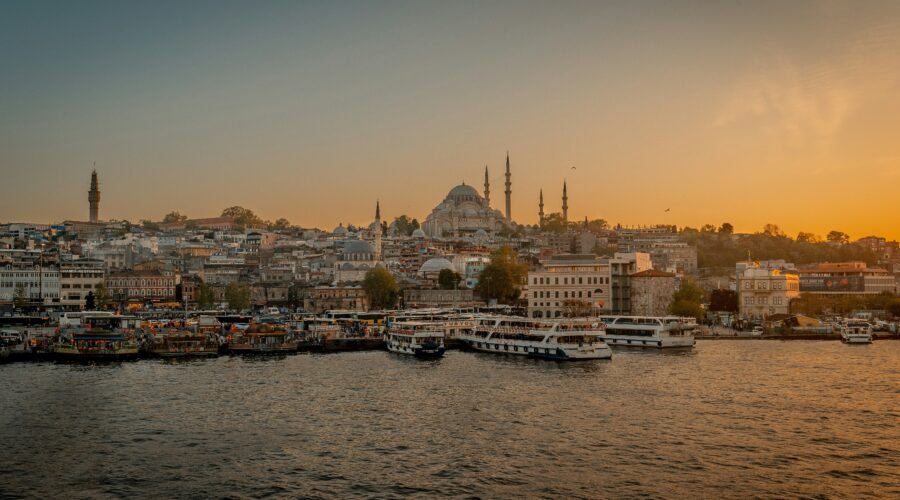
Choosing the best time to visit Istanbul can make a big difference to your trip. This historic city has beautiful spring gardens, lively summer evenings, colorful autumn streets, and atmospheric winter days. But the weather, crowds, and travel costs change throughout the year.
Whether you’re planning your first visit, a family vacation, or a budget-friendly city break, here’s how to choose the right month for your Istanbul adventure.
Quick Answer
The best time to visit Istanbul is April to May or September to October. These months combine comfortable sightseeing temperatures, pleasant outdoor conditions, and fewer weather extremes. May is excellent for warm spring days, while September offers late-summer warmth. December through February generally suits budget travelers, while July and August are hotter and busier.
Last checked: October 23, 2026. Dates and figures were verified against official sources.
Key Takeaways
- April: Best for tulips, gardens, photography, and spring sightseeing.
- May: Excellent for comfortable walking weather and outdoor dining, although demand increases.
- June to August: Long days, lively nightlife, and festivals, with the hottest weather in July and August.
- September and October: Great for Bosphorus cruises, museums, food, and exploring without extreme summer heat.
- December to February: Generally quieter and better for hotel bargains, but colder and wetter.
Best Time to Visit Istanbul: Seasonal Comparison
Istanbul has four distinct travel seasons. Spring and autumn offer the best overall balance, summer attracts visitors who enjoy warm weather and busy streets, and winter rewards travelers who prefer a quieter city.
This comparison shows what to expect before choosing your dates. Crowd and cost levels are general seasonal patterns rather than guaranteed prices.
| Months | Weather | Crowds | Costs |
|---|---|---|---|
| March – May | Spring warming; average highs 12.4-22.3°C | Moderate, rising in April and May | Moderate to high |
| June – August | Warm to hot; average highs 27.1-29.7°C | High, especially at popular attractions | Generally high |
| September – November | Warm to cool; average highs 25.9-16.1°C | Moderate, generally easing toward November | Moderate to low |
| December – February | Cold and wet; average highs 9.6-11.8°C | Generally low, except holiday periods | Generally low |
Istanbul Weather by Month: Average Temperatures and Rainfall
Istanbul’s weather changes more than many first-time visitors expect. Spring gets steadily warmer, summer is relatively dry, and rainfall increases again during autumn and winter.
The following figures come from the Turkish State Meteorological Service’s official Istanbul climate statistics, covering observations from 1950 to 2025. These are historical monthly averages, not forecasts.
| Month | Avg. High | Avg. Low | Monthly Rainfall |
|---|---|---|---|
| January | 9.6°C | 4.2°C | 88.8 mm |
| February | 10.2°C | 4.2°C | 70.7 mm |
| March | 12.4°C | 5.5°C | 62.3 mm |
| April | 17.4°C | 9.2°C | 47.8 mm |
| May | 22.3°C | 13.6°C | 32.9 mm |
| June | 27.1°C | 18.0°C | 27.6 mm |
| July | 29.7°C | 20.5°C | 22.1 mm |
| August | 29.7°C | 20.8°C | 23.9 mm |
| September | 25.9°C | 17.6°C | 39.7 mm |
| October | 20.6°C | 13.7°C | 66.3 mm |
| November | 16.1°C | 9.9°C | 78.1 mm |
| December | 11.8°C | 6.5°C | 99.2 mm |
For comfortable walking, April, May, September, and October stand out. May usually has less rain than April, while September is noticeably drier than October.
July and August have the lowest average rainfall, but they also bring the year’s highest average daytime temperatures.
1. Spring (March-May): Best for Flowers and Comfortable Sightseeing
Spring is one of the most rewarding seasons to visit Istanbul. The city becomes greener, outdoor cafes fill up, and longer days make sightseeing more enjoyable.
April and May are the strongest spring months. March is cooler and more changeable, but it can still be a good choice if you want fewer visitors.
Spring Weather: Mild Days and Cool Evenings
March has an average high of 12.4°C (54°F), while April rises to 17.4°C (63°F). By May, the average high reaches 22.3°C (72°F).
This gradual warming makes spring comfortable for walking through Sultanahmet, exploring the Grand Bazaar, and taking a Bosphorus cruise.
- March: Bring a warm jacket and waterproof shoes. Rain and chilly winds are still possible.
- April: Expect mild afternoons, occasional showers, and cool mornings.
- May: Enjoy warmer afternoons, more outdoor dining, and generally drier conditions.
Spring humidity is generally easier to handle than midsummer humidity, especially during long sightseeing days.
Spring Crowds: Moderate but Increasing
Spring crowds usually grow as the weather improves. March is relatively quiet, April attracts visitors for the tulips and cultural events, and May becomes increasingly popular.
Major sites such as Hagia Sophia, Topkapı Palace, and the Blue Mosque can still have long lines during popular visiting periods.
Public holidays and Easter travel periods can also increase demand. Easter is not a Turkish national holiday, but international visitors may travel during their school breaks.
Istanbul Tulip Festival: April Is the Highlight
Istanbul’s tulip season is one of the strongest reasons to travel in April. The city’s gardens and parks display colorful flowers, providing excellent opportunities for walking and photography.
According to Istanbul Metropolitan Municipality’s 2026 announcement, the city planted approximately 3.58 million tulips, with Tulip Festival celebrations scheduled for April 11-12, 2026.
Major displays included Emirgan Grove, Gülhane Park, Göztepe 60th Year Park, and Hıdiv Grove.
- Emirgan Grove: A favorite for large tulip displays, landscaped gardens, and Bosphorus scenery.
- Gülhane Park: A convenient stop near Topkapı Palace and Istanbul’s historic center.
- Göztepe 60th Year Park: A colorful spring option on Istanbul’s Asian side.
- Hıdiv Grove: A greener, more relaxed setting in Beykoz.
These public park walks offer a budget-friendly alternative to paid attractions. The exact flowering peak changes with weather conditions, so the 2026 festival dates should not be treated as confirmed dates for future years.
Spring Festivals and Cultural Events
April is also a popular month for cinema and the arts. The Istanbul Foundation for Culture and Arts (İKSV) organized the 45th Istanbul Film Festival from April 9-19, 2026.
Its 2026 cultural calendar also included the Istanbul Music Festival from June 11-25 and the Istanbul Jazz Festival from June 30 to July 13.
Festival dates change by edition, so treat these as confirmed 2026 examples rather than permanent annual schedules.
Spring Costs: Good Value Depends on the Month
March often provides better hotel value than late spring. Accommodation and flight demand generally increase through April and May.
Popular neighborhoods such as Sultanahmet, Karaköy, and Galata can command higher rates during busy spring weekends.
May should not automatically be considered a bargain month. Pleasant weather can make it one of the more desirable times to travel.
Who Should Visit Istanbul in Spring?
- First-time visitors: Comfortable weather helps you cover major sights on foot.
- Families: Mild conditions make outdoor activities easier with young children.
- Photographers: Tulips, green parks, and spring light create colorful scenes.
- Outdoor enthusiasts: Walking tours, gardens, waterfront cafes, and boat rides are appealing.
If flowers are your priority, choose April. If you want warmer temperatures and less rain, May is usually the better spring option.
2. Autumn (September-November): Best for Culture and Relaxed Exploring
Autumn is another excellent season for Istanbul. September retains some summer warmth, October offers comfortable sightseeing temperatures, and November brings a quieter atmosphere.
September and early October are especially attractive for travelers who want warm days without the strongest summer heat.
Autumn Weather: Warm September, Cooler October
September has an average daytime high of 25.9°C (79°F). That drops to 20.6°C (69°F) in October and 16.1°C (61°F) in November.
Rainfall increases as autumn progresses. September averages 39.7 mm, compared with 66.3 mm in October and 78.1 mm in November.
- September: Warm afternoons, comfortable evenings, and good conditions for waterfront activities.
- October: Pleasant walking temperatures, with a greater chance of showers.
- November: Cooler, cloudier weather that favors museums, cafes, and shorter outdoor excursions.
The soft autumn light can also be especially attractive around the Golden Horn, Galata Bridge, and Bosphorus waterfront.
Autumn Crowds: A Gradual Decline
Istanbul generally becomes less crowded after the peak summer vacation period. However, September can remain busy, particularly around the historic center.
October often offers a better balance between sightseeing conditions and visitor numbers. By November, many tourist areas feel calmer.
Business conferences, local festivals, exhibitions, and national holidays can still create short periods of high demand.
Autumn Events: Film, Art, and Republic Day
Autumn is a strong season for cultural travelers. Istanbul hosts film screenings, art exhibitions, performances, and national celebrations.
In 2026, Filmekimi’s Istanbul screenings ran from October 9-18. October 29 is Republic Day in Türkiye, bringing official celebrations, flags, and gatherings across the city.
Art lovers also have an important upcoming event. The 19th Istanbul Biennial is scheduled for September 18 to November 14, 2027.
Artİstanbul Feshane in Eyüp has been announced as its main venue. Additional venues are expected to be announced separately.
This makes autumn 2027 particularly interesting for travelers who want to combine historic sightseeing with contemporary art.
Autumn Costs: Better Value Later in the Season
Hotel prices and flight demand may ease after the busiest summer weeks. However, September remains popular, so affordable rooms are not guaranteed.
Late October and November can offer better accommodation opportunities, especially outside major event dates.
Shopping at the Grand Bazaar and Spice Market can also be enjoyable during quieter periods. Bargaining may be possible for suitable goods, but there is no reliable rule that vendors give lower prices simply because it is autumn.
Who Should Visit Istanbul in Autumn?
- Cultural explorers: Museums, galleries, palaces, and historic neighborhoods are comfortable to explore.
- Food lovers: Seasonal produce and warming dishes become more appealing as the weather cools.
- Photographers: Softer light and atmospheric skies create interesting city views.
- Heat-sensitive travelers: October offers relief from midsummer temperatures.
- Couples: Waterfront walks, sunset cruises, and outdoor dining can feel more relaxed.
Choose September for warmer weather or October for cooler sightseeing. November is better if quiet streets matter more to you than sunshine.
3. Summer (June-August): Best for Long Days and Nightlife

Summer in Istanbul is lively, bright, and full of activity. Outdoor restaurants, waterfront neighborhoods, and evening entertainment attract both local and international visitors.
The main drawbacks are heat, humidity, crowds, and higher travel demand. Still, summer can be a good choice if you plan your sightseeing around the weather.
Summer Weather: Hot and Often Humid
June has an average high of 27.1°C (81°F). July and August both average 29.7°C (85°F), although individual hot days can be considerably warmer.
Humidity can make crowded streets and sunny sightseeing areas feel less comfortable.
- June: Warm weather, long daylight hours, and generally less intense heat than July or August.
- July: One of the hottest and driest months, with strong sunshine.
- August: Similarly hot, often humid, and well suited to evening activities.
Summer has relatively little rainfall compared with winter. July averages just 22.1 mm of precipitation, while August averages 23.9 mm.
Summer Crowds: Busy Historic Sights
Summer is a major tourist period in Istanbul. School vacations and international travel bring large numbers of visitors to well-known attractions.
Expect queues or crowded visiting areas at Hagia Sophia, the Blue Mosque, Topkapı Palace, and other popular locations.
The Grand Bazaar and Spice Market can also feel particularly busy during daytime shopping hours.
Bosphorus cruises and waterfront restaurants attract visitors who want a break from the heat. Popular terraces may be crowded during sunset and dinner hours.
Summer Festivals and Evening Entertainment
Summer offers concerts, performances, cultural festivals, and lively nightlife.
The 2026 Istanbul Music Festival ran from June 11-25, while the Istanbul Jazz Festival ran from June 30 to July 13.
Evenings are often more comfortable for strolling through Karaköy, visiting Galata, or dining near the Bosphorus.
If you enjoy a busy, energetic atmosphere, summer delivers an experience that feels different from the quieter winter months.
Are Bosphorus Cruises Worth Taking in Summer?
Yes. Summer is excellent for Bosphorus views, particularly during the cooler parts of the day. A boat ride lets you enjoy Istanbul’s skyline from the water.
For a practical cost example, the official Şehir Hatları Bosphorus tour price list showed a foreign passenger fare of 340 TL for the short tour and 640 TL for the round-trip long tour when checked.
Children under six are listed as traveling free on these tours. The operator also lists a summer-only moonlight tour, providing another option for evening sightseeing.
These are published operator fares, not universal prices for private cruises. Rates may change before your visit.
Summer Costs: Higher Demand for Hotels and Flights
Summer accommodation can be expensive, especially in tourist-heavy neighborhoods and during major events.
Flights may also cost more during international school vacation periods.
Guided tours, popular outdoor experiences, and high-demand accommodation can add to your expenses.
However, individual deals vary by travel date, booking conditions, and neighborhood. Peak-season pricing does not mean every hotel or flight is always more expensive than in spring.
Who Should Visit Istanbul in Summer?
- Festival fans: Enjoy concerts, live performances, and seasonal events.
- Nightlife enthusiasts: Warm evenings support outdoor dining and entertainment.
- Sun lovers: Expect long daylight hours and relatively dry conditions.
- Beach visitors: Summer is the most reliable season for swimming trips to nearby Black Sea or Marmara coast locations.
- Travelers on school holidays: Summer may be the most practical time despite higher demand.
For the most comfortable summer sightseeing, visit major outdoor attractions in the morning. Spend the hottest hours indoors or in shaded places, then return to outdoor activities later in the day.
4. Winter (December-February): Best for Budget Travel and Quieter Streets

Winter reveals a quieter and more atmospheric side of Istanbul. The streets can be wet and chilly, but museums, cafes, historic buildings, and local restaurants remain appealing.
December through February generally offers the best opportunity for low-season travel. November and March can also provide quieter conditions as the city moves between seasons.
Winter Weather: Cold, Wet, and Occasionally Snowy
Istanbul winters are cool rather than consistently freezing. Average daytime highs are 11.8°C (53°F) in December, 9.6°C (49°F) in January, and 10.2°C (50°F) in February.
Nighttime temperatures are lower, and strong winds can make exposed waterfront areas feel colder.
- December: Cool, frequently wet, and marked by shorter daylight hours.
- January: One of the coldest months, with rain and occasional snow possible.
- February: Similar temperatures to January, with chilly winds and mixed weather.
Snow can fall in Istanbul, sometimes creating memorable views of its mosques, bridges, and rooftops. However, snowfall is not guaranteed, and many winter days bring rain instead.
Winter Crowds: Quieter, but Not Empty
Winter generally brings fewer leisure tourists than spring and summer. This can make museums, historic neighborhoods, and major attractions feel more relaxed.
However, popular sites still attract visitors, and security checks or ticket queues may remain.
Christmas and New Year travel can create temporary increases in visitor numbers, especially near Taksim and other entertainment districts.
January and February outside holiday periods often provide a calmer atmosphere.
Winter Activities: Museums, Food, and Historic Neighborhoods
Winter is particularly good for travelers interested in history, architecture, local food, and indoor experiences.
- Topkapı Palace: Explore Ottoman history and collections without the strongest summer heat.
- Museums: Choose indoor exhibitions when the weather becomes uncomfortable.
- Grand Bazaar and Spice Market: Enjoy covered shopping areas and traditional products.
- Turkish baths: A hammam can be especially appealing on a cold day.
- Local restaurants: Try lentil soup, hearty stews, grilled dishes, and Turkish tea.
- Photography: Capture misty waterfront scenes and dramatic winter skies.
Winter is also a good time to explore areas such as Balat, Galata, and Kadıköy when conditions are dry.
Do Bosphorus Cruises Run in Winter?
Yes. Bosphorus tours are not limited to summer, although cold winds and poor weather can make open-air decks less comfortable.
According to the official Şehir Hatları winter timetable announcement, the winter schedule operates from September 7, 2026, through June 27, 2027.
The operator announced that both short and long Bosphorus tours would continue daily under that schedule.
Individual departures remain subject to weather and operational conditions. A sheltered seating area and warm clothing make winter boat trips more comfortable.
Winter Costs: Often the Cheapest Travel Season
Winter generally gives budget travelers a better chance of finding lower hotel rates, especially in January and February.
Flights can also be more affordable outside busy holiday periods.
However, New Year’s celebrations, conferences, and other special events can temporarily push up accommodation prices.
Admission charges at major attractions do not automatically fall in winter. Your main savings are more likely to come from flights, accommodation, and selected travel offers.
Who Should Visit Istanbul in Winter?
- Budget travelers: Look for better-value flights and hotels during quieter weeks.
- History lovers: Spend more time inside museums, palaces, and historic buildings.
- Food enthusiasts: Enjoy warm Turkish dishes and cozy local restaurants.
- Photographers: Look for mist, reflections, and occasional snow.
- Couples and solo travelers: Experience a slower pace away from the busiest summer crowds.
Winter is less suitable if your main goal is outdoor dining, warm evenings, or spending entire days walking without a coat.
5. How to Choose the Right Time for Your Istanbul Trip
The best travel dates depend on what matters most to you. Some visitors want comfortable weather, while others care more about avoiding crowds or keeping costs low.
Use your main travel priority to narrow the choices before booking.
What’s More Important: Weather or Price?
- Best all-around weather: April, May, September, and October.
- Warmest conditions: July and August.
- Lower accommodation demand: Often January and February.
- Comfortable compromise: April or October, depending on your tolerance for rain.
September tends to be warmer and drier than October. May is usually warmer and less rainy than April.
How Much Do You Want to Avoid Crowds?
Choose January or February if avoiding large tourist crowds is your main concern.
March and November are useful alternatives if you can accept cooler weather.
April and October often balance sightseeing conditions with manageable visitor numbers, although busy attractions and events can still draw substantial crowds.
July and August suit travelers who enjoy a lively city and do not mind heavy foot traffic.
Which Activities Matter Most to You?
- Bosphorus cruises: April to May and September to October are comfortable choices.
- Walking tours: Spring and autumn reduce the risk of extreme heat.
- Gardens and flowers: April is the standout month for tulips.
- Museums and indoor attractions: December through February can be rewarding.
- Swimming and beach excursions: July and August are generally most suitable, although warm September days can also work.
- Festivals: April, June, July, and autumn have notable cultural events, depending on the year.
Are You Traveling With Children, Friends, or Alone?
Families with young children often find April, May, September, and October easier for outdoor activities.
Summer heat can make long walking days tiring, particularly for younger children. Winter requires more warm clothing and flexible indoor plans.
Couples and solo travelers may enjoy the quieter winter atmosphere, while groups looking for nightlife may prefer summer.
For mixed-age groups, spring and early autumn usually offer the most flexible sightseeing conditions.
6. Holidays and Events That Can Affect Your Travel Dates
Public holidays can make a normally quiet week busier. They may also affect museum opening times, transportation, domestic travel, and accommodation demand.
In Istanbul, religious holidays and national celebrations deserve attention when selecting your dates.
Ramadan and Eid Holidays
Ramadan and the two Eid holidays follow the Islamic lunar calendar, so their dates move earlier through the Gregorian calendar over time.
According to Türkiye’s official 2027 public holiday calendar, these are the scheduled dates:
- Ramadan 2027: Begins February 8.
- Eid al-Fitr 2027: March 9-11, with a half-day holiday on March 8.
- Eid al-Adha 2027: May 16-19, with a half-day holiday on May 15.
Ramadan can be a fascinating time to experience Istanbul’s evening food culture. Public iftar meals, illuminated mosques, and lively gatherings bring a distinctive atmosphere.
Tourist neighborhoods generally continue serving visitors during the day, although some local businesses may adjust their hours.
Eid holidays can generate substantial domestic travel. Popular attractions and transportation services may become crowded, and some facilities may operate different schedules.
National Holidays and Special Celebrations
Several Turkish national holidays can influence sightseeing and transport demand.
- April 23: National Sovereignty and Children’s Day.
- May 1: Labor and Solidarity Day.
- May 19: Commemoration of Atatürk, Youth and Sports Day.
- July 15: Democracy and National Unity Day.
- August 30: Victory Day.
- October 29: Republic Day, with the holiday period beginning on the afternoon of October 28.
- January 1: New Year’s Day.
These dates can bring ceremonies, special events, or changes to normal operating arrangements.
Christmas is not a Turkish national public holiday, but New Year’s celebrations are popular in Istanbul. Entertainment districts and some hotels can become busy around December 31.
7. What Can You Visit for Free, and What Costs Extra?
You can enjoy Istanbul in every season without paying for every attraction. Parks, waterfront walks, historic squares, and many mosque visits provide memorable experiences with little or no admission cost.
However, major museums, palace interiors, and organized sightseeing tours often charge admission.
Free and Low-Cost Experiences
- Walk around Sultanahmet Square and admire its historic surroundings.
- Explore Gülhane Park and other public gardens.
- Enjoy views around Galata Bridge and the Golden Horn.
- Walk along the waterfront in Üsküdar or Kadıköy.
- Visit suitable mosque areas while respecting prayer times and visitor rules.
- Browse the Grand Bazaar and Spice Market without making a purchase.
These activities can help reduce your travel expenses, particularly when hotel prices are high.
Paid Attractions and Important Visiting Rules
Topkapı Palace is a major paid attraction. The National Palaces administration lists a foreign visitor combined ticket for Topkapı Palace, the Harem, and Hagia Irene at 2,750 TL.
Its ticket office is listed as opening at 9:00 a.m. and closing at 5:00 p.m., with Tuesday as the regular closed day. Holiday arrangements may differ.
Hagia Sophia also has different arrangements for worship and cultural tourism. Türkiye’s Ministry of Culture and Tourism introduced a 25-euro entry fee for foreign cultural visitors using the designated gallery route.
People entering for worship follow different arrangements, and the mosque remains an active place of prayer.
Admission charges, visitor categories, and operating rules can change. These published figures are useful for planning but should not be treated as permanent prices.
Does the Season Change Attraction Prices?
Not necessarily. Official attraction ticket prices are generally set by the operator rather than changing automatically with tourist seasons.
Accommodation, flights, private tours, and some tourist activities are more likely to show seasonal price differences.
For a realistic travel budget, separate your fixed sightseeing expenses from costs that change with booking dates.
8. Practical Tips for Visiting Istanbul in Any Season
A good travel plan should match both the season and your daily sightseeing routine. A few simple decisions can make your visit more comfortable.
Pack for Istanbul’s Changing Weather
- Spring: Light layers, a jacket, comfortable walking shoes, and rain protection.
- Summer: Breathable clothing, sun protection, a water bottle, and suitable clothing for mosque visits.
- Autumn: Layers, walking shoes, and a light waterproof jacket.
- Winter: A warm coat, water-resistant shoes, and extra protection against wind and rain.
Plan Sightseeing Around the Weather
On hot summer days, prioritize outdoor sights early and leave museums or indoor activities for the afternoon.
In winter, combine shorter outdoor walks with museums, cafes, and other sheltered stops.
During spring and autumn, longer walking routes are usually more manageable. However, a rainy afternoon can still change your plans.
Choose Your Neighborhood Carefully
Sultanahmet is convenient for first-time visitors focused on historic attractions. Galata and Karaköy offer lively streets, restaurants, and access to waterfront areas.
Kadıköy provides a different neighborhood atmosphere on the Asian side, with markets, cafes, and local dining.
The best place to stay depends on your interests, budget, and willingness to use public transport. A convenient location can reduce the time you spend traveling between attractions.
Book Around Major Events and Holidays
Travel dates that overlap large festivals, Eid holidays, or New Year’s celebrations may bring stronger demand.
Booking accommodation in advance is especially useful for popular neighborhoods and fixed-date trips.
For more flexibility, compare nearby weekdays with weekends and avoid assuming an entire month has the same price level.
Ultimately, choose April or May for spring flowers and comfortable weather, September or October for warm-to-mild sightseeing, summer for long evenings and lively events, or winter for a quieter, potentially more affordable Istanbul experience.
Frequently Asked Questions
What is the best time to visit Istanbul for good weather?
April, May, September, and October are generally the best months for comfortable sightseeing weather in Istanbul. May has an average high of 22.3°C, while September averages 25.9°C. April is cooler and good for flowers, while October is mild but wetter.
When is peak tourist season in Istanbul?
Summer, particularly July and August, is a major peak tourist period in Istanbul. International holidays, warm weather, and school vacations bring large crowds to popular attractions. April, May, and September can also be busy because of favorable sightseeing conditions.
When is the cheapest time to visit Istanbul?
January and February often provide the best opportunities for cheaper hotels and flights. These months have colder weather and generally lower leisure tourism demand. Prices can still increase around holidays, special events, and busy travel dates.
How much more expensive is Istanbul during summer?
Summer hotel and flight prices can be higher than winter prices, but there is no dependable citywide percentage. The difference varies by neighborhood, travel dates, booking conditions, and events. Museum admission charges may remain the same regardless of season.
Which Istanbul festivals should travelers plan around?
Major events include April’s tulip celebrations and Istanbul Film Festival, the summer Music and Jazz Festivals, and autumn art and cinema events. The next Istanbul Biennial is scheduled for September 18 to November 14, 2027. Festival dates vary by year.
Does it snow in Istanbul during winter?
Yes, Istanbul can receive snow during winter, especially in January and February. However, snow is not guaranteed every year or during a particular visit. Rain, cold winds, and cloudy conditions are more reliable winter expectations.
Is October a rainy month in Istanbul?
October is noticeably wetter than September in Istanbul. Official historical averages show 66.3 mm of October rainfall compared with 39.7 mm in September. Despite the increased rain, October’s average high of 20.6°C makes it a comfortable sightseeing month.
When are the Eid holidays in Istanbul in 2027?
Eid al-Fitr is scheduled for March 9-11, 2027, and Eid al-Adha for May 16-19, 2027. Both holidays can increase domestic travel and affect opening schedules. Travelers should allow extra flexibility during these periods.
Sources
- Turkish State Meteorological Service: Official Istanbul monthly climate statistics, temperatures, and rainfall.
- Istanbul Metropolitan Municipality: 2026 Tulip Festival dates and participating parks.
- Istanbul Foundation for Culture and Arts: Istanbul Film, Music, and Jazz Festival calendar information.
- Istanbul Biennial: Confirmed 2027 Biennial dates and main venue.
- Presidency of Religious Affairs: Official 2027 Turkish religious and public holiday dates.
- Şehir Hatları Bosphorus Tour Prices: Published tour fares and child admission categories.
- Şehir Hatları Winter Timetable: 2026-2027 winter service period and Bosphorus tour operation.
- National Palaces Administration: Topkapı Palace admission fees, hours, and closure information.
- Turkish Ministry of Culture and Tourism: Hagia Sophia cultural visitor arrangements and admission policy.