Planning a trip to Kayseri, Turkey? The best time to visit Kayseri depends on whether you want comfortable sightseeing weather, mountain adventures, winter skiing, or a quieter city break. With historic Seljuk buildings, traditional markets, and Mount Erciyes nearby, the city offers something different in every season.
Quick Answer
The best time to visit Kayseri for sightseeing is April to May or September to October. These months offer more comfortable conditions than midsummer or midwinter. Choose January to February for Erciyes skiing, June to August for mountain activities, and March or November for quieter sightseeing outside school holidays.
Last checked: October 23, 2026. Dates and figures were verified against official sources.
Key Takeaways
- May averages 22.6°C (72.7°F) during the day, but it is also one of Kayseri’s wetter months.
- July and August average daytime highs near 31°C (88°F), making early-morning sightseeing more comfortable.
- Erciyes has a planned December-to-April ski season, although actual opening and closing dates depend on snow.
- Kayseri city hotels and mountain ski hotels can have very different busy seasons and prices.
- National holidays and school breaks can create temporary crowds even during otherwise quieter months.
Best Time to Visit Kayseri by Month
Kayseri has a continental climate, with warm, dry summers and cold winters. Its inland location also creates a noticeable difference between daytime and nighttime temperatures.
The table below uses average daily high and low temperatures from the Turkish State Meteorological Service’s Kayseri records, covering observations through 2025. Crowd and cost labels are general planning estimates, not measured monthly visitor or hotel-price statistics.
| Month | Weather: Average High / Low | Crowds | Costs |
|---|---|---|---|
| January | 4.3°C / -6.7°C; cold, often snowy | Busy skiing periods; quieter city | Potentially high near ski slopes |
| February | 6.3°C / -5.1°C; cold, winter conditions | Busy on ski weekends and holidays | Mountain hotels may be expensive |
| March | 11.6°C / -1.3°C; cool and changeable | Usually quieter outside holidays | Possible city hotel deals |
| April | 17.8°C / 3.3°C; mild days, cool nights | Generally moderate | Often good value |
| May | 22.6°C / 6.9°C; pleasant, spring showers | Moderate; holiday peaks possible | Usually moderate |
| June | 27.0°C / 9.9°C; warm and increasingly dry | Moderate; increasing in late June | Variable |
| July | 30.8°C / 12.1°C; hot, dry | Popular summer travel period | May rise with demand |
| August | 30.9°C / 11.7°C; hot, very dry | Popular summer travel period | May rise with demand |
| September | 26.7°C / 7.6°C; warm days, cool nights | Generally moderate | Often competitive |
| October | 20.5°C / 3.6°C; mild to cool | Generally moderate | Often competitive |
| November | 13.2°C / -0.8°C; chilly | Usually low outside school breaks | Possible lower city rates |
| December | 6.7°C / -4.2°C; cold, snow possible | Increasing when skiing opens | Mountain rates may increase |
Best overall months: May, late September, and October are strong choices for most visitors. April is also pleasant during the day, although evenings can be cold and spring rainfall is more common.
Kayseri Weather by Season
Each season changes how you experience Kayseri. The historic center remains worth visiting throughout the year, but the weather can affect how long you want to stay outdoors and which mountain activities are available.
Spring (March–May): Comfortable Sightseeing and Green Landscapes
Spring is one of the best seasons for visiting Kayseri’s historic buildings, markets, and nearby countryside. Temperatures rise steadily from March to May, giving you more opportunities for comfortable walks.
However, spring is not consistently dry. April and May receive more precipitation than midsummer, so occasional showers should be part of your plans.
Early spring: March and April
March still feels wintry on some days. The average high is 11.6°C (52.9°F), and nighttime temperatures commonly approach freezing.
April becomes noticeably milder, with an average daytime high of 17.8°C (64°F). It’s a good month for exploring Kayseri Castle, traditional neighborhoods, and Seljuk architecture without the summer heat.
- Weather: Chilly mornings, mild afternoons, and changing conditions.
- Rainfall: April averages 50.7 mm of precipitation.
- Best activities: Walking tours, museums, historic architecture, and photography.
- Who should visit: Travelers who prefer mild weather and do not mind wearing layers.
Late spring: May
May is especially appealing for travelers who want warmer afternoons. Its average high reaches 22.6°C (72.7°F), while the average low is 6.9°C (44.4°F).
The countryside becomes greener, and outdoor walks are more inviting. You can explore valleys, photograph spring landscapes, or visit historic sites before summer temperatures arrive.
- Weather: Comfortable afternoons and cool mornings.
- Rainfall: May averages 52.2 mm, making it one of the wetter months.
- Best activities: Nature walks, cultural sightseeing, and exploring surrounding valleys.
- Who should visit: First-time visitors seeking a balance of weather and activities.
Spring visitors should also consider holiday dates. In 2027, Ramadan Bayramı falls on March 9–11, National Sovereignty and Children’s Day on April 23, and Kurban Bayramı on May 16–19. These dates can affect domestic travel patterns and opening arrangements.
Summer (June–August): Sunny Days and Mountain Adventures
Summer brings Kayseri’s hottest and driest weather. June averages a high of 27°C (80.6°F), while July and August approach 31°C (88°F).
These conditions can make lengthy city walks uncomfortable during the middle of the day. However, the higher elevations around Mount Erciyes provide a cooler setting for outdoor recreation.
July averages about 10.3 mm of precipitation, and August is even drier at 8.9 mm. Clear skies and abundant sunshine are major advantages for travelers planning outdoor activities.
What to expect in summer
- Temperatures: Average daytime highs range from 27°C to about 31°C (81–88°F).
- Rainfall: July and August are the driest months.
- Sunshine: Long, sunny days support outdoor travel.
- Best sightseeing hours: Early morning and late afternoon.
- Who should visit: Mountain lovers, hikers, cyclists, and travelers comfortable with summer heat.
Erciyes Mountain in summer
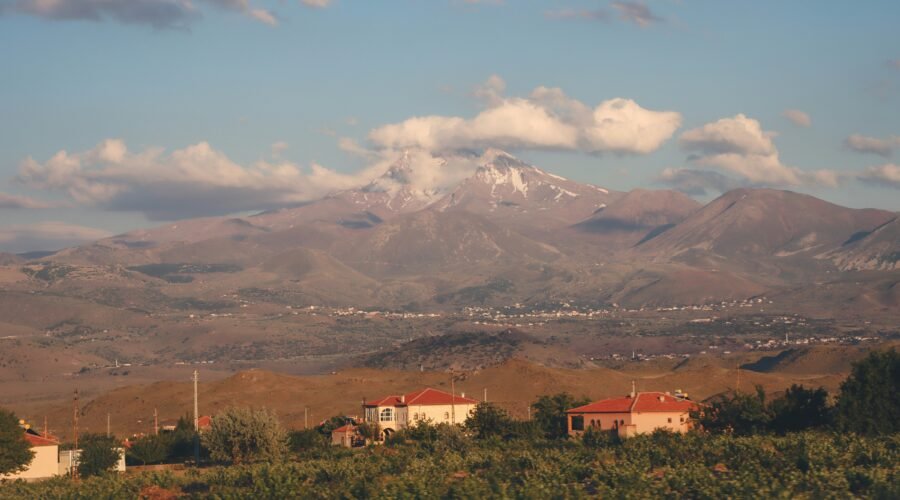
Erciyes is not just a winter destination. The mountain also offers hiking, cycling, scenic gondola outings when operating, and other seasonal activities.
The Kayseri Metropolitan Municipality’s summer Erciyes program includes trekking, mountain biking, camping, gondola trips, and ATV activities.
Summer can also be a pleasant time to enjoy local food at outdoor cafes. Traditional dishes such as Kayseri mantı, pastırma, and sucuk make a satisfying break between activities.
Domestic holiday travel can increase after schools close. For 2027, the regular school year ends on June 25. July and August may therefore attract more families, especially during weekends and mountain events.
Autumn (September–November): Mild Weather and Quieter Streets
Autumn offers some of Kayseri’s most comfortable conditions for cultural sightseeing. September remains warm, while October brings cooler afternoons and crisp evenings.
The changing foliage adds color to parks and countryside areas. Autumn is especially attractive if you prefer wandering through the Grand Bazaar, visiting mosques, or photographing historic buildings without extreme temperatures.
Early autumn: September and October
September averages 26.7°C (80.1°F) during the day. Warm afternoons are still common, but an average nighttime low of 7.6°C (45.7°F) means evenings can feel surprisingly cool.
October is milder, with an average high of 20.5°C (68.9°F). This makes it particularly suitable for long walking routes through the city center.
- Weather: Warm September days followed by cooler October conditions.
- Rainfall: September averages 14.7 mm, increasing to 27.1 mm in October.
- Best activities: Walking tours, architecture, markets, and cultural photography.
- Who should visit: Travelers who want pleasant temperatures and a less intense atmosphere.
One excellent cultural route connects the Hunat Hatun Mosque and Madrasa, historic bazaars, and other central attractions. The official GoTürkiye Kayseri walking routes provide additional examples of landmarks worth exploring.
Late autumn: November
November becomes much colder. The average daytime high drops to 13.2°C (55.8°F), and the average nighttime low falls slightly below freezing.
Rain, cold winds, and occasional early snowfall become more relevant, particularly at higher elevations. However, the season can suit travelers who prioritize museums and local culture over outdoor recreation.
- Weather: Cool days and cold nights.
- Rainfall: About 31.9 mm on average.
- Atmosphere: Generally quieter outside holidays.
- Who should visit: Cultural travelers and visitors seeking more flexible accommodation choices.
Autumn is not free from busy dates. Republic Day falls on October 29, while the November 16–20, 2026 school break may increase domestic trips.
Winter (December–February): Snow and Erciyes Skiing
Winter is the best season for visitors who want to ski or snowboard at Mount Erciyes. Kayseri city itself becomes cold, with nighttime temperatures regularly dropping below freezing.
January is the coldest month in the official long-term averages. Its average daytime high is 4.3°C (39.7°F), while the average low reaches -6.7°C (19.9°F).
When does Erciyes ski season begin?
The resort’s published operating framework covers December 1 through April 30. However, the Erciyes Ski Resort general rules state that dates can change according to natural snowfall and artificial snowmaking conditions.
This means December 1 is not a guaranteed opening date. January and February are generally stronger choices than early December if skiing is the main reason for your trip.
Erciyes operates a substantial ski area with 41 slopes covering a combined 112 kilometers, according to the resort. Ski instruction and equipment rental are also available.
- Temperatures: Kayseri city averages highs of 4.3–6.7°C (40–44°F) during winter; mountain conditions are colder.
- Snow: Snowfall is more frequent in winter, particularly at higher elevations.
- Activities: Skiing, snowboarding, snowshoeing where conditions permit, and mountain sightseeing.
- Other options: Night skiing is offered on selected occasions when conditions allow.
- Who should visit: Skiers, snowboarders, and travelers who enjoy winter landscapes.
Warning: Mountain weather can change quickly. Strong wind, fog, snowfall, or unsafe slope conditions may interrupt lift operations. Stay on designated routes, follow resort safety instructions, and use suitable winter equipment.
City sightseeing in winter
Winter also gives Kayseri’s historic buildings a different atmosphere. Snow-covered streets and Seljuk architecture can create beautiful photography opportunities.
However, slippery surfaces, short daylight hours, and cold winds make outdoor sightseeing less comfortable. Indoor attractions, museums, Turkish baths, and cafes become especially appealing.
Kayseri city can feel quieter than the ski resort during winter. That distinction matters when deciding whether to book accommodation in town or near the slopes.
When Is Kayseri Most Crowded?
Kayseri does not have one single peak tourist season. Summer visitors, winter sports travelers, and domestic holidaymakers create different periods of demand.
Peak Periods: Summer Holidays and Winter Skiing
- July and August: Summer holidays can bring more families and travelers to recreational areas, particularly around Erciyes.
- January and February: Ski resorts can become busy, especially on weekends and during school holidays.
- National holidays: Travel demand can rise around longer holiday periods, even during otherwise quieter seasons.
For the 2026–27 winter season, the Turkish Ministry of National Education calendar confirms the midyear school holiday from January 25 to February 5, 2027. These dates are particularly relevant for Erciyes visitors.
Shoulder Seasons: April–May and September–October
Spring and early autumn often provide a useful balance between sightseeing conditions and visitor activity. City attractions may feel more relaxed than during major holidays or busy summer weekends.
However, quieter travel is not guaranteed. For example, the official 2027 Turkish public holiday calendar lists Ramadan Bayramı on March 9–11 and Kurban Bayramı on May 16–19.
These holidays can affect hotel demand, intercity transport, and business schedules. October 29 is also Republic Day, a significant national holiday.
Off-Peak Travel: March and November
March and November are often sensible choices for travelers who want quieter city sightseeing. Both months can offer more flexibility than the main holiday periods.
There are exceptions. March can still attract skiers, and the 2027 March 8–12 school break overlaps Ramadan Bayramı. November can also experience a short increase in domestic travel during school holidays.
If avoiding crowds is your main priority, ordinary weekdays outside these dates are a stronger choice than relying on a particular month alone.
Budgeting Your Trip: Costs and Value

Your travel dates can influence accommodation prices, transport expenses, and activity costs. However, the best-value month depends on whether you’re booking a city hotel or a mountain ski holiday.
Summer and Ski Season: When Costs May Be Higher
Accommodation around Erciyes can be in greater demand during active ski periods, especially school holidays. Summer weekends can also attract mountain visitors.
- Accommodation: Mountain hotels may charge more during popular ski dates. City hotel pricing can follow a different pattern.
- Flights: Fares to Kayseri Airport (ASR) depend on booking date, route, and demand.
- Activities: Ski lessons, equipment rental, lift tickets, and transfers can add substantially to a winter holiday budget.
Unlike hotel rates, Erciyes lift-ticket prices do not automatically increase during the school holiday. The resort states that its announced season prices remain valid throughout that ski season.
Shoulder Seasons: Getting More for Your Money
April, May, September, and October can offer good overall value when you’re mainly interested in the city. You’ll usually have more comfortable sightseeing weather without needing to pay for mountain winter-sports activities.
- Accommodation: Compare city hotels rather than assuming a mountain hotel will offer the same value.
- Transport: Keep the cost of reaching attractions and any guided excursions in your budget.
- Activities: City walks and visits to public squares can keep daily spending manageable.
- Overall value: Late spring and early autumn offer a practical balance of outdoor comfort and travel flexibility.
Off-Season: Opportunities to Save
March and November can provide more accommodation options for travelers who are flexible about weather. However, hotel discounts are not guaranteed, particularly around holidays or major events.
Early December can also be quieter before ski operations become established, but it is not a reliable choice for guaranteed skiing.
How much does skiing at Erciyes cost?
The official Erciyes ticket-price page still displays its 2025–26 season tariff. For visitors aged 13 and older, the published prices were:
- One lift ride: 120 Turkish lira.
- Seven lift rides: 800 Turkish lira.
- Fourteen lift rides: 1,500 Turkish lira.
- Thirty lift rides: 3,000 Turkish lira.
These figures are historical 2025–26 prices, not confirmed prices for the 2026–27 season. The system uses lift rides rather than a standard unlimited daily ski pass, so the number of rides you need matters when budgeting.
Free and Paid Attractions
Kayseri offers a mixture of free public spaces, paid attractions, and seasonal activities. Walking through the historic center or browsing traditional markets can be inexpensive, although purchases are extra.
One useful example is the Soğanlı archaeological site in the wider Kayseri region. The official Turkish Museums listing for Soğanlı currently states:
- Admission: Free.
- Opening: 8:30 a.m.
- Closing: 5:30 p.m.
- Ticket office closing: 5:15 p.m.
- Closed: Mondays.
Transport to the site is an additional expense. Other museums, ski facilities, lessons, and organized activities may have separate charges.
What to Pack for Kayseri in Each Season

Kayseri’s changing climate makes packing important. Even in warmer months, evenings can feel cool, while winter trips require proper protection against snow and wind.
Summer Essentials
Light, breathable clothing works best for daytime sightseeing. Sun protection is particularly useful in July and August.
- Lightweight clothing: Cotton shirts, linen trousers, or other breathable outfits.
- Sun protection: Hat, sunglasses, and high-SPF sunscreen.
- Walking shoes: Comfortable footwear for stone streets and sightseeing.
- Light jacket or shawl: Useful during cooler evenings and mountain outings.
- Water bottle: Helpful during hot outdoor activities.
Spring and Autumn Layers
Temperatures can change significantly between morning and afternoon during spring and autumn. Flexible layers allow you to adjust your clothing throughout the day.
- Versatile layers: T-shirts, long-sleeved shirts, sweaters, and a medium-weight jacket.
- Water-resistant jacket: Especially useful during the wetter spring months.
- Comfortable trousers: Jeans or sturdy walking trousers.
- Scarf: Helpful on chilly mornings and evenings.
- Walking shoes: Footwear with good grip for uneven surfaces.
Winter Warmth
Winter visitors need insulated clothing suitable for freezing temperatures. Conditions can be considerably colder on Erciyes than in the city center.
- Heavy insulated coat: Essential for outdoor sightseeing.
- Thermal base layers: Help retain warmth during cold weather.
- Waterproof, windproof outerwear: Important for snow activities.
- Hat, gloves, and scarf: Protect exposed skin from cold winds.
- Waterproof insulated boots: Useful on snowy or icy ground.
- Warm sweaters and fleece: Provide additional insulation.
For skiing, bring properly fitted snow-sports clothing and protective equipment, or arrange suitable rentals before your mountain visit.
Planning Your Activities: What to Do When
The best activities in Kayseri depend on the season. The city’s museums and historic attractions are useful year-round, while Erciyes offers very different experiences in summer and winter.
Spring Adventures
Spring is ideal for combining city sightseeing with nearby nature. May is especially suitable for visitors who want comfortable outdoor temperatures.
- Historic Kayseri: Visit Kayseri Castle, the Hunat Hatun Complex, and the Gevher Nesibe medical history and Seljuk heritage sites.
- Nature walks: Explore suitable countryside and valley routes as the weather improves.
- Soğanlı Valley: Visit rock-cut churches and historic landscape features in the wider Kayseri region.
- Photography: Capture spring greenery, mountain scenery, and historic architecture.
Summer Adventures
Summer is best for higher-elevation activities and sightseeing during cooler hours. Erciyes becomes a natural focus for visitors who enjoy outdoor recreation.
- Erciyes Mountain: Hiking, mountain biking, and panoramic views.
- City sightseeing: Explore Seljuk architecture, including the Hunat Hatun Complex and Gevher Nesibe heritage sites.
- Culinary exploration: Enjoy Kayseri mantı, pastırma, sucuk, and local cafes.
- Outdoor activities: Consider organized camping, cycling, or seasonal mountain outings.
For more demanding mountain activities, plan around conditions at elevation rather than assuming that clear weather in central Kayseri means safe conditions higher up.
Autumn Pleasures
Autumn works particularly well for relaxed city exploration. October’s mild daytime temperatures make longer cultural walks more comfortable.
- Historic center: Explore the Covered Bazaar, traditional streets, and public squares.
- Museums: Visit indoor cultural attractions during cooler or rainy periods.
- Architecture: Photograph historic mosques, madrasas, and stone buildings.
- Nature photography: Look for changing foliage and mountain views.
Winter Wonders
Winter visitors can choose between active mountain holidays and relaxed cultural trips. The experience depends heavily on whether you stay near Erciyes or in central Kayseri.
- Skiing and snowboarding: Enjoy Erciyes when the slopes are operating.
- Snowshoeing and winter hiking: Choose appropriate organized routes and conditions.
- Mountain photography: Enjoy snow-covered volcanic landscapes.
- Cozy city break: Visit museums, traditional Turkish baths, restaurants, and cafes.
- Regional cuisine: Warm up with traditional Kayseri dishes after a cold day.
How to Choose Your Travel Dates
Start by deciding what you want most from the trip. For historic sightseeing, choose May or October. For summer mountain recreation, consider June through August. For skiing, January and February are generally the most practical starting points.
Then match those priorities to holiday dates, accommodation choices, and likely weather. This helps you choose a trip that fits your interests rather than simply booking the warmest or cheapest month.
Frequently Asked Questions
What is the best time to visit Kayseri, Turkey, for good weather?
The best time to visit Kayseri for comfortable sightseeing is April to May or September to October. May averages a daytime high of 22.6°C, while October averages 20.5°C. Spring can be wetter, and evenings may still feel cold.
When is the peak tourist season in Kayseri?
Kayseri has different busy periods for different activities. July and August are popular summer travel months, while January and February attract winter sports visitors to Erciyes. National holidays and Turkish school breaks can also increase demand for accommodation and transport.
What is the off-peak season in Kayseri?
March and November are often quieter months for general sightseeing, especially outside school holidays. However, March can still have ski visitors, and winter is not necessarily a low-demand period near Erciyes. The best off-peak choice depends on where you stay.
When should I visit Kayseri to avoid crowds?
Ordinary weekdays in March, April, October, or November can be good choices for avoiding crowds. Avoid major national holidays and school breaks if you want the quietest experience. January and February can be particularly busy around the Erciyes ski facilities.
How does the cost of visiting Kayseri change throughout the year?
Travel costs vary with accommodation demand, flight prices, holidays, and activities. Ski-area hotels may cost more during busy winter periods, while city hotels can follow a different pattern. Erciyes states that its published ski-ticket prices do not increase specifically for the semester holiday.
Does it snow in Kayseri during winter?
Yes, Kayseri experiences snow during winter, especially around Mount Erciyes. January is particularly cold, with an average low of -6.7°C. Snow conditions vary between the city and mountain elevations, so snowfall in the city does not indicate which ski slopes are open.
When does the ski season start at Erciyes?
Erciyes publishes a general ski-season window from December 1 to April 30. Actual opening and closing dates depend on snowfall, snowmaking, and operating conditions. January and February are usually better months to plan around than relying on an early December opening.
Is May a good month to visit Kayseri?
Yes, May is one of the most comfortable months for sightseeing in Kayseri. The average daytime high is 22.6°C, which suits walking and cultural visits. However, May averages 52.2 mm of precipitation, so expect the possibility of spring showers.
Sources
- Turkish State Meteorological Service (MGM): Kayseri’s historical monthly temperature and precipitation records through 2025.
- Kayseri Metropolitan Municipality: Summer outdoor activities and recreational opportunities on Mount Erciyes.
- Erciyes Ski Resort: Official ski-season framework, operational rules, and ticket-pricing policy.
- GoTürkiye: Official cultural walking routes and major historic sites in Kayseri.
- Turkish Ministry of National Education: Official 2026–27 school calendar and holiday dates.
- Presidency of Religious Affairs (Diyanet): Official Turkish public holiday calendar for 2027.
- Kayseri Erciyes Ski Resort: Published lift-ticket prices for the 2025–26 season.
- Turkish Museums Directorate: Soğanlı archaeological site’s published admission status and visiting hours.