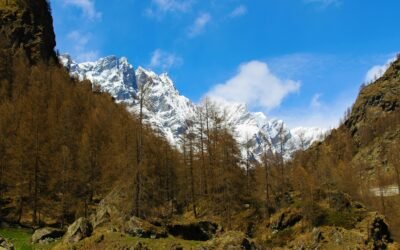
Thinking about a trip to Doğubayazıt, a fascinating historical gem in Turkey’s eastern reaches? You’re probably wondering about the best time to go to make the most of it. The short answer? Spring (April to May) and Autumn (September to October) generally offer the sweet spot, with pleasant weather and fewer crowds. But let’s dive a bit deeper to figure out what’s best for you.
Doğubayazıt sits at a significant altitude in Eastern Anatolia, which means it has a continental climate. Expect distinct seasons, with hot, dry summers and cold, snowy winters. This makes choosing the right time to visit crucial for experiencing its historical sites comfortably.
Summer: Too Hot for Comfort?
Summers here, from June to August, can get quite hot. Daytime temperatures can easily climb into the high 20s and even 30s Celsius (80s and 90s Fahrenheit). While this might sound appealing, the dry air can make it feel more intense, especially when you’re exploring the Ishak Pasha Palace or hiking around.
Pros of Summer Travel
- Longer Daylight Hours: You’ll have more hours of daylight to explore, which is always a plus.
- Lower Chance of Rain: This is generally the driest period, meaning fewer disruptions from weather.
Cons of Summer Travel
- Extreme Heat: As mentioned, it can be uncomfortably hot for outdoor activities.
- Peak Tourist Season: While not as packed as some coastal resorts, it’s still busier.
- Dust and Dryness: The dry conditions can lead to dust, particularly if you’re out in the open.
Winter: A Snowy Wonderland (or a Challenging Cold)
Winter, from November to March, is harsh in Doğubayazıt. Temperatures regularly drop well below freezing, and heavy snowfall is common. This transforms the landscape into a picturesque, snow-covered scene.
Pros of Winter Travel
- Unique Scenery: The snow can make the ancient ruins and surrounding mountains look incredibly dramatic and beautiful.
- Peace and Quiet: You’ll likely encounter very few tourists, offering a truly serene experience.
Cons of Winter Travel
- Extreme Cold: This is the biggest obstacle. You’ll need serious cold-weather gear to even be outdoors for extended periods.
- Limited Access: Snow can make roads difficult to navigate, and some higher altitude sites might be completely inaccessible.
- Shorter Daylight Hours: Days are very short, limiting exploration time.
- Most Attractions May Be Less Accessible: While historical sites are generally open, the harsh weather can make visiting them less enjoyable or even impossible.
Spring: A Gradual Thaw and Blooming Beauty
Spring, typically April and May, is when Doğubayazıt awakens from its winter slumber. The snow begins to melt, rivers swell, and the landscape starts to turn green. Temperatures are generally mild and pleasant, making it ideal for sightseeing.
Pros of Spring Travel
- Pleasant Temperatures: Days are usually comfortably warm, perfect for walking and exploring without overheating.
- Scenic Beauty: The melting snow feeds streams, and wildflowers start to bloom, adding color to the rugged terrain.
- Fewer Crowds Than Summer: You’ll find a more relaxed atmosphere compared to the peak summer months.
- Good for Photography: The light is often softer, and the combination of lingering snow on peaks and new greenery offers great photo opportunities.
Cons of Spring Travel
- Variable Weather: While generally pleasant, spring can still bring some unpredictable weather, including occasional rain or late-season snowfall, especially in early April.
- Muddy Conditions: As snow melts, some areas might be muddy.
Autumn: Crisp Air and Golden Hues
Autumn, from September to October, mirrors spring in its appeal, offering crisp, clear days and mild temperatures. The landscape takes on a golden hue as the vegetation matures. This is also a popular time for domestic tourism.
Pros of Autumn Travel
- Ideal Weather: Often considered one of the best times for weather, with sunny days and cool, crisp evenings.
- Beautiful Scenery: The changing colors of the leaves (though fewer in this arid region) and the golden light make for stunning vistas.
- Harvest Season: This can be a time when local produce is abundant and fresh.
- Moderate Crowds: Similar to spring, it’s less crowded than summer, especially as you move later into October.
Cons of Autumn Travel
- Shorter Daylight Hours: As the season progresses, days get shorter.
- Cooler Evenings: Evenings can become quite chilly, so packing layers is essential.
- Potential for Early Snow: By late October or early November, there’s a chance of early snowfall.
When to Go for Fewer Crowds
If your priority is to avoid the largest influx of tourists, then the shoulder seasons of April-May and September-October are your best bet. During these months, you’ll still find enough amenities open and accessible without feeling overwhelmed.
Shoulder Season Bliss
These periods strike a good balance. You can explore the Ishak Pasha Palace and the Seljuk Cemetery without bumping into large tour groups at every turn. Even the smaller, local businesses are generally open and welcoming.
What to Expect During Shoulder Seasons
- More Interaction: You’re more likely to have authentic interactions with locals.
- Better Accommodation Availability: While not always essential, you’ll generally have more choice in where to stay.
Avoiding the True Peak
The absolute peak season, if there is one for Doğubayazıt, would arguably be July and August when the weather is hottest and it’s easier for people to take holidays. However, Doğubayazıt doesn’t experience the same kind of mass tourism as Turkey’s western or southern coasts.
Timing Your Visit for Cost Savings
Generally, travel costs in Doğubayazıt are more influenced by the season than in major tourist hubs.
Off-Peak Discounts
Visiting during the less popular times, like the very early spring (March if accessible) or late autumn (November), might offer opportunities for slightly lower prices on accommodation. However, it’s important to weigh this against the potential weather challenges.
Factors Affecting Costs
- Accommodation: Hotels and guesthouses tend to be more affordable outside of the warmer, drier months.
- Flights: While flights to Eastern Turkey might not fluctuate wildly, booking in advance is always wise.
- Local Transport: While taxis and local dolmuş (minibuses) are generally inexpensive, sometimes having more options contributes to wanting to explore more, which can add up.
Summer Price Considerations
While prices aren’t exorbitant, expect them to be at their highest during the summer months due to a modest increase in demand and generally better weather for most travelers.
Planning Around Specific Events (or Lack Thereof)
Doğubayazıt isn’t known for a packed calendar of major festivals or events that would dramatically impact visit times. This can be a good thing if you prefer a more spontaneous trip.
Local Life and Daily Rhythms
Instead of chasing specific events, consider the daily rhythms of local life. During Ramadan, for example, activities might be more subdued during the day, with evenings coming alive after sunset.
Observing Local Traditions
If you’re interested in experiencing Turkish culture, visiting during a time where you can observe or participate in local life is rewarding. However, be mindful of cultural sensitivities, especially during religious periods.
The Absence of Large-Scale Tourism Events
The lack of major, crowd-drawing events means that for the most part, your visit will be dictated by weather and personal preference rather than a fixed event. This offers a lot of flexibility.
The Best “Sweet Spot” for Most Visitors
| Month | Weather | Crowds | Costs |
|---|---|---|---|
| April – June | Mild temperatures, little rainfall | Low to moderate | Moderate |
| July – August | Hot temperatures, little rainfall | High | High |
| September – October | Mild temperatures, little rainfall | Low to moderate | Moderate |
| November – March | Cold temperatures, some snowfall | Low | Low |
Considering all the factors – pleasant weather, manageable crowds, and reasonable costs – late April to early June and late August to early October emerge as the prime times to visit Doğubayazıt.
Spring’s Gentle Welcome
- April to May: You’re past the worst of winter, the landscape is coming alive, and the temperatures are perfect for exploring the historical sites like Ishak Pasha Palace and the surrounding natural wonders. You’ll enjoy longer days than you might get later in autumn.
Autumn’s Golden Glow
- September to early October: This period offers crisp, clear air, beautiful light for photography, and comfortable temperatures. The risk of snow is minimal, and while days are shorter than in spring, they are still substantial enough for exploration.
Why These Periods Work Well
- Comfortable Exploration: You can hike, visit ruins, and wander through the town without being hindered by extreme heat or cold.
- Vibrant (but not overwhelming) Atmosphere: Local life is active, and you’ll find a welcoming atmosphere without the hustle and bustle of peak season.
- Great for Photography: The light and landscapes in both spring and autumn are particularly photogenic.
Ultimately, the “best” time depends on what you’re looking for. If you’re a hardy traveler who loves dramatic, snowy landscapes and solitude, winter has its own stark beauty. But for a comfortable and richly rewarding experience of Doğubayazıt’s historical and natural splendors, those shoulder seasons are hard to beat.
FAQs
1. What is the best time to visit Doğubayazıt, Ağrı in terms of weather?
The best time to visit Doğubayazıt, Ağrı is during the summer months of June to August when the weather is warm and dry, making it ideal for outdoor activities and sightseeing.
2. When is the peak tourist season in Doğubayazıt, Ağrı?
The peak tourist season in Doğubayazıt, Ağrı is during the summer months of June to August when the weather is most favorable. During this time, the area experiences the highest number of visitors and increased accommodation costs.
3. What is the off-peak season in Doğubayazıt, Ağrı?
The off-peak season in Doğubayazıt, Ağrı is during the winter months of December to February when the weather is cold and snowy. During this time, visitor numbers are lower and accommodation costs are generally cheaper.
4. When is the best time to visit Doğubayazıt, Ağrı to avoid crowds?
To avoid crowds, it is best to visit Doğubayazıt, Ağrı during the shoulder seasons of spring (March to May) and autumn (September to November) when the weather is still pleasant but visitor numbers are lower.
5. How does the cost of visiting Doğubayazıt, Ağrı vary throughout the year?
The cost of visiting Doğubayazıt, Ağrı varies throughout the year, with higher accommodation and tour costs during the peak summer season and lower costs during the off-peak winter season. It is generally more budget-friendly to visit during the shoulder seasons.