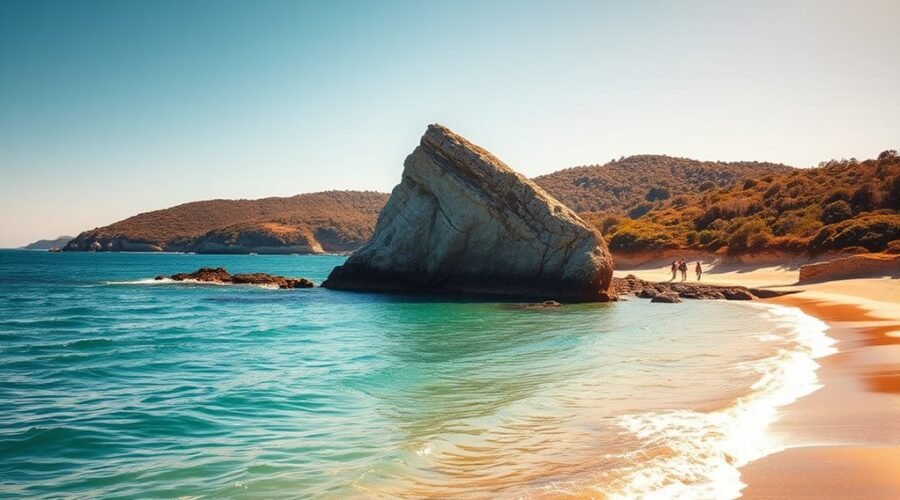
Imagine standing on a windswept headland as glassy bays and rocky islands catch the low sun — Narooma can feel both wild and gently welcoming. You’ll want to time your trip for mild days, manageable seas, and fewer crowds so you can watch whales, swim, or walk coastal trails without the rush. Keep going for a quick, practical breakdown of months, activities and how to balance weather, crowds and cost.
Key Takeaways
- Visit Dec–Mar for warm swimming (water 20–22°C) and festivals, but expect peak crowds and higher prices.
- Choose May–Jun or Sep–Oct for lower rates, fewer tourists, and easier bookings without sacrificing mild weather.
- Late winter to early spring (Jul–Sep) is best for whale watching and dramatic coastal scenery, with quieter streets.
- Spring and autumn (Mar–May, Sep–Nov) offer reliable surf, pleasant days, and good value for stays and tours.
- Book midweek and use local operators for off‑peak discounts; always allow flexibility for weather cancellations.
Best Time to Visit Narooma : Quick Guide by Travel Goal
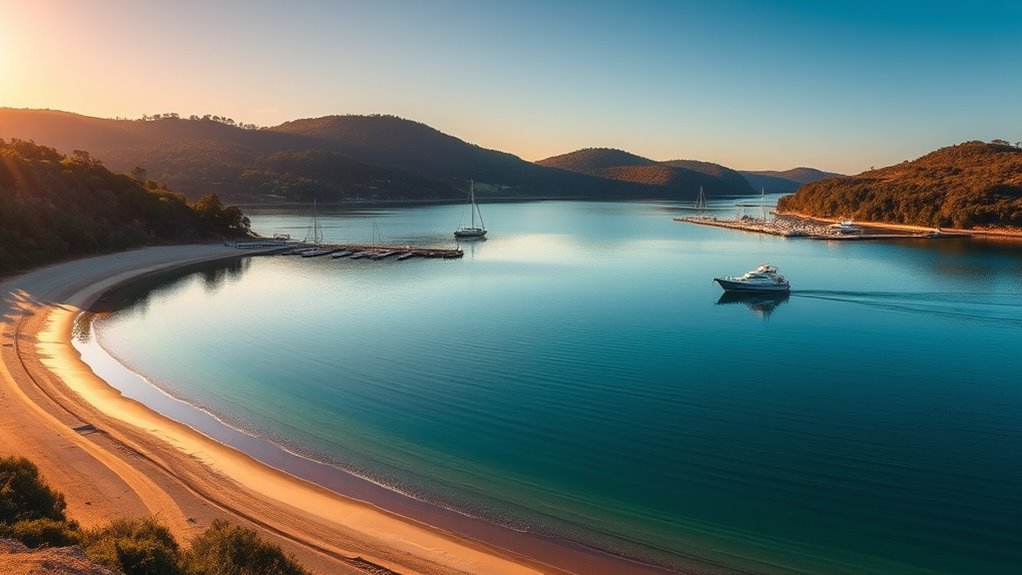
Whether you’re chasing sun-soaked beach days, calm off-season rates, or wildlife sightings, Narooma has distinct windows that suit each goal.
You’ll plan a crisp travel itinerary for summer if you want warm swims, lively cafés, and long nights; expect more people, but also freedom to soak up coastal energy.
Seek solitude in shoulder seasons—spring and autumn—when surf is reliable, prices dip, and you can wander tidal pools without crowds.
If you crave encounters with seals and migrating whales, aim for late winter to spring; mornings feel vast and untamed, and you’ll watch nature perform.
For a deeper sense of place, time visits to local festivals and museum openings that celebrate Narooma’s cultural heritage; they reveal stories and let you move through town with purpose.
No matter your aim, pick the window that aligns with how liberated you want to feel on the shore.
Narooma Climate by Month (Temp, Rain, Wind)
You’ll notice Narooma’s temperatures swing gently through the year, from cool winters to warm, pleasant summers.
Expect monthly changes in rainfall that can turn a sunny day into a brief shower, and take note of the seasonal shifts in wind strength and direction along the coast.
Below we’ll break down typical temperature ranges, monthly rainfall trends, and wind patterns so you can pick the best month for your plans.
Monthly Temperature Ranges
Although Narooma’s coastline looks calm year-round, its monthly temperature swings give each season a distinct feel you’ll notice the moment you step outside.
You’ll experience mild summers where daytime highs sit around 22–25°C, perfect for seeking out marine wildlife or joining seasonal festivals without heat exhaustion.
Autumn cools gradually; expect comfortable 18–22°C days that urge long shoreline walks and liberated breathing.
Winter brings crisper mornings, lows near 7–9°C and daytime highs of 13–15°C, sharpening views and making cozy cafés appealing.
Spring warms quickly, with 15–20°C days that promise renewal and energy.
Daily ranges are moderate thanks to the ocean’s moderating influence, so you can plan activities confidently, packing light layers to match Narooma’s honest, changing moods.
Rainfall Trends Monthly
Mild temperatures are only part of Narooma’s seasonal story — rainfall patterns shape when the coast feels sun-drenched or pleasantly washed.
You’ll notice clear rainfall variability across the year: late winter and spring often bring steady showers, while summer can be drier with occasional heavy bursts.
These precipitation patterns mean you can plan for lush green landscapes after wetter months or chase clearer skies in the relatively calm, lower-rain windows.
Pack light rain gear and flexible plans so showers don’t cage your freedom; a sudden downpour can become an invitation to explore quieter beaches and coves.
Read monthly forecasts, embrace the rhythm of the coast, and let rainfall variability enhance rather than limit your Narooma escape.
Wind Patterns By Month
When sea breezes pick up in spring and summer they sculpt much of Narooma’s coastal character, cooling hot afternoons and whipping up whitecaps along the exposed headlands.
You’ll notice wind speed climbs from October to March, driven by seasonal breezes that energize surf and ferry rides.
In cooler months the winds ease, offering calmer waters and quieter walks.
- October–March: stronger seasonal breezes, higher wind speed, ideal for kite surfing and feeling free.
- April–May: moderating winds, crisp days, chances to explore without spray.
- June–August: gentler winds, sheltered bays mirror the sky, good for reflection.
- September: winds shift, anticipation builds for summer’s return.
Read the patterns, plan boldly, and chase open-air liberation.
Month-by-Month: When to Spot Whales, Seals & Dolphins
If you’re timing a trip to Narooma around wildlife, this month-by-month guide will help you know where and when to see whales, seals and dolphins so you don’t miss the highlights; coastal vantage points, boat tours and estuary walks each offer different experiences.
May–June: you’ll catch the start of whale migration—look offshore from Gulaga Road or book a morning boat for breaching juveniles.
July–August: peak whales; winds can be brisk but sightings are frequent and dramatic.
September: mothers and calves linger; seal colonies near Montague Island are active and accessible.
October–November: whales head north; dolphin sightings spike in sheltered bays as food follows warming waters.
December–February: quieter for whales, vibrant for playful dolphins and moulting seals; estuary walks at low tide reveal hauled-out animals.
March–April: migratory movements thin, yet you can still find solitary whales and inquisitive dolphins on calm days.
Travel free, stay observant, and let Narooma’s wildlife awaken your curiosity.
Narooma Beaches & Swimming: Best Months for Sun and Sea
If you’re chasing sun-soaked swim days, Narooma’s peak months from December to March bring the warmest beach weather and busiest shores.
Expect water temperatures roughly between 18°C and 22°C, pleasant for most swimmers but still invigorating on overcast days.
I’ll walk you through when conditions are at their best and how to pick quieter times if you prefer a calmer sea.
Peak Swimming Months
Because Narooma’s waters warm and the skies clear most reliably between December and March, that’s when you’ll find the best conditions for swimming, snorkeling, and sunbathing.
You’ll feel free to plunge into sheltered bays, explore kelp gardens, and stretch out on golden sand as the town hums with summer energy.
Prioritize marine safety by choosing patrolled beaches and watching local flags; your liberation starts with smart choices.
As evenings unfold, grab your camera—sunset photography around Gulaga and Bar Rock feels like reclaiming the horizon.
- Swim between the flags at Main Beach for safest conditions.
- Try tidal rock pools for gentle snorkeling and solitude.
- Visit Dalmeny or Bunga for quieter stretches.
- Pack reef shoes to protect feet and local life.
Water Temperature Range
Warm summer seas make swimming irresistible, but knowing the actual water temps helps you plan how long you’ll stay comfortable in the surf.
In Narooma, summer afternoons average 20–22°C (68–72°F), warm enough for long swims and snorkeling among kelp beds where playful marine life drifts by.
Spring and autumn cool to 16–19°C (61–66°F), still bracing and liberating if you don a light wetsuit; winters drop to 12–15°C (54–59°F), suited to shorter dips or committed cold-water riders.
Check tidal currents and local advisories before entering—water safety demands respect for rip patterns and sudden temperature shifts.
Embrace the sea on your terms: time swims for calmer hours, use the right gear, and let Narooma’s clear water revive your sense of freedom.
Outdoor Activities by Month: Fishing, Surfing & Bushwalks
When you plan trips around Narooma’s seasons, you’ll find each month reshapes the fishing, surfing and bushwalking options.
You’ll chase freedom on ocean edges: summer gives warm water for long surf sessions and playful rock-hopping, while winter brings bigger swells for experienced surfers and clearer skies for long coastal treks.
Fishing shifts with migrations—snapper and flathead peak in warmer months, kingfish and tailor turn up in shoulder seasons.
Bushwalks are best after rain, when wildflowers and birds reclaim tracks and you’ll feel unshackled on quiet headlands.
- January–March: warm seas, lively surfing, evening Nightlife festivals nearby and open-air art; great for social anglers.
- April–June: cooler water, calm surf windows, superb bushflower displays and serene Art galleries visits on rest days.
- July–September: bigger swells, bold fishing, crisp walks with sweeping whale-watching.
- October–December: warming seas, steady surf, prolific estuary fishing and fragrant spring hikes.
Plan by mood: seek solitude or community, and let each month liberate your itinerary.
Peak vs Low Season in Narooma: Crowds and Prices
Visit Narooma in summer and you’ll find beaches and boardwalks buzzing with families and daytrippers, which can mean longer waits at cafes and pricier rooms.
Choose the quieter off-season and you’ll enjoy empty coastal trails, easier restaurant bookings, and noticeable savings on accommodation.
We’ll compare how much you can expect to pay and what you might trade off in atmosphere so you can pick the timing that suits you.
Peak Season Crowding
Although Narooma feels most alive in summer, crowds swell noticeably from December through February, and you’ll find popular beaches, boardwalks, and seafood cafés buzzing with locals and tourists alike.
You’ll move through lively streets where wild etiquette matters — give space at seal-viewing spots and let locals enjoy their morning rhythm — and sample local cuisine amid chatter and clinking glasses.
If you crave freedom, lean into the energy: arrive early, wander side streets, or join community events to connect.
- Visit beaches at dawn to claim quiet salt air and open horizons.
- Stroll the boardwalk off-peak hours to watch boats glide.
- Reserve popular seafood cafés to avoid waits.
- Seek secluded coves when you want solitude.
Off-Season Savings
If you prefer quieter streets and kinder prices, plan for Narooma’s off-season months — mainly May through August — when the town exhales and visitor numbers fall.
You’ll find lodging rates dip, restaurants offer weekday specials, and galleries feel intimate: a liberation from crowded itineraries.
Hunt for budgetultural deals at local markets and community events where craft, music, and cheap eats overlap; vendors lower prices and you can negotiate with ease.
Tours run less frequently but more personally, so you’ll often get bespoke attention.
Book flexible fares and don’t skip travel insurance—storms can alter plans and insurance secures freedom without ruin.
Embrace slower days, open horizons, and the chance to explore Narooma on your own unhurried terms.
Save Money: Best Months for Cheaper Stays & Tours
Wondering when you can stretch your travel budget in Narooma? You’ll find the best deals in shoulder seasons—late autumn and early spring—when rates drop and the town loosens its pace.
Wondering when to stretch your Narooma travel budget? Try shoulder seasons—late autumn and early spring—for better deals.
You can book budget accommodation without sacrificing comfort, and local operators run budget friendly tours at lower prices to tempt steady visitors.
Travel then to enjoy quieter beaches, clearer harbour walks, and freeing mornings that belong to you.
- Visit in May–June for discounted stays and easier ferry or charter bookings.
- Try September–October to catch mild weather and lower tour prices.
- Midweek stays often cut costs further—think calmer marinas and cheaper rooms.
- Book directly with small operators to release off-peak discounts and more flexible cancellations.
Choose these months and you’ll travel lighter—financially and mentally—letting you explore Narooma’s coast with the independence you crave.
When Wind, Rain or Rough Seas Could Disrupt Plans
When strong southerly winds pick up or a cold front pushes through, your plans for kayaking, fishing charters, or boat trips around Narooma can change fast — operators may cancel for safety and surf conditions can make beaches hazardous.
You’ll feel the shift in the salt air as whitecaps march in and estuary channels narrow; that’s your cue to be flexible.
Check closures and forecasts early, carry a waterproof layer, and prioritize storm safety over stubborn plans.
If a day on the water gets scrubbed, turn to coastal walks, rockpool exploration, or a cozy café with a sea view — freedom’s about choosing alternatives that lift you, not trap you.
Before you travel, read operator policies and buy travel insurance that covers weather cancellations so you can rearrange without draining your funds.
Keep alerts on, trust local advice, and treat rough weather as a wild, manageable element of your Narooma experience rather than a total defeat.
Local Events, School Holidays and Peak Dates to Avoid
Because Narooma fills up quickly around school holidays and big local events, you’ll want to plan dates carefully to avoid crowds and stretched accommodation options. Watch the calendar for school break dates—families flood beaches, cafés and holiday parks. Local festivals, like seafood or music events, draw lively crowds and limited rooms, which is great if you crave buzz but not if you want solitude.
- Check school break dates for NSW and nearby states to sidestep peak family travel.
- Note annual local festivals on community sites so you can choose buzz or quiet.
- Avoid long weekends and public holiday clusters when booking accommodation and tours.
- Book well in advance if you intend to visit during a festival or peak holiday.
You’ll feel freer when you time your trip away from peak pulses. Choosing quieter windows lets you claim Narooma’s open horizons without competing for views, tables or trails.
How to Pick Dates: Weather vs Crowds vs Budget (Quick Checklist)
How do you balance sun, solitude and savings when picking dates for Narooma?
You choose with intention: scan weather patterns first — aim for mild shoulder months when mornings are clear and afternoons warm, so your days feel free rather than raced.
Check crowd calendars next; avoid school holidays and major local events if you crave quiet beaches and empty trails.
Consult crowd calendars and steer clear of school holidays and big events to keep beaches and trails blissfully quiet.
Quick checklist:
- Weather: pick shoulder season for fewer showers and pleasant sea breezes.
- Crowds: target weekdays and off-peak months to reclaim space and calm.
- Budget: compare rates — you’ll find budget accommodations bloom outside peak windows.
- Experiences: plan flexible days to chase good light, whale sightings or tide pools.
- Food: schedule evenings to explore local cuisine markets and seaside eateries when chefs aren’t slammed.
You’ll leave with more agency, having traded frenzy for slow discovery, savoring Narooma on your own liberated terms.
Frequently Asked Questions
Are Dogs Allowed on Narooma Beaches Year-Round?
Yes — you can bring dogs to many Narooma beaches year-round, but dog friendly policies vary; you’ll follow seasonal leash rules on some stretches, so stay observant, assert your freedom responsibly, and enjoy coastal liberation together.
Where Is the Nearest Medical Clinic or Hospital?
The nearest clinic is Narooma Medical Centre on Princes Hwy; the nearest hospital is Moruya District Hospital, about 30 minutes north. You’ll want clinic contact, travel insurance, emergency services info and a local pharmacy for freedom.
Can I Drive to Montague Island Without a Boat?
If you’re hoping to drive, you can’t — you’ll need water transport. As the adage goes, where there’s a will, there’s a way: explore ferry options or other boat alternatives, stay bold and claim freedom.
Are There Accessible Walking Trails for Wheelchairs?
Yes — you’ll find accessible walking trails with firm trail surface, gentle gradients and lookout platforms. You’ll move freely along wheelchair access paths, soak in coastal vistas, and feel empowered exploring Narooma’s welcoming, thoughtfully designed outdoors.
What Mobile Phone Network Has Best Coverage?
About 98% of Narooma gets good Telstra coverage, so you’ll usually stay connected; you’ll compare network coverage and data plans, pick freedomsome options, relish reliable signal and roam confidently across coast, shops and trails.
Conclusion
Think of Narooma as a tidepool at dawn: visit when the light’s soft (spring or autumn) and the pool’s calm—wildlife shows, prices ease, and you can wade without the crowds’ splash. Peak summer is the high wave: bright but busy and costly. Mid‑week stays are the sheltered crevice where bargains hide. Match your rhythm to the shore—chase calm waters for wildlife, louder surf for surf and sun—and you’ll find the trip that fits.