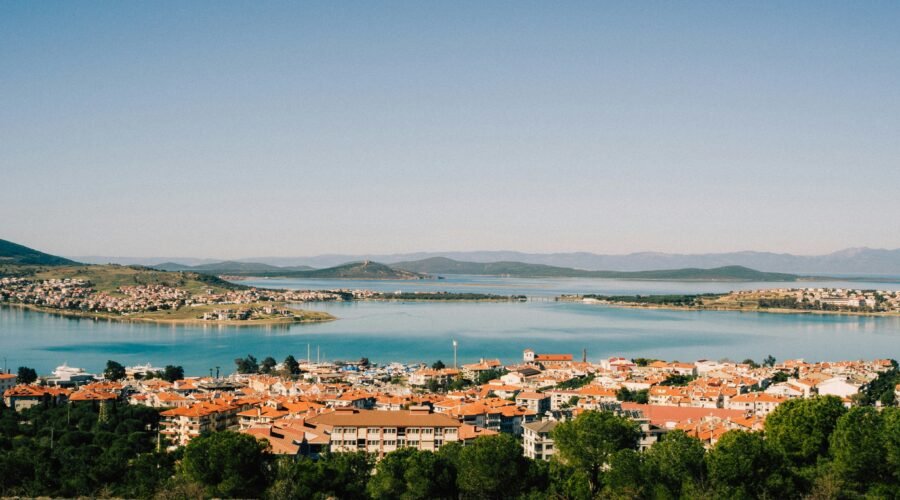
Cunda Island, or Alibey Island as it’s officially known, is a gem off Turkey’s Aegean coast. If you’re wondering when the best time to visit is, the sweet spot is generally late May to early June or September to early October. This window offers a great balance of pleasant weather, manageable crowds, and reasonable prices, letting you experience Cunda’s charm without the peak season rush or the off-season quiet.
1. Understanding Cunda’s Seasons: A Quick Overview
Before diving into specifics, it’s helpful to get a general idea of how Cunda’s year breaks down. Like most Mediterranean destinations, it has distinct high, shoulder, and low seasons, each with its own pros and cons.
1.1. High Season: July and August
This is peak summer, and Cunda is buzzing. Expect hot weather, bustling streets, and lively atmosphere. While there’s a lot going on, it also comes with increased crowds and higher prices.
1.2. Shoulder Seasons: May-June and September-October
Often considered the best times to visit, these periods offer a delightful mix. The weather is comfortably warm, the crowds are thinner than in high season, and prices haven’t skyrocketed (or have started to drop).
1.3. Low Season: November to April
During these months, Cunda settles into a much quieter rhythm. Many businesses close for the winter, and the weather can be cool or even chilly. It’s a peaceful time, but you might find fewer options for dining or activities.
2. Weathering the Cunda Experience: What to Expect Climate-Wise
Weather plays a huge role in your travel experience, especially on an island. Cunda enjoys a Mediterranean climate, meaning hot, dry summers and mild, wet winters.
2.1. Summer Swelter: July and August
- Average Temperatures: Expect daily highs consistently in the high 20s to low 30s Celsius (80s to low 90s Fahrenheit). It can occasionally nudge higher.
- Sunshine: Abundant, almost relentless sunshine. You’ll rarely see a cloud.
- Humidity: Can feel quite humid, especially evenings.
- Sea Temperature: Ideal for swimming, typically around 23-26°C (73-79°F).
- What to Pack: Light, breathable clothing, swimwear, sunhat, sunglasses, high SPF sunscreen. Think beach holidays.
- Considerations: While perfect for beach lovers, the heat can be intense for exploring historical sites or walking around for extended periods, especially midday.
2.2. Shoulder Season Sweet Spot: May-June & September-October
- May:
- Average Temperatures: Daytimes are comfortably warm, often in the low to mid-20s Celsius (low to mid-70s Fahrenheit). Evenings are mild, requiring a light jacket.
- Sunshine: Plenty of sunshine, but not as intense as July/August.
- Sea Temperature: Starting to warm up, usually around 18-20°C (64-68°F), suitable for a quick dip by late May.
- What to Pack: Layers are key. T-shirts, light long-sleeved shirts, a light jacket or cardigan for evenings, swimwear.
- June:
- Average Temperatures: Warms up considerably, with highs often reaching the mid to high 20s Celsius (mid-70s to low 80s Fahrenheit). Evenings are much milder.
- Sunshine: Consistently sunny and bright.
- Sea Temperature: Very pleasant, typically 20-23°C (68-73°F). Great for swimming.
- What to Pack: Mostly summer clothing, but still bring a light layer for cooler evenings early in the month.
- September:
- Average Temperatures: Similar to June, with daytime highs in the mid to high 20s Celsius (mid-70s to low 80s Fahrenheit). Evenings cool down gradually as the month progresses.
- Sunshine: Abundant sunshine, though the intensity starts to wane towards the end of the month.
- Sea Temperature: Still wonderfully warm from the summer, often 22-24°C (72-75°F). Perfect for swimming.
- What to Pack: Mostly summer clothes, but a light jacket or cardigan for evenings, especially in late September.
- October:
- Average Temperatures: Pleasant and mild, often in the high teens to low 20s Celsius (high 60s to low 70s Fahrenheit) during the day. Evenings require warmer layers.
- Sunshine: Still sunny, but with an increased chance of occasional rain, especially later in the month.
- Sea Temperature: Cooling down, around 19-21°C (66-70°F). Brave souls still swim, but it’s getting chilly for most.
- What to Pack: Layers are essential. T-shirts, long-sleeved tops, a warm sweater or light jacket, possibly a light rain jacket.
- Considerations: These months are fantastic for exploring, hiking, cycling, and enjoying the island’s natural beauty without feeling overheated. The sea is warm enough for swimming for most of this period.
2.3. Winter Chill & Spring Awakening: November to April
- Average Temperatures:
- November-February: Cool to cold, with daytime highs typically 10-15°C (50-59°F). Nights can drop to near freezing.
- March-April: Gradually warms up, with highs in March around 15°C (59°F) and April reaching 18-20°C (64-68°F).
- Sunshine: Variable. Can be sunny but also prone to cloudy days and rain.
- Sea Temperature: Cold, not suitable for swimming for most.
- What to Pack: Warm layers including sweaters, jackets, scarves, and possibly hats. A good waterproof coat is advisable for the wetter months.
- Considerations: Cunda is very quiet during these months. Many hotels, restaurants, and shops close down. While peaceful and authentic for those seeking solitude, it’s not ideal if you’re looking for a lively island experience or beach activities. Some small, family-run establishments might remain open. Spring (April) does see the island come alive with wildflowers, which can be beautiful for nature lovers.
3. Navigating the Crowds: Finding Your Pace
Cunda’s atmosphere changes dramatically with the number of visitors. Deciding what kind of vibe you prefer will help you pick your timing.
3.1. High Season Huddle: July and August
- Crowd Levels: This is when Cunda is packed. Turkish holidaymakers, especially from Istanbul and Ankara, flock to the island, alongside international tourists.
- Atmosphere: Lively, bustling, energetic. The streets are full, restaurants are busy, and the beaches are vibrant.
- Pros: Everything is open, from restaurants and shops to tour operators. There’s a definite holiday buzz. Events and festivals might be more common.
- Cons: Congestion in the main town, difficulty finding parking, longer waits at popular restaurants, crowded beaches, and a less “authentic” feel as the island caters heavily to tourism. Accommodation options book up quickly.
3.2. Shoulder Season Serenity: May-June & September-October
- Crowd Levels: Considerably fewer people than in peak summer. There’s a pleasant mix of locals and tourists, but the overwhelming crowds are gone.
- Atmosphere: Relaxed, charming, and authentic. You can still feel the buzz without feeling overwhelmed. It’s easier to mingle with locals.
- Pros: Comfortable exploration of the town’s charming streets. Easier to secure restaurant reservations. Beaches are enjoyable without being shoulder-to-shoulder. Opportunities for photography are better without huge crowds.
- Cons: Early May or late October might see some businesses already closed or not yet fully open if they operate strictly seasonally.
3.3. Low Season Lull: November to April
- Crowd Levels: Very low. You’ll mostly encounter locals, and it can feel like you have the island to yourself.
- Atmosphere: Quiet, peaceful, reflective. Almost melancholic sometimes, especially on rainy days.
- Pros: True local experience. Very few other tourists. Excellent for quiet walks, reading, and experiencing Cunda at its most serene. Photography can be stunning with dramatic skies and empty streets.
- Cons: Many establishments (restaurants, hotels, shops) are closed. Limited dining and activity options. The island can feel a bit deserted.
4. Counting the Liras: Budgeting Your Cunda Trip
Like any popular destination, prices in Cunda fluctuate significantly with demand.
4.1. High Season Hike: July and August
- Accommodation: Expect the highest prices. Hotels book up well in advance, and rates can be 50-100% higher than shoulder season. Many places have minimum stay requirements.
- Flights/Ferries: Peak prices if flying into İzmir or Istanbul and transferring, or taking ferries to the island (though the bridge makes it easily accessible by road).
- Dining: Restaurants are pricier, especially those with prime waterfront locations. Some may have fixed menus or higher minimum spending requirements.
- Activities: Boat tours and other excursions will be at their peak price.
- Overall: This is the most expensive time to visit. Budget accordingly and book everything well in advance.
4.2. Shoulder Season Savings: May-June & September-October
- Accommodation: Generally more reasonable than high season. You can often find good deals and more availability, especially if you book a few weeks out. Prices gradually increase through June and decrease through October.
- Flights/Ferries: Usually more competitive rates than peak summer.
- Dining: Prices are more consistent, and you might find more local promotions.
- Activities: Prices for tours and rentals are still fair, but not as inflated as in peak summer.
- Overall: These are the best times for a balance of good weather, fewer crowds, and relatively good value. You get more bang for your buck.
4.3. Low Season Lows: November to April
- Accommodation: The cheapest time to visit. Many hotels offer significant discounts, or close entirely. Options will be limited to year-round establishments.
- Flights/Ferries: Often the cheapest airfares.
- Dining: Limited options, but the places that are open generally offer good value for local prices.
- Activities: Very few tourist-oriented activities will be running.
- Overall: If budget is your absolute top priority and you don’t mind the cold and quiet, this is the most affordable time. However, be prepared for many closures.
5. Special Considerations: Events, Photography, and Specific Interests
Beyond the general weather, crowds, and cost, certain times might appeal to specific interests.
5.1. Festivals and Local Events
Cunda, while not laden with massive festivals, often hosts local events, particularly during the shoulder and high seasons. These might include local music performances, art exhibitions in the old churches (many are converted galleries), or culinary events focused on local specialties like olive oil and seafood. It’s difficult to list specific dates as these can vary year to year, but a quick search for “Cunda events” for your planned travel month closer to the time can yield results. Visiting in late May or September gives you a good chance of catching relaxed local happenings without the overwhelming crowds.
5.2. Photography Opportunities
- Shoulder Seasons (May-June, Sept-Oct): Excellent for photography. The light is softer and less harsh than midday summer sun. Fewer crowds mean cleaner shots of the narrow streets, stone houses, and waterfront. Sunrises and sunsets are often spectacular. The natural greenery in spring (May) and the changing light in early autumn (September/October) add to the visual appeal.
- Low Season (Winter): Can offer dramatic, moody shots, especially on cloudy or rainy days. Empty streets and rough seas can create evocative images. However, the lack of vibrant color might not appeal to everyone.
- High Season (July-August): While you’ll have bright, clear skies, the harsh midday sun can create strong shadows, and the constant crowds make it challenging to capture architectural details or quiet scenes. Early mornings or late evenings are best.
5.3. Hiking and Outdoor Activities
- Spring (April-May) and Autumn (September-October): These are the prime times for hiking, cycling, and exploring Cunda’s natural beauty. The temperatures are perfectly comfortable, and the landscape is either green with wildflowers (spring) or still pleasant before the winter rains (autumn).
- Summer: Too hot for strenuous activity, unless you go very early in the morning or late in the evening.
- Winter: Can be enjoyable for walks on crisp, clear days, but beware of muddy trails after rain.
5.4. Culinary Experiences
Cunda is known for its fresh seafood, olive oil, and local Aegean mezes.
- Shoulder Seasons and High Season: All the island’s renowned fish restaurants and tavernas are fully operational, offering the freshest catch. Outdoor seating is readily available.
- Low Season: Many of the larger, more tourist-oriented restaurants close. However, you can still find authentic, local eateries catering to residents, which can offer a more rustic and often more affordable experience.
6. The Verdict: When Should You Go?
- For the Best Overall Experience (Weather, Crowds, Cost): Late May to early June or September to early October. You hit the sweet spot where the water is warm enough for swimming, the sun is shining but not oppressive, and the crowds are manageable. You’ll find most businesses open, and prices are reasonable.
- For Beach Lovers and a Lively Atmosphere: July and August. Be prepared for heat, crowds, and higher prices, but you’ll get the full summer island experience.
- For Budget Travelers and Solitude Seekers: November to April. It’s quiet, affordable, and authentic, but many tourist amenities will be closed, and the weather can be chilly. Early spring (April) offers a glimpse of the island waking up.
Ultimately, Cunda offers something in every season. Your perfect timing depends on your priorities, but the shoulder seasons consistently deliver the most balanced and enjoyable trip for the majority of visitors.
FAQs
1. What is the best time to visit Cunda Island, Balıkesir in terms of weather?
The best time to visit Cunda Island, Balıkesir is during the spring and autumn months, specifically from April to June and September to October. During these times, the weather is mild and pleasant, making it ideal for outdoor activities and sightseeing.
2. When is the peak tourist season on Cunda Island, Balıkesir?
The peak tourist season on Cunda Island, Balıkesir is during the summer months, from July to August. During this time, the island experiences the highest number of visitors, resulting in crowded beaches, restaurants, and accommodations.
3. What is the off-peak season on Cunda Island, Balıkesir?
The off-peak season on Cunda Island, Balıkesir is during the winter months, from November to February. During this time, the island experiences fewer tourists, lower accommodation costs, and cooler temperatures.
4. How does the cost of visiting Cunda Island, Balıkesir vary throughout the year?
The cost of visiting Cunda Island, Balıkesir is highest during the peak tourist season in the summer, with higher prices for accommodations, dining, and activities. The cost is lower during the off-peak season in the winter, with more affordable options for travelers.
5. Are there any annual events or festivals that are worth considering when planning a visit to Cunda Island, Balıkesir?
Cunda Island, Balıkesir hosts several annual events and festivals, such as the Cunda International Music Festival in July and the Cunda International Jazz Festival in September. These events attract visitors from around the world and offer a unique cultural experience for travelers.