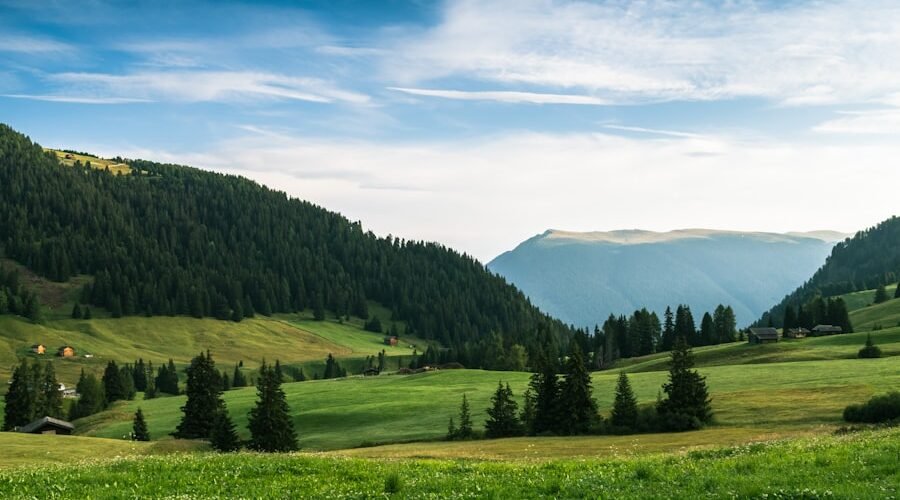
Alright, let’s talk about planning a trip to Edremit, Balıkesir. You’re probably wondering, “When’s the absolute best time to go?” The short answer is: it really depends on what you’re after. For a balance of pleasant weather, fewer crowds, and reasonable prices, your sweet spot is likely late spring (May-June) or early autumn (September-October). But if you have specific priorities, like hitting the beach or experiencing local festivals, that timeline can shift.
1. Understanding Edremit’s Climate: What to Expect Seasonally
Edremit, nestled on the Aegean coast of Turkey, enjoys a Mediterranean climate. This means you’ll generally find hot, dry summers and mild, wetter winters. However, “mild” in winter doesn’t mean T-shirt weather, and “hot” in summer can sometimes feel intense, especially inland. Understanding these seasonal shifts is key to picking your ideal visit.
Summer (June – August): The Sun-Soaked Peak
This is undeniably the most popular time to visit Edremit, and for good reason. The sun is usually out in full force, the sea is warm, and the whole region buzzes with activity. Think long, lazy days and evenings spent outdoors.
- The Good: Perfect beach weather is the big draw. If your main goal is swimming, sunbathing, and enjoying the Aegean coast, summer delivers. The water temperatures are ideal, and the days are long. Outdoor cafes and restaurants are in full swing, creating a lively atmosphere. Many local events and festivals, like olive harvest celebrations (though that’s more autumn), might have pre-summer events or related activities.
- The Not-So-Good: This is peak tourist season. Expect crowded beaches, popular restaurants, and potentially higher prices for accommodation and flights. The heat can be quite intense, especially in July and August, which might not be ideal for extensive sightseeing or hiking. You’ll need to be prepared for high temperatures, stay hydrated, and seek shade during the hottest parts of the day.
- Specific Considerations: If you’re set on summer, booking accommodation and any tours well in advance is crucial. Early mornings and late evenings will be your best friends for exploring.
Autumn (September – November): The Golden Shoulder Season
Many seasoned travelers consider autumn to be one of the best times to visit Edremit. The intense summer heat begins to subside, but the weather remains beautifully pleasant, and the crowds start to thin out.
- The Good: September is often still beautifully warm, with the sea remaining invitingly swimmable well into the month. October offers milder temperatures, perfect for exploring the historical sites, charming towns, and the natural beauty of the region without breaking a sweat. This is also prime time for the olive harvest, a significant event in Edremit, offering a glimpse into local life and the chance to taste fresh olive oil. The landscape often takes on a golden hue, making for stunning scenery.
- The Not-So-Good: By November, the weather can start to become a bit more unpredictable. While still generally mild, you might encounter more rain showers, and the sea temperature will have dropped significantly, making swimming less appealing for most. Some smaller establishments might start to reduce their operating hours or close for the season towards the end of autumn.
- Finding That Sweet Spot: September is often the “best of both worlds” if you want warm weather and fewer crowds. October is excellent for those who prioritize comfortable exploration and a more authentic local feel.
Winter (December – February): The Quiet Contemplation
Winter in Edremit is typically mild and can be quite beautiful in its own way, though it’s definitely not beach season. It’s a time for a different kind of travel experience.
- The Good: This is the time for peace and quiet. If you’re looking to escape the crowds entirely, experience a more authentic slice of local life, and enjoy a slower pace, winter can be an excellent choice. Prices for accommodation are usually at their lowest. You can explore historical sites without the hustle and bustle, and enjoy cozy evenings indoors. The landscape, though perhaps less vibrant than in spring, can be dramatic with moody skies.
- The Not-So-Good: The weather is cooler, and rain is more frequent. While temperatures rarely drop below freezing, it’s certainly not warm enough for swimming or spending extended periods outdoors without appropriate clothing. Some tourist-focused businesses might be closed, so research is essential if you have specific activities or restaurants in mind. Daylight hours are also shorter.
- Who is Winter For? This season is best suited for travelers interested in culture, history, perhaps some light hiking on milder days, and experiencing the region as locals do. It’s a chance to see a different side of Edremit.
Spring (March – May): The Awakening Bloom
Spring transforms Edremit into a verdant paradise. The landscape explodes with wildflowers, the air is fresh, and the days begin to lengthen and warm up noticeably.
- The Good: March can still be a bit cool and rainy, but by April and May, the weather is consistently pleasant. Temperatures are comfortable for sightseeing, hiking, and exploring the natural beauty of the area. The wildflowers are a major highlight, creating stunning photographic opportunities. The sea starts to warm up, and some brave souls might even venture in for a dip towards the end of May. Crowds are much smaller than in summer, and prices for accommodation start to rise but are generally still more affordable than peak season.
- The Not-So-Good: While generally sunny, spring can still see occasional rain showers, especially earlier in the season. The sea, while warming, isn’t as reliably warm as it is in late summer or early autumn. Some more obscure tourist facilities might still be gearing up for the summer season, so very specific requests might require pre-booking.
- The Perfect Spring Timing: Late April and May are often considered ideal, offering a fantastic combination of blooming nature, comfortable temperatures, and manageable crowds.
2. Navigating Crowds: When to Avoid the Throngs
Let’s be honest, nobody likes feeling like they’re in a sardine can. Edremit, while not as overwhelmingly packed as some of Turkey’s mega-resorts, does have its peak times when tourist numbers swell. If you’re a fan of tranquility and a more local vibe, timing is everything.
Peak Tourist Season (July & August): The Buzz of Visitors
These are the months when Edremit, and the surrounding coastline, are at their most popular. Families are on holiday from school, and international visitors are in full swing.
- What to Expect: Beaches will be busy, especially popular spots like Akçay and Altınoluk. Restaurants will likely have queues or require reservations, particularly in the evenings. Popular attractions will see higher foot traffic. Accommodation prices will be at their highest.
- When to Expect It: The absolute peak is usually the last two weeks of July and the first two weeks of August. National holidays within these months can also contribute to temporary surges.
- Considerations for Avoiding: If you must visit during this period and want to mitigate crowds, aim for weekdays over weekends and explore less famous beaches or explore further inland.
Shoulder Seasons (June & September): A Pleasant Compromise
These two months often represent the sweet spot when it comes to balancing good weather with manageable crowds.
- What to Expect: June starts to get busy, but it’s generally less intense than July. The sea is warming nicely, and the weather is fantastic. September is often a highlight, with the summer heat dropping, the sea still warm, and many families having returned home. Crowds are significantly reduced from the peak summer months, making for a more relaxed experience.
- When to Expect It: The entire month of June sees increasing visitor numbers, but it’s not yet at its peak. September typically remains very pleasant and popular until the latter half, when numbers start to dip further.
- Benefits of These Months: You still get plenty of sunshine and warm weather, but you’ll find it easier to get tables at restaurants, secure accommodation, and enjoy a more relaxed pace of exploration.
Off-Season (Late October – March): The Quiet Retreat
This is when Edremit experiences its lowest visitor numbers. It’s a stark contrast to the summer buzz.
- What to Expect: You’ll have many places largely to yourself. This is the time for introspection, enjoying local life without tourist distractions, and finding the best deals. However, some businesses catering to tourists may have reduced hours or be closed.
- When to Expect It: From November through February, you’ll encounter the fewest people. March and early April are the very beginning of the shoulder season, with numbers slowly starting to pick up.
- Why Choose This Time? If your priority is solitude, interacting with locals, and experiencing Edremit as it is outside of the tourist spotlight, this is your window.
3. Budgeting Your Trip: Where Your Money Goes
The cost of visiting Edremit can vary quite a bit depending on when you choose to go. Like most tourist destinations, prices tend to rise with demand.
Summer (June – August): The Premium Price Tag
This is the most expensive time to visit Edremit. Everything from flights and accommodation to even some local services can see a price hike.
- Accommodation: Expect to pay the highest rates for hotels, guesthouses, and vacation rentals. Booking further in advance is not only recommended for availability but also often for securing slightly better rates.
- Flights/Transport: Flight prices to nearby airports (like Edremit Koca Seyit Airport – EDO, or the larger Balıkesir Airport BAQ) will be at their peak. Car rentals will also be more expensive.
- Activities & Dining: While general dining costs might not skyrocket, popular restaurants in prime locations can charge a premium. Tours and activities might also be priced higher due to demand.
- Tips for Saving: Look for accommodation slightly outside of the most popular beachfront areas. Consider self-catering options. Book flights and accommodation as early as possible. Eat at local lokantas (traditional eateries) away from the main tourist drag.
Shoulder Seasons (May, June, September, October): The Value Sweet Spot
These months offer an excellent balance between good weather and more reasonable prices. You get a lot of bang for your buck.
- Accommodation: Prices will be noticeably lower than in July and August, even in June and September. October often sees further price drops as the season winds down. May is also a good value pick.
- Flights/Transport: Flight prices begin to decrease significantly after August and remain more affordable through the autumn and into spring. Car rental rates will also be more competitive.
- Activities & Dining: You’ll find that restaurant prices are more consistent, and you can often enjoy the same quality of food for less. Some tours might even offer off-season discounts.
- Why It’s Great for Budgeting: This is typically the best time to travel if you want to enjoy great weather without the financial strain of peak season. You can still access all the region’s offerings comfortably.
Off-Season (November – April): The Budget Traveler’s Dream
If your primary concern is keeping costs down, winter and the early spring months are your best bet.
- Accommodation: This is when you’ll find the absolute lowest prices for hotels and rentals. Many places will offer significant discounts to attract visitors.
- Flights/Transport: Flight prices are at their lowest during this period, making it very economical to fly in. Car rentals will also be the cheapest.
- Activities & Dining: While some tourist-oriented places might be closed, you can still find excellent food at very local prices. Many historical sites have lower entrance fees or are free to visit.
- Caveats: Remember that while prices are low, the weather might not be suitable for all activities, and the overall atmosphere will be much quieter.
4. Weather Considerations: Beyond Just Hot and Cold
Edremit’s weather is generally pleasant, but it’s worth diving a little deeper than just ‘hot summers, mild winters’ to truly plan your trip. There are nuances that can impact your experience.
Understanding Summer Heat: It Can Be Intense
While the Aegean coast is famous for its sunshine, July and August can bring serious heat.
- Temperatures: Daytime temperatures frequently hover between 30-35°C (86-95°F), and can sometimes spike higher. The humidity can also make it feel even hotter, especially inland.
- Best for: Beach holidays, swimming, and activities that involve being in or near the water.
- Not Ideal for: Long hours of city exploration, strenuous hiking without early morning starts, or for those particularly sensitive to heat. Make sure to pack light clothing, hats, sunglasses, and plenty of sunscreen. Hydration is key.
The Charm of Autumn Breezes: Pleasant and Invigorating
Autumn offers some of the most comfortable weather for exploration.
- Temperatures: September usually starts warm, around 25-30°C (77-86°F), with the sea still warm. October sees temperatures cool to a pleasant 20-25°C (68-77°F), perfect for walking.
- What to Expect: Days are generally sunny, but evenings can start to feel a bit cooler, so a light jacket or sweater is advisable. You might encounter occasional rain showers, particularly later in October.
- Perfect for: Sightseeing, visiting olive groves, exploring smaller towns, and enjoying outdoor activities without feeling overheated.
Winter Chill: Mild But Not Tropical
Winters are generally mild compared to many parts of Europe, but it’s not beach weather.
- Temperatures: Daytime temperatures typically range from 10-15°C (50-59°F). Frost is rare, but it does get chilly, especially when the sun goes down.
- Rainfall: This is the wettest season, so expect regular rainfall.
- What to Wear: You’ll need a good waterproof jacket, layers of clothing, and comfortable waterproof shoes. An umbrella is a must.
- The upside: The mild temperatures can be rather pleasant for exploring historical sites when they are virtually empty.
Spring Thaw: Blooming and Warming Up
Spring is a time of transition, with the weather steadily improving.
- Temperatures: March can still be a bit unpredictable, with temperatures ranging from 10-15°C (50-59°F) and a chance of rain. By May, temperatures are consistently in the comfortable 20-25°C (68-77°F) range, and the sea is starting to warm up.
- What to Bring: Layers are your best friend in spring. A light jacket for cooler evenings and a raincoat are wise provisions.
- Best For: Witnessing the landscape come alive with wildflowers, enjoying comfortable temperatures for walking, and participating in spring festivals if any are scheduled.
5. Activities and Events: Aligning Your Visit with Experiences
Edremit and its surroundings offer more than just beaches. Planning your visit around local events or specific activities can greatly enhance your trip.
Summer Festivities: Beach Life and Local Markets
Summer is packed with activity, though many events are more informal or market-driven.
- Beaches and Water Sports: This is the prime time for enjoying the extensive coastline. Water sports centers are in full operation.
- Local Markets: Throughout the summer, you’ll find traditional Turkish bazaars selling everything from fresh produce and local crafts to textiles and souvenirs. These are more about daily life than specific festivals.
- Live Music & Entertainment: Many seaside towns will have outdoor cafes and restaurants offering live music in the evenings.
- Consider: If you’re looking for major, organized festivals, summer might be less about that and more about enjoying the general lively atmosphere.
Autumn’s Harvest and Cultural Immersion
Autumn is a fantastic time for experiencing local traditions and the harvest season.
- Olive Harvest (Late October – November): Edremit is famous for its olive oil. Visiting during the harvest season can be a unique experience. While not always a formal festival, you can often find local cooperatives offering demonstrations or tasting sessions. It’s a chance to see the region’s agricultural heart.
- Local Food Festivals: Keep an eye out for smaller, regional food festivals that might pop up, especially celebrating produce like olives and pomegranates.
- Historical Site Exploration: With fewer crowds and pleasant weather, autumn is perfect for visiting ancient ruins like Assos or Pergamon (a bit further afield but easily accessible from Edremit).
- Pro Tip: Research local tourism boards or ask your accommodation providers about any planned harvest events closer to your travel dates.
Winter’s Quiet Charm and Local Life
Winter in Edremit is about experiencing the region as locals do.
- Festivals: While major tourist festivals are absent, you might find local religious celebrations or smaller community gatherings.
- Cozy Cafes and Restaurants: This is the time to discover your favorite local meyhane (tavern) or coffee house and enjoy authentic Turkish hospitality without a crowd.
- Nature Walks: On clear, crisp days, the coastal paths and surrounding hills offer beautiful, uncrowded walks.
- Focus: The focus shifts from active tourism to experiencing the daily rhythm of life, perhaps indulging in regional cuisine, and enjoying the serene landscapes.
Spring’s Awakening: Nature and Local Celebrations
Spring is a beautiful time for nature lovers and offers some significant cultural events.
- Wildflower Bloom: The spring months are renowned for the explosion of wildflowers across the region. Hiking and exploring nature are particularly rewarding.
- May 1st (Labor Day): This is a public holiday in Turkey, and while some businesses might close, it can also be an opportunity for local gatherings and celebrations.
- Id al-Fitr and Eid al-Adha (Variable Dates): Depending on the lunar calendar, these major Islamic holidays fall at different times of the year. If your visit coincides, you’ll experience a unique cultural atmosphere, though some businesses might be closed during the main festival days.
- Pre-Summer Buzz: As May progresses, the region starts to gear up for the summer season, with more activities becoming available.
6. Choosing Your Perfect Month: A Summary for Different Travelers
So, after all that, how do you pinpoint the exact best time for you? It boils down to your priorities.
For the Beach Lover:
- Ideal: July and August for the warmest seas and guaranteed sunshine. Be prepared for crowds and higher prices.
- Great Alternative: Late June and early September. You’ll still get fantastic beach weather, but with fewer people and slightly lower costs. The sea is still wonderfully warm.
For the Budget Traveler:
- Ideal: November to April. You’ll find the lowest prices and the fewest tourists. Just be prepared for cooler, potentially wet weather.
- Good Value: May and October. You can still snag good deals and enjoy pleasant weather, straddling the shoulder seasons.
For the Sightseer and Explorer:
- Ideal: April, May, September, and October. These months offer comfortable temperatures for walking and exploring historical sites, charming towns, and natural landscapes without the intense summer heat or the winter chill.
- Consider: Early mornings in the summer can also work if planned well.
For the Culture and Authenticity Seeker:
- Ideal: Autumn (September-October) for the harvest season, and Winter (November-February) to experience local life at its most authentic.
- Also Good: Spring (April-May) to see local traditions as the season wakes up.
For Those Who Hate Crowds:
- Ideal: November to March. You’ll practically have the place to yourself.
- Good Bet: April and October. You’ll find significantly fewer people than in the summer months.
Ultimately, Edremit is a delightful destination year-round, but by understanding these nuances of weather, crowds, and costs, you can hone in on the perfect window for your visit.
FAQs
1. What is the best time to visit Edremit, Balıkesir in terms of weather?
The best time to visit Edremit, Balıkesir is during the spring and autumn months, specifically from April to June and September to October. During these times, the weather is mild and pleasant, making it ideal for outdoor activities and sightseeing.
2. When is the peak tourist season in Edremit, Balıkesir?
The peak tourist season in Edremit, Balıkesir is during the summer months, from July to August. During this time, the town experiences an influx of tourists, leading to crowded attractions and higher accommodation costs.
3. What is the off-peak season in Edremit, Balıkesir?
The off-peak season in Edremit, Balıkesir is during the winter months, from November to February. During this time, the town experiences fewer tourists, lower accommodation costs, and cooler temperatures.
4. What are the average costs during the peak tourist season in Edremit, Balıkesir?
During the peak tourist season in Edremit, Balıkesir, accommodation costs tend to be higher, and popular attractions may be more crowded. It is advisable to book accommodations and activities in advance to secure availability and potentially lower costs.
5. Are there any annual events or festivals that are worth considering when planning a visit to Edremit, Balıkesir?
Yes, the International Edremit Olive Festival, which takes place in November, is a popular event that celebrates the region’s olive harvest. The festival features cultural activities, music, and of course, a wide variety of olive-based products.