

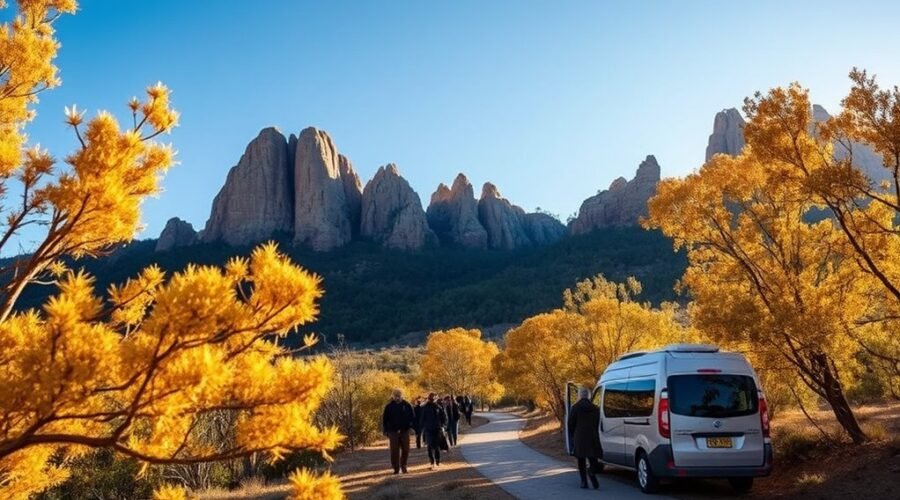
A sunrise over the Grampians is a promise—you can choose when it unfolds. You’ll find the best balance in autumn or spring, when mild days, clearer skies and blooming wildflowers make hikes and photos rewarding without summer crowds or winter chill. Prices and bookings also ease outside peak holiday weeks, and a few smart timing choices will stretch daylight and solitude. Keep going to match months to your ideal trip.
Compare our seasonal guides to Victoria, Australia and Bright, Victoria when choosing other stops in Victoria.
Key Takeaways
- Autumn (Mar–May) offers mild weather, crisp mornings, fewer crowds, and lower accommodation rates—ideal overall balance.
- Spring (Sep–Nov) showcases wildflowers and longer daylight but can be busier and pricier during festivals and weekends.
- Summer (Dec–Feb) brings hot days, peak crowds, and highest accommodation rates; start hikes early to avoid heat and crowds.
- Winter (Jun–Aug) provides solitude, dramatic waterfalls, and budget lodging, but expect cold, shorter daylight, and some reduced services.
- Visit midweek in shoulder seasons (Apr–May, Sep–Nov) for lower costs, thinner crowds, and excellent hiking conditions.
Best Months at a Glance: Pick by Weather, Crowds, Cost
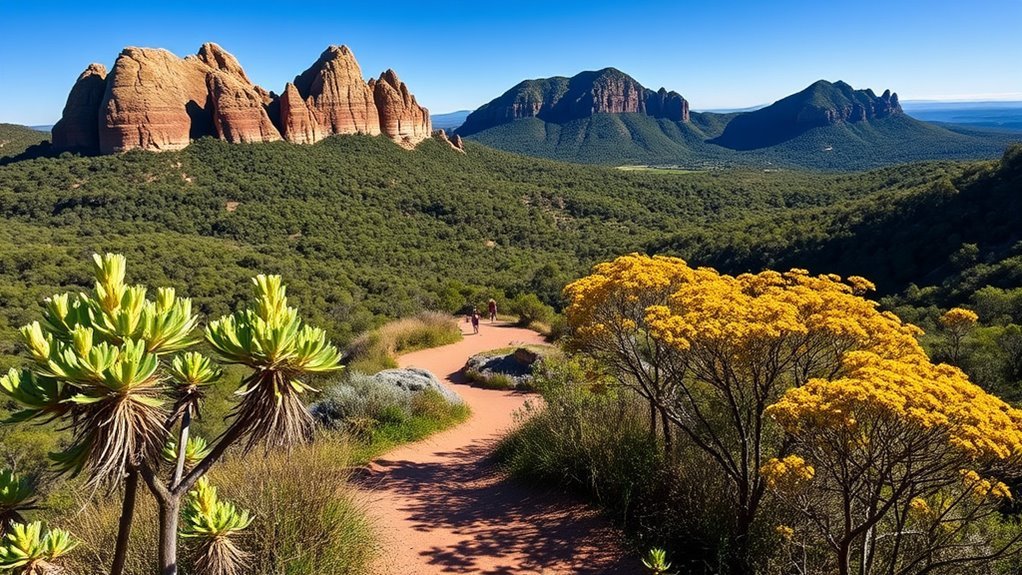
For a quick, practical guide to timing your trip, consider the trade-offs between weather, crowds and cost. You’ll want months that balance clear hiking days with fewer people and friendlier prices.
Aim for shoulder seasons when mornings feel crisp, trails are quieter, and accommodations lower their rates.
You’ll still catch local cultural festivals that spark community energy without overwhelming the parks, and you’ll savor local cuisine in relaxed settings rather than rushed tourist spots.
If you crave solitude and budget savings, pick cooler months with shorter daylight; bring layers and plan shorter routes.
If you prioritize warmth and full access to every trail, pick peak months and accept crowds and higher costs.
Wherever you land, book selectively: midweek stays, modest inns, and small tours preserve both your freedom and the landscape.
That way you control your experience—choosing atmosphere over convenience and meaning over mere sightseeing.
Seasonal Snapshot: Summer, Autumn, Winter, Spring in the Grampians
While each season reshapes the Grampians in vivid ways, you’ll find a clear trade‑off between weather, crowd levels, and what the landscape lets you do: summer serves up long, sunlit days and wildflower fringes but brings heat and busier trails; autumn turns the ranges into a cooler, golden playground ideal for hiking and photography; winter delivers dramatic mist, quieter parks, and shorter daylight that rewards cozy stays and shorter walks; and spring explodes with wildflowers, newborn wildlife, and steadily warming temperatures that make longer treks irresistible.
You’ll choose a season based on freedom: long summer days for ambitious routes, autumn’s light for contemplative photos, winter for solitude and fireside rest, spring for rebirth and vigorous hikes. Each season invites engagement with Indigenous heritage storytelling and markets where local cuisine fuels exploration. Pack layers, respect fragile habitats, and time activities to match daylight and trail conditions.
Below are practical seasonal goals to guide your liberated itinerary:
- Summer: early starts, water, peak viewpoints.
- Autumn: golden hikes, photography windows.
- Winter: short walks, cultural tours, cozy stays.
- Spring: wildflower routes, wildlife watching, farm‑to‑table meals.
Grampians Month-by-Month: Jan–Dec at a Glance
You’ll find a clear month-by-month rundown showing typical weather, what crowds to expect, and how prices usually shift through the year.
Use it to match your preferred temperatures, quiet or busy conditions, and budget windows for lodging and activities.
With these snapshots you can pick the perfect month to visit the Grampians.
Weather By Month
If you want to plan your trip with confidence, this month-by-month guide breaks down what to expect in the Grampians—temperatures, rainfall, daylight and crowd patterns—so you can pick the best time for hiking, wildflower viewing, or a quieter escape.
You’ll find sharp summers (Dec–Feb) with long days and heat, ideal for sunrise hikes if you beat midday; autumn cools with crisp air and vivid skies; winter brings frosts, shorter daylight and dramatic waterfalls after rain; spring bursts with wildflowers and manageable temperatures.
Watch for local cultural festivals and scheduled trail maintenance that can shape your freedom to roam.
Choose months that match your energy and need to reclaim time in nature.
- Summer: hot, long days, early starts
- Autumn: mild, clear, photogenic
- Winter: cold, wet, powerful falls
- Spring: blooms, moderate, lively
Crowd Levels Monthly
Because the Grampians’ crowds shift with weather, school holidays and event calendars, planning by month lets you match solitude or social energy to your trip goals.
In summer (Dec–Feb) expect busy peaks at popular lookouts and campgrounds; you’ll want to time hikes early to beat heat and heavy trail capacity, and check local transport accessibility for weekend bus services.
Autumn (Mar–May) loosens the crowds—cooler days and vivid foliage invite longer, quieter treks.
Winter (Jun–Aug) grants true solitude; fewer visitors mean unhurried routes and easier access to coveted views, though some services reduce frequency.
Spring (Sep–Nov) swells with wildflower seekers; pick weekdays and lesser-known tracks to preserve freedom.
Use month-aware choices to seize the experience you crave.
Monthly Cost Trends
Although costs in the Grampians ebb and flow with seasonality and events, knowing month-by-month trends helps you stretch your budget without missing the best experiences.
You can chase freedom and savings by timing trips around quieter months, booking ahead for summer, and embracing shoulder-season hikes when accommodation drops.
Local festivals spike demand—expect higher prices during major events—but smaller village fairs offer affordable culture if you plan.
- January–March: Peak rates with summer tourists; prioritize budget travel by booking early.
- April–May: Shoulder season savings; cooler hikes, fewer crowds, lower stays.
- June–August: Winter deals on cabins; pack for cold, enjoy empty trails.
- September–December: Spring blooms and festival surges; watch local festivals for dynamic pricing.
Best Months for Hiking and Views in the Grampians
You’ll find the best hiking conditions in the Grampians during the mild autumn and spring months, when temperatures are comfortable and trails are easier to navigate.
Spring is particularly striking because peak wildflower season lights up the ranges with vivid colours and sweet scents.
Plan your walks for these windows to enjoy clear views and flourishing scenery without the extremes of summer or winter.
Mild Weather Months
When spring unfolds and again as autumn cools the air, the Grampians offer their best hiking conditions—crisp mornings, mild daytime temperatures, and clearer skies that sharpen panoramas across rugged ranges and wildflower-filled valleys.
You’ll feel liberated on trails that reward steady effort with sweeping views; local altitude effects mean cooler peaks and dramatic light for sunrise photography, so plan early starts and layered clothing.
Choose routes that match your stamina, and you’ll escape crowds while enjoying safe, stable weather.
- Halls Gap to Wonderland — moderate, panoramic ridgelines.
- Boroka Lookout — short, perfect for dawn shoots.
- Mount William — longer, cooler summit exposure.
- Silverband Falls circuit — shaded, steady temperatures.
Peak Wildflower Season
If you time your visit for late winter into spring (typically August to October), the Grampians explode with wildflowers and make hiking feel like walking through a living gallery—banksias, spider orchids and pudicas carpet valleys while wattles and pea-flowers brighten ridgelines.
You’ll find trails designed for easy viewing and challenging hikes that reward panoramic sweeps of color.
Plan for clear mornings to shoot wildflower photography; low light and dew lift petals into crisp detail.
Join guided botanical tours to learn plant stories, Aboriginal connections, and responsible picking rules, so you can roam freely without damaging fragile habitats.
Travel light, move deliberately, and let this season free your senses—each path becomes an invitation to see, learn, and claim a piece of wild beauty.
Wildflowers & Waterfalls: Peak Months and Best Spots
Although spring transforms the Grampians into a riot of colour, you don’t have to chase a single week to see blooms and flowing falls — peak wildflower season runs from late August to November, while waterfalls are strongest after winter and early spring rains (July–October). You’ll feel liberated wandering carpets of kangaroo paw, wattles and orchids; local flowerflower festivals celebrate that freedom, but you can find quiet patches on backroads. Aim for mornings after rain when colours pop and falls roar.
- Halls Gap to Zumsteins — easy waterfall hikes and meadow wildflowers, great for sunrise photos.
- Mackenzie Falls — powerful flow post-winter, accessible viewing platforms, dramatic cliffs.
- Mount William Roadside Reserves — abundant orchids and native daisies away from crowds.
- Silverband Falls and Venus Baths — intimate cascades tucked into fern gullies, perfect for reflective walks.
Plan flexible days, follow tracks respectfully, and let the landscape free your pace and spirit.
Crowd Levels by Month : When to Avoid the Busiest Days
Because peak seasons stack with weekend day-trippers and school holidays, you’ll find the Grampians busiest from late December through January and again over Easter and long weekends.
If you crave freedom on trails and at lookouts, skip public holidays and aim for midweek visits in February–March or September–November, when crowds thin but wildflowers or autumn hues still sing.
Winter weekdays are quiet too if you don’t mind cooler air.
Check calendars for local cultural festivals and peak dining events: markets and food-focused weekends draw crowds into Halls Gap and kitchens serving local cuisine.
Arrive early at popular sites like The Balconies or Mackenzie Falls to beat the mid-morning surge, and choose lesser‑known tracks for solitude.
Bookings help, but the real strategy is timing—target shoulder months and weekdays, avoid holiday clusters, and you’ll reclaim trails, views, and the liberating silence that makes the Grampians feel like yours.
How Accommodation & Activity Prices Change Through the Year
Crowd patterns directly shape what you’ll pay for rooms, tours and experiences throughout the year. You can chase freedom and save by timing your visit: high season (spring weekends, school holidays) pushes prices up, while shoulder months reward flexibility with bargains. Look for cultural festivals off-peak—they boost value without the premium rates. Food experiences focusing on local cuisine often cost more during busy periods, but midweek bookings cut costs.
- Bookings & cancellations: Midweek and last-minute mid-season deals drop prices; holiday weekends lock rates high.
- Tours & guides: Popular hikes and wildlife tours raise fees in peak months; small-group off-peak runs are cheaper and more intimate.
- Accommodation types: Campgrounds and hostels stay most affordable year-round; boutique stays surge when crowds arrive.
- Dining & events: Festival-driven menus and pop-ups increase spending—choose community food markets for cheaper local cuisine.
Plan with intent, avoid peak peaks, and you’ll reclaim both budget and joy on your terms.
Weather Risks to Plan For: Heat, Storms, Fog, Winter Cold
When you plan your Grampians trip, factor weather into every choice—summer heat can spike quickly, spring storms bring sudden downpours and lightning, fog hides trails at dawn, and winter nights drop to biting cold.
You’ll want to watch heat advisories during summer and avoid midday exertion; seek shade, carry lots of water, and schedule hikes for cooler hours so you don’t get trapped by extreme temperatures.
Spring’s charged skies demand respect—thunderstorms build fast, slick rocks and flash floods can cut routes, and lightning risks mean descending from ridgelines.
Fog hazards create low visibility at sunrise and dusk; use maps, GPS, and stick to marked paths until the veil lifts.
In winter, layer deliberately, protect extremities, and expect icy trails after dark.
Plan escapes and flexible itineraries so weather won’t cage your freedom.
Pick Your Ideal Grampians Trip: Wildlife, Solitude, Photos, or Family
Weather shapes what you can safely do in the Grampians, but your reason for going will decide how you spend each day—seeking wildlife, solitude, picture-perfect views, or a family-friendly pace.
Choose freedom: wake early for kangaroos at Halls Gap, join a cultural festivals event to connect with local stories, or slip into silent ridge-top walks that clear your head.
If photos drive you, plan golden-hour hikes and skinny out for night photography under vast, unpolluted skies.
Families should pick shorter, sheltered trails, picnic spots, and easy lookouts so everyone feels liberated, not exhausted.
- Wildlife: dawn patrols, binoculars, respect habitats.
- Solitude: off-peak seasons, longer trails, mindful pacing.
- Photos: sunrise/sunset spots, night photography prep, sturdy tripod.
- Family: loop walks, playgrounds, modular days and safety checks.
Decide what freedom looks like for you, then match timing, gear, and rhythm to it.
Frequently Asked Questions
When Are the Best Times for Birdwatching and Spotting Native Wildlife?
Spring and autumn are best for birdwatching and spotting native wildlife; you’ll catch bird migration peaks and vibrant seasonal flora, so plan dawn walks, stay patient, and you’ll witness liberated, thriving species in their natural rhythms.
Are There Guided Night Walks or Astronomy Tours Available in the Grampians?
Yes — you’ll find guided night sky tours and stargazing sessions, with guides pointing out constellations across a sky where over 2,000 stars can feel visible; you’ll feel liberated, curious, confident, and deeply connected.
What Are the Pet-Friendly Trails, Campsites, and Accommodation Options?
You’ll find pet friendly hikes like Venus Baths and Halls Gap Lakes, dog-welcoming campsites near Badger Creek, and eco friendly lodging options in Halls Gap; they’ll free you to roam, reconnect, and travel responsibly.
Is Public Transport Available to Key Trailheads and Lookouts?
Yes — you can reach many lookouts and trailheads via public shuttle and trailhead buses; they’ll free you from driving, connect key spots, run seasonally so plan schedules, and inspire independent, liberated exploration of the Grampians.
Do Any Local Festivals or Events Affect Crowds or Access Times?
I have seen a music festival turn a quiet ridge into a river of people: yes, local events can change access times and cause traffic spikes, so you’ll check festival permits and plan alternate routes to stay free.
Conclusion
You’ll want to time your Grampians trip so the landscape looks — and feels — exactly how you imagined. Visit in autumn or spring for mild days, blooming wildflowers, flowing waterfalls and thinner crowds; choose summer for long daylight and festivals, or winter if you crave misty peaks and solitude. Book midweek and rise early to catch golden hours and avoid heat or storms. Decide now — your perfect hike, photo, or quiet moment waits just beyond the next ridge.

[…] Grampians, Victoria […]