If you’re planning a trip to Wangaratta, you’ll want to match season, savings and activities so the visit feels exactly right. Late spring to early autumn gives mild sunny days and fewer crowds; summer brings festivals and warmer weather but higher prices; winter is crisp and cheapest. I’ll walk you through weather, crowds, costs and the best months for King Valley wine touring so you can pick the month that fits your priorities.
Compare our seasonal guides to Victoria, Australia and Geelong, Victoria when choosing other stops in Victoria.
Key Takeaways
- Late spring to early autumn (October–April) offers mild weather, active events, and balanced crowds—often the best overall period.
- Summer (Dec–Feb) brings warm days, festivals, and higher prices, with short thunderstorms but lively nightlife and markets.
- Autumn (Mar–May) gives warm sunny days, cooler nights, ideal wine touring, quieter cellar doors, and lower shoulder-season rates.
- Winter (Jun–Aug) is cold mornings, sunny afternoons, lowest accommodation rates, and cosy country dining—good for budget travellers.
- Visit mid‑week or outside headline festival weekends to avoid crowds and secure cheaper accommodation and transport fares.
Quick Recommendation: Best Time to Visit Wangaratta
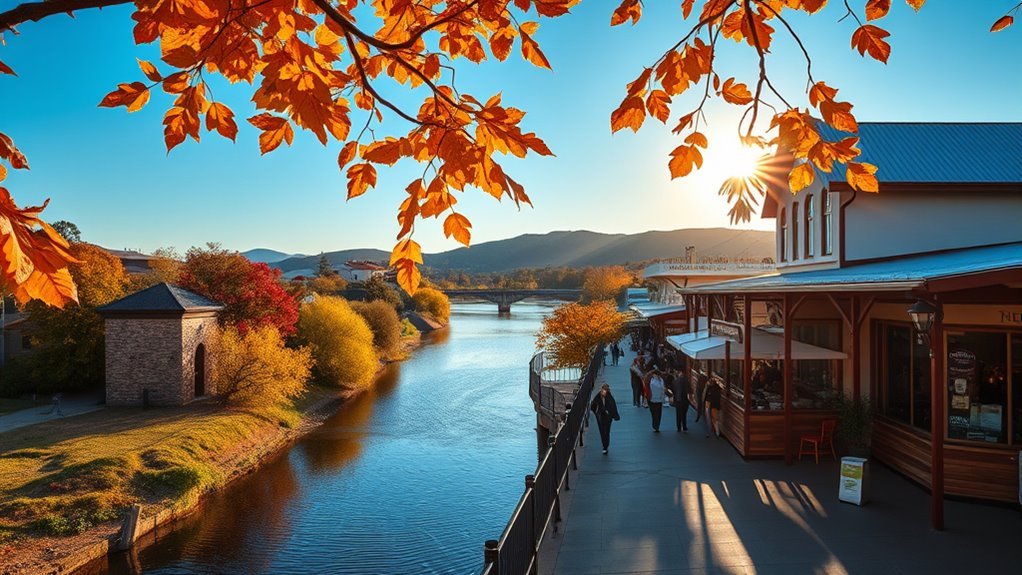
If you want mild weather, lively markets, and the best vineyard visits, plan your trip to Wangaratta between late spring and early autumn (October–April); you’ll enjoy warm, sunny days, fewer cold snaps than winter, and peak local produce and event seasons.
You’ll find this window gives you freedom to roam wineries, join Local events, and wander historic streets without the winter constraints that tighten most itineraries.
Pack light layers, because evenings can cool, but don’t let practicalities clip your sense of adventure — bike the rail trails, sip at cellar doors, and let the town’s Cultural heritage guide spontaneous detours to galleries and heritage sites.
Pack light layers — cool evenings await, but bike the rail trails, sip cellar doors, and follow the town’s cultural charms.
Crowds are moderate, costs sit between peak-summer highs and off-season lows, and transport options stay reliable.
If you want an assertive, liberating travel experience that balances comfort, culture, and accessibility, this is the smartest, most satisfying time to go.
Wangaratta Weather by Season
In summer you’ll find long, hot days with occasional thunderstorms and light rainfall that can cool things off.
In winter expect crisp, frosty mornings that give way to bright, sunny afternoons—perfect for exploring without the crowds.
Knowing the seasonal swings in temperature and precipitation will help you pack and plan activities.
Summer Temperatures & Rainfall
While summer in Wangaratta often brings long, hot days, evenings cool down enough to make outdoor dining and river walks pleasant.
You’ll see daytime highs commonly in the high 20s to mid-30s°C, so plan light layers and sun protection to stay free and comfortable.
Rainfall patterns are relatively modest compared with tropics: short, sudden storms can punctuate dry stretches, so pack a light waterproof and stay flexible.
Humidity levels fluctuate—mornings can feel muggy after rain, then drop to dry, breathable air by afternoon—letting you breathe easier and move without burden.
Nights are forgiving rather than stifling, supporting late-night freedom.
With sensible timing and gear, summer in Wangaratta invites warm adventure without constraint.
Winter Frosts And Sunshine
Switching gears from summer’s warmth, winter in Wangaratta brings crisp mornings, frequent frosts and plenty of bright sunshine that’ll catch you by surprise after a chilly start.
You’ll wake to frosty mornings that nip at your breath, then watch the landscape glitter under crystal clear skies as the sun climbs.
Days feel liberating: sharp light, clean air, and long shadows that invite bold walks or vineyard visits without summer crowds.
Nights plunge cold, so pack layers, a warm coat, and a thermos for dawn explorations.
Roads can be slick with ice early on, so plan slower drives.
If you crave solitude and clarity, winter here offers quiet beauty, affordable stays, and a chance to move freely through open, luminous country.
Crowds & Festivals: Peak Times to Visit Wangaratta
Because Wangaratta comes alive at key moments, you’ll want to plan around its festival calendar to catch the buzz—or to avoid it if you prefer quieter streets. You’ll feel liberated moving with or away from the pulse: check festival logistics early (tickets, transport, local timetables) and watch crowd flow patterns so you can choose freedom over friction. Peak times center on summer events and the autumn jazz and food weekends; those bring energy, street performers, and packed cafés.
| Event Type | Typical Peak |
|---|---|
| Summer festivals | Dec–Feb |
| Jazz & food | Mar–Apr |
| Regional fairs | Sep–Nov |
| Markets & pop-ups | Year-round |
If you want intimacy, visit just before or after headline weekends; if you want connection, arrive for opening nights and parades. Use local apps and sign up for alerts to navigate crowds, book small venues in advance, and embrace or evade the swarm with deliberate, joyful choices.
Costs & Where to Save: Accommodation and Travel by Season
If you visit Wangaratta outside peak festival weekends, you’ll find snug accommodation deals that stretch your budget further.
You can also save on travel by booking weekday trains or off-peak coach services and watching for seasonal fare sales.
Planning your trip around quieter months gives you choices—and keeps more money for food, wine and local experiences.
Off-Peak Accommodation Deals
When crowds thin and rates drop, you’ll find the best off-peak accommodation deals in Wangaratta by timing your visit outside school holidays and major local events; mid-week stays in autumn and winter often cut nightly rates substantially, while booking last-minute boutique rooms or longer stays at motels and holiday parks reveals extra discounts.
You can claim freedom through choice: hunt for boutique hostels that bundle breakfasts or tours, and scout local amenities deals—gyms, cafes, cellar doors—that add value.
Negotiate directly for mid-season stretches, ask about loyalty rates, and consider flexible check-in options that owners prize.
Aim for places with communal kitchens and quiet courtyards so you save money and savor independent rhythms without sacrificing comfort.
Seasonal Transport Savings
You’ve learned how timing and negotiation cut accommodation costs; now look at how season shapes transport prices and savings so you can stretch your travel budget further.
Travel off-peak: winter weekdays and late autumn often drop fares on regional trains and buses.
Book rail festival routes early—organizers sometimes release discount blocks before peak demand.
In spring and autumn, hop on foliage bus routes that offer bundled day passes and lower group rates; sharing rides with fellow travelers lowers per-person cost and sparks connection.
If you crave freedom, choose flexible tickets with refundable options during uncertain weather; you’ll pay a little more upfront but avoid costly last-minute changes.
Compare multi-ride passes, regional car shares, and community shuttles to keep mobility cheap and liberating.
What to Do Each Season: Activities Near Wangaratta
Curious which season suits your trip best?
In spring you’ll wander free among wildflowers, join local festivals, and sip crisp whites on relaxed wine tours around nearby vineyards.
Summer calls for sun-drenched hikes in Warby-Ovens National Park, river swims, open-air concerts, and farmers’ markets where you can taste regional produce and meet makers.
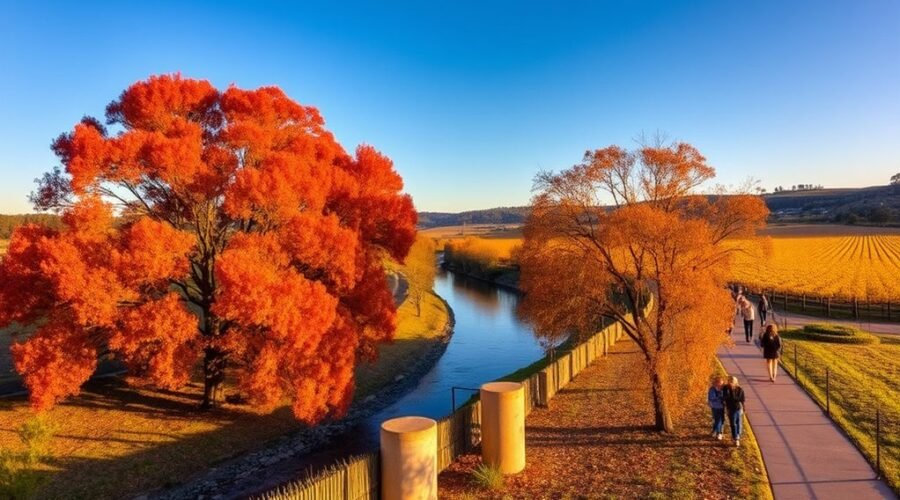
Autumn offers a liberated slow-down: cycle leafy trails, watch vines glow, and enjoy quieter cellar doors without crowded peak-season lines.
Winter invites cozy stays in country cottages, roaring pub fires, misty morning walks, and hearty regional dining—perfect for reconnecting and reflecting.
Each season gives you choices: active adventures, cultural events, or quiet indulgence.
Plan days around your energy and budget, mix outdoor time with tasting and markets, and let the region’s rhythms guide you.
You’ll leave refreshed, carrying small rebellions of joy—stories, flavors, and memories that push your routine aside.
Best Months for King Valley Wine Touring From Wangaratta
Though peak foliage and harvest bustle make autumn (March–May) the standout for King Valley wine touring, spring (September–November) and early summer (December) shine too—each season shapes what you’ll taste and see.
In autumn you’ll follow winding wine cellar routes beneath gold and crimson vines, join spirited tasting festivals, and sample robust reds and late-harvest whites framed by crisp air.
Spring frees the valley: blossoms, fresh green canopies, and lighter wines—sparkling proseccos and aromatic whites—invite long, unrushed tastings and cellar-door conversations.
Early summer offers warm sun, rosé-ready moments, and extended hours at boutique producers, perfect if you crave liberated days and relaxed pacing.
No matter the month you pick, plan a mix of established cellar doors and off-grid producers to savor contrasts.
Combine booked tastings with spontaneous stops to let the region surprise you; the King Valley rewards curiosity, slow travel, and a willingness to stray from the main routes.
How to Choose Your Month: Match Budget, Weather and Interests
After mapping out seasonal highlights like King Valley’s autumnal tastings and springtime blossoms, pick a month by lining up your budget, preferred weather and the kinds of experiences you want.
Decide whether you crave sunlit hikes, cool cellar-door afternoons or festival energy, then match that to low- or high-season costs.
Use budget planning to spot cheaper weekdays, off-peak lodging and transport deals so you can stretch freedom without sacrificing comfort.
If you seek cultural immersion, prioritise months with local markets, music events and community dinners; arrive early to chat with makers and vendors when crowds are thin.
For solitude choose shoulder seasons—mild weather, quieter trails and better rates.
For warmth and nightlife go summer, accepting higher prices.
Pack flexible gear and book refundable stays so plans can bend.
Frequently Asked Questions
Are Pets Allowed on Popular Hiking Trails Near Wangaratta?
Yes — many popular hikes near Wangaratta are pet friendly trails, but you’ll need to follow leash regulations. You’ll enjoy liberated, open landscapes while keeping dogs under control, respecting wildlife and shared trail etiquette.
What Public Transport Options Connect Wangaratta to Nearby Airports?
About 90 minutes by train to Melbourne, you’ll find airport shuttle and airport bus links: you can take V/Line or regional coach to connect with airport buses, then ride a shuttle for direct transfers to Melbourne Airport.
Is Wi‑Fi Widely Available in Rural Accommodations Around Wangaratta?
Yes — you’ll often find rural Wi‑Fi in nearby accommodations, though speeds vary; plan for limited weekend connectivity, bring a hotspot or download maps and media, and embrace slower rhythms to stay freed and resourceful.
Where Are the Nearest Medical Facilities or Pharmacies in Wangaratta?
You’ll find Wangaratta Base Hospital’s emergency clinic downtown for serious issues, and several ph pharmacies on Murphy and Ovens Streets for meds and advice; you’ll feel empowered getting prompt, practical care from these reliable local services.
Can I Bring and Drink My Own Alcohol at Local Picnic Spots?
Yes — you can usually bring and drink your own alcohol at many Wangaratta picnic spots, but you’ll need to follow local alcohol regulations and picnic etiquette, keep it respectful, avoid excessive noise, and dispose of rubbish responsibly.
Conclusion
You’ll probably think there’s never a perfect time to visit Wangaratta—until you pick a month and it turns out perfect anyway. Go in late spring to enjoy mild sun and reasonable prices, or brave summer for festivals and heat that makes the wine taste even better. Autumn gives golden days and fewer crowds; winter saves you money and delivers crisp nights. Pick what matters—weather, cost or wine—and you’ll be glad you did.