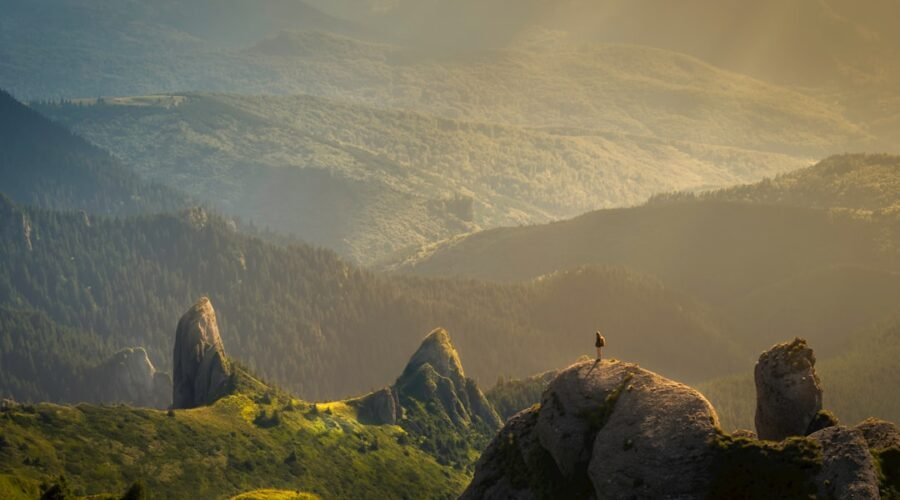
Finke Gorge National Park is one of Central Australia’s most rewarding 4WD destinations, but timing matters. For most visitors, April to September is the best time to visit, with cooler conditions for walking, camping and exploring Palm Valley. Winter brings the coolest weather, while April, May and September can offer a useful balance between comfortable days and peak-season demand.
Quick Answer
Visit Finke Gorge National Park from April to September for the most comfortable walking and 4WD conditions. June to August brings the coolest days but colder nights and more seasonal demand. April, May and September offer a good balance. Heavy rain can close access, so always check park and road conditions before leaving.
Key Takeaways
- April to September is the official recommended period for comfortable conditions at Finke Gorge National Park.
- The final 16 km of access to the park follows rough, sandy country and is restricted to high-clearance 4WD vehicles.
- May to September is the main visitor season; weekdays and the edges of this period can feel quieter.
- Visitors to the Northern Territory generally need an NT Parks Visitor Pass; camping costs extra and must be booked online.
- Summer can bring extreme heat and storms, while heavy rain can make Finke River crossings and access tracks impassable.
- Do not rely on mobile reception in this remote area. Carry emergency communication equipment and tell someone when you expect to return.
Best Weather for Visiting Finke Gorge National Park
Finke Gorge lies in Central Australia rather than the tropical Top End, so describing its climate simply as a wet season and dry season can be misleading. The Red Centre has a dry, highly variable desert climate with four distinct seasons. For trip planning, however, the biggest distinction is between the cooler April-to-September period and the much hotter months from October through March.
NT Parks recommends April to September as the most pleasant time to visit. Rain can occur at any time, and even a relatively short period of heavy rain can affect the sandy Finke River access track.
There is no long-running weather station inside Palm Valley, so nearby Alice Springs Airport provides a useful regional climate benchmark. Actual conditions in the park can differ.
April to May: Warm Days and Cooler Nights
April and May are excellent months if you want comfortable walking weather without committing to the coldest winter nights. Long-term Bureau of Meteorology figures for Alice Springs Airport show an average maximum of about 28.4°C in April and 23.1°C in May, with average minimums falling to about 12.6°C and 8.1°C respectively.
- Weather: Days are usually warm to mild, while nights become noticeably cooler.
- Rain: Rainfall is generally limited, but it is never impossible. Check the forecast and road status before departure.
- Activities: Conditions are usually well suited to Palm Valley walks, Kalarranga, Mpaara, camping and 4WD sightseeing.
- Crowds: April can be quieter than the core winter season, while demand generally builds through May.
Pro Tip: If you want comfortable walking weather without the coldest winter mornings, late April or May is one of the best compromises.
June to August: Coolest Conditions
This is the coolest part of the year and a popular time for Central Australian road trips. Alice Springs Airport’s long-term average maximum is about 19.9°C in June and July and 22.9°C in August. Average minimums are only about 4.9°C, 3.9°C and 5.9°C respectively, and sub-zero mornings are possible.
- Weather: Mild afternoons, cold mornings and cold nights.
- Camping: Bring genuinely warm layers and a sleeping setup suitable for cold desert nights.
- Walking: Cooler daytime temperatures make longer walks more comfortable.
- Demand: This period sits within the park’s May-to-September peak visitor season, so book camping ahead.
September: A Strong Shoulder-Season Choice
September warms quickly but remains within NT Parks’ recommended April-to-September visiting window. The regional long-term average maximum is about 27.5°C, with an average minimum around 10.3°C.
You still get relatively comfortable mornings for walking, while nights are usually less cold than in mid-winter. Start longer activities early because afternoons can become warm.
October: Warmer and More Heat-Sensitive
October can still work for a visit, but it is no longer part of NT Parks’ preferred cooler-month window. The nearby Alice Springs long-term average maximum is about 31.3°C. Temperatures in the high 30s and occasionally above 40°C are possible, but they should not be treated as the normal daily temperature.
- Best strategy: Walk early in the morning and keep strenuous activity out of the hottest part of the day.
- Camping: Nights become much milder than in winter.
- Road access: Continue checking for storms or rain that could affect the Finke River track.
November to March: Hotter and More Demanding
November through March is the hardest period for most visitors. Long-term regional average maximum temperatures range from roughly 32.9°C to 36.6°C, and extreme days above 40°C do occur. Thunderstorms and heavy rain can also affect remote and unsealed roads.
- Heat: Plan any essential outdoor activity for the coolest part of the day.
- Rain and flooding: The Finke River can rise after heavy rain, making access tracks impassable.
- Walking: Heat dramatically increases the consequences of insufficient water, poor timing or getting delayed.
- Visitor levels: Demand is generally lower than during the cooler months, but the trade-off is substantially harsher conditions.
Warning: Never enter a flooded river crossing or assume yesterday’s track condition still applies. Heavy rain can make the final access section impassable. Check the official Finke Gorge National Park status before you leave.
If you like comparing how seasonality affects very different destinations, the existing guide to the best time to visit Meadow Lake, Saskatchewan looks at the same weather, crowd and cost trade-offs in a much colder environment.
Navigating Crowds at Finke Gorge
Finke Gorge does not have the crowd density of Australia’s major urban attractions, but visitor numbers still change with the seasons. NT Parks operates its campground-host program during the May-to-September peak season, which is a useful indication of when visitor activity is strongest.
When the Park Is Busiest
- May to September: This is the main visitor season because temperatures are much more comfortable for camping, walking and 4WD travel.
- Winter school holidays: Family travel can increase during holiday periods, although exact dates differ by state and territory.
- Long weekends: Campgrounds and popular areas can become busier, so advance booking is sensible.
There are no official month-by-month crowd figures published on the Finke Gorge park page, so claims that a particular month is always “low” or “high” should be treated cautiously.
How to Find Quieter Conditions
- Visit mid-week: Weekdays can be calmer than weekends during the cooler season.
- Try the edge of the recommended season: April and later September can provide comfortable conditions without always feeling as busy as the middle of winter.
- Start early: Early departures help with both heat management and parking at popular walking areas.
Does the Finke Desert Race Affect Your Visit?
The Tatts Finke Desert Race is held on the King’s Birthday long weekend in June and runs between Alice Springs and Aputula, also known as Finke. Despite the shared name, the race course does not run through Palm Valley or Finke Gorge National Park.
It can still increase accommodation demand and traffic around Alice Springs during race week. If your trip falls on that weekend, booking Alice Springs accommodation, vehicles and tours earlier than usual is sensible.
Costs to Consider
Finke Gorge is not simply a free-entry, free-camping destination. Your budget can include an NT Parks Visitor Pass, campsite fees, a suitable high-clearance 4WD, fuel, supplies and, if needed, a guided tour.
NT Parks Visitor Pass
Visitors to the Northern Territory need an NT Parks Visitor Pass for Finke Gorge National Park. NT residents are exempt but may be asked to show proof of residency.
At the time of this September 2026 update, the listed standard visitor-pass prices are:
| Pass | Adult | Child 5–17 | Family |
|---|---|---|---|
| 1 day | $10 | $5 | $25 |
| 3 days | $20 | $10 | $50 |
| 2 weeks | $30 | $15 | $75 |
Pass prices can change, so the official NT Parks page should be treated as the final price source when you book.
Camping Fees and Bookings
Camping in Finke Gorge National Park must be booked and paid for online before arrival. You cannot simply arrive and pay at the campground.
- Palm Valley campground: Category A. Current listed rates are $15 per adult, $8 per child aged 5–17 and $38 per family.
- Boggy Hole-Finke River and Finke River 4WD route camping: Category B. Current listed rates are $10 per adult, $5 per child aged 5–17 and $25 per family.
Palm Valley campground has more facilities, including toilets, showers, picnic facilities and gas barbecues. Facilities on more remote routes are more basic.
Vehicle Access and Fuel
Finke Gorge National Park is about 138 km west of Alice Springs. You travel toward Hermannsburg on Larapinta Drive, then turn south just west of the community.
The final 16 km includes sandy sections of the Finke River bed and is restricted to high-clearance 4WD vehicles. That requirement can add significantly to the cost if you need to hire a suitable vehicle.
Basic supplies are available at Hermannsburg, but this is still remote travel. Start with adequate fuel for your planned route and an appropriate reserve rather than assuming services will always be available when you need them.
Accommodation and Supplies
- Camping: Staying in the park is usually the simplest option if you already have suitable camping and 4WD equipment.
- Alice Springs: The main regional hub for accommodation, major supermarkets, vehicle hire and trip preparation.
- Hermannsburg: Useful for basic supplies before entering the more remote section of the journey.
- Food and water: Carry enough for your planned stay plus an emergency reserve. Do not rely on being able to resupply inside the park.
Activities and Tours
- Self-drive: Costs are mainly your park pass, campsite, vehicle, fuel, food and recovery equipment.
- Guided tour: A useful alternative if you do not have suitable 4WD experience or equipment. Tour prices vary by operator and itinerary.
Best Time by Weather, Crowds and Costs
| Period | Weather | Visitor Demand | Cost Notes |
|---|---|---|---|
| April–May | Warm to mild days; cooler nights | Moderate and increasing | Park and camping fees are fixed; accommodation demand begins rising |
| June–August | Coolest days; cold nights and mornings | Highest seasonal demand | Book camping, vehicle hire and Alice Springs accommodation early |
| September | Warmer but still within the recommended season | Moderate to high | Similar park fees; demand may ease later in the month |
| October | Hotter; low-30s regional average maximum | Generally lower | Park fees remain the same; heat becomes the main trade-off |
| November–March | Very hot, with thunderstorms and occasional flooding | Usually lower | Potential savings do not outweigh heat and access risks for most visitors |
What to Pack for Your Visit
Packing well is especially important because Finke Gorge is remote, mobile coverage should not be relied upon and road conditions can change after rain.
Essential Gear
- Drinking water: Carry plenty for everyone in your group plus an emergency reserve. Increase your supply for hot weather or longer walks.
- Sun protection: Use a broad-brimmed hat, sunscreen, sunglasses and protective clothing.
- Insect repellent: Useful around water and during warmer periods.
- First-aid kit: Include supplies appropriate for cuts, abrasions, bites, blisters and your personal medications.
- Navigation: Download maps before leaving mobile coverage and carry a reliable offline navigation method.
- Emergency communication: NT Parks recommends an EPIRB, Personal Locator Beacon or satellite phone for a safe remote trip.
- Camping equipment: Take a suitable tent or sleeping setup, cooking equipment and warm bedding during the cooler months.
- Footwear: Closed, supportive walking shoes are best for uneven and rocky terrain.
- Vehicle equipment: Carry a usable spare tyre, jack, tools and appropriate 4WD recovery equipment.
Warning: Tell a reliable person where you are going and when you expect to return. Do not rely on a mobile phone as your only emergency communication method in this remote park.
Clothing Considerations
- Lightweight clothing: Breathable clothing works well during warmer daytime conditions.
- Warm layers: Winter mornings and nights can approach or fall below freezing in the wider Alice Springs region.
- Long sleeves and pants: Useful for both sun and insect protection.
- Rain protection: A lightweight waterproof layer can be useful when storms are possible.
For another example of how weather, crowds and costs shape trip timing, the existing guide to the best time to visit Reşadiye in Tokat covers a very different climate and travel setting.
Planning Your Itinerary
Finke Gorge National Park covers about 460 square kilometres, so it is larger than it may appear on a quick map. Its main attractions are spread across rough 4WD terrain, and travel times can be slower than distance alone suggests.
How to Get There
The park lies about 138 km west of Alice Springs. Follow Larapinta Drive toward Hermannsburg and turn south just west of the community. The final 16 km is high-clearance 4WD access, with part of the route following the sandy Finke River bed.
Heavy rain can close this section. Check the official Finke Gorge National Park status before leaving.
Key Attractions and Walks
- Palm Valley: The park’s best-known attraction, with groves of red cabbage palms surrounded by rugged sandstone country.
- Arankaia Walk: About 2 km and roughly 1 hour return. It follows the Palm Valley oasis before returning across the plateau.
- Mpulungkinya Walk: About 5 km and roughly 2 hours return. This longer option travels farther into Palm Valley before returning over higher ground.
- Kalarranga Walk: About 2.5 km and 45 minutes return, leading to a panoramic lookout over sculpted sandstone country.
- Mpaara Walk: About 5 km and 2 hours return. The walk begins near Kalarranga and introduces aspects of Western Aranda mythology while providing broad views.
- Finke River: The river and its sandy bed shape much of the park’s scenery and 4WD experience.
- Boggy Hole and Finke River 4WD Route: A much more remote trip intended for experienced 4WD travellers who are properly equipped and prepared.
- Larapinta Trail: The Larapinta Trail does not run through Finke Gorge National Park. It is a separate long-distance trail through the Tjoritja/West MacDonnell area and should be planned as a separate part of a Central Australian trip.
- Geological features: Look for weathered sandstone, old river channels and the dramatic landforms that define this part of Central Australia.
Protecting Palm Valley
Palm Valley is ecologically sensitive. The red cabbage palms and young seedlings can be damaged by trampling and erosion, so stay on marked walking tracks and avoid walking through palm beds.
The park and surrounding country also hold deep cultural significance for Western Aranda people. Follow signs, respect cultural sites and leave historic or natural objects where you find them.
A Long Weekend: 3 Days / 2 Nights
- Day 1: Leave Alice Springs after checking park and road conditions. Travel via Hermannsburg, enter the park in a high-clearance 4WD, set up at your pre-booked campsite and complete Kalarranga Walk or another short walk if time and temperature allow.
- Day 2: Drive to Palm Valley. Choose the shorter Arankaia Walk or the longer Mpulungkinya Walk, take time to enjoy the palm groves and return to camp before late afternoon.
- Day 3: Complete Mpaara Walk or revisit a lookout in the cool morning, pack up and return toward Hermannsburg and Alice Springs.
A Longer Stay: 5 Days / 4 Nights
- Days 1–2: Follow the long-weekend plan, allowing more time for Palm Valley and the main walks.
- Day 3: Spend a slower day around the park’s shorter walks, picnic areas and viewpoints rather than rushing between locations.
- Day 4: Experienced and properly equipped 4WD travellers can consider part of the Finke River route or Boggy Hole after checking current conditions with Parks and Wildlife. Less-experienced visitors should keep to the main Palm Valley area or use a guided tour.
- Day 5: Pack up, check your vehicle and return to Alice Springs with enough time to avoid rushing the remote track.
Note: The Finke River 4WD route toward Illamurta Springs and Watarrka is a significantly more remote undertaking than a normal Palm Valley visit. NT Parks recommends it only for experienced 4WD travellers with careful preparation, recovery gear, extra food and water, and emergency communication.
Important Considerations for Planning
- Book before arriving: Campsites must be reserved and paid for online.
- Check access: Rain can close the Finke River access route even outside summer.
- Vehicle suitability: High-clearance 4WD is required for the final access section. The track from the picnic area farther into Palm Valley is not suitable for trailers or caravans.
- Remote-route experience: Do not treat the Finke River 4WD route as an ordinary sightseeing road.
- Heat: Avoid strenuous activity during the hottest part of the day.
- Firewood: Do not collect firewood inside the park; fires are restricted to designated firepits when permitted.
- Leave no trace: Take your rubbish with you and keep to designated roads, campsites and walking tracks.
- Pets and generators: Pets and generators are not permitted under current park guidance.
By matching your trip to the cooler months, preparing the right vehicle, booking before arrival and treating the Finke River environment with respect, you can explore Palm Valley without turning a remote desert trip into an unnecessary risk. April to September remains the strongest overall window, with April, May and September particularly attractive if you want comfortable conditions around the edges of the busiest winter period.
Frequently Asked Questions
What is the best time to visit Finke Gorge National Park?
April to September is the best overall period. NT Parks identifies these cooler months as the most pleasant time to visit. June to August is coolest, while April, May and September can provide a good balance between comfortable conditions and seasonal demand.
What is the weather like at Finke Gorge throughout the year?
Central Australia has hot summers, cool winters and large day-to-night temperature changes. Nearby Alice Springs averages around 20°C for daytime maxima in June and July but around 35–37°C in the hottest summer months. Rainfall is irregular, and heavy rain can temporarily close park access.
When is Finke Gorge National Park busiest?
Visitor activity is highest during the cooler May-to-September period. Winter holidays and long weekends can be busier, while weekdays and the edges of the cooler season may feel quieter. NT Parks does not publish detailed month-by-month visitor totals on the park page.
Does the Finke Desert Race affect visits to Finke Gorge National Park?
The race is held on the King’s Birthday long weekend in June and runs between Alice Springs and Aputula, not through Palm Valley or Finke Gorge National Park. It can still increase accommodation demand and traffic around Alice Springs, so advance bookings are useful if your trip overlaps race week.
How much does it cost to visit Finke Gorge National Park?
Visitors to the Northern Territory generally need an NT Parks Visitor Pass, while NT residents are exempt. Camping is charged separately. At the time of this September 2026 update, a one-day visitor pass starts at $10 per adult, while Palm Valley Category A camping is listed at $15 per adult. Vehicle hire, fuel, supplies and tours are additional costs.
Do I need a 4WD for Finke Gorge National Park?
Yes for the main park access. The final 16 km follows rough and sandy country, including part of the Finke River bed, and is restricted to high-clearance 4WD vehicles. The more remote Finke River route requires even greater experience and preparation.
Do I need to book camping before visiting?
Yes. Designated NT Parks campsites must be booked and paid for online before you arrive. Palm Valley campground and the Finke River/Boggy Hole camping areas have different campground categories and fees.
Can rain close Finke Gorge National Park?
Yes. The park is normally accessible throughout the year, but heavy rain and flooding in the Finke River can make the final access track impassable. Check official park and road conditions before departure and never attempt a flooded crossing.
Sources
- Northern Territory Government — Finke Gorge National Park — official visiting season, access, facilities, 4WD requirements, camping and current park conditions.
- NT Parks — Finke Gorge National Park Fact Sheet and Map — walking distances, safety advice, cultural significance, Palm Valley access and remote-travel guidance.
- Northern Territory Government — NT Parks Visitor Pass — pass requirements, exemptions and current fees.
- Northern Territory Government — Camping Fees — current Category A and Category B camping rates and booking requirements.
- Australian Bureau of Meteorology — Alice Springs Airport Climate Statistics — long-term monthly temperature and rainfall benchmarks.
- Tatts Finke Desert Race — Official Event Information — annual timing and Alice Springs-to-Aputula race route.