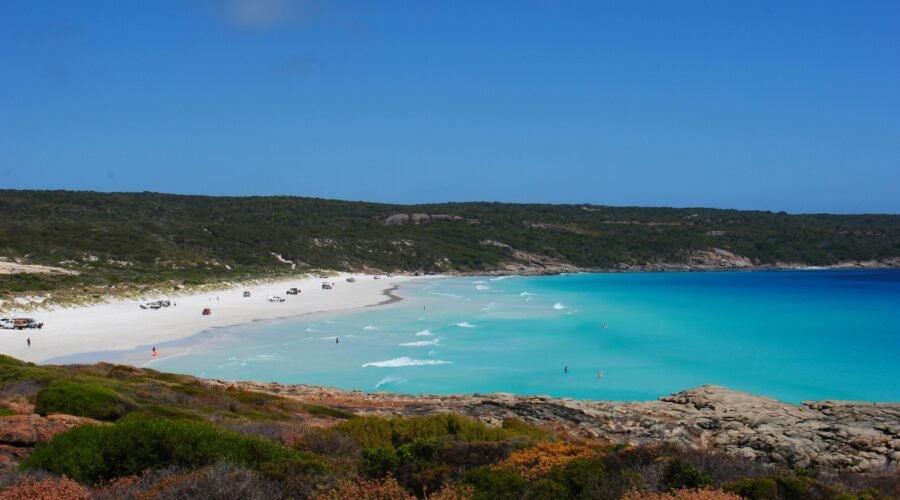
When is the best time to visit Bremer Bay in Western Australia? The answer depends on what you most want to see. For the famous Bremer Canyon orcas, plan for January to April. For southern right whales close to shore, winter into spring is better. Wildflower lovers should favour late winter and spring, while summer works well for beaches and longer days.
Quick Answer
The best time to visit Bremer Bay for orcas is January to April, with February especially strong. Visit from roughly June to October for southern right whales near the coast, August to November for wildflowers, or December to February for warmer beach weather and long daylight hours.
Key Takeaways
- Best for Bremer Canyon orcas: January to April, although some operators may begin departures in December.
- Best for southern right whales from shore: roughly June to October, especially around Point Ann.
- Best for wildflowers: August to November around Bremer Bay and Fitzgerald River National Park.
- Best for beaches: December to February usually gives you the warmest and longest summer days.
- Best all-round compromise: March or early April can combine milder weather with the tail end of the core orca season.
Bremer Bay Weather and Wildlife by Season
Bremer Bay sits on Western Australia’s exposed south coast. Its maritime location helps moderate temperatures compared with inland parts of the state, but conditions can change quickly. Wind, rain, sunshine and sea conditions can all affect what you can comfortably do on a given day, so check the Bureau of Meteorology forecast shortly before your trip.
Summer: December to February
Summer is one of the most popular periods for a coastal holiday in Bremer Bay. Longer days and generally warmer conditions make it easier to combine beach time, sightseeing, fishing, walking and marine tours.
Temperatures and Sunshine
Expect mild-to-warm coastal days rather than the extreme heat associated with inland Western Australia. Hot spells can still occur, so pack for both warm sunshine and cooler coastal breezes.
Rainfall Patterns
Summer is often favourable for outdoor activities, but rain and windy changes are still possible. Bremer Bay’s exposed position means you should never treat a seasonal average as a guarantee for a particular day.
Sea Conditions
Summer is a good season for swimming, snorkelling, kayaking and beach visits when local conditions are suitable. It is also the beginning of Bremer Bay’s major offshore wildlife period, with Bremer Canyon orca expeditions operating through summer and early autumn.
Autumn: March to May
Autumn is an appealing transition period. March and early April can still overlap with the main Bremer Canyon orca season, while the town generally moves toward cooler conditions as May approaches.
The Golden Light
Clear autumn days can give Bremer Bay’s beaches and coastal headlands excellent light for walking and photography. The shorter days also tend to feel less harsh than midsummer for long walks.
Temperature Range
Conditions gradually cool through autumn. A light jacket becomes increasingly useful in the mornings and evenings, and a windproof outer layer is sensible throughout the year.
Changing Rainfall
Do not assume rainfall steadily decreases through autumn. Southern Western Australia receives much of its rain during the cooler part of the year, and conditions become more changeable as winter approaches.
Winter: June to August
Winter is not the main Bremer Canyon orca season. Instead, it brings a different wildlife experience: southern right whales visit sheltered areas of the south coast, including waters around Fitzgerald River National Park.
Southern Right Whale Season
DBCA’s Point Ann information describes the whale-watching platforms there as popular from June to the end of October, when southern right whales can often be seen in the bay during their breeding and calving season.
This makes winter a strong choice if you prefer land-based whale viewing rather than an all-day offshore Bremer Canyon expedition.
Cooler Temperatures
Winter brings the coolest conditions of the year. Pack warm layers, particularly for exposed beaches, headlands and whale-watching platforms.
Wind and Rain
Cold fronts, wind and rain can affect outdoor plans in southern Western Australia. Build some flexibility into your itinerary and check the local forecast before long walks, boating or remote park trips.
Spring: September to November
Spring combines increasingly mild weather with two of the region’s strongest seasonal attractions: wildflowers and the later part of the southern right whale viewing period.
Blooming Wildflowers
Nearby Fitzgerald River National Park is one of Australia’s major botanical areas. The WA Department of Biodiversity, Conservation and Attractions notes that wildflowers can be seen throughout the year but are particularly spectacular from August to November.
Warming Temperatures
Days gradually become warmer through spring, although cool mornings, wind and sudden weather changes remain possible on the south coast.
Increasing Daylight
Longer spring days give you more time for Fitzgerald River National Park, beaches and scenic drives. By late spring, conditions also begin to shift toward the summer beach season.
If you’re comparing seasonal travel planning across destinations, you can also read this guide to the Best Time to Visit Casper, Wyoming: Weather, Crowds, and Costs.
The Killer Whale Phenomenon: When to Go for the Best Sightings
Bremer Bay is internationally known for the seasonal aggregation of orcas in the deep submarine-canyon system offshore. If seeing orcas is your main reason for travelling here, this section should drive your trip dates.
The Peak Season Explained
The core Bremer Canyon orca season is January to April. Tourism Western Australia identifies this period for Bremer Bay’s famous orca encounters, while its current nature calendar highlights February for particularly strong activity.
For a trip built primarily around seeing Bremer Bay orcas, January to April is the key booking window — not June to October.
Why Do Orcas Gather Here?
The offshore Bremer Sub-Basin contains deep submarine canyons associated with high biological productivity. Parks Australia describes the Albany Canyon group, which includes Bremer Canyon, as an area of high productivity and large aggregations of marine life.
Research published through Curtin University and the University of Western Australia links the seasonal orca aggregation with productive waters and high prey availability. Orcas in this region have also been scientifically documented hunting beaked whales, but beaked whales should not be described as the single confirmed reason the orcas gather here.
What to Expect on a Tour
Bremer Canyon expeditions are full-day offshore trips rather than short coastal cruises. Current major operators advertise trips of roughly eight hours. Orcas are the headline species, but encounters can also include sperm whales, pilot whales, dolphins, seals, seabirds, sharks and other pelagic wildlife.
Wild animals cannot be guaranteed on any individual day. The value of the trip comes from visiting a highly productive marine environment with experienced crews who spend much of the season searching these offshore waters.
Weather Considerations for Tours
The Southern Ocean can be rough at any time of year. Wind, swell and other safety considerations may cause departures to be delayed, rescheduled or cancelled.
Warning: Do not build an inflexible itinerary around a single offshore tour day. If seeing orcas is your main goal, allow an extra day or two in Bremer Bay where possible so weather disruption does not automatically end your chance of going offshore.
The Season Edges: December and April
Tour calendars vary slightly between operators. Tourism Western Australia commonly describes the main season as January to April, while Naturaliste Charters currently advertises departures from December to April.
Early-Season Orcas
Some departures can begin during December, but availability and start dates vary by year and operator. Check the current schedule rather than assuming every December date is available.
Late-Season Orcas
April remains part of the recognised Bremer Bay orca period. It can appeal to travellers who want a wildlife-focused trip after the busiest part of the summer holiday season.
Potentially Milder Weather
Early autumn can feel more comfortable for hiking and sightseeing than midsummer, although offshore sea conditions remain unpredictable.
Pro Tip: If orcas are your priority but you also want comfortable land-based sightseeing, consider March or early April. You stay within the main orca window while moving away from the height of the summer holiday period.
Beyond the Orcas: Other Marine Life
Bremer Bay’s offshore canyons and coastal waters support far more than orcas.
Dolphins
Several dolphin species occur in the region, and dolphins may be encountered during offshore wildlife trips or around coastal waters.
Seals and Sea Lions
Australian sea lions and fur seals are among the marine mammals associated with the wider Bremer marine environment.
Whales and Pelagic Wildlife
Sperm whales, pilot whales, beaked whales, seabirds, sharks and oceanic fish can occur around the productive offshore canyon system. Closer to shore, winter and spring offer the separate southern right whale experience.
Navigating the Crowds: When to Avoid the Rush

Bremer Bay is a small coastal destination, so even a moderate increase in visitors can affect accommodation availability, restaurant bookings and tour capacity. Rather than treating one season as the only peak, it is more useful to look at the reasons demand rises.
The Summer and Orca-Season Surge
January sits within both the Australian summer-holiday period and the Bremer Bay orca season. February, March and April continue to attract travellers specifically for offshore orca expeditions.
Peak Times Within the Season
Weekends, holiday periods and popular tour dates can fill earlier than ordinary midweek dates. February is particularly notable for orca activity according to Tourism Western Australia’s current nature calendar.
Booking Is Important
If an orca expedition is the reason for your visit, secure the tour and accommodation before building the rest of the trip. The boats have fixed capacities, while accommodation options in a small town are naturally more limited than in Perth or Albany.
Summer Holidays and Long Weekends
Bremer Bay also attracts ordinary beach holidaymakers. This means demand can rise during Western Australian school holidays and long weekends even among visitors who are not booking an orca tour.
School Holiday Impact
Expect a livelier atmosphere around beaches, caravan parks and family accommodation during major school-holiday periods.
Public Holiday Peaks
Easter and other long weekends can create short bursts of demand. Check your exact travel dates before assuming an autumn or winter trip will automatically be quiet.
The Quieter Times: Finding Peace and Solitude
If you care more about a relaxed coastal escape than a specific wildlife event, dates outside major school holidays, public holidays and the main orca period may give you more flexibility.
Autumn, Winter and Spring Options
May can be attractive for travellers seeking cooler conditions after the orca rush. Winter is useful for southern right whales, while spring adds wildflowers, so these seasons are not completely empty either.
Midweek Travel
Travelling from Tuesday to Thursday can often give you more accommodation choice than arriving for a busy weekend, particularly around special events or popular seasonal wildlife periods.
Budgeting Your Trip: Costs and Value

Your Bremer Bay budget depends more on your exact dates, accommodation type and whether you book an offshore wildlife expedition than on a simple high-season versus low-season formula.
Orca-Season Costs
The full-day Bremer Canyon expedition is likely to be one of the largest individual costs for an orca-focused trip.
Current Orca Tour Prices
As of September 2026, both Naturaliste Charters and Whale Watch Western Australia list standard adult Bremer Bay orca expeditions from about A$399. Prices, inclusions, age rules and schedules can change, so check the live operator page before paying for accommodation around a particular departure.
Accommodation Pressure
Rooms, cabins and holiday accommodation can become less flexible when the orca season overlaps with summer holidays or busy weekends. Booking earlier usually gives you more choice rather than guaranteeing a particular discount.
Other Expenses
Remember to budget for fuel, food, national-park costs where applicable and any extra activities. Bremer Bay’s relative isolation also makes last-minute changes less convenient than they would be in a large city.
Shoulder-Season Value
If you do not need an orca expedition, May and quieter periods outside school holidays can give you greater freedom to compare accommodation.
More Accommodation Choice
Lower-demand dates can improve availability, although prices vary by property and event calendar. Always compare your actual travel dates instead of relying on a generic “off-season” label.
Tour Availability and Pricing
Orca-specific expeditions are seasonal, so travelling outside the operating period is not a cheaper way to take the same tour — the tour may simply not be running.
General Savings
The most reliable savings strategy is to avoid high-demand holiday dates, compare accommodation early, and fill up or shop strategically before long drives rather than assuming every service will be cheaper outside summer.
Budget Travel Strategies
If your goal is scenery, walking or a quiet coastal break rather than a particular wildlife event, you have far more flexibility.
Choose Dates Around Your Priorities
Travelling outside the orca season can remove the A$399-plus expedition from your budget completely. On the other hand, skipping that experience solely to save money may defeat the purpose if seeing orcas is why you chose Bremer Bay.
Plan Ahead
Compare accommodation, cancellation terms and tour availability before committing to the long drive. Flexible bookings are especially useful when marine weather is part of your itinerary.
If you’re comparing how weather, crowds and travel costs change between destinations, you can also explore this guide to the best time to visit Salihli, Manisa.
Bremer Bay Month-by-Month Guide
| Month | Best For | Weather / Wildlife | Crowd & Cost Note |
| January | Orcas + beaches | Warm summer period; core orca season | Book early around summer holidays |
| February | Orcas | Tourism WA highlights peak orca activity | Popular wildlife-tour month |
| March | Orcas + milder sightseeing | Early-autumn conditions; core orca season | Good compromise after summer holidays |
| April | Late orca season | Cooling conditions; final main orca month | Easter can increase demand |
| May | Quiet coastal trips | Cooler transition toward winter | Often more flexible outside holidays |
| June | Southern right whales | Cooler, wetter and windier possibilities | Demand can rise around whale viewing |
| July | Whales from shore | Winter conditions; Point Ann whale season | School holidays can affect availability |
| August | Whales + wildflowers | Wildflower displays strengthen | Popular nature-focused period |
| September | Wildflowers + whales | Spring warming; excellent flora period | Book ahead on spring weekends |
| October | Wildflowers + late southern right whales | Longer spring days | Moderate seasonal nature demand |
| November | Wildflowers + beach weather | Late spring and warming conditions | Useful pre-holiday option |
| December | Beaches + possible early orca departures | Summer begins; operator dates vary | Demand rises toward school holidays |
Note: Crowd and accommodation patterns are relative planning guidance, not fixed price bands. Holiday dates, weather, events and individual properties can change availability quickly.
Planning Your Bremer Bay Adventure: Practical Tips
Bremer Bay is remote enough that good planning makes a noticeable difference, particularly if you are travelling for a fixed wildlife tour.
Getting to Bremer Bay
Most visitors arrive by road.
Driving from Perth
Allow roughly 5.5 to 6.5 hours from Perth depending on your starting point, route, traffic and stops. Tourism Western Australia currently describes the trip as about six and a half hours on its Bremer Bay destination page, while another official itinerary gives approximately five and a half hours.
Road Conditions
Main approaches to Bremer Bay are generally suitable for ordinary vehicles, but conditions on park access roads and minor roads can change. Check current road and park information before entering more remote areas, particularly after significant rain.
Other Transport Options
Bremer Bay does not have a regular major commercial airport. Tourism Western Australia suggests flying from Perth to Albany and then travelling about two hours by road to Bremer Bay. If you are not hiring a car, check transfer arrangements before booking because public transport choices are limited compared with larger towns.
What to Pack for Your Visit
Bremer Bay’s exposed coastal weather makes layers useful in every season.
Layering Is Key
Bring light clothing plus a warm mid-layer and wind-resistant outer jacket. Even a sunny day can feel much cooler when the wind rises near the coast.
Footwear
Comfortable walking shoes are useful for coastal paths and national-park stops. Sandals or similar footwear are handy at the beach, while closed shoes are the safer choice for offshore boat trips.
Sun Protection
Pack sunscreen, sunglasses and a hat. UV exposure remains relevant even when the air feels cool.
Whale-Watching Essentials
For an offshore expedition, bring weatherproof layers, your camera or binoculars, and any motion-sickness preparation that you normally use. Protect phones and electronics from spray and rain.
Seasonal Specifics
- Summer: Swimsuit, light clothing, beach towel, sun protection and a windproof layer.
- Autumn: Light layers plus a warmer jacket for mornings and evenings.
- Winter: Warm layers, waterproof outerwear, beanie and comfortable walking shoes.
- Spring: Mixed-weather layers, walking shoes, sun protection and a jacket for cool mornings.
Booking Accommodation and Tours
Advance booking matters most when your travel dates overlap with summer holidays, long weekends or a specific wildlife season.
Accommodation Types
Bremer Bay offers caravan parks, cabins, holiday homes, motel-style accommodation and smaller guest properties. Availability is naturally more limited than in Perth or Albany.
Tour Operators
Major Bremer Canyon operators include Naturaliste Charters and Whale Watch Western Australia. Compare departure dates, age restrictions, inclusions, cancellation policies and sea-condition policies before choosing.
Local Knowledge
Accommodation providers and the local visitor centre can be useful for current information on road conditions, beaches, dining, tours and seasonal conditions after you arrive.
Frequently Asked Questions
What is the best time to visit Bremer Bay, Western Australia?
For orcas, January to April is the best-known period. For southern right whales from shore, visit roughly June to October. August to November is especially good for wildflowers, while summer is best suited to beach-focused trips.
When is orca season in Bremer Bay?
The recognised core Bremer Bay orca season is January to April. Some operators may begin departures during December, so always check the current year’s schedule.
When can you see southern right whales near Bremer Bay?
Winter into spring is the main period. DBCA identifies Point Ann as a popular viewing location from June to the end of October, when southern right whales may be seen in the sheltered bay.
When is wildflower season around Bremer Bay?
Wildflowers can appear throughout the year around Fitzgerald River National Park, but displays are particularly strong from August to November.
What is the weather like in Bremer Bay throughout the year?
Bremer Bay has a temperate maritime climate. Summers are generally the warmest period, while winters are cooler and can be windy and wet. Coastal conditions can change quickly in every season, so check the Bureau of Meteorology forecast before outdoor or marine activities.
When is Bremer Bay busiest?
Demand can rise during summer school holidays, long weekends and the January-to-April orca season. Winter and spring can also attract visitors for southern right whales and wildflowers, so exact dates matter more than a single blanket peak-season label.
How much does a Bremer Bay orca tour cost?
As of September 2026, major operators advertise standard adult full-day Bremer Bay orca expeditions from about A$399. Prices, discounts, age rules and inclusions can change, so confirm the live price before booking.
Sources
- Tourism Western Australia — Bremer Bay — seasonal wildlife, Fitzgerald River National Park and travel access.
- WA Department of Biodiversity, Conservation and Attractions — Point Ann — southern right whale season and land-based viewing.
- Australian Marine Parks — Bremer Marine Park — marine-park ecology, submarine canyons and wildlife values.
- Curtin University — Bremer Sub-Basin killer whale research — seasonal productivity, cetacean research and feeding habitat.
- Naturaliste Charters — Current Bremer Canyon expedition information — operating season, duration and current advertised pricing.
- Bureau of Meteorology — Bremer Bay weather — current forecasts and weather conditions.