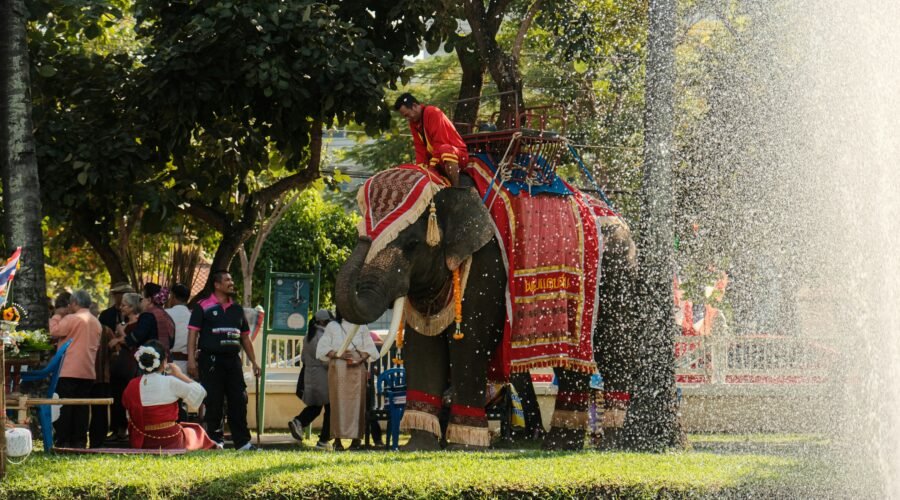
Choosing the best time to visit Chiang Mai is mostly about balancing comfortable weather, air quality, crowds, festivals, and price. For most travelers, November through January is the safest all-around choice. February can still have pleasant weather, but haze can begin building in some years. The green season from roughly mid-May through October is wetter but quieter, greener, and often better value.
Quick Answer
The best time to visit Chiang Mai is generally November through January for cooler, drier weather and comfortable outdoor sightseeing. February can also be pleasant, but seasonal haze may begin. For fewer crowds and greener scenery, consider May through October, while checking the forecast before mountain and outdoor trips.
Key Takeaways
- Best overall weather: November through January usually offers the most comfortable combination of lower humidity, limited rain, and cooler mornings and evenings.
- Air-quality caution: Haze and PM2.5 can become a serious concern from late winter into the hot season, especially around March and April.
- Best for green scenery: The rainy or “green” season, roughly mid-May through October, brings lush mountains, fuller waterfalls, and fewer visitors.
- Festival travelers: Yi Peng/Loi Krathong is associated with November, while Songkran celebrations take place in mid-April. Exact annual event dates and venues should be checked before booking.
- Best value: Accommodation deals are often easier to find outside the cool-season peak, but flight prices vary by route, holiday dates, and how early you book.
Chiang Mai Weather by Season
Chiang Mai has three broad seasonal patterns rather than four sharply separated seasons. Official Thai guidance generally places the hot season from around mid-February to mid-May, the rainy season from around mid-May to mid-October, and the cooler season from around mid-October to mid-February. The boundaries vary from year to year, so treat them as planning ranges rather than fixed dates. You can review the Thai government’s overview of Thailand’s seasons for additional context.
The Cool Season: Roughly November to February
This is the most popular period for Chiang Mai because humidity is generally lower, rain is less frequent, and mornings and evenings are more comfortable than during the hot season. November, December, and January are especially attractive for temple visits, Old City walks, markets, cycling, and mountain day trips.
- Temperature: Expect warm afternoons with noticeably cooler mornings and evenings. A light layer can be useful in December and January.
- Mountains: Doi Inthanon, Doi Ang Khang, and other high-elevation areas can feel much colder than central Chiang Mai, particularly around sunrise.
- Rainfall: This is generally the driest part of the year, although dry season does not mean rain is impossible.
- Humidity: Usually lower than during the rainy season, which makes walking and outdoor sightseeing more comfortable.
- Best for: Temples, hiking, mountain viewpoints, markets, photography, and travelers who dislike intense heat.
The Tourism Authority of Thailand describes November as part of the cool season and highlights Chiang Mai’s Yi Peng celebrations during the month. See the official Thailand in November guidance.
Note: February is a transition month. The weather may still feel pleasant, but haze can start developing before March in some years. If clean mountain views and strenuous outdoor activities are important to you, November through January is the more dependable target.
The Hot and Hazy Season: Roughly Mid-February to Mid-May
Temperatures climb rapidly during this part of the year, with April normally among the hottest periods. Daytime sightseeing can become tiring, especially on exposed streets and temple grounds.
- Temperature: Hot-season afternoons commonly reach the mid-to-high 30s Celsius, and periods of more extreme heat are possible.
- Rain: Early hot season is usually fairly dry, with thunderstorms becoming more likely as the rainy-season transition approaches.
- Humidity: Heat and humidity become more noticeable as May approaches.
- Songkran: Mid-April brings Thai New Year celebrations and widespread water festivities, so the city can become much busier even though this is not the main cool-season tourist period.
Warning: Seasonal smoke and PM2.5 are major trip-planning factors in northern Thailand. Conditions vary every year, but serious pollution can occur in March and April and may begin earlier. Chiang Mai’s Pollution Control Office issued repeated health-impacting PM2.5 alerts during spring 2026. Check current conditions through the official Air4Thai service before planning long hikes, cycling, or other strenuous outdoor activities.
It is too simple to describe Chiang Mai’s haze as coming from one source. Regional open burning, wildland and forest fires, weather patterns, and other emissions can contribute to PM2.5 accumulation. Chiang Mai authorities established a January 1–May 31 no-burning period for 2026 as part of wider wildfire and PM2.5 controls. You can see the official announcement from the Environmental and Pollution Control Office 1 (Chiang Mai).
If low prices are your main priority, you may find attractive accommodation offers during parts of the hot season. However, the trade-off is significant: high daytime heat and potentially poor air quality can reduce the value of a bargain if most of your itinerary is outdoors.
The Rainy or Green Season: Roughly Mid-May to October
The green season should not automatically be ruled out. Northern Thailand becomes lush and photogenic, rice fields turn green, and waterfalls can be more impressive. Official Thai seasonal guidance places the rainy season from roughly mid-May to mid-October, although the exact start and finish vary.
- Temperature: Days remain warm, but cloud cover and rain can reduce the intensity of the heat.
- Rainfall: Showers and thunderstorms become more frequent. Some are brief, while other weather systems can bring prolonged rain.
- Humidity: High humidity is normal.
- Landscape: Forests, rice fields, mountain valleys, and waterfalls are at their greenest.
- Crowds: Many periods are quieter than the cool-season peak.
- Value: Hotels frequently promote green-season offers, although prices still depend on the property, weekends, events, and holidays.
Note: Do not build a rainy-season itinerary around the assumption that every shower lasts only an hour. Heavy rain can occasionally affect roads, trails, and day trips. Check the forecast before heading into mountain areas and keep at least some outdoor plans flexible.
The Thai government has promoted Chiang Mai and other northern destinations for green-season nature travel, when forests and agricultural landscapes are especially lush. For another destination-by-destination comparison of weather, crowds, and costs, you can also see this guide to the best time to visit Fort Wayne.
When Is Chiang Mai Most Crowded?
Visitor numbers do not fit perfectly into simple “high,” “shoulder,” and “low” boxes. Weather influences demand, but festivals, Thai public holidays, international holidays, and individual events can temporarily change the picture.
November to January: The Main Peak
This is usually the busiest stretch because the weather is favorable for sightseeing and northern Thailand is particularly popular during the cooler months.
- What to expect: More visitors at Wat Phra That Doi Suthep, major markets, mountain attractions, and popular day tours.
- Accommodation: Well-reviewed hotels and boutique stays can sell out earlier, particularly around festivals and year-end holidays.
- Restaurants and markets: Popular areas such as the Sunday Walking Street can feel noticeably busier.
- How to reduce the impact: Visit major temples early, schedule mountain trips on weekdays when possible, and reserve must-do activities before arrival.
February to April: Fewer Tourists, but Important Exceptions
Visitor pressure often eases as temperatures rise and air-quality concerns increase. However, you should not treat the whole period as quiet.
- February: Still attractive for cooler-season travel, with the Chiang Mai Flower Festival adding local demand when it is held.
- March: Often quieter for leisure tourism, but haze can be a significant reason for the drop.
- April: Songkran creates a major temporary surge in activity, particularly around the Old City and moat.
May to October: Generally Quieter Green-Season Travel
Many travelers who prioritize dry weather stay away during the wetter months, which can make sightseeing feel more relaxed.
- What to expect: Easier restaurant reservations, more hotel choice, and fewer people at many attractions.
- Best for: Travelers who value greenery, slower travel, photography, cafés, food experiences, and flexible day trips.
- Trade-off: Heavy rain can occasionally disrupt hiking and road-based excursions.
Pro Tip: If you want cool-season weather without committing to the Christmas/New Year peak, compare dates in November and the first part of February. If you are considering February, check recent and current PM2.5 conditions before making an outdoor-heavy itinerary non-refundable.
Chiang Mai Costs by Season

Chiang Mai can suit a wide range of budgets, but accommodation demand changes noticeably through the year. Airfare is less predictable because your origin, airline schedules, public holidays, booking date, and promotions can matter as much as the season.
Cool-Season Costs: November to February
This is the period when you are most likely to encounter stronger accommodation demand.
- Flights: Compare fares early for November through January and around major holiday dates rather than assuming prices will fall later.
- Accommodation: Popular hotels, guesthouses, and boutique properties can become more expensive or simply have fewer rooms available.
- Tours: Standard tour prices may not change dramatically, but popular departures can sell out sooner.
- Daily expenses: Local food, cafés, taxis, ride-hailing, and shopping do not follow a single seasonal pricing rule in the same way hotels do.
- Best approach: Lock in accommodation early if you are traveling around Yi Peng/Loi Krathong, Christmas, New Year, or another major event.
Transition and Green-Season Costs: May to October
These months frequently offer stronger accommodation value because visitor demand is lower. Thailand’s official 2026 green-season tourism campaign specifically highlighted fewer crowds and attractive travel offers.
- Accommodation: Promotional rates and wider room availability are often easier to find.
- Flights: You may find good fares, but there is no guaranteed “cheapest month” for every route.
- Tours: Availability is often good, although weather can affect outdoor schedules.
- Best approach: Compare several dates and choose flexible or refundable bookings if your plans rely on mountain weather.
March and April Costs
These months are harder to classify. Heat and haze may reduce ordinary leisure demand, but Songkran can sharply increase accommodation demand for several days in April.
- Outside major events: Hotel deals can be easier to find than during December or January.
- During Songkran: Expect stronger demand in popular central locations.
- Value question: A low room rate may not be good value if smoke or extreme heat prevents you from doing the outdoor activities that brought you to Chiang Mai.
Special Events and Festivals

Festivals can be one of the best reasons to choose a specific month, but they can also override the normal crowd and accommodation pattern. Always confirm the current year’s official dates before buying non-refundable flights or hotels.
Loi Krathong and Yi Peng: Usually November
Chiang Mai is especially famous for Yi Peng, the northern Lanna lantern tradition associated with the Loi Krathong period. The celebration falls around the full moon and is generally held in November, but the exact dates change.
- Loi Krathong: Decorative krathongs are floated on waterways as part of the traditional celebration.
- Yi Peng: Lanna traditions include lanterns and illuminated temple areas.
- Planning impact: Central accommodation and popular organized events can fill much earlier than on ordinary November dates.
- Booking advice: Reserve must-have accommodation and ticketed events as early as practical once official dates are confirmed.
The Tourism Authority of Thailand identifies Chiang Mai’s Yi Peng as one of the country’s major November Loi Krathong celebrations. See its official November travel information.
Songkran: Mid-April
Songkran marks the Thai New Year and combines traditional observances with famous public water celebrations. Chiang Mai is one of Thailand’s best-known places to experience it.
- What to expect: Large crowds, extensive water activity, traffic changes, and busy streets around popular celebration zones.
- Weather: April is very hot, so the water festivities can feel refreshing.
- Air quality: Songkran overlaps the period when northern Thailand can still experience seasonal PM2.5 problems.
- Dates: Core Thai New Year celebrations are centered on mid-April, but specific Chiang Mai programs can start earlier or run on slightly different dates.
For example, TAT listed the Chiang Mai Water Festival 2026 for April 11–13. Future travelers should check the equivalent official calendar for their year.
Chiang Mai Flower Festival and Other Events
Chiang Mai hosts many cultural, religious, sporting, and community events throughout the year.
- Chiang Mai Flower Festival: Generally held in February, with floral displays, landscaped exhibits, cultural activities, and a parade. Do not assume it is always the first weekend; the official 2026 festival ran February 13–15.
- Buddhist holidays: Temple activities and ceremonies can give visitors a deeper look at local religious culture, although respectful dress and behavior are especially important.
- Other events: Calendars change annually, so check official tourism listings shortly before your trip.
You can verify changing event schedules through the Tourism Authority of Thailand. For another example of comparing weather and visitor patterns in a different destination, see this guide to visiting Chicago by weather, crowds, and costs.
Chiang Mai Month-by-Month Guide
| Month | Typical Conditions | Crowd Tendency | Best For / Main Trade-off |
|---|---|---|---|
| January | Cooler, dry, comfortable | High | Excellent for outdoor sightseeing and mountain trips; book popular stays early. |
| February | Warm and mostly dry; haze risk can begin | Moderate to high | Good weather and Flower Festival possibilities; check PM2.5. |
| March | Hot, dry, potentially smoky | Usually lower | Possible hotel value, but air quality can seriously limit outdoor plans. |
| April | Very hot; haze may persist | Variable; high around Songkran | Best for Songkran; harder for heat-sensitive travelers. |
| May | Hot, humid, increasing rain | Lower | Transition-month value and improving greenery. |
| June | Warm, humid, rainy | Lower | Green scenery and generally relaxed sightseeing. |
| July | Warm with frequent rain | Lower | Lush landscapes; keep mountain plans weather-flexible. |
| August | Rainy and very green | Lower | Waterfalls and greenery; rain can affect roads and trails. |
| September | Wet and humid | Lower | Strong green-season scenery; build flexibility into outdoor plans. |
| October | Rain gradually easing; temperatures moderating | Moderate | Useful transition month before peak season. |
| November | Cooler and drier | High around major events | One of the best overall months; Yi Peng/Loi Krathong can increase demand. |
| December | Cooler, dry, comfortable | High | Excellent weather; year-end holidays increase demand. |
Choosing the Best Time for Your Trip
If Comfortable Weather Is Your Priority
Aim for November through January. These months usually offer the strongest combination of comfortable temperatures, lower humidity, limited rain, and good conditions for exploring temples and the surrounding mountains.
If Clean Air Is Especially Important
Favor November through January and treat February cautiously. Smoke-season timing varies, so no calendar date guarantees perfect air. Check current and recent PM2.5 readings before booking an outdoor-intensive trip near the late-winter transition.
If You Want Fewer Crowds
Consider May through October. Visitor levels are generally lower, and the green landscape can be beautiful. The main compromise is rain and the possibility of weather-related disruption.
March can also feel quiet, but poor air quality may be the reason. April is not reliably quiet because Songkran can transform central Chiang Mai into one of the busiest celebration zones in Thailand.
If Budget Travel Is Your Priority
Compare dates from May through October first. Green-season accommodation promotions and wider room availability are common. March can also have attractive room rates, but haze makes it a poor-value choice for some travelers.
Do not assume a particular month will automatically produce the cheapest airfare. Search your actual route across several nearby dates, then compare the savings with the seasonal trade-offs.
If Festivals Are Your Priority
- November: Yi Peng and Loi Krathong are the headline attractions. Confirm the year’s official dates before booking.
- April: Songkran offers an unforgettable city-wide celebration but comes with intense heat and possible haze.
- February: The Chiang Mai Flower Festival adds another reason to visit, but its exact dates change from year to year.
If Waterfalls and Green Scenery Are Your Priority
Look at June through September. The landscape is at its greenest, rice-growing areas become especially photogenic, and waterfalls receive more water. Bring suitable footwear and keep mountain itineraries flexible when heavy rain is forecast.
Best Overall Recommendation
If your dates are flexible, November through January is the strongest overall window. November offers cooler weather and lush post-monsoon scenery, while December and January are excellent for outdoor exploration. Early February can still work well, but air-quality conditions deserve closer attention as the dry season progresses.
For Chiang Mai, the biggest timing trade-off is not simply rain versus sunshine. Comfortable weather, seasonal smoke, festival crowds, and green-season scenery can make two trips only a few weeks apart feel completely different.
Frequently Asked Questions
What is the best time to visit Chiang Mai for good weather?
November through January is generally the best window for comfortable weather. Rain is limited, humidity is lower, and mornings and evenings are cooler. February can also be pleasant, but seasonal haze may begin developing in some years.
When is peak tourist season in Chiang Mai?
The main peak generally runs from November through January, with additional crowd spikes around Yi Peng/Loi Krathong, Christmas, New Year, and other major events. February can remain busy when weather conditions are favorable.
When is Chiang Mai’s burning or smoke season?
The highest haze risk is generally from late winter through the hot season, especially March and April, although poor air can begin earlier or end later depending on weather and fire conditions. Check official Air4Thai PM2.5 readings before outdoor-heavy travel.
What is the best time to visit Chiang Mai to avoid crowds?
May through October is generally quieter than the cool-season peak. You will trade lower visitor numbers for higher humidity and more rain, but the countryside is greener and accommodation availability is usually better.
Is Chiang Mai worth visiting during the rainy season?
Yes. The green season can be excellent for lush landscapes, waterfalls, rice fields, photography, and a quieter atmosphere. However, rain can occasionally be heavy enough to affect trails, roads, and mountain day trips, so flexible planning helps.
When is Chiang Mai cheapest to visit?
Accommodation often offers better value during the green season from roughly May through October. However, there is no guaranteed cheapest month for flights because fares depend on your route, booking date, airline capacity, holidays, and promotions.
Is April a good time to visit Chiang Mai?
April is best for travelers who specifically want Songkran. It is one of the hottest times of the year, and seasonal PM2.5 may still be a concern. Central Chiang Mai can also become very crowded during the water-festival period.
Sources
- Thailand Government — The Seasons of Thailand — official seasonal boundaries and general hot/rainy/cool season guidance.
- Tourism Authority of Thailand — Thailand in November — cool-season travel and Loi Krathong/Yi Peng context.
- Environmental and Pollution Control Office 1 (Chiang Mai) — 2026 no-burning period and PM2.5/wildfire-control measures.
- Tourism Authority of Thailand — Songkran Festival 2026 — official Chiang Mai and nationwide Songkran scheduling context.
- Tourism Authority of Thailand — February 2026 Festivals and Events — official Chiang Mai Flower Festival 2026 dates.
- Government Public Relations Department — Thailand Green Season 2026 — green-season scenery, fewer crowds, and travel-offer context.