

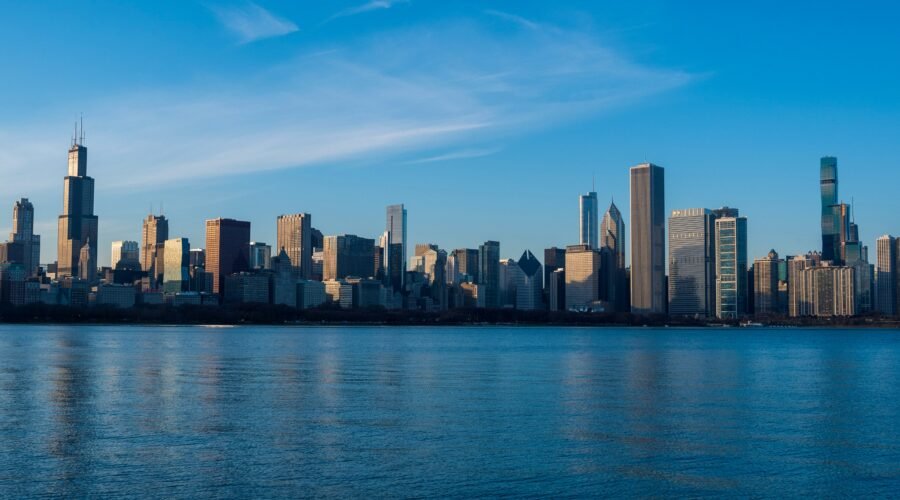
So, you’re thinking about a trip to Chicago? Great choice! It’s a city with tons to offer, from world-class museums and stunning architecture to delicious deep-dish pizza. But before you pack your bags, you’re probably wondering about the practical stuff: what’s the weather going to be like? When should you go to avoid the biggest crowds? And how much is this whole adventure going to set you back? Let’s break it down.
Chicago’s weather isn’t for the faint of heart, but truthfully, each season has its own charm. Understanding what to expect will help you pack right and plan accordingly.
Spring (March – May): A Gradual Thaw and Blooming Beauty
Spring in Chicago is a real rebirth. You’ll start seeing green pop up, and people shed their heavy winter layers, looking a bit like they’re emerging from hibernation.
- March: Still pretty darn cold. Think winter coat weather. Snow is still possible, and the wind is a constant companion. It’s the tail end of the “deep winter” feeling.
- April: Things start to warm up, but it’s inconsistent. You might get a surprisingly pleasant day, then a week of chilly, spitting rain. Layers are your best friend. Parks begin to show signs of life.
- May: This is when Chicago really starts to shine. Temperatures are generally in the 60s and 70s Fahrenheit (15-25 Celsius), and the city is bursting with flowers. It’s a fantastic time for walking around and enjoying outdoor activities before the summer heat kicks in.
Summer (June – August): Warm, Humid, and Buzzing with Activity
Summer is peak Chicago. It’s vibrant, energetic, and the city really comes alive outdoors. Just be prepared for the heat and humidity.
- June: Kicks off summer with pleasant warmth, usually in the 70s and 80s Fahrenheit (20-30 Celsius). The lakefront is buzzing, and there are tons of festivals and outdoor events.
- July & August: These are typically the hottest and most humid months. Think consistent 80s and 90s Fahrenheit (25-35 Celsius), with humidity making it feel even warmer. Hydration is key, and air-conditioned indoor attractions are a welcome escape. The lake breeze can offer some relief, but it’s not always enough.
Fall (September – November): Crisp Air and Stunning Foliage
Many argue that fall is the absolute best time to visit Chicago. The oppressive humidity of summer is gone, replaced by crisp, cool air.
- September: Often feels like an extended summer day, but with far less humidity. Temperatures are generally in the 70s Fahrenheit (20s Celsius) and the city is absolutely gorgeous as the leaves begin to change.
- October: Crisp and cool. Expect daytime temperatures in the 50s and 60s Fahrenheit (10-20 Celsius). The fall colors are usually at their peak, making for spectacular views, especially in the parks. Evenings can get chilly, so pack accordingly.
- November: Winter is definitely on its way. Temperatures drop significantly, often in the 30s and 40s Fahrenheit (0-10 Celsius). You’ll need a warm coat, hat, and gloves. The holiday decorations start to go up towards the end of the month, adding a festive touch.
Winter (December – February): The Windy City Lives Up to Its Name
Winter in Chicago is no joke. It’s cold, snowy, and windy. But if you can embrace the chill, there’s a cozy, festive charm to the city.
- December: Cold, with temperatures often below freezing. Snow is common, and the wind chill can make it feel much colder. The city is beautifully decorated for the holidays, and there are plenty of indoor activities to keep you warm.
- January & February: These are the coldest months. Expect temperatures consistently in the teens and 20s Fahrenheit (-10 to -5 Celsius), with frequent snow and brutal winds. The lakefront can be stark and dramatic. Many outdoor activities shut down, but it’s a great time for museums, theatre, and enjoying hearty meals.
If you’re planning a trip to Chicago, Illinois, you might also find our article on the best travel tips for exploring the Windy City helpful. It covers essential information about local attractions, dining options, and transportation, ensuring you make the most of your visit. For more insights, check out our about us page at Lele Tours.
2. Navigating Chicago’s Crowds: When to Go for Peace (or Buzz)
Chicago is a major metropolis, and it attracts a lot of people. Knowing the peak times can help you decide when to visit to align with your preference for buzzing energy or a more relaxed pace.
Peak Tourist Season: Summer and Major Holidays
This is when you’ll find the longest lines at major attractions, the busiest restaurants, and the most vibrant street scenes.
- June to August: Summer is undeniably the most crowded. Everyone wants to enjoy the lakefront, outdoor festivals, and the general aliveness of the city. Expect higher prices for accommodation and flights during this period.
- Late November to December (Holiday Season): While it’s cold, the city transforms into a winter wonderland. Magnificent Mile lights, Christmas markets, and holiday events draw significant crowds. Many people are visiting friends and family as well.
- Major Holiday Weekends: Think Memorial Day, July 4th, Labor Day, Thanksgiving, and New Year’s. These weekends will always see a spike in visitors.
Shoulder Seasons: The Sweet Spot for Many
These periods offer a good balance: manageable crowds, pleasant weather, and often better deals on travel and accommodation.
- May: As mentioned, May is beautiful and before the full summer rush. You can still enjoy perfect weather with fewer people than in June.
- September: The weather in September is often ideal, and the massive summer crowds have largely dispersed. It’s a fantastic time for exploring without feeling overwhelmed.
- October: Still beautiful with fall colors, and the crowds are noticeably thinner than in September. You might encounter some school groups or fall break visitors, but it’s generally much more relaxed.
Off-Season: For the Cold-Weather Adventurer or Budget Traveler
If you don’t mind the cold or are looking for the absolute lowest prices and fewest people, winter has its advantages.
- January to March: Unless there’s a major event or convention, these months are generally the least crowded. You can often find great deals on flights and hotels. The city has a unique, quieter charm in the winter.
- Early November: Before the full holiday season kicks in, November can be a quieter month, especially the first half.
3. Chicago’s Costs: Budgeting for Your Trip

Chicago can be as budget-friendly or as luxurious as you want it to be. Here’s a breakdown of where your money will likely go.
Accommodation: From Hostels to High-End Hotels
Prices vary wildly depending on location, time of year, and the type of accommodation.
- Budget: Hostels are available and offer the cheapest beds. Look for options slightly outside the immediate downtown core if you need to save even more, but factor in transit costs. Expect to pay around $40-$80 per night for a dorm bed.
- Mid-Range: Chain hotels and boutique hotels in neighborhoods like Lincoln Park, Wicker Park, or the West Loop can offer good value. Prices can range from $150-$250 per night, especially outside of peak season. Airbnb can also be a good option.
- Luxury: Downtown hotels, especially those with lake views or in prime Loop locations, will be the most expensive. Expect to pay $300-$600+ per night. During major conventions or holidays, these prices can skyrocket.
Transportation: Getting Around the City
Chicago has a great public transit system, which can save you a lot of money compared to relying on taxis or ride-shares.
- CTA (Chicago Transit Authority): This includes the “L” trains and buses. A single ride is under $3. If you plan on using public transit frequently, consider a Ventra card with a day pass (around $10 for 24 hours) or a multi-day pass. This is your most economical bet for getting around.
- Taxis and Ride-Shares (Uber/Lyft): Convenient but will add up quickly. A ride from O’Hare Airport to downtown could easily cost $40-$60. Shorter rides within the city typically start at $10-$15.
- Walking: Many of Chicago’s attractions are walkable, especially within the downtown Loop and Magnificent Mile areas. Wear comfortable shoes!
- Divvy Bikes: Chicago’s bike-share program is great for exploring the lakefront and neighborhoods on nicer days. Passes are available for single rides or 24-hour periods.
Food: From Street Food to Michelin Stars
Chicago is a foodie paradise, and your dining budget can reflect that.
- Cheap Eats: You can find delicious and affordable meals. Think hot dog stands, pizza joints (outside of the famous deep-dish spots), ethnic eateries in neighborhoods like Argyle Street (Asian) or Pilsen (Mexican), and food trucks. You can eat very well for $15-$25 per day.
- Mid-Range Dining: Chicago boasts an incredible variety of restaurants serving everything from classic American to diverse international cuisines. Expect to spend $30-$60 per person for a good entree and a drink at a solid, popular restaurant.
- Fine Dining: Chicago has a thriving fine-dining scene with numerous Michelin-starred restaurants. A tasting menu at one of these can run anywhere from $150 to $300+ per person, before drinks.
Attractions and Activities: Free to Fancy
There’s a mix of free and paid attractions.
- Free Activities: Many of Chicago’s best experiences are free! Walking along the lakefront, exploring Millennium Park (home of “The Bean”), visiting the Cultural Center, and window shopping on Michigan Avenue cost nothing. Many museum days offer free admission on certain dates for Illinois residents, but check specific policies for visitors.
- Museums and Attractions: Expect to pay admission fees for museums like the Art Institute of Chicago, Field Museum, Shedd Aquarium, and Museum of Science and Industry. These typically range from $20-$40 per person, per museum. Consider purchasing a CityPASS if you plan on visiting several major paid attractions, as it can offer significant savings.
- Tours: Architectural boat tours, walking tours, and neighborhood tours are popular. Prices can range from $30-$70 depending on the tour length and focus.
4. Packing for Chicago: Dressing for the Elements

Chicago weather can be unpredictable, so smart packing is key to enjoying your trip.
Spring Essentials: Layers are Your Best Friend
- Outerwear: A medium-weight, water-resistant jacket is crucial. Think a trench coat or a stylish waterproof parka. A lighter, packable puffer jacket can also be useful for colder days.
- Layers: Pack sweaters, long-sleeved shirts, and t-shirts that you can layer. Thermal base layers are a good idea for March and early April.
- Bottoms: Jeans and comfortable pants are fine. Consider water-resistant trousers if you’re here early in spring.
- Footwear: Waterproof, comfortable walking shoes or boots are a must. You’ll be doing a lot of walking, and you don’t want wet feet.
- Accessories: A scarf, hat, and gloves are essential for those windy days and cooler evenings.
Summer Packing: Light and Light-
- Clothing: Light, breathable fabrics like cotton and linen are best. T-shirts, shorts, sundresses, and lightweight pants are all suitable.
- Outerwear: You might only need a light jacket or cardigan for cooler evenings or air-conditioned interiors.
- Footwear: Comfortable walking shoes are still paramount. Sandals are fine for warmer days, but bring at least one pair of closed-toe shoes for exploring.
- Sun Protection: Sunscreen, sunglasses, and a hat are non-negotiable, especially if you plan to spend time outdoors.
- Umbrella: Summer can bring sudden thunderstorms, so a compact umbrella is a wise addition.
Fall Gear: Embracing the Crispness
- Outerwear: A warmer jacket is needed, like a wool coat or a heavier puffer jacket. Consider one that’s windproof since Chicago can still be breezy.
- Layers: Similar to spring, layering is key. Sweaters, long-sleeved shirts, and maybe even a fleece.
- Bottoms: Jeans, cords, or more substantial pants.
- Footwear: Closed-toe walking shoes or boots are essential. Make sure they can handle some dampness if it rains.
- Accessories: A warm scarf, hat, and gloves will be frequently used, especially as you get into October and November.
Winter Survival Kit: Prepare for the Cold
| Month | Weather | Crowds | Costs |
|---|---|---|---|
| June | Warm, sunny, occasional rain | High | High |
| July | Hot, humid, occasional thunderstorms | High | High |
| August | Hot, humid, occasional thunderstorms | High | High |
| September | Mild, decreasing humidity | Medium | Medium |
| October | Cool, crisp, occasional rain | Low | Low |
- Heavy Winter Coat: This is non-negotiable. We’re talking a warm, insulated, windproof, and waterproof coat. A parka is ideal.
- Warm Layers: Thermal underwear, fleece, and wool sweaters are your best bet for staying warm.
- Bottoms: Insulated pants or snow pants are recommended if you plan on spending significant time outdoors. Otherwise, thick leggings or thermal-lined pants under your regular pants can work.
- Footwear: Waterproof, insulated boots with good traction are a must. You’ll be walking on snow and ice.
- Accessories: A warm hat that covers your ears, thick gloves or mittens, and a scarf or neck gaiter to protect your face from the wind are essential. Hand and foot warmers can be a lifesaver.
If you’re planning a trip to Chicago, understanding the best time to visit can greatly enhance your experience. Factors such as weather, crowds, and costs play a significant role in determining when to go. For more insights on travel planning, you might find this related article on travel tips particularly helpful, as it offers valuable information that complements your research on Chicago’s seasonal attractions and events.
5. Getting To and From Chicago’s Airports
Chicago is served by two major airports: O’Hare International Airport (ORD) and Midway International Airport (MDW). Both are well-connected to the city center.
O’Hare International Airport (ORD): The Major Hub
ORD is one of the busiest airports in the world, so be prepared for its scale.
- CTA Blue Line: This is your most budget-friendly and often fastest way to get downtown from ORD. The Blue Line station is located directly in the airport. It takes about 45-55 minutes to reach the Loop and costs around $5. runs 24/7.
- Taxis and Ride-Shares: Readily available. Expect a trip to downtown to take 30-60 minutes depending on traffic and cost around $40-$60.
- Airport Shuttles: Several shared-ride shuttle services operate from O’Hare, offering a middle ground between public transit and a private taxi. Prices vary but are often around $30-$40 per person.
- Rental Cars: If you plan on extensive day trips outside the city, a rental car might be beneficial. However, parking in downtown Chicago is notoriously expensive and difficult.
Midway International Airport (MDW): More Manageable
MDW is smaller than O’Hare but still a major hub, especially for Southwest Airlines.
- CTA Orange Line: This train is your best option from Midway. The station is connected to the airport. It takes about 25-30 minutes to get to the Loop and costs around $2.50. It also runs 24/7.
- Taxis and Ride-Shares: Also readily available. Trips to downtown are generally quicker than from O’Hare, around 20-40 minutes depending on traffic, and will cost around $30-$50.
- Airport Shuttles: Similar to O’Hare, shared-ride shuttles are an option.
- Rental Cars: Available, but the same caution about parking in the city applies.
If you’re planning a trip to Chicago, understanding the best time to visit can greatly enhance your experience. Factors such as weather, crowds, and costs play a significant role in your travel plans. For more insights on how to make the most of your visit, you might find this related article on travel tips particularly helpful. It offers valuable information that complements your research on Chicago’s seasonal attractions and events.
6. Smart Tips for a Smoother Chicago Visit
Beyond the basics, a few insider tips can make your Chicago trip even better.
Embrace Public Transit
Seriously, the CTA is excellent. Driving and parking in the city can be a nightmare. Get a Ventra card or use your contactless credit/debit card to tap and go on trains and buses. It’s efficient and exposes you to more of the city.
Leverage Free Activities
Chicago excels at offering world-class experiences without a price tag. Millennium Park, the Riverwalk, Navy Pier (walking around, not necessarily paid attractions), and exploring neighborhoods like Lincoln Park or Old Town are all fantastic, free ways to spend your time. Don’t underestimate just strolling and taking in the architecture.
Plan for the Wind
That nickname “Windy City” isn’t just a cute marketing slogan. The wind, especially coming off Lake Michigan, can make even a mild temperature feel much colder. Always have a light windbreaker or an extra layer handy, no matter the season.
Consider a CityPASS (or Similar)
If you know you want to hit the big attractions like the Art Institute, Field Museum, Shedd Aquarium, and Willis Tower Skydeck, a Chicago CityPASS can offer substantial savings compared to buying individual tickets. Do the math based on your planned itinerary.
Book in Advance for Popular Attractions
For shows at the historic theaters, popular architectural boat tours, or special exhibits, booking tickets online in advance is often wise. This saves you time waiting in line and guarantees you a spot, especially during peak season or on weekends.
Explore Beyond Downtown
While the Loop, Magnificent Mile, and Millennium Park are must-sees, Chicago is a city of diverse and vibrant neighborhoods. Consider venturing out to the West Loop for its trendy restaurants, Wicker Park/Bucktown for its boutiques and street art, or Lincoln Park for its zoo and charming streets. Public transit makes this easy.
Stay Hydrated and Rested
Chicago is a walkable city, and you’ll be doing a lot of exploring. Drink plenty of water, especially in summer, and make sure you get enough rest so you can make the most of your days.
Chicago is a fantastic city, and by understanding its weather patterns, crowd flows, and general cost of things, you can plan a trip that suits your style and budget perfectly. Enjoy your visit!
FAQs
1. What is the best time to visit Chicago, Illinois for favorable weather?
The best time to visit Chicago for favorable weather is during the summer months, from June to August, when the temperatures are warm and the city experiences less rainfall.
2. When is the peak tourist season in Chicago, Illinois?
The peak tourist season in Chicago is during the summer months, from June to August, when the city experiences an influx of visitors and higher hotel rates.
3. What is the off-peak season in Chicago, Illinois?
The off-peak season in Chicago is during the winter months, from December to February, when the temperatures are cold and the city experiences fewer tourists.
4. When can visitors expect lower costs for accommodations and attractions in Chicago, Illinois?
Visitors can expect lower costs for accommodations and attractions in Chicago during the off-peak season, particularly during the winter months from December to February.
5. What are the shoulder seasons in Chicago, Illinois?
The shoulder seasons in Chicago are during the spring (March to May) and fall (September to November) when the weather is mild, and there are fewer crowds, making it a good time to visit for those looking to avoid peak tourist season.


[…] crowds, and costs associated with visiting the city throughout the year. You can read it here: The Ultimate Guide to Visiting Chicago: Weather, Crowds, and Costs. This comparison can provide valuable insights for your travel planning, whether you’re […]