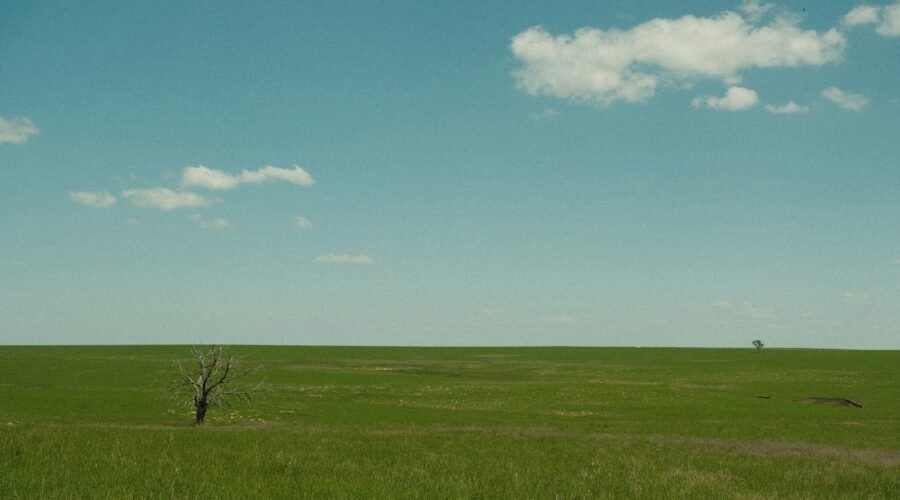
Planning a trip to Kansas requires timing your visit around the state’s distinct midwestern seasons, where weather shifts from blooming prairie springs to sun-drenched summer plains and crisp autumn harvest days. Whether you are coming to witness the rolling vistas of the Flint Hills, explore pioneer history, or attend world-class cultural festivals, choosing the right month will ensure a comfortable and rewarding itinerary.
Quick Answer
The best time to visit Kansas is during late spring (late April through May) and early autumn (September through October). These shoulder months deliver comfortable daytime temperatures between 65°F and 78°F, lower humidity, vibrant landscapes, and a packed calendar of local fairs without peak summer heat or winter freezes.
Key Takeaways
- Prime Weather: Late April–May and September–October provide the most comfortable climate for outdoor exploration and hiking.
- Peak Tourism & Family Season: June through August features bustling water sports, county fairs, and lake recreation, accompanied by 90°F+ temperatures.
- Budget & Solitude: November through March offers the lowest lodging rates and quietest museums, ideal for cultural travelers who do not mind cold weather.
- Severe Weather Awareness: Spring brings occasional severe thunderstorms and tornadoes; staying weather-aware is essential for spring road trips.
1. Spring Awakening: Mild Weather and Prairie Blooms (April to May)
Spring in Kansas marks a dramatic transition as the tallgrass prairies shake off the winter frost. For travelers seeking agreeable temperatures and scenic open roads, late spring is one of the premier windows to experience the state.
1.1. Delightful Temperatures
April and May deliver mild daytime highs averaging between 65°F and 75°F (18°C to 24°C), with evenings cooling down into the 40s and 50s Fahrenheit. This moderate climate creates ideal conditions for exploring historic trails, walking through botanical gardens like Botanica in Wichita, and hiking the rocky outcroppings of the Smoky Hills without oppressive heat.
1.2. The Land Awakens and Prairie Burning Season
Kansas landscapes become exceptionally vivid in the spring. Wildflowers dot the pastures, and the native bluestem grass carpets the Flint Hills in brilliant emerald green. Early spring (late March to mid-April) is also the historic rangeland burning season, where ranchers safely burn pastures to rejuvenate the ecosystem—a striking spectacle that attracts photographers from across the country.
Pro Tip: Visit the Tallgrass Prairie National Preserve near Strong City during mid-to-late May. The hiking trails offer sweeping panoramic views of the revitalized prairie hills and grazing bison herds without summer biting insects.
1.3. Fewer Crowds, More Serenity
Before schools let out for the summer recess in late May, Kansas state parks, national historic sites, and metropolitan museums experience light-to-moderate foot traffic. You can explore iconic destinations like the Brown v. Board of Education National Historical Park in Topeka or the Fort Larned National Historic Site with minimal wait times and uncrowded photo spots.
1.4. Weather Precautions: Thunderstorms and Tornadoes
Spring is the primary severe weather season across the Central Plains. Warm, moist air from the Gulf of Mexico collides with cooler northern air masses, producing thunderstorms, hail, and occasional tornadoes, particularly from late April through early June.
Warning: Always monitor real-time forecasts through the National Weather Service when driving across Kansas in the spring. Ensure your smartphone has wireless emergency alerts enabled, and know your lodging’s designated shelter area.
2. Autumn’s Embrace: Crisp Air and Golden Hues (September to October)
Autumn is arguably the most dependable season for travel in Kansas, characterized by stable weather patterns, minimal rainfall, and crisp, energizing breezes.
2.1. Crisp, Invigorating Weather
September maintains comfortable daytime temperatures in the upper 70s and low 80s Fahrenheit, while October cools to highs in the 60s Fahrenheit with brisk, clear nights in the 40s. The oppressive summer humidity dissipates, providing premier conditions for cycling the Flint Hills Nature Trail or navigating agricultural corn mazes.
2.2. A Canvas of Fall Colors
While Kansas is dominated by prairie, its river valleys, municipal parks, and eastern woodlands transform during October. Cottonwoods along the Arkansas and Missouri Rivers turn a luminous gold, while red oaks and sugar maples provide vivid crimson contrasts throughout eastern towns like Atchison, Lawrence, and Baldwin City.
2.3. Peak Festival Season
Autumn serves as the premier festival window across the Sunflower State. Major agricultural, culinary, and arts celebrations draw visitors from across the Midwest, including:
- The Kansas State Fair (Hutchinson): Held every September, showcasing 10 days of agricultural exhibits, concerts, carnival midways, and iconic fair food.
- Svensk Hyllningsfest (Lindsborg): A biennial October celebration of Swedish heritage featuring folk dancing, smörgåsbords, and traditional crafts in “Little Sweden USA.”
- Tallgrass Film Festival (Wichita): A renowned independent film festival taking place every October in historic downtown venues.
2.4. Winding Down Crowds
Following the Labor Day weekend, tourism volume slows significantly across state lakes and campgrounds. Early fall offers serene road trips along scenic byways, such as the Route 66 Historic Byway in southeastern Kansas and the Western Vistas Historic Byway near Monument Rocks.
3. Summer Sizzle: High Season, High Energy (June to August)

Summer brings vibrant energy, long daylight hours, and an abundance of community fairs. It is the peak season for family road trips, outdoor recreation, and sunflower field blooms across the state.
3.1. Hot and Humid Conditions
Summer temperatures regularly exceed 90°F (32°C), frequently reaching triple digits in July and August. Eastern Kansas tends to have higher humidity, while Western Kansas experiences drier, high-plains heat with intense sunshine. Hydration, sun protection, and planning strenuous excursions during the early morning or evening hours are essential.
3.2. Lake Recreation and Sunflower Season
Kansas boasts extensive reservoir systems managed by the Kansas Department of Wildlife and Parks. Boating, wakeboarding, and camping at Clinton State Park, Wilson Lake (known as the clearest lake in Kansas), and Milford Lake reach peak activity. Late August through early September also brings peak blooming for commercial sunflower farms, providing iconic photography opportunities.
3.3. Increased Crowds and Accommodation Rates
Because summer coincides with school vacations, popular family destinations—such as the Sedgwick County Zoo in Wichita, the Rolling Hills Zoo in Salina, and major waterparks—see peak attendance. Hotel rates in urban hubs and lakeside cabin rentals generally reach their highest pricing of the year.
3.4. Thunderstorms and Summer Heat Indexes
While tornadic activity diminishes by July, summer heat waves can bring heat indexes above 105°F (40°C), accompanied by sudden evening convective thunderstorms. Travelers should keep plenty of water in their vehicles when crossing long stretches of rural highway along Interstate 70.
4. Winter Solitude: Cultural Attractions and Budget Travel (November to March)

Winter in Kansas is a peaceful, uncrowded season. While rural roads can see snow and ice, winter opens up a treasure trove of world-class indoor museums, historical research centers, and cold-weather wildlife opportunities.
4.1. Seasonal Climate Summary
| Season / Months | Average Temperatures | Crowd Levels | Travel Cost |
|---|---|---|---|
| Spring (March – May) | 55°F – 75°F (13°C – 24°C) | Moderate | Moderate |
| Summer (June – August) | 85°F – 98°F+ (29°C – 37°C) | High (Peak) | High |
| Autumn (Sept – Nov) | 50°F – 80°F (10°C – 27°C) | Low to Moderate | Moderate |
| Winter (Dec – Feb) | 30°F – 45°F (-1°C – 7°C) | Low (Off-Peak) | Low |
4.2. World-Class Indoor Cultural Attractions
Winter provides the perfect setting to explore Kansas’s major cultural and scientific institutions without having to contend with large tour groups:
- The Cosmosphere (Hutchinson): A Smithsonian-affiliated space museum housing the largest collection of Russian and U.S. space artifacts outside the National Air and Space Museum.
- Eisenhower Presidential Library & Museum (Abilene): A comprehensive complex honoring the 34th President, complete with his boyhood home and burial site.
- Boot Hill Museum (Dodge City): An immersive step back into the Old West frontier, lawmen history, and iconic saloon life.
4.3. Budget Savings and Off-Season Value
Winter delivers the year’s lowest accommodation rates in Wichita, Overland Park, Lawrence, and Manhattan. If you do not mind bundling up for outdoor walks, winter road trips offer unmatched peace, easy parking, and affordable lodging.
5. Best Times to Visit Kansas by Travel Interest
Matching your travel dates to your specific itinerary ensures you make the most of what Kansas has to offer:
5.1. Outdoor Adventures (Hiking, Biking, and Camping)
- Best Window: Late April through May and mid-September through October.
- Why: Mild daytime temperatures avoid both heat exhaustion and winter trail freezes. Excellent conditions for Kanopolis State Park and the Flint Hills trails.
5.2. History, Space, and Museum Exploration
- Best Window: Year-round, with November through March offering the lowest crowds.
- Why: All major indoor facilities—including Old Cowtown Museum in Wichita and the Amelia Earhart Hangar Museum in Atchison—remain open throughout the year with climate control.
5.3. Festivals, Rodeos, and Agricultural Fairs
- Best Window: June through October.
- Why: Summer features Dodge City Days (late July) and county fairs, transitioning into the Kansas State Fair and harvest celebrations throughout September and October.
5.4. Wildlife Viewing and Birding
- Best Window: March to April and October to November.
- Why: Kansas sits squarely within the Central Flyway. Cheyenne Bottoms and Quivira National Wildlife Refuge see hundreds of thousands of migrating shorebirds, sandhill cranes, and waterfowl in spring and fall.
5.5. Budget-Conscious Travel
- Best Window: December through February (excluding major holidays).
- Why: Hotel occupancy drops across the state, resulting in discounted nightly rates and seasonal packages across major transit corridors.
Conclusion
While Kansas offers unique attractions throughout the year, late spring (late April through May) and early autumn (September through October) stand out as the ideal times to visit. These sweet-spot seasons provide comfortable outdoor weather, active wildlife, and lively local festivals while avoiding the extreme heat of midsummer and the freezing winds of winter. By aligning your travel window with your favorite activities, you will experience the rich culture, wide-open horizons, and warm hospitality of the Sunflower State at its absolute best.
Frequently Asked Questions
What is the best time to visit Kansas for favorable weather?
The best time for ideal weather is late spring (April to May) and early autumn (September to October). During these months, daytime highs generally stay in the 65°F to 78°F range, accompanied by lower humidity and pleasant breezes.
When is the peak tourist season in Kansas?
Peak tourist season occurs during the summer months of June, July, and August. This coincides with school summer breaks, family road trips, lake recreation, outdoor concerts, and county fairs.
What is the off-peak season in Kansas for lower costs and fewer crowds?
The off-peak season is winter, specifically from December through February. Visitors experience the lowest hotel rates and fewest crowds at major museums, though cold temperatures and occasional snowfall should be expected.
What are the major annual events and festivals in Kansas?
Key annual events include the Kansas State Fair in Hutchinson (September), Dodge City Days (late July/early August), Symphony in the Flint Hills (June), Svensk Hyllningsfest in Lindsborg (biennial October), and the Tallgrass Film Festival in Wichita (October).
What are the top outdoor activities to enjoy across Kansas?
Top outdoor pursuits include hiking in the Tallgrass Prairie National Preserve, exploring the chalk rock formations at Monument Rocks and Castle Rock, birdwatching at Cheyenne Bottoms, and boating across Wilson Lake and Clinton Lake.
Sources
- Kansas Tourism (TravelKS) — Official state travel guides, festival schedules, and regional attraction directories.
- National Weather Service (NOAA) — Historical climate data, seasonal temperature averages, and Central Plains storm monitoring.
- Kansas Department of Wildlife and Parks — State park facilities, reservoir conditions, wildlife refuges, and trail regulations.
- National Park Service: Tallgrass Prairie National Preserve — Prairie ecology, preserve access, and prescribed burn management information.