

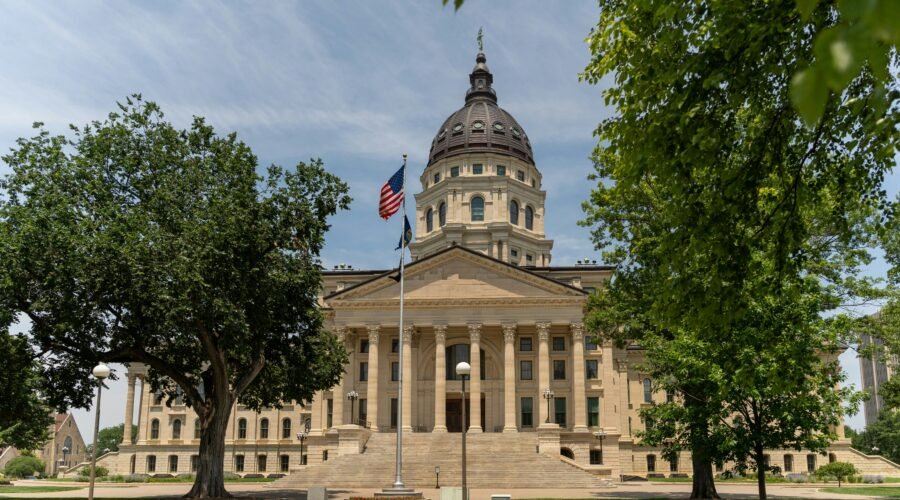
Figuring out the best time to visit Topeka, Kansas, really boils down to what you’re looking for. If you want pleasant weather without huge crowds and a good balance of costs, spring (April to May) and fall (September to October) are generally your sweet spots. However, if you’re a heat seeker, a snow enthusiast, or on a super tight budget, other times might work better for you. Let’s break down what each season has to offer in Topeka, so you can plan your trip just right.
Topeka’s weather is a classic example of the Midwest’s four distinct seasons. It’s not typically extreme compared to some parts of the country, but you’ll definitely experience the changes. Knowing what to expect temperature-wise and precipitation-wise will help you pack and plan activities.
Spring: A Budding Season in Topeka
Spring in Topeka is a transition period, moving from the chill of winter to the warmth of summer. It can be quite lovely once it settles in, but be prepared for some variability.
April: The Gentle Awakening
April is often when Topeka starts to shed its winter coat. You’ll see the landscape begin to green up, and the days start to lengthen significantly. Temperatures are generally mild, but it’s not uncommon to have a late frost or even a surprisingly warm spell. The average high temperature in April hovers around the mid-60s (°F), while the lows are typically in the upper 30s to low 40s. Precipitation can be a bit unpredictable, with a mix of rain and occasional lingering wintery precipitation early on. It’s a good month for outdoor exploration before the summer heat kicks in.
May: Blooming Beauty and Comfortable Temps
May is often considered one of Topeka’s most beautiful months. The trees are in full leaf, flowers are blooming, and the air is generally pleasant. Average highs climb into the mid-70s, making it perfect for walking around the Capitol grounds or exploring local parks. Nighttime temperatures are usually comfortable, in the low 50s. May sees an increase in rainfall compared to April, but it’s often in the form of beneficial showers rather than prolonged downpours. This is prime time for festivals and outdoor events.
Summer: Embracing the Heat and Sunshine
Summers in Topeka are as you might expect from a Midwestern city: warm and often humid, with plenty of sunshine. If you enjoy outdoor activities and don’t mind the heat, summer can be a great time to visit.
June: The Start of Summer Warmth
June marks the official start of summer, and Topeka heats up quickly. Average high temperatures are in the upper 80s, with higher humidity making it feel even warmer some days. Evenings offer some relief, with lows typically in the mid-60s. June is generally a sunny month with a good chance of thunderstorms, which can be quite dramatic but often pass relatively quickly. It’s a popular time for family vacations and enjoying attractions like the Topeka Zoo or the Evel Knievel Museum.
July: The Peak of Summer Heat
July is usually Topeka’s hottest month. Expect average highs to push into the low 90s (°F), and humidity can make those temperatures feel even more intense. Nighttime lows tend to stay in the upper 60s, offering little respite from the heat. Rainfall is common in July, often in the form of afternoon thunderstorms that bring temporary cooling. If you’re planning a visit in July, schedule your outdoor activities for the cooler parts of the day – mornings and evenings – and take advantage of air-conditioned indoor attractions during the midday heat.
August: Lingering Warmth and Occasional Relief
August continues the warm trend of July. While it might see a slight dip from July’s peak highs, average temperatures remain in the upper 80s. Humidity is still a significant factor. Thunderstorms are still in the forecast, offering a chance for cooler spells. As August progresses, you might start to feel a subtle shift towards cooler evenings, hinting at the approaching fall.
Fall: A Colorful and Crisp Transition
Fall in Topeka is a popular time for a reason. The oppressive heat of summer gives way to cooler, crisper air, and the changing foliage offers a beautiful backdrop.
September: The Gentle Cool Down
September is a truly delightful month in Topeka. The average high temperatures start to moderate, falling into the mid-80s early in the month and then down to the low 70s by the end. Humidity levels begin to decrease, making outdoor activities much more enjoyable. The leaves on the trees start to show their first hints of color, especially towards the latter half of the month. September generally experiences less rainfall than the summer months, making it ideal for exploring.
October: Peak Fall Foliage and Cooler Air
October is arguably the star of the fall season in Topeka. The average high temperatures are in the comfortable 60s, and the crisp autumn air is invigorating. Nighttime lows dip into the 40s, perfect for cozy evenings. This is when the fall foliage is typically at its most vibrant, painting the Kansas landscape in hues of red, orange, and yellow. It’s an excellent time for scenic drives, visiting pumpkin patches, and enjoying apple orchards in the surrounding areas. Rainfall is usually moderate.
November: The Arrival of Winter’s Chill
November in Topeka signals the clear transition into winter. Daytime temperatures can still be pleasant early in the month, with highs in the 50s, but they quickly drop into the 40s as the month progresses. Nighttime lows will start to dip below freezing, often in the low 30s. You might encounter your first frost or even a light dusting of snow towards the end of November. This is a shoulder month – the fall colors are gone, and the full swing of winter hasn’t quite arrived.
Winter: Embracing the Cold and Quiet
Winter in Topeka can be cold, with occasional snow and ice. If you don’t mind bundling up or if you’re looking for a quieter, less crowded experience, winter can be a viable option.
December: The Start of the Frosty Season
December brings winter’s full force to Topeka. Average high temperatures are in the low 40s, and nighttime lows are typically in the low 20s (°F). Snowfall is common, though the amounts can vary significantly from year to year. Ice storms are also a possibility, which can impact travel. The days are short, and the wind can make it feel even colder. Despite the chill, the holiday season brings a festive atmosphere to Topeka.
January: The Coldest Month
January is generally Topeka’s coldest month. Average highs hover in the upper 30s, and the lows consistently dip into the teens. Snowfall is a common occurrence, and blizzards are not unheard of. You’ll need to be prepared for very cold temperatures, wind chills, and potentially hazardous driving conditions. This is a time when most people opt for indoor activities.
February: A Slow Transition Towards Spring
February in Topeka is still firmly in winter, but you might start to see glimmers of spring towards the end of the month. Average highs are typically in the low 40s, and lows are in the low 20s. Snowfall continues to be a possibility, and ice can still be a concern. The days begin to lengthen noticeably, and there might be a few milder days that offer a brief respite from the deepest cold.
For those planning a trip to Topeka, Kansas, understanding the best time to visit can greatly enhance your experience by optimizing weather conditions, avoiding crowds, and managing costs. To further assist travelers in making informed decisions, you might find it helpful to explore our related article on how we review products, which provides insights into evaluating travel resources and planning tools. You can read more about it here: how we review products.
Crowd Levels: When the Tourists Flock (and When They Don’t)
Understanding crowd levels is key to a more relaxed and enjoyable trip. Topeka doesn’t experience the overwhelming throngs of major tourist destinations, but there are definitely periods when it’s busier.
Peak Tourist Seasons: When to Expect More People
Topeka’s peak tourist seasons generally coincide with the most pleasant weather and major local events.
Spring Bloom and Festival Season (April-May)
As the weather warms up and nature puts on a show, Topeka sees an increase in visitors, especially locals from surrounding areas. This period often coincides with community festivals and events, drawing families and casual travelers. You’ll find more people at popular outdoor attractions like parks and historical sites.
Summer Family Travel (June-August)
The summer months are a classic time for family vacations. While Topeka isn’t a primary summer destination like a beach resort, it still attracts visitors looking for accessible attractions, zoos, and museums. Expect slightly more families and groups during this period.
Fall Color Enthusiasts and Events (October)
October, with its beautiful foliage and the lead-up to harvest festivals, is another busy time. People come to enjoy the crisp air, scenic drives, and the changing leaves. This is particularly true on weekends.
Shoulder Seasons: A Sweet Spot for Solitude
The periods just before and after the peak seasons offer a fantastic blend of good weather and fewer crowds.
Late Spring (Early May)
The very beginning of May can be a golden ticket. The weather is typically fantastic, but the major school holidays and summer vacation rush haven’t quite kicked in yet.
Early Fall (Late September to Early October)
This is arguably the best time for crowd-conscious travelers. The fall colors are starting to emerge, the weather is perfect for exploring, and the peak fall foliage crowd hasn’t fully arrived until later in October.
Off-Season: Empty Streets and Quiet Attractions
The off-season in Topeka is characterized by colder weather and fewer organized events, leading to significantly fewer visitors.
Winter (November to March)
Outside of the Christmas and New Year holidays, winter is Topeka’s quietest time. You’ll find very few tourists, making it ideal if you prefer a more relaxed and intimate experience. Museums, indoor attractions, and even the Capitol building will be relatively empty. However, this comes with the trade-off of colder weather and shorter daylight hours.
Cost of Visiting: Balancing Your Budget

The cost of visiting Topeka can vary quite a bit depending on when you choose to travel and your accommodation and dining preferences. Generally, it’s a more budget-friendly destination than larger metropolises.
Accommodation Costs: Where Your Dollar Goes Further
Topeka offers a range of lodging options, from budget-friendly motels to mid-range hotels.
Peak Season Prices (Spring & Fall)
During the spring and fall, especially around major events, hotel prices might see a slight uptick. However, you’re unlikely to encounter the exorbitant rates found in major tourist hubs. Expect to pay standard mid-range prices, perhaps a bit higher on weekends or during specific festivals.
Summer Rates
Summer rates are generally consistent with spring and fall, with slightly higher demand due to family travel. You might find good deals on weekdays.
Off-Season Savings (Winter)
From November through March, especially outside of the holiday period, you’ll find the most significant savings on accommodation. Hotels often have lower occupancy and offer competitive rates to attract visitors. This is the time to snag the best deals.
Transportation and Activities: Budget-Friendly Options
Getting around Topeka is generally affordable, and many of its attractions are either free or reasonably priced.
Driving and Local Transit
Topeka is easily accessible by car, with I-70 running through it. Gas prices will, of course, fluctuate. If you’re flying in, the nearest major airport is Kansas City International Airport (MCI), about an hour and a half away. Car rental costs will vary by season and demand, but are usually manageable. Within Topeka, driving is the most convenient; public transit exists but is less comprehensive for tourists.
Free and Low-Cost Attractions
Many of Topeka’s most compelling attractions are free or low-cost. The Kansas State Capitol building offers free tours, the Topeka Zoo has an entrance fee but is generally affordable for a full day’s entertainment, and exploring the historic streets and parks costs nothing. The Evel Knievel Museum has an admission fee, but it’s modest. These kinds of activities help keep overall trip costs down year-round.
Dining Costs: Local Flavors Without Breaking the Bank
Topeka offers a good mix of dining experiences, from casual diners to sit-down restaurants, most of which are reasonably priced.
Everyday Dining
You can expect to find plenty of affordable and delicious options in Topeka, from classic American diners serving comfort food to fast-casual eateries. Meals can typically be had for under $15 per person.
Special Occasion Dining
While Topeka has some nicer restaurants, they generally won’t push your budget to the extremes found in larger cities. A more upscale meal might run you $25-$40 per person.
Special Events and Festivals: What’s Happening and When

Topeka hosts a variety of events throughout the year that can significantly influence your decision on when to visit. These events can draw larger crowds and sometimes lead to higher accommodation prices.
Spring Happenings
Spring kicks off a lively season with a mix of cultural and community events.
The Topeka Civic Theatre Performances
Throughout the year, the Topeka Civic Theatre puts on various productions, but spring and fall often feature popular shows that draw local and regional audiences. Checking their schedule can be a great way to plan your visit around a specific performance.
Local Farmers Markets
As the weather warms up starting in April and May, local farmers markets begin to open. These are vibrant hubs for fresh produce, local crafts, and a feel-good community atmosphere. They’re a great way to experience local life.
Summer Celebrations
Summers are packed with outdoor activities and family-friendly events.
Sunflower Summer Program
This program, typically running from late May through early August, offers free admission to many Kansas attractions for children accompanied by a paying adult. If you’re traveling with family, this can be a significant cost saver and a great reason to plan a summer visit.
Topeka Art Guild Art Show
Art shows and galleries often have special exhibitions during the summer months, showcasing local and regional talent.
Topeka Independence Day Celebrations
Around the 4th of July, expect community gatherings, fireworks, and patriotic events. These can be very popular locally.
Fall’s Festive Calendar
Autumn brings harvest celebrations and historical commemorations.
Apple and Pumpkin Festivals
While not always directly in Topeka, many charming towns in the surrounding Kansas countryside host apple and pumpkin festivals throughout September and October. These draw visitors looking for a taste of fall.
Historical Reenactments
Topeka and its surrounding areas sometimes host historical reenactments, particularly around Civil War or frontier themes. These are often popular educational and entertaining events.
Holiday Preparations
As November progresses, you’ll start to see early holiday decorations and events, especially in the weeks leading up to Thanksgiving.
Winter’s Quiet Charm and Holidays
Winter events are fewer but often centered around the holiday season.
Downtown Topeka Holiday Lighting Ceremony
Typically held in late November or early December, this event kicks off the festive season with tree lighting ceremonies and family activities.
Christmas and New Year’s Events
Throughout December, you’ll find various holiday-themed markets, concerts, and special events at local churches and community centers. New Year’s Eve celebrations are typically low-key but widespread within various venues.
If you’re planning a trip to Topeka, Kansas, understanding the best time to visit can greatly enhance your experience. For insights on weather patterns, crowd levels, and costs associated with different seasons, you might find this article on travel tips particularly helpful. It offers a comprehensive overview that complements the information on the best time to visit Topeka. You can read more about it in this related article.
Deciding Your “When”: Matching Your Priorities to the Calendar
| Month | Weather | Crowds | Costs |
|---|---|---|---|
| January | Cold, occasional snow | Low | Low |
| April | Mild, occasional rain | Medium | Medium |
| July | Hot, occasional thunderstorms | High | High |
| October | Cool, occasional showers | Low | Low |
Ultimately, the best time to visit Topeka depends on what’s most important to you. Weigh these factors to make your final decision.
The Weather Connoisseur
If perfect, mild weather is your top priority, then late spring (May) and early fall (late September to early October) are your absolute best bets. You’ll get comfortable temperatures, lower humidity, and beautiful scenery without the extremes of summer heat or winter cold. These periods offer long daylight hours for exploration.
The Crowd-Averse Traveler
For those who prefer a more serene experience and want to avoid the hustle and bustle, the off-season (November through March, excluding the Christmas/New Year period) is ideal. You’ll have attractions largely to yourself. The shoulder months of late May and early September also offer a good balance with fewer people than peak times.
The Budget-Conscious Explorer
If keeping costs down is paramount, then winter (November to March) is your time to shine, with the exception of the holiday rush. You’ll find the best deals on accommodation and potentially flights. Traveling mid-week at any time of year will also generally be more affordable than weekend trips.
The Festival-Goer and Event Enthusiast
If you’re drawn to the energy of local events, spring and fall offer the richest calendars with festivals, art shows, and community celebrations. However, be prepared for slightly larger crowds and potentially higher accommodation prices during these times. Summer’s Sunflower Summer program can be a huge draw for families looking for affordable fun.
The Nature Lover
For those who want to see Topeka at its most beautiful, spring (April-May) for blooming flowers and lush greenery and fall (October) for the stunning autumn foliage are unmatched. Your experience will be enhanced by the visual spectacle of the Kansas landscape.
By considering these aspects, you can pinpoint the perfect time to explore Topeka, ensuring your visit aligns with your preferences for weather, crowds, and budget.
FAQs
1. What is the best time of year to visit Topeka, Kansas?
The best time to visit Topeka, Kansas is during the spring (April to June) and fall (September to October) when the weather is mild and pleasant, and the city hosts various events and festivals.
2. What is the weather like in Topeka, Kansas throughout the year?
Topeka experiences hot summers with temperatures averaging around 90°F (32°C) and cold winters with temperatures dropping to around 30°F (-1°C). Spring and fall offer milder temperatures and are generally considered the most comfortable times to visit.
3. When are the crowds at their peak in Topeka, Kansas?
The peak tourist season in Topeka is during the summer months (June to August) when the city experiences the highest number of visitors. Additionally, major events and festivals can also attract large crowds.
4. Are there any cost considerations when planning a trip to Topeka, Kansas?
During the peak summer months, accommodation and attraction prices may be higher due to increased demand. Traveling during the shoulder seasons of spring and fall may offer more affordable options for accommodations and activities.
5. What are some popular events and festivals in Topeka, Kansas that visitors should consider when planning their trip?
Topeka hosts various events and festivals throughout the year, including the Kansas Chocolate Festival in February, the Mulvane Art Fair in June, and the Apple Festival in September. Visitors should consider these events when planning their trip to experience the local culture and attractions.

[…] you’re comparing seasonal travel trade-offs across destinations, the existing guide to the best time to visit Topeka, Kansas looks at similar weather, crowd, and cost questions. Queenstown’s climate is very different, […]
[…] If you want another example of how season, holiday traffic, weather, and prices can change a destination, this separate guide covers when to visit Topeka, Kansas. […]