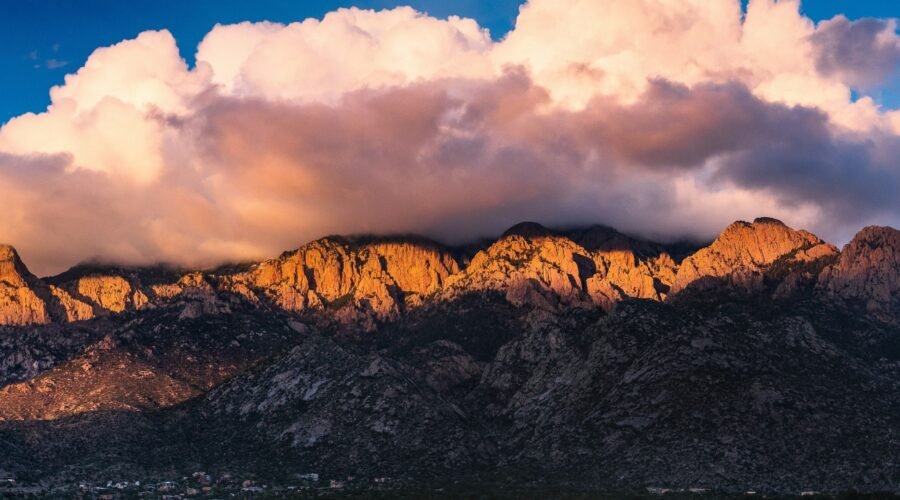
So, you’re thinking about hitting up Albuquerque? Awesome choice! It’s a city with a real vibe, blending Native American, Hispanic, and Western influences into something pretty unique. But before you pack your bags, let’s get down to the nitty-gritty: what’s the weather like, when are the crowds the worst (and best!), and what kind of dent is this trip going to put in your wallet? This guide is here to give you the practical scoop, no fluff.
Albuquerque’s weather is a big part of its charm, but it also means you need to be prepared for some extremes. It’s high desert country, after all.
Sunny Skies are the Norm
Get ready for sun. Albuquerque boasts an average of 310 sunny days per year. This is great for getting out and exploring, but it also means you’ll need to stay protected from the UV rays. Sunscreen, hats, and sunglasses are not optional, especially during the warmer months.
Temperature Rollercoaster: What to Expect Seasonally
- Spring (March-May): This is a really pleasant time to visit. Temperatures start to warm up, with highs generally in the 60s and 70s Fahrenheit. However, spring is also Albuquerque’s windiest season, so be prepared for some gusty days, especially in March and April. Nights can still get cool, often dipping into the 30s and 40s.
- Summer (June-August): Summer in Albuquerque means heat, plain and simple. Daytime highs frequently hit the 90s and can even push into the 100s. But here’s a key point: the heat is usually dry, which makes it a bit more bearable than humid heat. The monsoon season typically kicks in around July, bringing dramatic afternoon thunderstorms. These are often brief but can be intense, with lightning and heavy rain. The humidity also rises slightly during this period.
- Fall (September-November): Fall is arguably the best season for visiting. The temperatures cool down significantly, making outdoor activities a dream. Highs are typically in the 70s and 80s in September, gradually dropping to the 50s and 60s by November. The air is crisp and clean, and the autumn colors, while not as dramatic as in some parts of the country, can be lovely. It’s also much less windy than in the spring.
- Winter (December-February): Winters are generally mild and sunny, but don’t let that fool you. While you won’t find prolonged periods of freezing temperatures, daytime highs are usually in the 40s and 50s. However, overnight lows can drop below freezing, sometimes into the single digits or teens. Snowfall is infrequent and usually doesn’t stick around for long, but when it does snow, it can be pretty magical.
The Impact of Altitude
Remember, Albuquerque sits at about 5,312 feet (1,619 meters) above sea level. This higher altitude means the air is thinner. If you’re coming from sea level, you might feel the effects initially – a bit of shortness of breath, perhaps, or getting winded more easily. Drink plenty of water, avoid strenuous activity right away, and be mindful of alcohol consumption, as it can have a more pronounced effect at higher altitudes.
If you’re planning a trip to Albuquerque, New Mexico, it’s essential to consider not only the best time to visit but also how to make the most of your experience. For a deeper understanding of travel tips and insights, you might find the article on travel planning helpful. It covers various aspects such as budgeting, local attractions, and seasonal events that can enhance your visit. You can read more about it in this related article.
2. Navigating the Crowds: When to Go for Peace, When for Buzz
Albuquerque’s popularity ebbs and flows throughout the year, largely tied to its major events and school holidays. Understanding these patterns can help you decide if you prefer a lively atmosphere or a more laid-back experience.
Peak Season: Major Events Draw the Masses
- October: The International Balloon Fiesta. This is hands-down Albuquerque’s busiest time. The world-famous Albuquerque International Balloon Fiesta, held annually in early October, draws hundreds of thousands of visitors. Hotels are booked months in advance, prices for accommodations skyrocket, and traffic can be significant. If you want to experience the magic of hundreds of balloons filling the sky, book everything way ahead of time and be prepared for crowds everywhere.
- Summer Holidays: Like most tourist destinations, Albuquerque sees an uptick in visitors during major summer holidays such as Memorial Day, the Fourth of July, and Labor Day. Expect slightly larger crowds and higher accommodation rates during these periods.
Shoulder Seasons: The Sweet Spot for Balance
- Spring (April-May) and Fall (September-November, excluding Balloon Fiesta): These are often considered the “sweet spots” for visiting. The weather is generally excellent, and you’ll find fewer crowds than during the peak of summer or the Balloon Fiesta. You can enjoy popular attractions with manageable lines and a more relaxed pace. This is a great time to explore Old Town, hike in the Sandia Mountains, and visit museums without feeling overwhelmed.
The Off-Season: For Serenity Seekers
- Winter (January-February): Outside of the immediate New Year’s period, winter is generally the quietest time in Albuquerque. The weather can be chilly, which deters some tourists. If you don’t mind bundling up a bit and enjoying the clear, sunny skies, you’ll find great deals on hotels and attractions, and you’ll likely have many places almost to yourself. It’s a fantastic time for a more introspective visit to museums and galleries.
3. Budgeting Your Albuquerque Adventure: From Frugal to Fancy

Albuquerque offers a range of price points, from budget-friendly explorations to more upscale experiences. Your spending will largely depend on your travel style, when you visit, and your activity choices.
Accommodation Costs: Where You Sleep Matters
- Budget: Hostels aren’t super common in Albuquerque. Your best bet for budget accommodation would be well-rated motels on the outskirts of the city or looking for deals on vacation rentals or Airbnb further out. Expect to pay anywhere from $60-$100 per night.
- Mid-Range: This is where most visitors comfortably land. You’ll find plenty of familiar hotel chains (Marriott, Hilton, IHG brands) offering comfortable rooms, often with amenities like pools and breakfast. Prices can range from $120-$200 per night, with a significant bump during peak season. Look for deals in areas like Uptown or near the airport for generally better rates.
- High-End/Boutique: Albuquerque has a few more luxurious options and charming boutique hotels, particularly in areas like Old Town or the historic downtown. These can offer more unique experiences and premium amenities. Expect to pay $200-$350+ per night. During the Balloon Fiesta, even basic hotel rooms can easily exceed $300-$500 per night.
Food and Drink: Taste of New Mexico Won’t Break the Bank
- Casual Eats: Albuquerque is famous for its New Mexican cuisine, and you can eat incredibly well without spending a fortune. Many local diners, cafes, and roadside stands offer delicious enchiladas, tacos, and smothered burritos for $8-$15 per plate.
- Mid-Range Restaurants: For a sit-down meal with more ambiance, you’re looking at $20-$40 per person for an entree and a drink. This applies to most restaurants offering a mix of New Mexican, Southwestern, and American fare.
- Fine Dining: Albuquerque has a growing fine dining scene, especially downtown and in certain upscale neighborhoods. A multi-course meal with wine can easily set you back $75-$150+ per person.
- Brewery Scene: The craft beer scene is robust. A pint will typically cost $6-$9.
Activities and Attractions: Free Fun to Pricier Pursuits
- Free/Low-Cost: Many of Albuquerque’s best experiences won’t cost you a dime. Walking through Old Town, hiking in the Sandia Mountains (just parking fees sometimes), exploring the vast network of city parks, and visiting some of the free galleries are all great ways to save money.
- Mid-Range Attractions: Museum admissions are generally between $8-$20. A ride on the Sandia Peak Tramway is a must-do and costs around $29 for adults (round trip). Visiting the Indian Pueblo Cultural Center is about $10-$12.
- Higher-Cost Experiences: If you’re interested in hot air balloon rides (outside of the Fiesta), these are a significant investment, often costing $200-$300+ per person for a shared ride.
- Transportation: If you plan on exploring beyond the immediate downtown or Old Town, renting a car is the most practical option. Car rental costs vary but can be around $40-$80 per day. Public transportation exists but is more spread out and less convenient for tourists wanting to see many different areas. Ride-sharing services are also available.
4. Getting Around Albuquerque: Options for Every Traveler

Once you’re in Albuquerque, figuring out how to navigate the city is key to making the most of your visit. The layout and your itinerary will heavily influence the best mode of transport for you.
Car Rental: The Freedom of Four Wheels
For most visitors, renting a car offers the most flexibility. Albuquerque is spread out, and many of its attractions, trailheads, and even diverse neighborhoods are best accessed by personal vehicle. This is especially true if you plan on venturing out of the immediate city limits for day trips.
- Pros: Independence, ability to reach remote locations, convenience for carrying gear or souvenirs.
- Cons: Parking can sometimes be a challenge in very popular areas like Old Town, especially during events. Rental costs can add up.
Ride-Sharing and Taxis: Door-to-Door Convenience
Uber and Lyft operate extensively in Albuquerque, and traditional taxis are also available. This is a good option if you’re staying in a central area and only plan on visiting specific destinations within the city. It’s also a great choice if you plan on enjoying some of Albuquerque’s excellent craft breweries or distilleries.
- Pros: Door-to-door service, no parking worries, good for short to medium distances.
- Cons: Can become expensive for frequent or longer trips, availability can sometimes be a factor during peak times or in less populated areas.
Public Transportation: A Budget-Friendly, Slower Pace
The Albuquerque Ride system offers bus services throughout the metropolitan area. While it’s a more budget-friendly option, it’s not as comprehensive or efficient as in larger, denser cities. You’ll need to plan your routes carefully and be prepared for longer travel times.
- Pros: Economical, you can see more of the city and its local life.
- Cons: Routes can be limited for tourist attractions, travel times are longer, and it requires more planning. Not ideal for tight schedules or reaching off-the-beaten-path spots.
Walking and Biking: For the Intrepid Explorer
If you plan to focus your exploration on specific neighborhoods like Old Town or the downtown core, walking is a great way to soak in the atmosphere. Biking is also an option, and Albuquerque has made strides in creating bike lanes, but it’s not as bike-friendly as some other cities.
- Pros: Immerse yourself in the environment, a healthy way to explore.
- Cons: Limited scope for covering distances, can be challenging with the heat in summer or carrying bulky items.
If you’re planning a trip to Albuquerque, New Mexico, understanding the best time to visit can greatly enhance your experience. To complement your travel plans, you might find it helpful to read about how travel products are reviewed, which can provide insights into choosing the right accommodations and activities. For more information, check out this article on how we review products. This resource can guide you in making informed decisions that align with your travel preferences and budget.
5. Must-Do Experiences in Albuquerque: Beyond the Obvious
| Month | Weather | Crowds | Costs |
|---|---|---|---|
| January | Cool and dry | Low | Low |
| April | Mild and sunny | Medium | Medium |
| July | Hot and dry | High | High |
| October | Mild and sunny | Medium | Medium |
Albuquerque has a rich cultural tapestry and stunning natural beauty that goes beyond what you might see on a postcard. Here are some ways to truly experience the city.
Dive into Old Town
This historic heart of Albuquerque is a National Historic Landmark and a must-visit. Wander through the charming adobe buildings, explore unique shops selling Native American jewelry and Southwest art, and sample traditional New Mexican cuisine at one of the many restaurants. Don’t miss San Felipe de Neri Church, one of the oldest churches in the United States.
Ride the Sandia Peak Tramway
For breathtaking panoramic views of the city and the surrounding high desert landscape, you absolutely cannot miss the Sandia Peak Tramway. It’s the longest aerial tramway in the Americas, taking you nearly three miles up the western slope of the Sandia Mountains. At the top, you can enjoy short hikes, a visitor center, and stunning vistas, especially at sunset.
Immerse Yourself at the Indian Pueblo Cultural Center
This is a fantastic place to learn about the history, culture, and art of the 19 Pueblos of New Mexico. You can explore exhibits, watch traditional dances (often performed on weekends), browse authentic Native American art and crafts, and even enjoy traditional Pueblo cuisine at the on-site restaurant. It’s an essential stop for understanding the region’s indigenous heritage.
Explore the Artistic Side: Museums and Galleries Galore
Albuquerque has a vibrant arts scene. The Albuquerque Museum focuses on art and history of the region. Further afield, the National Museum of Nuclear Science & History offers a unique perspective. For contemporary art lovers, galleries in the Downtown Arts District and Nob Hill are worth exploring.
Hike or Explore the Sandia Mountains
Beyond just the tramway, the Sandia Mountains offer incredible opportunities for outdoor recreation. There are numerous hiking trails for all skill levels, from easy strolls to more challenging climbs. The scenery is dramatic, with unique desert flora and fauna. In winter, you might even find snow. Always check trail conditions and weather before heading out.
Experience the Magic of the Bioluminescent Bay (Just Kidding!)
Okay, I had to throw in a little joke. Albuquerque doesn’t have bioluminescent bays. But it does have a unique charm all its own. Focus on what it does have: stunning sunsets, incredible food, rich history, and a spirit that’s hard to find anywhere else. Embrace the dry heat, the vast skies, and the generous spirit of its people.
FAQs
1. What is the best time of year to visit Albuquerque, New Mexico for favorable weather?
The best time to visit Albuquerque for favorable weather is during the spring (March to May) and fall (September to November) when temperatures are mild and the city experiences less rainfall.
2. When is the peak tourist season in Albuquerque, New Mexico?
The peak tourist season in Albuquerque is during the Albuquerque International Balloon Fiesta in early October, as well as during the summer months (June to August) when many visitors come to explore the city and its attractions.
3. What is the off-peak season in Albuquerque, New Mexico?
The off-peak season in Albuquerque is during the winter months (December to February) when temperatures can be cold and there are fewer tourists. This can be a good time to visit for those looking to avoid crowds and save on accommodation costs.
4. Are there any major events or festivals that visitors should consider when planning a trip to Albuquerque?
The Albuquerque International Balloon Fiesta in early October is a major event that attracts visitors from around the world. Additionally, the Albuquerque International Sunport hosts the New Mexico Arts and Crafts Fair in late June, and the New Mexico State Fair takes place in September.
5. How does the cost of visiting Albuquerque, New Mexico vary throughout the year?
The cost of visiting Albuquerque varies throughout the year, with higher accommodation and activity costs during the peak tourist season in October and the summer months. Visitors can find more affordable options during the off-peak winter season and shoulder seasons in spring and fall.