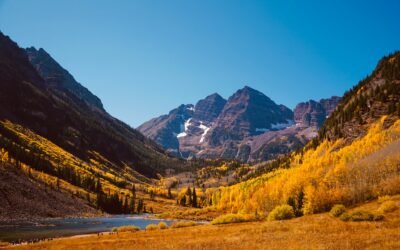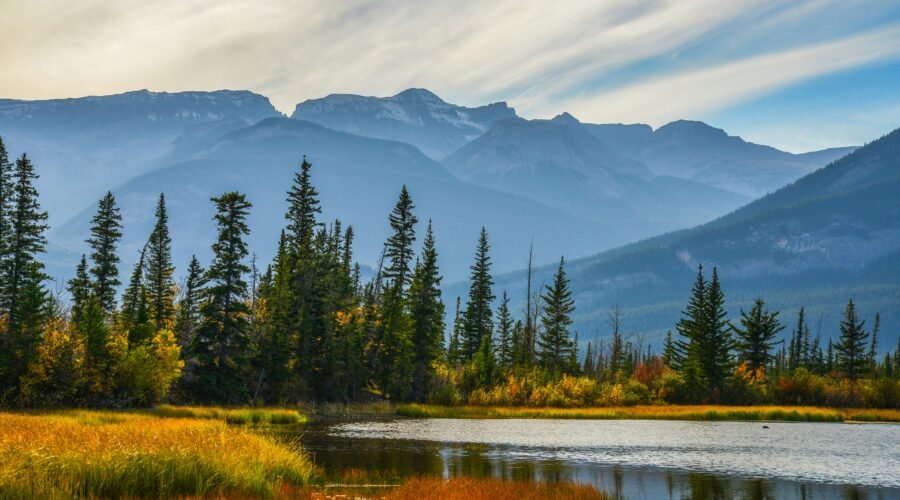
Thinking about heading to Jasper National Park but not sure when to pack your bags? The best time to visit Jasper, Alberta depends on what matters most to you: comfortable hiking weather, fewer people, winter sports, wildlife, fall colours, or lower accommodation rates. For many visitors, late June and September provide the best balance, but every season offers a different Jasper experience.
Quick Answer
For most visitors, the best time to visit Jasper is late June or September. Late June brings long days and improving trail access, while September offers cooler hiking weather, fall colours, fewer summer crowds, and good wildlife-viewing opportunities. Choose July–August for maximum summer access and winter for skiing and snow activities.
Key Takeaways
- Best overall balance: Late June and September.
- Warmest weather and widest activity choice: July and August, but expect the biggest crowds and generally higher lodging rates.
- Best for fewer crowds and fall scenery: September into early October.
- Best for skiing and snow activities: Winter, especially during the core ski season.
- Best for spring wildlife and waterfalls: May into June, with the trade-off of snow, mud, and limited alpine access.
- Current 2026 note: Maligne Canyon and Cavell Road remain closed because of wildfire-recovery work, so always check current Parks Canada conditions before travelling.
2026 Access Warning: Jasper is open and most of the national park can be visited, but Maligne Canyon and Cavell Road remain closed for the 2026 season following the 2024 Jasper wildfire. Winter recreational access to Maligne Canyon is also prohibited. Check Parks Canada’s current open/closed list immediately before your trip because trail, campground, and road conditions can change.
Best Time to Visit Jasper at a Glance
| Period | Typical Conditions | Crowds | Cost Tendency | Best For |
|---|---|---|---|---|
| April–May | Cool, changeable, snow and mud possible | Low | Often lower than summer | Wildlife, waterfalls, quiet trips |
| June | Mild days, long daylight, alpine snow possible | Moderate to high | Rising | Waterfalls, sightseeing, lower-elevation hiking |
| July–August | Warmest weather and broadest summer access | Highest | Often highest | Hiking, paddling, camping, sightseeing |
| September | Cooler days, cold nights, fall colours | Decreasing | Often below summer peak | Hiking, wildlife, photography, fewer crowds |
| October | Cold, short days, possible snow | Low | Often lower | Dark skies, fall atmosphere, quiet travel |
| November–March | Cold, snowy, short daylight | Usually lower except holidays and ski periods | Variable | Skiing, snowshoeing, skating, winter scenery |
1. Summer: Warm Weather and Peak Crowds
Summer in Jasper, especially from late June through August, is what many people picture when they think of the Canadian Rockies: long daylight hours, blue-green lakes, mountain drives, hiking, paddling, and a wide selection of seasonal services. It is also the busiest part of the year, so you trade easier access to many activities for more competition for rooms, campsites, parking, and popular tours.
Weather in Summer
- Temperatures: Jasper’s warmest month is July. According to Parks Canada, July has a mean daily maximum of about 22.5°C (72.5°F). Hotter and cooler days both occur.
- Sunshine and daylight: Summer brings long days, giving you more time for sightseeing and outdoor activities.
- Rain and storms: Mountain weather can change quickly. Rain showers and thunderstorms are possible even after a sunny morning.
- Snow: Do not assume every alpine trail is snow-free in June. Snow can remain at higher elevations into July, and some high routes hold snow even later.
Pack layers even in July and August. A warm afternoon in the valley does not guarantee warm conditions at a high viewpoint, exposed pass, or SkyTram upper station.
Crowds in Summer
Summer is Jasper’s busiest season. Parks Canada reports that more than 1.5 million visitors travel to Jasper between June and September, so popular parking areas and trailheads can become busy during the middle of the day.
Summer gives you Jasper’s widest choice of activities, but it also requires the most planning for lodging, camping, tours, and parking.
- Book ahead: Reserve accommodation, campsites, and popular commercial tours early when your dates are fixed.
- Expect busy parking: Athabasca Falls, the Columbia Icefield area, Maligne Lake, and other major stops can become busy.
- Use current information: Parks Canada’s JasperNow and current park information can help you check parking and campground conditions.
- Start early: An early start often provides cooler temperatures and a calmer experience at popular trailheads.
Costs in Summer
Summer accommodation and tour prices are often higher because demand is strongest, although actual rates vary by property, weekday, event, and booking date. Instead of assuming one month will always be the most expensive, compare your exact dates before booking.
The advantage of summer is that you normally have the widest selection of seasonal experiences, including lake activities, commercial sightseeing operations, campgrounds, and hiking options. In 2026, however, some wildfire-affected areas remain closed.
What to Do in Summer
- Hiking: Summer provides the broadest hiking selection, but always check the current Jasper trail report. Alpine snow, wildlife closures, wildfire recovery, or maintenance can affect individual routes.
- Water activities: Canoeing, kayaking, and paddleboarding are popular on suitable lakes such as Pyramid and Patricia. Commercial boat cruises operate seasonally on Maligne Lake.
- Wildlife viewing: Wildlife can be seen throughout the park, but sightings are never guaranteed. Give animals plenty of space.
- Scenic drives: Drive the Icefields Parkway, visit Athabasca Falls and Sunwapta Falls, and explore open viewpoints along the route.
- Jasper SkyTram: The SkyTram is a seasonal attraction rather than a year-round one, so check its current operating schedule before planning around it.
- Events: Jasper’s event calendar changes each year, so check current dates rather than relying on a past festival schedule.
Pro Tip: If hiking is your main reason for visiting, late July through early September generally gives you a better chance of snow-free high-elevation trails than June. Conditions still vary, so check the trail report before every major hike.
When planning a summer Jasper trip, look at weather, trail access, crowds, and operating schedules together. A warm forecast does not automatically mean a high mountain route is open or snow-free.
2. Fall: Autumn Colors and Cooler Air
Fall, especially September and early October, is one of Jasper’s strongest choices if you want cooler hiking weather and fewer people. Aspen, poplar, and other deciduous vegetation add yellow and orange colour to valleys that remain surrounded by dark evergreen forest.
Weather in Fall
- September: Days can still be comfortable for hiking, but mornings and nights become much colder.
- October: Temperatures continue to fall, daylight becomes shorter, and snow becomes increasingly possible.
- Mountain conditions: Early snow can arrive at elevation before winter officially begins.
- Layers matter: Bring clothing for sunshine, wind, rain, frost, and potentially snow.
Crowds in Fall
- Fewer summer visitors: Visitor pressure normally drops after the main July–August vacation period.
- Quieter trails: September can provide a calmer hiking experience, although famous viewpoints and good-weather weekends can still be busy.
- More booking flexibility: Some accommodation may be easier to find than during the summer peak, but you should still reserve ahead for weekends and events.
Costs in Fall
Accommodation and tour prices often soften after the summer peak, but there is no guaranteed “low season” rate. Special events, weekends, room availability, and remaining seasonal demand can all affect prices.
What to Do in Fall
- Fall hiking: Enjoy golden aspens, poplars, and shrubs along open trails and valley-bottom areas.
- Elk viewing: Parks Canada identifies September 1 to October 15 as elk rutting season. Bull elk can be aggressive, so give them extra space.
- Scenic drives: The Icefields Parkway remains a highlight, but some seasonal roads and facilities begin closing as autumn progresses.
- Photography: Cooler air, lower-angle sunlight, changing leaves, and early snow on high peaks can create excellent landscape conditions.
- Dark-sky viewing: Earlier sunsets make autumn convenient for stargazing.
The 2026 Jasper Dark Sky Festival runs October 16–25. Event dates change each year, so future visitors should confirm the current schedule through Tourism Jasper.
Warning: Elk are especially defensive during the fall rut. Do not approach them for a photo. Parks Canada requires at least 30 metres of separation from elk unless you are safely inside a legally positioned vehicle.
3. Winter: Snowy Wonderland and Outdoor Adventures

Winter in Jasper, roughly November through March, brings snow-covered scenery, skiing, snowshoeing, cross-country skiing, skating, and a much quieter atmosphere than peak summer. It also requires more preparation for cold, road conditions, short daylight hours, and changing mountain weather.
Weather in Winter
- Temperatures: Winter is cold and variable. Parks Canada lists January as the coldest month, with a mean maximum temperature of about -9.4°C (15°F).
- Cold snaps: Temperatures can fall far below the monthly average, particularly overnight.
- Chinook changes: Jasper can also experience warmer periods when Chinook conditions arrive.
- Snow: Snow and ice can affect roads and trails for long periods.
- Daylight: Plan outdoor activities around much shorter winter days.
Crowds in Winter
- November and early winter: Often quieter than the major summer travel period.
- Christmas and New Year: Holiday demand can increase accommodation and restaurant traffic.
- Ski season: Good snow weekends can attract winter-sports visitors.
- January festival period: Jasper in January is a recurring winter celebration, although dates and programming change each year.
Costs in Winter
Winter rates vary. Some non-holiday dates can be less expensive than peak summer, while Christmas, New Year, ski weekends, and special events can increase demand. Check your actual travel dates instead of assuming winter is automatically cheap.
What to Do in Winter
- Skiing and snowboarding: Marmot Basin is Jasper’s major ski area. Confirm current opening dates, snow conditions, and road information before visiting.
- Ice skating: Pyramid Lake and Lac Mildred commonly offer groomed skating areas when conditions allow.
- Snowshoeing and cross-country skiing: Jasper has numerous winter routes, but use the current trail report and respect ski-only tracks where applicable.
- Winter sightseeing: Pyramid Island, Athabasca Falls, Sunwapta Falls, and other open areas can offer dramatic winter scenery.
- Wildlife: Elk, bighorn sheep, wolves, cougars, and other wildlife remain active to varying degrees. Bears usually den during winter but can occasionally be active.
- Stargazing: Long winter nights make dark-sky viewing convenient when the sky is clear.
- Jasper in January: This recurring festival combines winter activities, food, entertainment, and community events. Check the current Tourism Jasper schedule for exact dates.
Warning: Maligne Canyon is closed for the 2026 season, including winter recreational access. Do not enter the closed canyon for an ice walk. Check Parks Canada for future reopening information.
Natural-Ice Safety: Parks Canada does not monitor natural lake and pond ice for safety. Never assume a frozen surface is safe because other people are on it. Check current conditions, avoid moving-water areas, and do not skate alone.
Winter Driving on the Icefields Parkway
The Icefields Parkway can experience snow-covered pavement, ice, poor visibility, avalanche-control closures, and rapidly changing conditions. Parks Canada requires snow tires marked with a snowflake or M+S symbol, or tire chains, from November 1 through March 31 and during any other period when the Icefields Parkway is covered by snow or ice.
Check Parks Canada’s Jasper road information and Alberta 511 before starting a winter drive.
4. Spring: The Thaw and Awakening

Spring in Jasper, especially April and May, is a true transition season. Parks Canada says spring generally reaches the valley bottoms around mid-April but may not reach the high country until mid-June. That difference in elevation explains why you can find dry trails near town while alpine terrain remains snowy.
Weather in Spring
- April: Expect very changeable conditions, including snow, ice, mud, and cold mornings.
- May: Valley-bottom temperatures become milder, but higher terrain can remain wintry.
- Snowmelt: Melting snow and spring rain increase river and waterfall flow.
- Muddy trails: Some lower routes can become muddy during the thaw.
- Alpine snow: Higher trails can remain snow-covered well beyond the point when the townsite feels like spring.
Crowds in Spring
- Generally quieter: April and much of May usually see fewer leisure visitors than the summer peak.
- Limited seasonal access: Some roads, campgrounds, attractions, and high-elevation routes may not yet be operating.
- Changing availability: More seasonal services start opening as late May and June approach.
Costs in Spring
- Potential savings: Some accommodation dates can cost less than peak summer because demand is lower.
- No guaranteed cheapest month: Prices vary by property, weekday, event, demand, and booking timing.
- Trade-off: Lower demand may come with fewer open seasonal activities and less reliable mountain access.
What to Do in Spring
- Wildlife watching: Bears become more visible in valley bottoms during spring and early summer, while deer, elk, birds, and other animals are also active.
- Waterfalls: Snowmelt makes spring a strong period for seeing powerful flows at places such as Athabasca Falls and Sunwapta Falls.
- Lower-elevation hiking: Valley-bottom routes often become usable before alpine trails.
- Birding: Migrating birds return during spring.
- Scenic drives: Roads can be quieter, but closures, snow, construction, or avalanche conditions remain possible.
- Indoor activities: Museums, galleries, dining, and astronomy experiences can give you alternatives when weather turns poor.
- Enjoy the quiet: Spring works particularly well if you value solitude more than full alpine access.
Wildlife Caution: Elk calving occurs roughly from May 15 through June 30 in Jasper National Park. Cow elk can charge or kick when protecting calves. Bears are also active in the valley during spring, so carry bear spray on appropriate hikes and know how to use it.
If you visit during spring, build flexibility into your plans. A lake, trail, road, or attraction that is usually available later in summer may still be affected by snow, thaw conditions, wildlife restrictions, or seasonal operating dates.
5. Shoulder Seasons: Finding the Sweet Spot
The shoulder periods—particularly late May through June and September into early October—can offer a useful balance between weather, crowds, and cost. The important difference is that spring shoulder travel has more snow-access uncertainty, while fall shoulder travel has more risk of early winter weather and seasonal closures.
Late Spring and Early Summer: Late May to June
- Weather: Valley temperatures improve steadily, but cold rain and late snow remain possible.
- Crowds: Visitor numbers rise as June progresses but are generally below the height of July and August.
- Accessibility: Lower trails may be dry while high-elevation routes remain snowy.
- Waterfalls: Spring runoff can create impressive waterfall and river conditions.
- Costs: Rates often rise as summer approaches, although exact prices depend on your travel dates.
Early Fall: September to Early October
- Weather: September often provides comfortable hiking temperatures, followed by increasingly cold conditions in October.
- Crowds: Visitor pressure usually drops compared with July and August.
- Accessibility: September can be excellent for hiking, but snow can arrive at high elevations at any time.
- Fall colours: Aspen, poplar, and shrubs add gold and orange tones around valleys and lakes.
- Costs: Some lodging and activities may cost less than at the height of summer.
- Dark skies: Longer nights make stargazing easier without staying awake as late as you would around the summer solstice.
Pro Tip: If you want one simple recommendation, choose September for hiking, fall atmosphere, wildlife activity, and fewer peak-summer crowds. Choose late June if long daylight and waterfalls matter more and you are willing to accept snow on some alpine routes.
6. When to See Specific Wildlife
Jasper is home to a wide range of wildlife, but animals move according to food, weather, habitat, breeding cycles, and human activity. No season guarantees a sighting. The best approach is to travel slowly, stay alert, use binoculars or a telephoto lens, and never approach an animal for a closer picture.
Bears: Grizzly and Black Bears
- Spring and early summer: Parks Canada says bears are commonly seen in valley bottoms during spring and early summer as they forage.
- Summer: Bears continue moving through suitable habitat, including areas far from roads and visitor facilities.
- Fall: Bears feed heavily before denning, but viewing opportunities depend entirely on where animals choose to travel.
- Winter: Most bears den, although an individual bear can occasionally become active.
Elk
- Year-round: Elk are commonly seen in and around Jasper’s valleys.
- Calving: May 15 to June 30 is an important calving period. Female elk may aggressively defend young calves.
- Rut: Parks Canada identifies September 1 to October 15 as rutting season. Bull elk can become especially aggressive and unpredictable.
Bighorn Sheep
- Year-round: Bighorn sheep live in Jasper throughout the year and can sometimes be seen near rocky slopes and roadside habitat.
- Seasonal movement: Their elevation and location change with weather, forage, and winter conditions, so do not rely on a specific viewpoint for guaranteed sightings.
Other Wildlife: Deer, Marmots, Pikas and Birds
- Spring: Migrating birds return and many valley-bottom animals become more visible.
- Summer: Marmots, pikas, birds, and other smaller animals are active in suitable habitat.
- Fall: Many species are feeding, migrating, or preparing for winter.
- Winter: Elk, sheep, deer, wolves, cougars, and other non-hibernating species remain active.
Wildlife Safety: Under current Jasper rules, stay at least 100 metres from bears, cougars, and wolves and at least 30 metres from elk, moose, caribou, sheep, and goats unless you are completely inside a legally positioned vehicle. Never feed wildlife. If an animal changes its behaviour because of you, you are already too close.
When hiking, Parks Canada recommends travelling attentively, making noise, carrying bear spray, and knowing how to use it. If you encounter wildlife on a trail, back away and give the animal room to move.
How the 2024 Jasper Wildfire Affects a 2026 Visit
The majority of Jasper National Park is open, but recovery from the 2024 wildfire is still visible and some areas remain unavailable. Parks Canada continues to remove hazard trees, rebuild infrastructure, repair trails, monitor slopes, and restore visitor facilities.
- Maligne Canyon: Closed for the 2026 season, including winter recreational access.
- Cavell Road and Edith Cavell area: Closed for the 2026 season.
- Maligne Lake: Open, so do not confuse the Maligne Canyon closure with Maligne Lake access.
- Valley of the Five Lakes: Open in 2026, although individual connecting routes or nearby areas can still be subject to restrictions.
- Campgrounds: Some wildfire-affected campground capacity remains unavailable, including Wabasso Campground for the 2026 camping season.
Because recovery work changes over time, use Parks Canada’s live Jasper open/closed information rather than relying on an old blog post or map.
Best Time to Visit Jasper by Trip Goal
- Best overall: September or late June.
- Best weather: July and August generally offer the warmest conditions.
- Best for high-elevation hiking: Late July through early September usually offers the best chance of snow-free alpine routes.
- Best for fewer crowds: Late spring, fall, and non-holiday winter dates.
- Best for fall colour: September, with timing changing each year.
- Best for elk rut: September through the first half of October.
- Best for spring wildlife and waterfalls: May and June.
- Best for stargazing: Year-round on clear nights, with fall and winter offering longer darkness.
- Best for skiing: The core winter ski season, depending on snow and Marmot Basin operations.
- Best chance of lower lodging rates: Look at spring, fall, and quieter winter dates, but compare exact prices because there is no universally cheapest month.
What to Check Before You Travel
Jasper is a mountain destination, so conditions can change after you book. A quick final check can prevent a closed-road or closed-trail surprise.
- Check Parks Canada’s current open/closed list.
- Check trail conditions before any significant hike.
- Check Alberta 511 for highway and road conditions.
- Check the weather forecast and be prepared for colder temperatures at elevation.
- Check wildfire and smoke information during fire season.
- Confirm seasonal attraction and campground operating dates.
- Reserve popular summer lodging, camping, and commercial tours in advance.
- Carry layers, water, sun protection, and appropriate footwear.
- Carry bear spray where appropriate and know how to use it.
By weighing weather, access, crowds, costs, and the activities you actually want to do, you can choose a Jasper travel window that fits your priorities. Summer provides the widest selection of warm-weather activities, September gives many visitors an excellent balance, winter brings snow sports and quiet scenery, and spring rewards flexible travellers with wildlife, waterfalls, and fewer people.
Frequently Asked Questions
What is the best time to visit Jasper, Alberta for favorable weather?
July and August generally provide Jasper’s warmest weather, with July having a mean daily maximum of about 22.5°C. However, mountain weather changes quickly and cold conditions remain possible at higher elevations.
When is the peak tourist season in Jasper?
July and August are the heart of Jasper’s peak summer season. June and September are also popular, but visitor pressure is generally greatest during summer vacation periods and good-weather weekends.
What is Jasper’s shoulder season?
Late spring into June and September into early October are useful shoulder periods. Spring has more lingering snow and mud, while fall has colder nights and a growing chance of early snow.
When is the best time to visit Jasper to avoid crowds?
May, September, October, and quieter winter dates generally have fewer visitors than July and August. September is especially attractive because many hiking and sightseeing options can still be available while the main summer rush is easing.
When is the most cost-effective time to visit Jasper?
Spring, fall, and quieter winter periods can offer lower accommodation prices than peak summer, but there is no guaranteed cheapest month. Compare your exact dates because weekends, holidays, festivals, and limited room availability can change rates significantly.
What is the best time for hiking in Jasper?
Late July through early September usually gives hikers the best chance of broad alpine access. High-elevation snow can remain into summer, and weather or wildlife closures can occur at any time, so check current trail conditions before setting out.
When is the best time to see wildlife in Jasper?
Spring and early summer can be good for seeing bears and other animals in valley-bottom habitat, while September and early October coincide with the elk rut. Wildlife sightings are never guaranteed, and visitors must maintain Parks Canada’s required viewing distances.
What Jasper attractions are closed in 2026?
Maligne Canyon and Cavell Road remain closed for the 2026 season because of wildfire-recovery work. Maligne Canyon is also closed to winter recreational access. Most of Jasper National Park is open, but visitors should check Parks Canada’s current open/closed list because conditions can change.
Sources
- Parks Canada — Jasper Weather — seasonal weather, July and January temperature information, and elevation effects.
- Parks Canada — What’s Open in Jasper National Park — current trails, attractions, facilities, and wildfire-recovery closures.
- Parks Canada — Road Restrictions and Seasonal Closures — seasonal roads and current driving restrictions.
- Parks Canada — Wildlife Safety — wildlife viewing distances, bear spray guidance, and safe behaviour.
- Parks Canada — Skating on Ponds, Lakes and Rivers — natural-ice hazards and skating safety.
- Tourism Jasper — Jasper Dark Sky Festival — current festival schedule and event information.