Planning a trip to Aspen, Colorado? Timing makes a big difference. A snowy ski vacation, a summer hiking trip, and a fall foliage getaway can feel like three completely different holidays. The weather changes, popular attractions operate on different schedules, and accommodation costs can shift considerably from one week to the next.
The trick is choosing your dates around what you actually want to do. Whether you’re chasing powder, golden aspen leaves, mountain trails, or a quieter getaway, this guide breaks down the seasons, crowds, costs, and practical details that can help you plan.
Quick Answer
The best time to visit Aspen depends on your plans. Choose December through March for skiing, June through August for summer activities, and late September for a chance to see golden fall foliage. Late April through May and parts of October and November can offer quieter visits, although weather, attractions, and seasonal services may be limited.
Key Takeaways
- For skiing: December through March is the main winter travel period. Early April can also offer spring skiing before the mountains close.
- For hiking: July and August generally offer better access to higher trails than early summer.
- For fall colors: Late September is a useful target, but peak foliage changes each year.
- For fewer crowds: Late April, May, and parts of October and November are worth considering.
- For lower costs: Compare actual lodging prices during the quieter periods rather than assuming an entire season is inexpensive.
- For 2027 travel: Aspen/Pitkin County Airport has announced a temporary closure from April 4 through November 19, 2027.
Understanding Aspen’s Seasons: More Than Just Snow
Aspen isn’t only a winter destination. The four ski mountains draw winter visitors, while summer brings hiking, biking, cultural events, and alpine scenery. Fall offers golden leaves and cooler temperatures, and late spring provides a quieter experience between the main tourist seasons.
Each season has advantages and trade-offs. Here’s what to expect.
Winter: Snow, Skiing, and Mountain Activities
Winter is Aspen’s signature season. Skiing, snowboarding, mountain dining, and après-ski activities draw visitors from across the country and beyond.
The Aspen Snowmass ski area includes four distinct mountains:
- Aspen Mountain: Known for intermediate and advanced terrain and its convenient location beside downtown Aspen.
- Snowmass: Offers extensive terrain, family-oriented facilities, and a wide variety of runs.
- Aspen Highlands: Popular with experienced skiers and riders.
- Buttermilk: Known for beginner-friendly terrain and terrain parks.
Peak Winter: December to March
This is the period most travelers have in mind when planning an Aspen ski vacation. Snow conditions vary from week to week, but the winter season offers the full range of mountain activities as the resorts open their terrain.
Weather: Expect freezing temperatures, snowfall, and potentially very cold nights. Conditions differ between downtown Aspen, the mountain bases, and higher elevations. Check the mountain forecast rather than relying only on the town temperature.
Crowds: Christmas, New Year’s, Martin Luther King Jr. Day weekend, Presidents’ Day weekend, and spring-break periods can generate strong demand for lodging, dining, and ski services. Midweek conditions are often easier to manage than holiday weekends.
Costs: Accommodation and ski-related expenses can be substantial during popular winter dates. Compare different weeks before booking, particularly if your schedule is flexible.
Best activities: Skiing, snowboarding, winter sightseeing, snowshoeing where conditions permit, and exploring Aspen’s restaurants and shops.
Late Winter and Early Spring: March to April
March brings longer daylight hours and the possibility of milder afternoons. Early April may still offer skiing, depending on the mountain and operating schedule.
Weather: Expect a mixture of fresh snow, sunny days, freezing nights, and softer afternoon snow. Spring mountain conditions can change quickly.
Crowds: Spring-break weeks may remain busy. Some periods later in the season can offer a more relaxed experience, although this is not guaranteed.
Costs: Compare lodging and lift-ticket prices across specific dates. Late-season deals may be available, but popular weekends can still attract significant demand.
Best activities: Spring skiing, mountain dining, and enjoying longer daylight hours.
2026–27 ski season dates: Aspen Snowmass lists November 26, 2026, through April 18, 2027, as its overall winter operating period. Aspen Mountain and Snowmass are scheduled for November 26–April 18, Buttermilk for December 12–April 4, and Aspen Highlands for December 12–April 11. Dates and terrain availability can change with conditions. Check the official Aspen Snowmass mountain information before booking.
Spring: The Melt and the Thaw
Spring is a transition period in Aspen. The ski season winds down, snow begins to melt at lower elevations, and the town gradually prepares for summer.
True Spring: Late April to May
Once the lifts close, Aspen becomes much quieter. This can be a pleasant time to visit if your plans don’t depend on high-elevation hiking or a full schedule of mountain activities.
Weather: Conditions are highly variable. Sunny, mild afternoons can be followed by freezing nights or fresh snow. Lower trails may become muddy, while higher trails can remain snow-covered.
Crowds: This is generally one of Aspen’s quieter travel periods. However, special events and holiday weekends may still affect visitor numbers.
Costs: Some accommodations offer lower rates than during ski season or peak summer. Availability may be limited because certain properties and businesses reduce their operations between seasons.
Best activities: Walking around downtown Aspen, visiting local shops, exploring accessible lower-elevation trails, and enjoying a slower-paced mountain getaway.
Spring can be a good choice for a relaxed visit, but it’s less suitable if you want guaranteed access to high mountain trails or a full schedule of resort activities.
Pro Tip: Before booking a late-April or May trip, check whether your preferred hotel, restaurant, gondola, and outdoor attractions will actually be operating. A lower room rate is less useful if the activities you want are unavailable.
Summer: Emerald Peaks and Outdoor Adventures
When the lower-elevation snow melts, Aspen becomes a destination for hikers, cyclists, families, and visitors who enjoy cooler mountain evenings.
Peak Summer: June to August
Summer brings green valleys, alpine scenery, outdoor recreation, and cultural events, including the Aspen Music Festival and School’s summer programming.
Weather: Days are generally warmer than in spring, while mornings and evenings can still feel cool. Summer thunderstorms are an important consideration, particularly on exposed mountain trails.
Crowds: July and August can be busy around popular hiking areas, scenic attractions, and major events. Book accommodation and important activities ahead of time.
Costs: Summer is another major travel season. Lodging prices can rise during popular vacation weeks and festivals.
Best activities: Hiking, mountain biking, scenic gondola rides when operating, outdoor dining, and visiting the Maroon Bells.
June can still bring snow or difficult conditions on higher trails. July and August generally provide a wider range of summer hiking opportunities, although trail conditions should always be checked before departure.
Late Summer and Early Fall: August to September
As summer winds down, Aspen’s landscape begins changing from green to gold.
Weather: Daytime temperatures gradually cool, and evenings become noticeably crisp. Early snow is possible at higher elevations.
Crowds: Some summer travel demand decreases after Labor Day, but foliage tourism can increase visitor numbers later in September.
Costs: Rates may be more attractive than during peak summer, although popular foliage weekends can remain expensive.
Best activities: Scenic drives, photography, hiking when trails are accessible, and enjoying the first signs of autumn.
Fall: The Golden Season
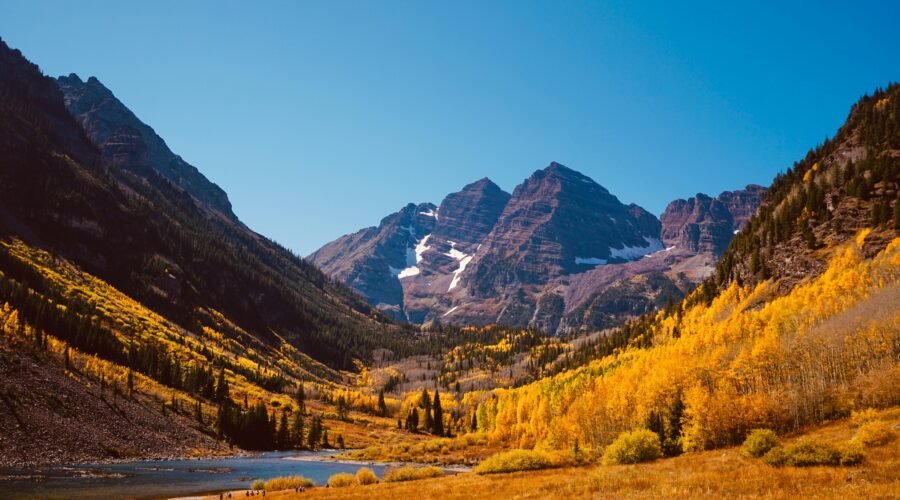
Fall is one of Aspen’s most recognizable seasons. The area’s namesake trees turn shades of yellow and gold against mountain slopes, evergreen forests, and sometimes snow-dusted peaks.
Fall Foliage Peak: Mid-September to Early October
Late September is a useful target for visitors hoping to see Aspen’s fall colors. However, the exact timing changes with elevation, temperature, weather, and the growing season.
The Aspen Chamber notes that the third week of September is commonly a promising period, while also emphasizing that peak foliage is difficult to predict.
Weather: Expect cool mornings, crisp evenings, and variable daytime conditions. Frost or early snowfall is possible.
Crowds: Popular scenic locations can attract substantial numbers of visitors during the best foliage weeks. Don’t assume that all of September is a quiet shoulder season.
Costs: Some fall dates may be less expensive than peak winter or summer. However, desirable foliage weekends can attract higher lodging demand.
Best activities: Photography, scenic drives, walking through aspen groves, and visiting the Maroon Bells when access is available.
For additional seasonal planning information, consult the Aspen Chamber’s official fall travel guide.
When Should You Visit Aspen Based on Your Travel Goals?
There isn’t one perfect month for every traveler. Use your main reason for visiting to narrow your choices.
- Skiing and snowboarding: December through March, with early April also worth considering when lifts remain open.
- Summer hiking: July and August, when higher trails are generally more accessible.
- Fall photography: Late September, while allowing flexibility for changing foliage conditions.
- A quieter vacation: Late April through May or parts of October and November.
- A potentially lower-cost trip: Compare late-spring and late-fall lodging rates.
- Festivals and cultural events: Plan around the published schedule of the event you want to attend.
If your dates are flexible, compare several nearby weeks. Moving a trip away from a major holiday, festival, or peak foliage weekend may make a meaningful difference to both availability and cost.
Visiting the Maroon Bells: An Important Seasonal Planning Detail
The Maroon Bells are among the best-known scenic attractions near Aspen. They’re especially popular during summer and fall.
However, access requires planning. Depending on the season and your transportation choice, visitors need a shuttle reservation or private-vehicle parking permit.
Before making plans:
- Check the current operating season and road conditions.
- Reserve the appropriate shuttle or parking access in advance.
- Confirm the departure location and return transportation.
- Check trail conditions if you plan to hike beyond the main scenic area.
- Allow extra time during popular foliage periods.
The Maroon Bells Scenic Area is not simply a drive-up attraction at all times of the year. Winter conditions and seasonal road restrictions can significantly change access.
Use the official Maroon Bells reservation information when planning your visit.
Navigating Aspen’s Altitude and Weather Quirks
Aspen sits at approximately 8,000 feet above sea level. That elevation affects the weather, physical activity, and how some visitors feel during their first few days.
Altitude Acclimatization: Take It Easy
Visitors arriving from lower elevations may notice that physical activity feels harder than usual.
Altitude-related symptoms can include headaches, nausea, dizziness, fatigue, and difficulty sleeping.
Some people adjust quickly, while others need more time. The body’s early acclimatization process takes place over several days.
Helpful precautions include:
- Keep physical activity light during your first 48 hours.
- Avoid alcohol during the initial adjustment period.
- Drink normally and avoid dehydration without forcing excessive water intake.
- Eat regular meals and allow adequate rest.
- Consider arriving before beginning demanding hikes or strenuous skiing.
- Discuss individual altitude risks with a healthcare professional before travel if you have relevant medical concerns.
Regular caffeine users do not necessarily need to stop drinking coffee. Abrupt caffeine withdrawal can itself cause headaches.
Warning: Do not continue ascending if symptoms of altitude illness develop. Confusion, difficulty walking normally, or breathlessness at rest may indicate a serious problem. Descend and seek urgent medical help. Severe altitude illness should not be treated as ordinary travel fatigue.
For detailed guidance, see the CDC’s high-altitude travel guidance.
Mountain Weather: Be Prepared for Anything
Mountain weather can change quickly, even when the day begins with sunshine.
Layering is key: In winter, combine a thermal base layer, insulating clothing, and waterproof outerwear. During summer and fall, bring a light insulating layer and a rain jacket.
Wind chill: Wind can make exposed skin feel significantly colder than the measured air temperature.
Sun exposure: Ultraviolet exposure increases with elevation. Use sunscreen, sunglasses, and protective clothing throughout the year.
Winter storms: Snow and wind can reduce visibility and affect mountain operations and transportation.
Summer thunderstorms: Plan exposed hikes early and allow enough time to return to lower terrain before storms develop.
Lightning Safety: If you hear thunder, seek a substantial enclosed building or a fully enclosed hard-topped vehicle. Avoid exposed ridges, summits, and isolated trees. A tent or open-sided shelter does not provide reliable lightning protection. Follow National Weather Service lightning safety guidance.
Understanding Aspen’s Crowd Dynamics
Visitor numbers vary by season, holiday, weather, and major events. Choosing the right week can matter as much as choosing the right month.
Winter Peak: Holidays and Ski Season
The busiest travel periods often include:
- Christmas and New Year’s: Strong demand for accommodation, dining, and ski services.
- Martin Luther King Jr. Day weekend: A popular winter holiday travel period.
- Presidents’ Day weekend: Another period when advance reservations are useful.
- Spring-break weeks: Demand can remain significant during March.
Lift-line conditions vary by mountain, lift, weather, and time of day. Avoid treating every winter day as equally crowded.
Shoulder Seasons: Quieter Travel Opportunities
Late April and May are often quieter after the ski season ends.
Parts of October and November can also offer a slower pace, particularly after the most popular foliage dates and before winter tourism increases.
The trade-off is reduced seasonal activity. Some mountain services, restaurants, and accommodations may have limited schedules.
Summer: Festivals and Outdoor Recreation
Summer attracts a different mix of visitors.
The Aspen Music Festival and School draws cultural travelers, while hikers, cyclists, and families visit for outdoor recreation.
Popular trailheads, scenic viewpoints, and restaurants can become busy during summer weekends.
Book important activities and accommodations ahead of time rather than assuming summer is a quieter alternative to skiing season.
Decoding Aspen’s Cost Structure: Beyond the Lift Ticket
Aspen can be expensive, but your total spending depends heavily on your dates, accommodation, transportation, and activities.
Instead of relying on fixed nightly price estimates, compare real booking quotes for your exact travel dates.
Accommodation: Often the Biggest Expense
Where you stay can make a major difference to your budget.
Peak winter: Holiday and ski-season demand can raise room rates, especially for centrally located or slopeside properties.
Summer: Popular vacation weeks and cultural events can increase lodging demand.
Shoulder seasons: Late spring and parts of fall may offer better rates, although seasonal closures can limit your choices.
Alternatives: Compare accommodation in downtown Aspen, Snowmass Village, Basalt, and other suitable locations in the Roaring Fork Valley.
Snowmass Village may offer convenient mountain access, while towns farther down the valley can provide additional lodging options. However, transportation time and costs should be included in the comparison.
If you’re considering a vacation rental, review the complete price, including cleaning charges, service fees, and any other mandatory costs.
Skiing and Snowboarding: Mountain Access Costs
Lift access can represent a substantial portion of a winter vacation budget.
Available ticket and pass products vary by season.
Single-day tickets: Compare prices for your exact skiing dates.
Multi-day options: Check whether a multi-day product costs less than buying individual days.
Season and specialty passes: Consider the applicable access dates, restrictions, and number of days you expect to ski.
Other expenses: Add equipment rentals, lessons, food, and transportation when calculating the total cost.
Buying ahead can reduce costs compared with waiting until arrival, but always read the refund and change policies before purchasing.
Dining and Entertainment: From Casual to Caviar
Aspen has everything from casual restaurants to high-end dining.
Fine dining: Reservations are useful during major holidays and popular travel periods.
Casual restaurants: Compare menus and locations rather than assuming every meal requires a luxury budget.
Groceries and cooking: Accommodation with a kitchen can help reduce food spending, especially for families or longer stays.
Free and low-cost activities: Walking through downtown, visiting public spaces, enjoying accessible trails, and exploring the area’s natural scenery can help balance more expensive activities.
How to Build a Realistic Aspen Travel Budget
Before booking, calculate your expected trip cost using these categories:
- Accommodation, including all taxes and mandatory fees.
- Flights or driving expenses.
- Airport transfers, car rental, parking, or public transportation.
- Lift tickets, activity reservations, and equipment rentals.
- Food and entertainment.
- Travel insurance and a reasonable allowance for unexpected expenses.
Then compare the same itinerary across several different travel dates.
Pro Tip: Compare the total trip price, not just the hotel rate. A cheaper room farther from Aspen may not provide better value if transportation adds significant expense or travel time.
Practical Tips for a Smoother Aspen Trip
Beyond weather, crowds, and costs, a few practical decisions can make your Aspen vacation much easier.
Transportation: Getting Around and Getting There
Aspen is located in Colorado’s Roaring Fork Valley, and the route you choose can affect both your travel time and expenses.
Flying to Aspen
Aspen/Pitkin County Airport (ASE): Located approximately three miles from downtown Aspen. It is the most convenient airport for many visitors when flights are operating.
Eagle County Regional Airport (EGE): Approximately 70 miles from Aspen. It provides another option, depending on flight availability and ground transportation.
Denver International Airport (DEN): Approximately 221 miles from Aspen, with driving time dependent on traffic, weather, and road conditions.
Grand Junction Regional Airport (GJT): Another alternative worth comparing for flight schedules and total transportation costs.
Important 2027 Airport Notice: Aspen/Pitkin County Airport is scheduled to close to aircraft operations from April 4, 2027, at 11 p.m. until November 19, 2027, at 7 p.m. for runway reconstruction. Travelers planning visits during this period should arrange flights through an alternative airport and allow time for ground transportation. Confirm the latest schedule through the official airport announcement.
Getting Around Aspen
If you’re staying in downtown Aspen, many shops, restaurants, and local attractions are within walking distance.
The Roaring Fork Transportation Authority, commonly called RFTA, operates useful public transportation services.
City of Aspen routes and Aspen–Snowmass travel within the designated free zone are fare-free. However, travel farther down the valley may require payment.
Seasonal routes and schedules can change, so check transportation details before your trip.
Consult the official RFTA fare information for current route and fare details.
Parking in central Aspen can be limited and expensive. If your accommodation provides suitable transit access, you may not need a rental car for every day of your visit.
Driving to Aspen
Winter driving requires preparation for snow, ice, changing visibility, and mountain road conditions.
One important route to understand is Independence Pass on Highway 82.
This scenic mountain route closes seasonally during winter. It generally reopens during the warmer months when conditions permit.
When the pass is closed, travelers arriving from Denver generally use Interstate 70 through Glenwood Springs and then Highway 82 toward Aspen.
Check Colorado Department of Transportation road conditions before departure, particularly during storms or seasonal transitions.
You can review current conditions at COtrip.
Booking and Planning: The Earlier, the Better
Advance planning is particularly useful when your dates coincide with major holidays, ski-season demand, summer festivals, or peak fall colors.
Accommodation: Book early when you need a specific location, room type, or travel date. Compare cancellation terms before committing.
Flights: Compare total travel costs across ASE and alternative airports, including the cost and duration of ground transportation.
Lift tickets: Review available advance-purchase products and their restrictions.
Restaurants: Reserve popular dining experiences ahead of time during busy periods.
Scenic attractions: Check whether destinations such as the Maroon Bells require transportation reservations or parking permits.
Seasonal operations: Confirm whether gondolas, lifts, restaurants, and outdoor activities will be open during shoulder-season visits.
What to Pack: Beyond the Ski Gear
Thoughtful packing helps because mountain conditions can change significantly throughout the day.
Winter Packing Essentials
- Thermal base layers.
- Insulating mid-layers.
- Waterproof and wind-resistant outerwear.
- Warm gloves, socks, and a hat.
- Insulated footwear with suitable traction.
- Sunglasses and sunscreen.
Summer and Fall Packing Essentials
- Comfortable walking or hiking shoes.
- Layers for cool mornings and evenings.
- A rain jacket.
- Sun protection.
- A reusable water bottle.
- A small daypack.
- A portable phone charger.
Bring any personal medications you may need, and check the weather forecast shortly before departure.
By matching your travel dates to your preferred activities, accounting for Aspen’s elevation, and comparing real booking prices, you can plan a trip that fits your interests and budget. Winter offers mountain sports, summer opens up outdoor adventures, and fall delivers some of Colorado’s most memorable scenery.
Frequently Asked Questions
1. What is the best time to visit Aspen, Colorado, for ideal weather?
June through August generally offers the warmest conditions for outdoor sightseeing and recreation. July and August can provide better access to higher hiking trails than early summer. However, afternoon thunderstorms are possible, so outdoor activities should be planned around the forecast.
2. When is the peak tourist season in Aspen, Colorado?
Winter is a major tourist season, particularly around Christmas, New Year’s, holiday weekends, and spring-break weeks. Summer also attracts substantial visitor demand, especially during popular vacation periods and cultural events.
3. What is the off-peak season in Aspen, Colorado?
Late April through May and parts of October and November are generally quieter periods. March can remain busy with ski visitors, while late September may attract significant fall foliage tourism. Some businesses and mountain activities operate on reduced schedules during the quieter seasons.
4. When is the best time to visit Aspen to avoid crowds?
Late April, May, and selected dates in October or November can be good options for a quieter visit. Avoid major holidays and check local event calendars. Remember that reduced crowds may also mean fewer operating attractions and seasonal services.
5. How much does it cost to visit Aspen during peak tourist season?
The total cost depends on your dates, accommodation, transportation, dining, and activities. Winter holiday periods and popular summer weeks can carry higher lodging demand. For an accurate budget, compare complete booking prices and include lift tickets, rentals, transportation, meals, and mandatory fees.
6. What month is best for seeing Aspen’s fall colors?
Late September is a useful target, but peak foliage varies each year. Higher and lower elevations may change color at different times. Check current local foliage reports and consider flexible travel dates if photography is your main priority.
7. Can you ski in Aspen during April?
Yes, early April can offer spring skiing. For the published 2026–27 season, Aspen Mountain and Snowmass are scheduled to remain open through April 18, subject to conditions. Aspen Highlands and Buttermilk have earlier scheduled closing dates.
8. Do you need a reservation to visit the Maroon Bells?
Visitors generally need an appropriate shuttle reservation or private-vehicle parking permit during the managed operating season. Requirements depend on transportation arrangements and the time of year. Check official reservation information before traveling.
9. Will Aspen airport be open during summer 2027?
No. Aspen/Pitkin County Airport has announced a temporary closure from April 4 through November 19, 2027, for runway reconstruction. Travelers should verify the latest airport schedule and consider alternative airports such as Eagle County, Denver, Grand Junction, or Montrose.
Sources
- Aspen Snowmass — Four Mountains — Official ski area information and operating-season details.
- Aspen Chamber — Fall Travel Guide — Seasonal foliage timing and fall travel information.
- Aspen Chamber — Maroon Bells Reservations — Scenic-area access, transportation, and reservation requirements.
- Aspen/Pitkin County Airport — 2027 Closure Announcement — Official runway reconstruction and closure dates.
- Roaring Fork Transportation Authority — Fare Information — Free and paid public transportation services.
- CDC Yellow Book — High-Altitude Travel and Altitude Illness — Acclimatization, prevention, symptoms, and safety guidance.