

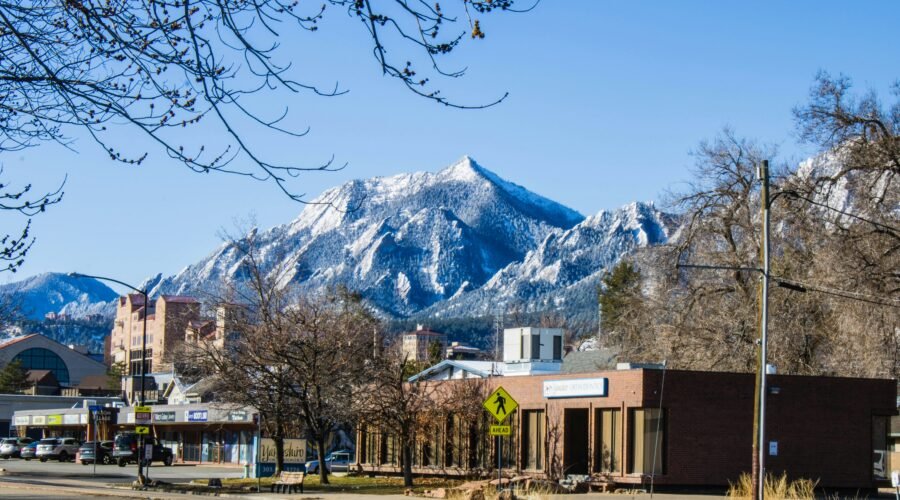
Planning a trip to Boulder, Colorado, and wondering what you’re getting into? Smart move. Knowing the weather, peak crowd times, and what your wallet will look like is pretty essential for a smooth and enjoyable visit. The short answer is: Boulder’s weather is generally beautiful, but can change on a dime, crowds are usually highest in the summer and during popular events, and costs can add up, especially for lodging and dining. Let’s dive into the nitty-gritty to help you plan your adventure.
Boulder boasts a semi-arid climate, meaning it gets plenty of sunshine year-round. However, “plenty of sunshine” doesn’t mean predictable, mild temperatures. The elevation plays a big role here, bringing cooler nights and the potential for significant temperature swings, even within a single day. Think crisp mornings, pleasant afternoons, and chilly evenings.
Spring: The Thaw and the Wildflowers
- March – May: Spring in Boulder is a bit of a mixed bag. You can expect sunshine, but also the very real possibility of snowstorms. It’s the transition season, where winter’s grip loosens and nature starts to wake up.
- Temperature Rollercoaster: Daytime highs might flirt with the 60s or even 70s on a warm, sunny day, but don’t be surprised to see temperatures dip back into the 30s or 40s, especially with lingering snow in the mountains. Evenings will definitely be cool, so pack layers!
- Flower Power: By late spring, Boulder truly starts to shine with wildflowers. Hiking trails, especially those at lower elevations, will be dotted with color. This is a beautiful time to visit if you can tolerate a bit of weather uncertainty.
- What to Pack: Think layers, layers, layers. Waterproof and windproof outerwear is a must. A sturdy pair of hiking boots is essential, as trails can get muddy. Don’t forget a hat and gloves, just in case.
Summer: Warm Days and Thunderstorms
- June – August: Summer is peak season for Boulder, and for good reason. The weather is generally warm and sunny, perfect for exploring the outdoors.
- Ideal for Activities: This is the prime time for hiking, biking, rock climbing, and enjoying the numerous patios around town. Long daylight hours mean you can pack a lot into your day.
- Afternoon Thunder: The flip side of summer warmth is the potential for afternoon thunderstorms, especially in July and August. These can be quite dramatic with lightning and heavy rain, so always keep an eye on the sky when you’re out and about. It’s wise to start hikes early to avoid this.
- Getting Hot: While not usually extreme, temperatures can reach the 80s and sometimes even the low 90s. The sun is intense at this altitude, so sunscreen and hydration are paramount.
- What to Pack: Light, breathable clothing for daytime. Definitely bring sunscreen, a wide-brimmed hat, and sunglasses. A light jacket or sweater is still a good idea for cooler evenings or after a storm.
Autumn: Golden Hues and Crisp Air
- September – November: Many consider fall to be the sweet spot for visiting Boulder. The summer crowds start to thin out, and the weather is often fantastic.
- Indian Summer: You can often experience “Indian Summer” days in September and even early October, with warm, sunny conditions that feel like an extension of summer.
- Aspen Apocalypse: The star of the show in autumn is the changing of the leaves. The aspens, primarily in the surrounding mountains, turn a brilliant golden yellow, creating breathtaking scenery. This usually peaks from mid-September to early October, but can vary year to year.
- Cooler with a Chance of Frost: Temperatures begin to cool significantly as the season progresses. Early fall can still see pleasant 70-degree days, but by November, you’re looking at highs in the 50s and 60s, with frost becoming more common.
- What to Pack: Similar to spring, layers are key. Long pants, t-shirts, a fleece, and a medium-weight jacket are good staples. Waterproof hiking shoes are still a good idea.
Winter: Snow Dusting and Sunny Days
- December – February: Boulder winters are generally mild for a mountain town, but you can still expect snow. The Front Range often gets dusted with snow, making for beautiful scenery.
- Sunshine is King: Even in winter, Boulder gets an impressive amount of sunshine. This means that even on cold days, the sun can feel quite warm, especially when you’re out of the wind.
- Snowfall Varies: While Boulder can get snow, it’s often not as heavy or persistent as in true mountain communities higher up. The snow often melts quickly on the lower trails due to the sunshine and warmer temps. However, significant snowstorms do happen.
- Cold, But Not Extreme: Daytime highs are typically in the 40s and 50s, but can dip into the 20s and 30s. Evenings and nights will be cold, often below freezing.
- Ski Season Nearby: If skiing or snowboarding is your main goal, Boulder is a fantastic base camp for accessing several ski resorts within a 1-2 hour drive.
- What to Pack: Warm layers are a must. A good, insulated winter jacket, hat, gloves, and a scarf are essential. Waterproof boots are highly recommended. If you plan on hitting the ski slopes, bring or rent appropriate gear.
For those planning a trip to Boulder, Colorado, understanding the best time to visit is crucial for an enjoyable experience. To further enhance your travel planning, you may find it helpful to read a related article that delves into various aspects of travel in the area, including local attractions and activities. Check out this informative piece at Lele Tours for more insights on making the most of your visit to Boulder.
Navigating Boulder’s Crowds: When to Go for Peace (or Buzz)
Boulder’s popularity means it can get busy, especially if you’re not strategic about your timing. Understanding crowd patterns can help you decide whether you prefer a lively atmosphere or a more tranquil experience.
Peak Season: Summer and the Festival Frenzy
- June, July, August: This is undeniably Boulder’s busiest season. Tourists flock to the area to enjoy the warm weather, outdoor adventures, and vibrant town life.
- Hiking Trails: Expect to see plenty of fellow hikers on popular trails like Chautauqua Park, Royal Arch, and Flatirons. Parking can also be a challenge during peak hours.
- Downtown Buzz: Pearl Street Mall is alive with activity, outdoor dining is in full swing, and shops can be packed.
- Major Events: Be aware of university events (like graduation or football games if CU is playing at home), major festivals, and conferences, which can significantly boost crowd numbers. Check the local event calendar before you book.
- Pros: Lively atmosphere, all outdoor activities are accessible, plenty of events and dining options.
- Cons: Higher prices, more crowded attractions, potential parking issues.
Shoulder Seasons: The Sweet Spots
- Spring (April-May) and Fall (September-October): These periods are often considered ideal for visiting Boulder. The weather is generally good, and the crowds are more manageable than in the summer.
- Fall Foliage: Peak fall foliage in early October can draw a significant number of leaf-peepers, making certain areas a bit busier.
- Outdoor Activities: You can still enjoy most of the outdoor activities Boulder is famous for, often with fewer people sharing the trails.
- Comfortable Prices: You might find slightly better deals on accommodation and flights compared to peak summer.
- Pros: Great weather, beautiful scenery (especially in fall), fewer crowds, often better value.
- Cons: Weather can be more unpredictable in spring, fall foliage is time-sensitive.
Off-Season: Quiet and Cozy
- November – March (excluding holidays): If you’re looking for a more relaxed and peaceful Boulder experience, consider visiting during the winter months.
- Quieter Trails: Hiking and nature trails will be much less crowded, offering a more solitary experience.
- Cozy Vibes: Downtown Boulder has a cozy winter charm, with fewer crowds in shops and restaurants.
- Deal Potential: You might find the best deals on lodging during this time.
- Ski Trip Base: This is a great time to visit if you’re primarily interested in using Boulder as a base for day trips to nearby ski resorts.
- Pros: Minimal crowds, potentially lower prices on accommodation, peaceful atmosphere.
- Cons: Colder weather, some outdoor activities might be limited by snow or ice, fewer outdoor events.
Understanding Boulder’s Costs: What to Budget For

Boulder is known for being a desirable place to live, and that desirability translates into costs for visitors. Lodging and dining are typically the biggest budget items.
Accommodation: From Budget-Friendly to Boutique
- Hotels: Boulder has a range of hotels, from well-known chains to charming independent options. Prices can vary significantly based on the season, location, and amenities. Expect to pay more during peak summer and popular event weekends.
- Boutique Hotels: For a more unique experience, consider Boulder’s boutique hotels that often offer character and prime locations, though they can command higher prices.
- Vacation Rentals: Platforms like Airbnb and VRBO offer apartments, condos, and houses, which can be a good option for families or longer stays, sometimes offering a more budget-friendly alternative to hotels. Be sure to factor in cleaning fees and service charges.
- Location Matters: Hotels closer to Pearl Street Mall or with mountain views will generally be more expensive. Staying a bit further out, or in nearby towns like Louisville or Lafayette, can offer savings if you don’t mind a short drive.
- Booking in Advance: For the best rates and availability, especially during busy periods, booking your accommodation well in advance is highly recommended.
Dining: Casual Bites to Fine Cuisine
- Pearl Street Mall: This is the heart of Boulder’s dining scene, offering everything from casual cafes and burger joints to upscale restaurants with farm-to-table menus. You can find options for nearly every budget.
- Casual Eats: Casual spots for breakfast, lunch, and quick bites are abundant. Think coffee shops, sandwich places, and breweries with food menus. These are your go-to for affordable and satisfying meals.
- Mid-Range Dining: Boulder excels in its mid-range dining scene, with restaurants offering creative dishes and good value. Many brewpubs and gastropubs fall into this category.
- Fine Dining: For a splurge, Boulder has several highly-rated restaurants that showcase local ingredients and innovative culinary techniques. These will, understandably, be the most expensive options.
- Happy Hour: Take advantage of happy hour deals at many restaurants and bars – it’s a great way to sample some of Boulder’s culinary offerings without breaking the bank.
- Groceries and Picnics: For significant savings, consider utilizing grocery stores for breakfast items, snacks, and picnic lunches for your outdoor adventures. Many trails have beautiful spots for an al fresco meal.
Activities and Entertainment: Free Nature to Paid Attractions
- Free Outdoor Adventures: The biggest draw to Boulder is its incredible access to nature, and much of it is free! Hiking in Chautauqua Park, exploring the Flatirons (from a distance unless you’re a seasoned hiker), walking or biking along the Boulder Creek Path – these are all great ways to experience Boulder without spending money on admission.
- State Parks/National Parks: While Boulder itself doesn’t have a national park directly in town, nearby Rocky Mountain National Park does have entrance fees. Colorado State Parks also have day-use fees.
- Museums and Attractions: Boulder has some interesting museums like the CU Museum of Natural History or the Boulder Museum of Contemporary Art. Entrance fees are generally reasonable.
- Breweries and Distilleries: Boulder has a thriving craft beer scene. Brewery tours and tastings are popular, with costs varying for samples or full glasses.
- Guided Tours: If you opt for guided tours (hiking, biking, historical walking tours), these will add to your expenses. Prices vary widely depending on the length and type of tour.
- Gear Rental: If you plan on activities like rock climbing or cycling and don’t have your own gear, factor in rental costs.
Getting Around Boulder: Navigating Without a Car

Boulder is a very walkable and bike-friendly city, and its public transportation system is quite good, making it possible to enjoy your visit without renting a car, which can save you a considerable amount of money on rental fees and parking.
Walking and Biking: The Boulder Lifestyle
- Pedestrian-Friendly: Pearl Street Mall is entirely pedestrian-only, and many neighborhoods are very walkable. If your accommodation is centrally located, you might find you can walk to many of your desired destinations.
- Bike Capital: Boulder is famous for its cycling culture. There are extensive bike lanes and paths throughout the city.
- B-cycle: Boulder has a popular bike-sharing program called B-cycle, which offers a convenient and affordable way to get around for short trips. You can rent bikes from various stations around town.
- Rental Shops: Numerous bike shops offer rentals for longer periods or for specific types of bikes (mountain bikes, road bikes). This can be a great option for exploring the extensive trail system.
Public Transportation: Buses and Shuttles
- RTD (Regional Transportation District): Boulder is served by RTD buses, which connect various parts of the city and also extend to Denver and other surrounding communities. The bus system is generally efficient and reliable.
- Routes and Schedules: Familiarize yourself with RTD routes and schedules, which are readily available online or via their mobile app. This is your best friend for navigating without a personal vehicle.
- University Routes: There are specific routes that serve the University of Colorado Boulder campus, which can be useful even if you’re not a student.
- Airport Shuttles: RTD also operates an airport shuttle service (the AB route) connecting Boulder directly to Denver International Airport (DIA), saving you the cost of a taxi or ride-share.
Ride-Sharing and Taxis
- Convenient, But Can Add Up: While ride-sharing services like Uber and Lyft are available in Boulder, they can become expensive if used frequently, especially for longer distances or during surge pricing.
- Parking Challenges: If you do plan to drive into Boulder, be aware that parking in popular areas like downtown and near trailheads can be challenging and may involve fees. This is another reason why public transport or walking/biking is often preferred.
If you’re planning a trip to Boulder, Colorado, understanding the best time to visit can greatly enhance your experience. For insights on how to navigate the various seasons, including weather patterns, crowd sizes, and cost considerations, you might find this article on travel tips particularly useful. It provides valuable information that complements your journey to Boulder, ensuring you make the most of your adventure in this beautiful city.
Essential Packing Tips for Boulder: Be Prepared for Anything
| Month | Weather | Crowds | Costs |
|---|---|---|---|
| January | Cold, snow | Low | Low |
| April | Mild, occasional snow | Medium | Medium |
| July | Warm, occasional thunderstorms | High | High |
| October | Cool, occasional snow | Medium | Medium |
Boulder’s climate and altitude mean that packing smart is key to ensuring comfort and enjoyment during your visit, regardless of the season. Think layers and versatility.
Layering is Your Best Friend
- Think Base, Mid, and Outer: Always pack in layers. A moisture-wicking base layer, an insulating mid-layer (like fleece or down), and a waterproof/windproof outer shell will prepare you for almost any weather condition.
- Versatility: This approach allows you to adjust your clothing throughout the day as temperatures fluctuate or as you move between indoor and outdoor environments.
Footwear: Essential for Exploration
- Comfortable Walking Shoes: You’ll be doing a lot of walking, whether it’s around downtown or on paved paths. Comfortable, broken-in walking shoes are a must.
- Hiking Boots: If you plan on hitting any of the mountain trails, proper hiking boots with good ankle support and traction are crucial. Even less strenuous trails can be uneven or rocky.
- Waterproof Options: Depending on the season, waterproof shoes or boots are a smart addition, especially for spring and fall when trails can be muddy or slick.
Sun Protection: The High-Altitude Sun is No Joke
- Sunscreen: The sun’s rays are significantly stronger at Boulder’s altitude. Pack a high SPF sunscreen and reapply frequently, especially when spending time outdoors.
- Hat: A wide-brimmed hat is excellent for protecting your face, neck, and ears.
- Sunglasses: Protect your eyes from the intense glare.
Hydration: Crucial at Altitude
- Reusable Water Bottle: Staying hydrated is paramount at altitude to help prevent altitude sickness and generally feel better. Bring a reusable water bottle that you can refill frequently.
- Electrolytes: Consider bringing electrolyte packets or drinks, especially if you plan on strenuous activities.
Other Essentials to Consider
- Backpack: A daypack is perfect for carrying essentials like water, snacks, sunscreen, a light jacket, and a map when you’re out exploring.
- Camera: You’ll want to capture the stunning scenery!
- Bug Spray: Depending on the season and your location, some areas might have mosquitoes or other biting insects.
- Small First-Aid Kit: For minor scrapes or blisters.
By considering these factors – the weather’s unpredictability, the ebb and flow of crowds, and the general cost of visiting – you can approach your Boulder adventure with confidence and make informed decisions to tailor your trip to your preferences and budget. Enjoy planning your visit to this beautiful Colorado gem!
FAQs
1. What is the best time to visit Boulder, Colorado for favorable weather?
The best time to visit Boulder, Colorado for favorable weather is during the summer months, from June to August. During this time, the weather is warm and dry, making it ideal for outdoor activities such as hiking and biking.
2. When is the peak tourist season in Boulder, Colorado?
The peak tourist season in Boulder, Colorado is during the summer months, from June to August. During this time, the city experiences an influx of visitors, leading to crowded attractions and higher accommodation costs.
3. What is the shoulder season in Boulder, Colorado?
The shoulder season in Boulder, Colorado is during the spring and fall months, from April to May and September to October. During these times, the weather is still pleasant, and there are fewer crowds, making it a great time to visit for those looking to avoid peak tourist season.
4. When is the best time to visit Boulder, Colorado to avoid high costs?
The best time to visit Boulder, Colorado to avoid high costs is during the shoulder season, in the spring and fall months. During these times, accommodation costs are lower, and there are often deals and discounts available for attractions and activities.
5. What is the winter like in Boulder, Colorado?
The winter in Boulder, Colorado is cold and snowy, with temperatures often dropping below freezing. While the city offers winter activities such as skiing and snowboarding, visitors should be prepared for winter weather conditions and potential road closures.
[…] Zurich with another destination where seasonal weather, crowds, and costs matter, this guide to the best time to visit Boulder, Colorado uses a similar planning […]