

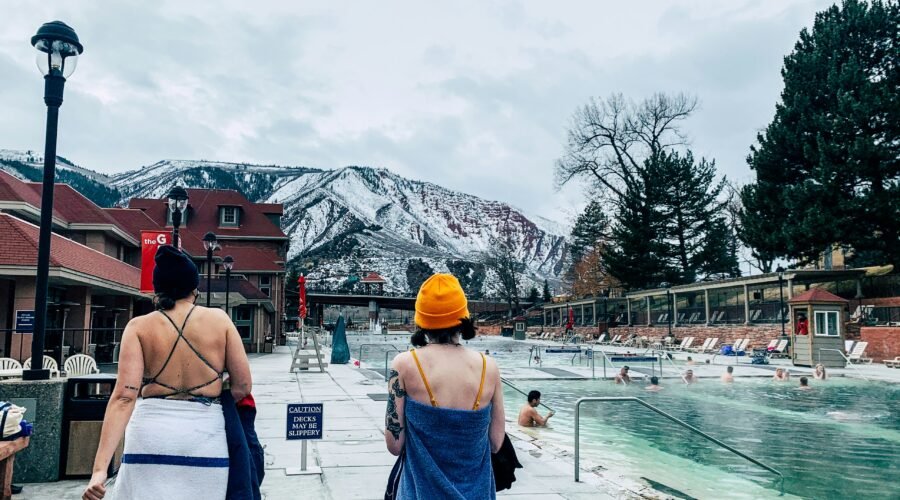
Planning a trip to Colorado Springs? The best time to visit depends on whether you want comfortable hiking weather, colorful mountain scenery, summer activities, or a quieter winter escape. Each season has its advantages, but late spring and early fall offer an especially appealing balance of weather and sightseeing opportunities.
Quick Answer
The best time to visit Colorado Springs is generally May through early June or September through early October. These periods offer comfortable temperatures, excellent sightseeing opportunities, and potentially fewer visitors than peak summer. June through August suits travelers seeking long days and summer activities, while winter offers quieter sightseeing and snow-covered mountain views.
Key Takeaways
- Best overall balance: May, early June, and September.
- Best for summer activities: June through August, with afternoon thunderstorms to consider.
- Best for fall colors: Usually mid-September through early October in the surrounding mountains.
- Best for quieter travel: November, January, and February outside major holiday periods.
- Best for flexible budgets: Compare spring, fall, and nonholiday winter dates rather than assuming one month is always cheapest.
- Important: Pikes Peak summit access depends on weather, and summer highway reservations may be required.
Spring: Changing Weather and Fewer Crowds (March–May)
Spring in Colorado Springs is a season of transition. Snow remains possible, especially in March and April, but the days gradually become warmer and longer. Lower-elevation trails begin drying out while Pikes Peak and the surrounding mountains may remain snow-covered.
Spring is particularly appealing if you want to explore outdoor attractions before the busiest summer travel period. Just remember that mountain weather can change quickly, and a warm afternoon does not guarantee a snow-free trail.
March: Still Wintry, but Changing
March often feels like an extended goodbye to winter. You can enjoy sunny afternoons, but snow and freezing nighttime temperatures remain common possibilities.
The National Weather Service’s 1991–2020 climate normals show an average March high of approximately 55°F and an average low of 27°F.
What to Expect
- Weather: A mix of sunshine, cold mornings, rain, and snow. Mountain trails may remain icy or snow-covered.
- Crowds: Generally lighter than summer, although spring-break travel can increase demand.
- Costs: Some accommodations may offer attractive rates. Compare weekdays and weekends before booking.
- Things to do: Explore Garden of the Gods, visit museums, take scenic drives when conditions allow, and enjoy lower-elevation walking trails.
Indoor attractions such as the U.S. Olympic & Paralympic Museum provide useful alternatives when the weather turns cold or snowy.
April: Warming Up, but Still Unpredictable
April brings longer days and increasingly comfortable afternoons. However, it remains an unpredictable weather month, with the possibility of rain, wind, and substantial late-season snowfall.
The average daytime high is approximately 61°F, but individual days can be much warmer or colder.
What to Expect
- Weather: Variable spring conditions, including sunshine, rain, and occasional snowstorms.
- Crowds: Usually moderate, with possible increases around school vacations.
- Costs: Accommodation rates vary, but flexible travelers may find opportunities outside busy weekends.
- Things to do: Visit Garden of the Gods, explore Manitou Springs, and hike lower-elevation trails when conditions are suitable.
April can be a rewarding sightseeing month if you build some flexibility into your itinerary.
May: Spring in Full Bloom
May is one of the most appealing months for visiting Colorado Springs. The landscape becomes greener, flowers begin appearing, and daytime temperatures are generally comfortable for outdoor exploration.
The average high is approximately 71°F, with an average low near 44°F.
What to Expect
- Weather: Mild to warm days, cool evenings, occasional showers, and a small remaining possibility of snowfall.
- Crowds: Visitor numbers may increase toward Memorial Day weekend.
- Costs: Prices can rise as summer approaches. Booking ahead may provide more accommodation choices.
- Things to do: Hiking, biking, Garden of the Gods, Cheyenne Mountain Zoo, Royal Gorge excursions, and scenic drives.
May is an especially good choice if you prefer outdoor activities without the sustained heat of midsummer.
Keep in mind that Pikes Peak summit conditions can remain wintry even when Colorado Springs feels warm. Check highway access before making the mountain the centerpiece of your day.
Summer: Warm Weather and Busy Attractions (June–August)
Summer is a popular time to visit Colorado Springs because of its long daylight hours, warm temperatures, and wide range of outdoor activities.
However, the warmer months also bring increased demand at major attractions and the possibility of afternoon thunderstorms. Popular destinations may require advance reservations.
June: Warm Days and Outdoor Adventures
June offers long days and generally comfortable summer weather. The average daytime high is approximately 82°F, while evenings are usually much cooler.
What to Expect
- Weather: Warm days, cool evenings, strong sunshine, and developing summer thunderstorms.
- Crowds: Visitor activity increases as school vacations begin.
- Costs: Hotels and popular activities may become more expensive as summer demand rises.
- Things to do: Hiking, biking, rock climbing, scenic drives, Garden of the Gods, Red Rock Canyon Open Space, and Seven Falls.
June is a strong choice for travelers who want a full summer experience without necessarily encountering the warmest part of the year.
July: Warmest Weather and Summer Crowds
July is typically the warmest month in Colorado Springs. The average high is approximately 87°F, although hotter days are possible.
It is also one of the wetter months by average precipitation, so warm weather does not mean rain-free conditions.
What to Expect
- Weather: Warm to hot afternoons, cool nights, and possible thunderstorms.
- Crowds: Popular attractions and parking areas can be busy, particularly on weekends and holidays.
- Costs: Expect strong summer demand for accommodations and activities.
- Things to do: Explore Garden of the Gods, visit Pikes Peak when conditions permit, enjoy festivals, and plan early-morning hikes.
If you visit in July, consider scheduling your most important outdoor activities for the morning.
Warning: Summer thunderstorms can create dangerous lightning conditions on exposed trails and mountain summits. Check the forecast before hiking, avoid exposed ridges when storms threaten, and seek shelter in a substantial building or enclosed, hard-topped vehicle when you hear thunder. Wait at least 30 minutes after the last thunder before returning outdoors.
August: Summer Weather With a Possible Late-Month Crowd Reduction
August remains warm and well suited to outdoor sightseeing. The average daytime high is approximately 84°F.
Some family travel may decline as schools resume, although major attractions can remain busy.
What to Expect
- Weather: Warm days, relatively cool nights, and possible afternoon thunderstorms.
- Crowds: Often busy early in the month, with possible reductions later.
- Costs: Summer pricing may continue, but individual properties can offer different rates as demand changes.
- Things to do: Hiking, biking, sightseeing, scenic drives, festivals, and visits to quieter trails.
Late August is worth comparing with September if your travel dates are flexible.
Autumn: Comfortable Weather and Colorful Scenery (September–November)

Autumn is one of the most attractive seasons for visiting Colorado Springs. Summer crowds begin easing, daytime temperatures become cooler, and the surrounding mountains develop golden fall colors.
The exact timing of foliage varies with elevation, temperature, and precipitation. In the Pikes Peak region, the usual viewing window is approximately mid-September through early October.
September: Comfortable Weather and Fall Colors
September offers a particularly appealing combination of comfortable temperatures and outdoor recreation.
The average high is approximately 77°F, with an average low near 49°F. Evenings can feel noticeably cooler than afternoons.
What to Expect
- Weather: Generally comfortable days and cooler nights. Early-season snow remains possible, particularly in the mountains.
- Crowds: Some attractions become less busy after Labor Day.
- Costs: Travelers may find more competitive accommodation options outside weekends and special events.
- Things to do: Hiking, biking, scenic drives, Garden of the Gods, and fall-foliage excursions.
September is a particularly good choice for first-time visitors who want to combine city sightseeing with mountain scenery.
October: Crisp Air and Changing Mountain Conditions
October brings cooler temperatures and a distinctly autumn atmosphere. The average daytime high is approximately 65°F, while overnight temperatures can approach freezing.
Fall foliage may remain visible in some lower or sheltered locations, but higher-elevation colors often peak earlier.
What to Expect
- Weather: Cool mornings, comfortable afternoons, and the possibility of snow.
- Crowds: Generally quieter than the busiest summer period.
- Costs: Some hotels may offer attractive rates, although popular foliage weekends and events can affect prices.
- Things to do: Scenic drives, lower-elevation hikes, Garden of the Gods, museums, and seasonal events.
October is an excellent month for travelers who enjoy cooler weather and do not mind adjusting plans around changing mountain conditions.
Pro Tip: If fall colors are your main goal, avoid relying on one exact date. Higher-elevation aspens often change before trees at lower elevations. Check regional foliage updates shortly before your trip.
November: Winter Approaches
November is a transition month. The average daytime high is approximately 53°F, but nighttime temperatures frequently fall below freezing.
Snow becomes a more meaningful possibility, and some mountain roads or attractions may have weather-related limitations.
What to Expect
- Weather: Cool days, cold nights, and possible snow or ice.
- Crowds: Often quieter outside Thanksgiving week.
- Costs: Some accommodation options may be competitively priced, particularly on nonholiday dates.
- Things to do: Museums, downtown exploration, scenic drives when roads are clear, and shorter outdoor walks.
November works well for travelers seeking a slower-paced trip with a mix of indoor and outdoor activities.
Winter: Snowy Mountain Views and Quieter Sightseeing (December–February)

Winter in Colorado Springs brings cold mornings, occasional snowstorms, and beautiful views of snow-covered mountains.
The city can also experience sunny winter days, so visitors should not assume that snow will cover the ground throughout their stay.
If you enjoy peaceful sightseeing, museums, seasonal celebrations, or winter landscapes, this season offers plenty of opportunities. However, mountain access and outdoor plans require flexibility.
December: Holiday Atmosphere and Cold Weather
December brings festive decorations, seasonal events, and colder temperatures. The average high is approximately 45°F, while the average low is around 19°F.
What to Expect
- Weather: Cold mornings and evenings, intermittent snowfall, and occasional sunny afternoons.
- Crowds: Generally lighter than peak summer, although holiday events can attract visitors.
- Costs: Christmas and New Year’s travel can increase accommodation demand.
- Things to do: Holiday lights, seasonal events, museums, winter sightseeing, and Garden of the Gods when conditions permit.
Travelers interested in skiing or snowboarding should plan separate trips to mountain resorts elsewhere in Colorado rather than assuming downhill ski facilities are located in central Colorado Springs.
January: Cold Weather and Quieter Travel
January is among the coldest months in Colorado Springs. The average high is approximately 45°F, while the average low is around 19°F.
Snowfall is possible, but sunny and relatively dry periods also occur.
What to Expect
- Weather: Cold mornings, freezing nights, occasional snow, and potentially icy roads or trails.
- Crowds: Often quieter after the New Year’s holiday period.
- Costs: Some hotels may offer lower rates during quieter travel periods, but prices should be checked for specific dates.
- Things to do: Museums, winter photography, scenic sightseeing, and trips to mountain ski areas when conditions allow.
January can be a pleasant time for a relaxed visit if you are comfortable with cold weather and flexible outdoor plans.
February: Cold Days and Gradually Longer Daylight
February remains firmly within the winter season, although the days gradually become longer.
The average daytime high is approximately 47°F, while overnight temperatures remain well below freezing on average.
What to Expect
- Weather: Cold mornings, possible snow, and occasional mild afternoons.
- Crowds: Often relatively light outside holiday weekends and special events.
- Costs: Nonholiday dates may offer opportunities for lower accommodation rates.
- Things to do: Indoor attractions, winter scenery, scenic drives when conditions permit, and mountain winter sports excursions.
February suits travelers who enjoy winter landscapes but prefer an itinerary that does not depend on guaranteed snow conditions.
Colorado Springs Weather and Travel Conditions by Month
The following table uses approximate average daily high and low temperatures from the National Weather Service’s 1991–2020 climate normals. These are historical averages, not forecasts for a particular trip.
| Month | Average High / Low | Typical Conditions | Travel Considerations |
|---|---|---|---|
| January | 45°F / 19°F | Cold; possible snow | Quiet winter sightseeing |
| February | 47°F / 20°F | Cold; possible snow | Winter activities and museums |
| March | 55°F / 27°F | Variable; spring snow possible | Flexible sightseeing plans |
| April | 61°F / 34°F | Mild days; rain or snow possible | Lower-elevation sightseeing |
| May | 71°F / 44°F | Mild to warm | Hiking and outdoor sightseeing |
| June | 82°F / 53°F | Warm; possible thunderstorms | Long days and summer activities |
| July | 87°F / 58°F | Warmest month; thunderstorms possible | Busy attractions; morning hikes |
| August | 84°F / 57°F | Warm; possible afternoon storms | Summer recreation |
| September | 77°F / 49°F | Comfortable days; cooler nights | Hiking and fall colors |
| October | 65°F / 37°F | Cool; snow possible | Scenic drives and fall sightseeing |
| November | 53°F / 26°F | Cold nights; possible snow | Quieter sightseeing |
| December | 45°F / 19°F | Cold; occasional snow | Holiday events and winter scenery |
Climate source: National Weather Service — Colorado Springs Climate Normals, 1991–2020.
Best Time to Visit Colorado Springs Based on Your Priorities
The right month depends on what you want to experience. Use the following recommendations to match your travel dates with your preferred activities, weather, and budget.
For Budget Travelers
If you’re trying to stretch your travel budget, compare dates during the shoulder seasons and quieter winter periods.
- Late September to mid-October: Comfortable sightseeing weather may coincide with more accommodation choices after the busiest summer period.
- Mid-January to mid-March: Some hotels may offer attractive rates outside holidays and special events.
- Weekday travel: Sunday-through-Thursday stays are worth comparing with weekend prices.
- Flexible reservations: Refundable accommodation can help you adjust plans when better rates become available.
Do not assume that one month is always the cheapest. Compare total prices, including taxes, parking, transportation, and attraction fees.
For Outdoor Enthusiasts
The most suitable season depends on the activity you want to enjoy.
- Hiking and biking: May, September, and early October offer comfortable conditions for many lower-elevation routes.
- Summer mountain activities: June through August provides long daylight hours, but thunderstorms and high-elevation weather require attention.
- Winter sports: December through March can provide skiing and snowboarding opportunities at mountain resorts elsewhere in Colorado. Check resort-specific conditions and travel times.
- Scenic drives: Late spring through early fall generally offers broader opportunities, although individual mountain roads remain weather-dependent.
Trail accessibility depends on elevation, recent precipitation, snowpack, and maintenance. Check conditions for your specific route rather than relying only on the city forecast.
For Avoiding Crowds
If a peaceful experience is your goal, consider traveling outside the main summer vacation period.
- November: Often quieter outside Thanksgiving week.
- January and February: Good options for travelers comfortable with winter conditions.
- Early March: May offer lighter visitor activity before spring-break travel increases.
- Weekday mornings: Often a useful choice for visiting popular attractions regardless of season.
Even in quieter months, weekends, holidays, and special events can increase visitor numbers.
For Comfortable Weather
If you prefer pleasant temperatures for sightseeing, late spring and early fall deserve particular attention.
- Late May and early June: Generally comfortable days, greener landscapes, and good opportunities for outdoor recreation.
- September: Warm afternoons, cooler evenings, and excellent conditions for many sightseeing activities.
- Early October: Cooler walking weather and autumn scenery, with a greater possibility of cold mornings and snow.
Travelers who prefer hotter weather and long summer days may enjoy July or August instead.
Important Things to Know Before Visiting Colorado Springs
Check Pikes Peak Access and Reservations
Pikes Peak is one of the region’s major attractions, but summit access should never be treated as guaranteed.
The Pikes Peak Highway is open throughout the year when weather permits. Snow, ice, wind, and other conditions can cause partial or full closures.
Seasonal reservations may also be required for visitors driving their own vehicles to the summit.
Before visiting, check the City of Colorado Springs’ official Pikes Peak visitor information.
For current road conditions, call 719-385-7325 and select option 1.
Allow approximately two to three hours for a highway round trip, with additional time for stops and sightseeing.
Understand the Difference Between City and Summit Weather
Colorado Springs and the summit of Pikes Peak can experience dramatically different conditions on the same day.
A warm afternoon in the city can coincide with freezing temperatures, strong wind, or snow at higher elevations.
Bring extra layers and check the forecast for your specific destination before leaving.
Note: Historical monthly temperature averages describe typical conditions in Colorado Springs. They should not be used as a substitute for a current mountain forecast.
Make Time for Garden of the Gods
Garden of the Gods is one of the region’s most accessible year-round attractions.
The park and its Visitor & Nature Center offer free admission. Visitors can enjoy paved walking routes, scenic viewpoints, and trails of different difficulty levels.
The park is particularly attractive during the cooler hours of summer mornings and on clear spring or fall days.
Operating hours vary seasonally, so check the official Garden of the Gods visitor information before your trip.
Prepare for High Altitude
Colorado Springs sits at a higher elevation than many U.S. cities, and visitors traveling from low elevations may notice the thinner air.
Pikes Peak is substantially higher, reaching more than 14,000 feet above sea level.
If you are not accustomed to altitude, begin with easier activities, stay hydrated, and avoid pushing yourself too hard immediately after arrival.
Headache, nausea, unusual fatigue, and dizziness may indicate altitude illness. Symptoms can become serious, particularly when travelers continue ascending.
The CDC’s high-altitude travel guidance explains prevention, symptoms, and when to seek medical care.
Pack for More Than One Type of Weather
Colorado Springs weather can change quickly, especially during spring, fall, and mountain excursions.
A practical packing list includes:
- Comfortable walking shoes with reliable traction.
- A light jacket or fleece for cool evenings.
- A waterproof outer layer for rain or snow.
- Sunscreen, sunglasses, and a hat.
- A reusable water bottle.
- Warmer clothing for Pikes Peak or other high-elevation destinations.
- Additional winter layers and appropriate footwear during colder months.
If you plan to hike, carry the supplies appropriate for the route and check the weather before starting.
Have an Indoor Backup Plan
Rain, snow, thunderstorms, or high winds can disrupt outdoor activities in any season.
Consider keeping museums, restaurants, downtown sightseeing, and other indoor attractions available as alternatives.
That flexibility makes it easier to enjoy your trip without feeling pressured to continue an outdoor activity in unsafe conditions.
Frequently Asked Questions
1. What is the best time of year to visit Colorado Springs, Colorado?
May, early June, and September offer an appealing balance of comfortable weather and sightseeing opportunities. June through August is suitable for travelers who want long summer days and a full range of outdoor activities. Early fall is particularly attractive for cooler temperatures and mountain scenery.
2. What is the weather like in Colorado Springs throughout the year?
Colorado Springs has a semi-arid climate with cold winters, variable spring weather, warm summers, and cooler autumn conditions. Snow can occur outside winter, especially in spring and fall. Summer also brings thunderstorms, particularly during the afternoon.
3. When are the peak tourist seasons in Colorado Springs?
Summer is a popular travel period, especially from June through August. Holiday periods, spring break, and major local events can also increase visitor demand. Popular attractions may be busy even outside the main summer season.
4. When is the off-peak season in Colorado Springs?
November and the nonholiday parts of January and February are often quieter periods. March and April may also provide lighter crowds, although weather can be unpredictable. Individual events and holidays can affect visitor numbers.
5. How does the cost of visiting Colorado Springs vary throughout the year?
Accommodation and activity prices depend on demand, holidays, events, booking dates, and availability. Summer and major holiday periods can be more expensive, while some spring, fall, and nonholiday winter dates may offer better value. Compare actual prices before choosing your dates.
6. When is the best time to see fall colors near Colorado Springs?
Fall colors in the surrounding Pikes Peak region usually develop from mid-September through early October. The timing varies by elevation and annual weather conditions. Check local foliage reports shortly before traveling.
7. Can you visit Pikes Peak in winter?
Yes, when weather and road conditions permit. However, snow, ice, and strong winds may restrict access or close sections of the highway. Check official conditions on the day of your visit.
8. Do you need a reservation to drive to Pikes Peak?
Seasonal reservations may be required for personal vehicles traveling to the summit during the warmer months. Requirements and operating conditions can change, so check the official Pikes Peak website before your visit.
9. Is Colorado Springs worth visiting in winter?
Yes. Winter offers quieter sightseeing, mountain views, museums, holiday activities, and opportunities for snow photography. However, visitors should prepare for freezing temperatures and possible weather-related travel disruptions.
Sources
- National Weather Service — Colorado Springs Climate Normals — Historical monthly temperatures, precipitation, and snowfall using the 1991–2020 reference period.
- City of Colorado Springs — Plan Your Visit to Pikes Peak — Official highway access, operating conditions, and visitor information.
- Garden of the Gods Visitor & Nature Center — Park Information — Official park access, admission, and seasonal operating information.
- Visit Colorado Springs — Fall in Colorado Springs — Regional foliage timing and autumn travel information.
- National Weather Service — Lightning Safety — Official outdoor thunderstorm precautions and shelter guidance.
- Centers for Disease Control and Prevention — Travel to High Altitudes — Altitude adjustment, prevention, and symptoms of altitude illness.



[…] If you’re planning a trip to Coral Bay, Western Australia, understanding the best time to visit can greatly enhance your experience. Factors such as weather, crowds, and costs play a crucial role in your travel plans. For those interested in exploring similar topics, you might find the article on the best time to visit Colorado Springs insightful as it covers essential aspects like weather conditions, tourist crowds, and budget considerations. You can read more about it here: Best Time to Visit Colorado Springs. […]