

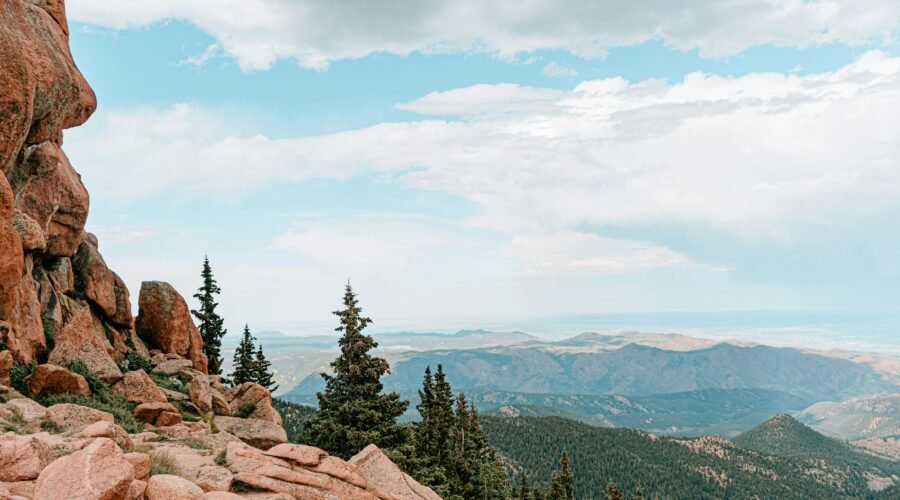
So, when is the best time to visit Colorado? It depends on whether you’re planning a mountain hiking trip, a ski vacation, a fall-color road trip, or a relaxed city break. Colorado offers something worth seeing year-round, but the weather, crowds, and prices can change dramatically between Denver and the high mountains.
Quick Answer
September to early October and late May to early June can offer a good balance of pleasant sightseeing weather and fewer peak-season crowds. Choose July through September for high-country hiking, late September for golden aspens, and winter for skiing. Spring can offer lower prices, but snow and muddy trails may limit mountain activities.
For most travelers, the important question isn’t simply which month is warmest. It’s which month provides access to the activities and destinations you actually want to enjoy.
Here’s how to choose your dates based on Colorado’s seasons, weather, visitor numbers, and typical travel costs.
Key Takeaways
- Best overall balance: September and early October are appealing for scenic drives, sightseeing, and fall weather.
- Best for high-elevation hiking: July through September generally offers wider access to alpine trails, although conditions vary.
- Best for fall colors: Mid-September through early October is a useful planning window for many mountain destinations.
- Best for skiing: December through March is the main planning window, with some resorts operating earlier or later.
- Potentially lower-cost periods: April, May, and November may offer accommodation deals in some destinations.
- Important: Check park reservations, mountain-road conditions, and the forecast before traveling.
1. Summer: Hiking, Wildflowers, and Mountain Adventures
Summer is one of Colorado’s most popular travel seasons. Long daylight hours, green mountain valleys, festivals, and outdoor recreation make it appealing for visitors who want to spend much of their vacation outside.
However, summer conditions vary significantly by elevation. Denver and the eastern plains can become hot, while higher mountain destinations remain cooler. Afternoon thunderstorms are another important consideration, especially for hikers.
Sunny Skies and Mountain Highs
- Weather: Lower elevations often experience warm or hot afternoons. Mountain towns are usually cooler, and temperatures can drop sharply at night. High mountain areas may experience strong winds, rain, hail, or even snow.
- What to do: Hiking, mountain biking, camping, scenic drives, rafting, festivals, and national park visits are major summer activities.
- Crowds: Popular mountain towns, national parks, and trailheads can become busy, particularly on weekends and holidays.
- Costs: Summer demand can increase lodging and rental-car prices, especially in well-known vacation destinations.
- Best for: Travelers who want access to outdoor activities and are comfortable planning ahead.
Rocky Mountain National Park is a major summer destination. Trail Ridge Road provides access to spectacular high-elevation scenery, but its opening date and temporary closures depend on snow and weather.
Check the National Park Service road-status page before planning a drive across the park.
Mid-Summer Bloom (July–August)
July and August bring warmer mountain weather, alpine wildflowers, outdoor concerts, art fairs, and a wide range of recreational activities.
- Weather: Warm afternoons are common, but thunderstorms may develop quickly. Mountain forecasts can differ considerably from forecasts for nearby cities.
- What to do: Explore alpine meadows, hike established trails, visit mountain towns, attend festivals, or enjoy scenic drives.
- Crowds: Expect heavy demand at popular parks, lakes, trailheads, and vacation destinations.
- Costs: Accommodation prices can be high where summer demand is strong. Booking ahead gives you more choices.
Wildflower timing depends on elevation, snowmelt, and the year’s weather. Lower areas may bloom earlier, while alpine meadows can reach their most colorful period later in summer.
Warning: Colorado’s summer thunderstorms can create dangerous lightning conditions. Start exposed mountain hikes early, check the forecast, and plan to reach appropriate shelter before storms develop. If you hear thunder, seek a substantial building or enclosed, hard-topped vehicle. Stay sheltered for at least 30 minutes after the last thunder. A tent, isolated tree, or open picnic shelter is not safe lightning protection.
For additional guidance, review the National Weather Service lightning safety recommendations.
Early Summer Sweetness (May–June)
May and June bridge Colorado’s spring and summer seasons. This period can be appealing for travelers who want milder sightseeing weather or outdoor adventures before the busiest summer weeks.
- Weather: May remains changeable, with possible snow at higher elevations. June brings warmer conditions, although high mountain trails can remain snow-covered.
- What to do: Explore Denver and Boulder, enjoy lower-elevation hikes, visit mountain communities, or plan a guided rafting trip.
- Crowds: Some destinations are quieter than they are in July and August, but holiday weekends and popular attractions can still be busy.
- Costs: Lodging deals may be available before peak summer demand, depending on the destination and dates.
May and June are also important snowmelt months for Colorado’s rivers. Rafting conditions vary by river and water level, so match your trip to your experience and use a qualified outfitter.
Colorado’s official whitewater rafting guide describes the usual May-to-September season, including stronger early-season flows and potentially milder conditions later in summer.
If your trip includes both cities and mountains, plan around your highest destination. A warm day in Denver does not mean a trail above 10,000 feet will be snow-free.
2. Fall: Colorado’s Golden Season
Colorado’s fall season is famous for its golden aspen trees, crisp mornings, and colorful mountain landscapes.
September and early October are particularly attractive for travelers who enjoy scenic drives, photography, hiking, and cooler sightseeing weather.
Aspen Gold and Crisp Air
- Weather: September often brings comfortable daytime conditions, but mountain nights can be cold. Frost and early snowfall are possible.
- What to do: Enjoy scenic byways, photograph aspen groves, hike suitable trails, visit mountain towns, and attend seasonal events.
- Crowds: Some destinations become quieter after summer, although major foliage-viewing areas can be crowded during peak weekends.
- Costs: Prices may decrease after the summer rush, but popular foliage destinations can charge premium rates during their busiest weekends.
- Best for: Scenic road trips, photography, moderate-weather sightseeing, and travelers who prefer autumn landscapes.
Popular fall drives include the Peak to Peak Scenic Byway, Kebler Pass, and Independence Pass when conditions allow.
Mountain roads can close because of snow, ice, or seasonal restrictions. Always check access before starting a long scenic drive.
Peak Fall Foliage (Late September–Early October)
Mid-September through early October is a practical planning window for seeing Colorado’s famous golden aspens, but peak color does not arrive everywhere simultaneously.
Higher-elevation mountain areas often change earlier, while lower valleys may retain fall color later.
Colorado’s official tourism guidance describes the fall season as generally occurring during September and early October above 8,500 feet, with a later window at lower elevations.
See the official Colorado fall travel guide for seasonal ideas and regional information.
- Weather: Expect cool mornings and potentially pleasant afternoons, along with the possibility of early mountain snow.
- What to do: Drive scenic routes, visit aspen groves, take landscape photographs, or explore accessible hiking trails.
- Crowds: Weekends at popular viewpoints can be busy.
- Costs: Accommodation prices may rise in destinations known for fall foliage.
Pro Tip: If seeing golden aspens is your main goal, avoid building your entire trip around one exact peak-color date. Give yourself several days and consider destinations at different elevations. This increases your flexibility if the colors arrive earlier or later than expected.
Shoulder Season Transition (Late October–November)
Late October and November mark the transition from fall recreation to winter tourism.
- Weather: Cold mornings, changing conditions, and mountain snow become increasingly common.
- What to do: Enjoy museums, city attractions, restaurants, scenic lower-elevation destinations, and early winter activities where available.
- Crowds: Many destinations experience a quieter period between the foliage season and major winter travel.
- Costs: Some properties offer attractive rates, but pricing varies by destination and event calendar.
Many high-elevation roads and summer-oriented attractions have reduced access by this point. Some ski resorts begin opening when snow and snowmaking conditions permit.
This can be a useful period for travelers who value flexibility, quieter surroundings, and indoor activities.
3. Winter: Skiing, Snowboarding, and Snowy Scenery

Winter is the main travel season for Colorado’s ski resorts. Visitors come for skiing, snowboarding, snowshoeing, winter landscapes, and the atmosphere of mountain towns.
However, winter conditions vary across the state. A ski resort may have substantial snow while Denver experiences relatively mild weather.
White Peaks and Snowy Escapades
- Weather: Mountain destinations experience cold temperatures, snow, wind, and icy conditions. Lower elevations may have milder intervals between storms.
- What to do: Skiing, snowboarding, snowshoeing, cross-country skiing, ice skating, and winter sightseeing are popular activities.
- Crowds: Resorts can be particularly busy during major holidays, weekends, and school vacations.
- Costs: Ski-area lodging, lift tickets, and rentals can be expensive during high-demand periods.
- Best for: Travelers who want snow sports or a mountain winter experience.
Vail, Breckenridge, Aspen Snowmass, and Telluride are among Colorado’s well-known ski destinations.
Choose a resort based on your preferred terrain, travel budget, transportation needs, and the activities available to non-skiers in your group.
Peak Ski Season (December–March)
December through March is the main winter vacation window for many Colorado ski destinations.
- Weather: Snowfall and conditions vary by location, elevation, and the individual winter season.
- What to do: Skiing, snowboarding, winter recreation, and resort activities are the primary attractions.
- Crowds: Christmas, New Year’s, Presidents’ Day weekend, and spring break can bring heavy demand.
- Costs: Popular resorts often charge higher rates during holidays and school vacation periods.
January and February are appealing for travelers seeking midwinter conditions, but no particular month guarantees fresh powder.
March can also bring substantial snowfall. Compare resort conditions, operating terrain, and forecasts instead of relying entirely on the calendar.
Early Winter Warm-Up (November)
November is a transition month. Some resorts may begin operating, while others remain closed or offer limited terrain.
- Weather: Mountain snow becomes more common, although conditions can vary substantially.
- What to do: Consider early-season skiing where available, indoor attractions, scenic towns, and winter-themed activities.
- Crowds: Many destinations remain quieter before the major holiday period.
- Costs: Early-season deals may be available, especially before Thanksgiving and during weekdays.
If skiing is the main purpose of your visit, check the resort’s actual opening date and available terrain before booking.
Winter Driving and Mountain Road Safety
Winter road conditions deserve as much attention as hotel reservations.
Snow, ice, steep grades, and changing weather can make mountain driving difficult, especially on routes such as Interstate 70.
Colorado may implement vehicle traction or chain requirements when conditions warrant.
Review the Colorado Department of Transportation’s traction-law guidance before driving into the mountains.
- Check tire condition and the requirements that apply to your vehicle.
- Allow additional travel time during storms and busy weekends.
- Carry warm clothing, water, and basic emergency supplies.
- Check road closures before leaving.
- Do not assume that all-wheel drive eliminates the need for suitable tires.
For current highway conditions, use COtrip.
4. Spring: Snowmelt, Mud Season, and Quieter Travel

Spring in Colorado is a season of contrasts. Lower elevations begin warming up while many mountain destinations remain covered in snow.
In ski towns, the transition between winter recreation and summer activities is often called mud season.
It can be a useful time for budget-conscious travelers, but understanding the limitations of mountain access is essential.
Thawing Mountains and Bursting Blooms
- Weather: March and April can bring significant snowfall, while warmer days gradually become more common at lower elevations.
- What to do: Enjoy city attractions, late-season skiing, lower-elevation hiking, and early spring scenery.
- Crowds: Some destinations become quieter outside spring break and major events.
- Costs: Accommodation deals may appear between winter and summer travel periods.
- Best for: Flexible travelers, city breaks, late-season skiing, and lower-elevation exploration.
Do not assume that spring conditions in Denver represent those in Rocky Mountain National Park or other high mountain areas.
The National Park Service warns that snow-packed trails and winter conditions may continue into early June in parts of Rocky Mountain National Park.
Read the official winter and spring planning guidance before visiting.
Late Winter Skiing (March–April)
March and April can offer enjoyable skiing, depending on the resort and snow conditions.
- Weather: Expect a mix of snowfall, sunshine, and changing snow conditions.
- What to do: Enjoy late-season skiing, snowboarding, and mountain-town activities where available.
- Crowds: Spring break may create busy periods even when other weeks are quieter.
- Costs: Some properties and resorts offer reduced rates later in the season, but deals are not guaranteed.
Resort closing dates vary each year. Check official operating schedules before planning a late-season ski vacation.
The Great Thaw (May)
May is often a transition month in the mountains. Snowmelt can create wet or muddy trails, while lower-elevation areas become greener and more comfortable for outdoor activities.
- Weather: Warm days, cold nights, rain, and occasional snow are possible.
- What to do: Explore Denver, Boulder, lower-elevation trails, museums, scenic destinations, and guided rafting opportunities.
- Crowds: Many mountain destinations are quieter than during peak summer, although holiday weekends can be busy.
- Costs: Some mountain accommodations may offer lower rates during the transition between major travel seasons.
Lower-elevation hiking can become more practical as conditions improve. However, high mountain trails may still require winter equipment or remain unsuitable for casual hiking.
Before booking a spring trip, confirm that your preferred roads, trails, accommodation, and activities are operating. A quieter destination is not necessarily one where every attraction is available.
5. Finding Your Personal Sweet Spot: Balancing Weather, Crowds, and Costs
The best month to visit Colorado depends on your priorities. A ski vacation, fall foliage trip, and summer hiking adventure have very different seasonal requirements.
Colorado Month-by-Month Comparison
Use this table as a general planning guide. Conditions and prices vary by region, elevation, holidays, and individual weather patterns.
| Month | Typical Conditions | Crowds and Costs | Good For |
|---|---|---|---|
| January | Cold, snowy mountains | Ski resorts may be expensive; non-ski destinations vary. | Skiing and winter scenery |
| February | Winter conditions | Holiday weekends can be busy and costly. | Skiing and snowboarding |
| March | Mountain snow; changing lower-elevation weather | Spring break can increase demand. | Spring skiing |
| April | Variable; snow and thaw | Possible shoulder-season deals. | City breaks and late skiing |
| May | Warmer valleys; snow at elevation | Often quieter outside holidays. | Cities and lower-elevation activities |
| June | Warmer; high trails may retain snow | Summer demand begins increasing. | Rafting and lower mountain hiking |
| July | Warm days; afternoon storm risk | Popular destinations are busy. | Hiking and wildflowers |
| August | Warm; storms remain possible | Continued summer demand. | Outdoor recreation |
| September | Cooler days; early fall color | Foliage destinations can be busy. | Scenic drives and hiking |
| October | Cooler; mountain snow possible | Variable; early foliage weekends may cost more. | Fall scenery and city visits |
| November | Cold transition to winter | Possible deals before major winter holidays. | Quieter trips and early winter activities |
| December | Winter conditions | Holiday ski travel can be expensive. | Skiing and holiday trips |
For the Budget Traveler
Best bet: Look at April, May, late October, and November, depending on your destination.
These transition periods can produce accommodation deals because they fall between major tourism seasons in some mountain communities.
However, there is no single cheapest month for the entire state. A Denver hotel and an Aspen ski lodge follow different demand patterns.
- Compare weekday and weekend accommodation rates.
- Avoid major holidays when possible.
- Check whether attractions and seasonal activities are operating.
- Compare the total trip cost, including transport, parking, rentals, and activity fees.
For the Crowd-Averse Explorer
Best bet: Consider selected weekdays in May, September, or October.
Early September can be quieter than peak summer in some areas, although Labor Day and popular fall-color destinations may still attract large numbers of visitors.
Arriving early at popular attractions can improve your experience, but check whether park reservations or other access restrictions apply.
For the Outdoor Adventurer (Hiking & Biking Focused)
Best bet: July through September generally offers broad access to high-country recreation.
Late June can work well for some trails, while lower-elevation hikes may become accessible much earlier.
For fall hiking, September and early October provide cooler conditions and colorful scenery, although shorter days and early snow require planning.
- Check current trail conditions before traveling.
- Start exposed hikes early when storms are possible.
- Carry layers, rain protection, water, and navigation supplies.
- Choose trails that match your fitness and experience.
For the Ski Enthusiast
Best bet: Plan around December through March, then compare resorts based on current snow conditions and available terrain.
January and February are common choices for midwinter trips. March can also provide excellent skiing, and some resorts continue operating into April or later.
For potentially lower prices, compare non-holiday weekdays and selected early- or late-season dates.
For the Scenic Beauty Seeker (Fall Colors)
Best bet: Start with mid-September through early October.
The exact timing varies by region, elevation, and weather. Higher mountain areas generally change before lower valleys.
Consider visiting several locations rather than depending on one scenic viewpoint.
Colorado’s outdoor activities extend well beyond the summer season. Choose your travel dates around the experience that matters most, whether that’s photographing aspens, hiking an alpine trail, or enjoying a quiet mountain town.
6. Key Dates to Watch (or Avoid)
Holidays, school breaks, and seasonal operating schedules can strongly influence crowds, accommodation availability, and overall travel costs.
Peak Holiday Weeks
- Christmas and New Year’s: Popular ski resorts can experience heavy demand and higher accommodation prices.
- Presidents’ Day Weekend: A busy winter travel period at many ski destinations.
- Spring Break: School and university vacation dates vary, but March can be a busy period at ski areas.
- Memorial Day Weekend: Summer-oriented travel begins increasing, although some high-elevation attractions may still have limited access.
- Independence Day: Summer destinations, mountain towns, and popular recreation areas can become crowded.
- Labor Day Weekend: A busy late-summer travel period.
Shoulder Season Opportunities
- After Thanksgiving: Some destinations offer a quieter interval before the Christmas travel period, although early ski-season demand varies.
- Mid-January: Certain weekdays may be quieter than the New Year’s holiday period.
- Late April and early May: Potential accommodation deals are available in some destinations between major tourism seasons.
- Selected September weekdays: These can provide a good combination of scenery and manageable crowds away from major foliage hotspots.
Always compare actual accommodation prices rather than assuming a shoulder-season date will automatically be cheaper.
7. Colorado Travel Planning by Region and Elevation
Colorado’s geography makes regional planning especially important. Conditions in one part of the state may be very different from those in another.
Denver and the Front Range
Denver, Boulder, and nearby lower-elevation destinations can be enjoyable during spring and fall.
Summer brings warm or hot weather, while winter weather can alternate between mild periods and snowstorms.
These areas offer city attractions, museums, restaurants, parks, and lower-elevation outdoor activities.
Mountain Towns
Destinations such as Breckenridge, Vail, Aspen, and Telluride have distinct summer and winter tourism seasons.
Summer visitors come for hiking, mountain biking, festivals, and scenic landscapes.
Winter visitors come for skiing and snow sports.
Spring and fall can offer quieter periods, but some seasonal businesses and activities may operate on limited schedules.
High-Alpine Destinations
High mountain areas require more careful weather planning than city destinations.
Snow may remain on trails well into summer, while early autumn storms can affect access before the calendar reaches winter.
For casual high-elevation hiking, July through September is generally a more practical planning window than early spring.
Always review current trail conditions and choose activities suitable for your experience and equipment.
8. Rocky Mountain National Park Reservations and Seasonal Access
If Rocky Mountain National Park is part of your Colorado trip, check its reservation requirements before booking your travel.
2026 Timed-Entry Requirements
For the 2026 season, the National Park Service uses two timed-entry reservation options.
- Timed Entry: Required for general park entry between 9 a.m. and 2 p.m. from May 22 through October 12, 2026. This option does not include access to the Bear Lake Road Corridor.
- Timed Entry + Bear Lake Road: Required for entry into the Bear Lake Road Corridor between 5 a.m. and 6 p.m. from May 22 through October 18, 2026. This reservation also provides access to other areas of the park.
Reservations are issued for designated entry windows. The reservation processing fee is $2, separate from applicable park entrance fees.
Check the official Rocky Mountain National Park timed-entry page for reservation availability, exemptions, and the latest requirements.
Note: These dates and entry windows apply to the 2026 season. Future-year requirements may change, so confirm the official rules for your travel dates.
When Is Trail Ridge Road Open?
Trail Ridge Road is a seasonal mountain road connecting the east and west sides of Rocky Mountain National Park.
It generally closes to through traffic around mid-October and reopens in late May, depending on conditions.
Snow, ice, wind, and other weather can cause temporary closures even during the usual operating season.
Before driving, check the official park road information.
The park also provides a recorded Trail Ridge Road status line at 970-586-1222.
9. Weather and Safety: What Travelers Should Know
Colorado’s mountain weather can change quickly. Good preparation matters regardless of the season.
Altitude and Acclimatization
Visitors traveling from lower elevations may experience symptoms of altitude illness, including headache, nausea, dizziness, or unusual fatigue.
Allow time to adjust before demanding high-altitude activities. Stay hydrated, avoid pushing beyond your limits, and consider spending your first night at a moderate elevation before traveling higher.
If symptoms develop or worsen, stop ascending and descend. Seek urgent medical assistance for severe symptoms, including confusion, difficulty walking, or serious breathing problems.
See the National Park Service altitude sickness guidance.
Summer Storms
Check the forecast for your exact hiking area, not only the nearest city.
Plan exposed mountain activities early, identify safe shelter before leaving, and turn back if conditions deteriorate.
Spring Snow and Mud
Spring conditions can make trails slippery, wet, icy, or snow-covered.
Avoid using trails that are closed or unsuitable for current conditions. Choose lower-elevation alternatives when necessary.
Winter Roads
Check road conditions, vehicle requirements, and forecasts before driving into the mountains.
Do not plan a route that depends on a seasonal road remaining open during winter.
10. Practical Colorado Trip-Planning Checklist
Before finalizing your Colorado vacation, work through these essential steps.
- Choose your main activity. Decide whether skiing, hiking, fall foliage, rafting, or city sightseeing is your priority.
- Select your destination. Compare conditions at the actual elevation and location you plan to visit.
- Check seasonal access. Confirm that roads, trails, resorts, and attractions will be available.
- Review reservation requirements. Check national park entry systems and book popular activities in advance.
- Compare total costs. Include accommodation, transport, parking, equipment rentals, and entrance fees.
- Check weather and road conditions. Recheck shortly before departure and during your trip.
- Pack for changing conditions. Bring suitable footwear, layers, rain protection, sun protection, and other activity-specific equipment.
- Keep a backup activity. Have an alternative plan for storms, snow, road closures, or unavailable attractions.
By matching your dates to your preferred activities, budget, and tolerance for crowds, you can enjoy Colorado without relying on one supposedly perfect month.
Frequently Asked Questions
What is the best time to visit Colorado for favorable weather?
June through September generally provides warmer conditions for outdoor activities, although summer thunderstorms remain a concern. September and early October can be particularly pleasant for sightseeing and scenic drives. Conditions depend heavily on elevation and location.
When is the peak tourist season in Colorado?
Summer is a major tourism season for mountain recreation and national parks. Ski destinations also experience high demand during winter holidays, weekends, and school vacation periods. Peak demand varies by destination.
What is the shoulder season in Colorado, and when does it occur?
Colorado’s shoulder seasons generally fall between its major winter and summer tourism periods. April, May, late October, and November can be quieter in some mountain destinations. However, weather, operating schedules, and accommodation prices vary.
When is the best time to visit Colorado to avoid crowds?
Selected weekdays in May, September, and October may offer a quieter experience than peak summer weekends. Avoid major holidays and popular foliage-viewing weekends if crowds are a concern.
When is the most cost-effective time to visit Colorado?
April, May, and November may offer accommodation deals in some destinations. However, there is no guaranteed cheapest month statewide. Compare actual prices for your chosen location and dates.
When is the best time to see fall colors in Colorado?
Mid-September through early October is a useful planning window for many mountain areas. Higher elevations often change earlier, while lower valleys may retain color later. Actual timing depends on weather and location.
When is the best time for hiking in Colorado?
July through September generally offers broad access to high-elevation hiking. Lower-elevation trails may become accessible earlier in spring. Always check current trail conditions and summer thunderstorm forecasts.
Do I need a reservation for Rocky Mountain National Park?
During the 2026 season, timed-entry reservations are required during specified hours from May 22 through October 12 for general park access and through October 18 for the Bear Lake Road Corridor. Check the National Park Service website for current rules and reservation availability.
Sources
- National Park Service — Rocky Mountain National Park Timed Entry — Official 2026 reservation requirements and entry windows.
- National Park Service — Park Roads — Trail Ridge Road access and seasonal driving information.
- National Park Service — Winter and Spring Visit Planning — Snow, ice, and seasonal trail conditions.
- Colorado Tourism Office — Fall in Colorado — Fall foliage timing and seasonal travel guidance.
- National Weather Service — Lightning Safety — Thunderstorm precautions and safe shelter guidance.
- Colorado Department of Transportation — Traction and Chain Laws — Winter driving requirements and vehicle preparation.



[…] comparing another destination’s seasonal trade-offs can also be useful. The guide to the Best Time to Visit Colorado: Weather, Crowds, and Costs offers another example of how weather, crowds, and costs can change the ideal travel […]