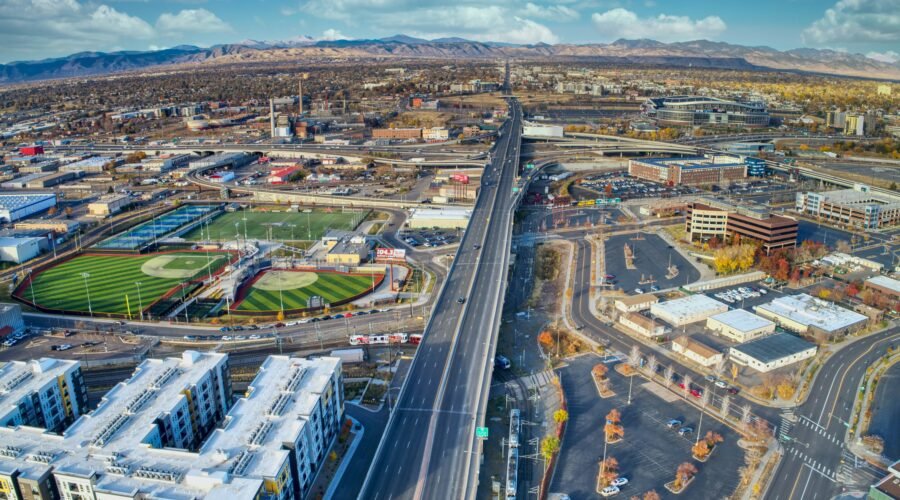
So, you’re thinking about heading to Denver? Awesome choice! It’s a city with a lot going for it, from its stunning mountain backdrop to its vibrant culinary scene. But like any trip, knowing what to expect beforehand can make all the difference. Let’s dive into the nitty-gritty of visiting the Mile High City, focusing on what really matters: the weather, when to expect crowds, and how much your wallet might feel the pinch.
1. Denver’s Weather: More Than Just Sunshine
When people think of Denver, they often picture endless sunny days and clear blue skies. While that’s largely true, it’s not the whole story. Denver’s weather is known for its variability, and understanding this can save you from being caught off guard.
A. The Sunshine Factor: It’s Real, But Not Constant
Denver gets an impressive amount of sunshine – over 300 days a year, in fact! This is thanks to its high-altitude, semi-arid climate. So, yes, you’ll likely experience plenty of those glorious, sunny “Colorado bluebird days.” This makes it a fantastic destination for outdoor activities almost year-round. However, don’t let the sunshine fool you into thinking it’s always warm.
B. Four Seasons in One Day: The Denver Way
This is where things get interesting. Denver is notorious for rapid weather changes. You might start your day with a crisp, cool morning, see the sun blazing by midday, and then find yourself dealing with a sudden afternoon thunderstorm or even snow showers in the shoulder seasons. It’s not uncommon to see snow in April or May, nor is it unheard of to have a warm spell in October.
- Spring (March-May): This is a prime example of the “four seasons in a day” phenomenon. Expect anything from sunshine and mild temperatures to chilly winds and snow. It can be beautiful with blooming flowers, but you’ll need layers.
- Summer (June-August): Generally warm and dry, with average highs in the 80s and 90s Fahrenheit. Afternoon thunderstorms are common, often bringing dramatic lightning shows and a welcome cool-down. It’s rarely oppressively humid, which is a big plus.
- Fall (September-November): Often one of Denver’s most beautiful seasons. The air crispens, the foliage can be stunning (especially in the nearby mountains), and the sunshine persists. However, late fall can bring early snow.
- Winter (December-February): Cold, but usually not extreme. Snowfall is frequent, but Denver doesn’t typically get the massive accumulations seen in mountain towns. Days can be sunny and crisp, while others are overcast and snowy.
C. Altitude Matters: Breathing Easier (Eventually)
Don’t forget Denver is the “Mile High City.” This means you’re at an elevation of 5,280 feet. The air is thinner, and this can affect you, especially if you’re coming from sea level.
- Hydration is Key: Drink way more water than you think you need, starting even before you arrive. Dehydration can exacerbate altitude sickness symptoms.
- Go Easy on the Alcohol: Alcohol can hit you harder and faster at this altitude. Pace yourself, especially on your first day.
- Listen to Your Body: If you feel dizzy, nauseous, or have a headache, take it easy. Most symptoms are mild and subside with rest and hydration. Avoid strenuous activity on your first day if possible.
If you’re planning a trip to Denver, Colorado, you might also find it helpful to read about the best activities and attractions to enjoy during your visit. For more insights on making the most of your stay, check out this related article on the top things to do in Denver. It provides valuable information on must-see sites and local experiences that can enhance your trip. For further inquiries or assistance, feel free to reach out through our contact page at here.
2. Navigating Denver’s Crowds: When to Visit for Your Vibe
Denver is a popular spot, so knowing when the crowds are likely to be thick can help you plan a trip that suits your style, whether you’re after a lively atmosphere or a more laid-back experience.
A. Peak Tourist Season: Summer Vibes and Holiday Buzz
Unsurprisingly, Denver sees its largest influx of visitors during the summer months and around major holidays.
- Summer (June-August): This is prime time for outdoor festivals, brewery hopping, and day trips to the mountains. Expect more people at popular attractions, longer waits for restaurants, and higher prices for accommodation and flights.
- Around the Holidays (Late November – Early January): The city lights up, and holiday markets pop up. While it’s a festive time, it can also mean more families and shoppers out and about.
B. Shoulder Seasons: Balance of Good Weather and Moderate Crowds
These periods offer a sweet spot for many visitors, combining pleasant weather with fewer people.
- Spring (April-May): As the snow melts and warmer temperatures arrive, Denver starts to buzz again. You’ll find fewer tourists than in summer, but the weather can still be unpredictable. The city is beautiful as it comes back to life.
- Fall (September-October): Arguably one of the best times to visit. The weather is often fantastic, the autumn colors are beautiful, and the summer crowds have dispersed. This is a great time for hiking and enjoying the city without the peak season rush.
C. The Quiet Times: Embracing Winter’s Calm
If you’re looking for the fewest crowds and potentially the best deals, consider visiting during the off-season.
- Winter (January-March, excluding holiday weeks): While ski resorts nearby are busy, the city of Denver itself is generally less crowded. You can enjoy museums, galleries, and restaurants with shorter waits. The crisp, sunny winter days can be particularly lovely. Be prepared for cold and potential snow.
D. Special Events: Plan Around Them (or Avoid Them)
Denver hosts a variety of festivals, concerts, and sporting events throughout the year. These can significantly impact crowd levels.
- Major Festivals: Think Denver Startup Week, Colorado Dragon Boat Festival, or Denver Arts Festival. Check the city’s event calendar when you’re planning.
- Concerts and Sporting Events: Major concerts at venues like Red Rocks Amphitheatre or sporting events for the Broncos, Nuggets, Avalanche, or Rockies will draw large crowds to specific areas.
3. Denver’s Costs: Budgeting for Your Mile High Adventure
Denver is a growing and increasingly popular city, and its costs reflect that. However, with some planning, you can absolutely enjoy Denver without breaking the bank.
A. Accommodation: Where You Stay, How Much You Pay
Your biggest expense will likely be lodging. Prices fluctuate significantly based on the season, demand, and location.
- Peak Season (Summer, Holidays): Expect the highest hotel rates. Downtown, LoDo (Lower Downtown), and areas near popular attractions will be the most expensive.
- Shoulder Seasons (Spring, Fall): You’ll generally find more reasonable prices. Consider staying slightly outside the immediate downtown core for better deals.
- Off-Season (Winter, excluding holidays): This is when you’ll see the most significant savings on hotels.
- Airbnb/Vacation Rentals: These can be a good option, especially for longer stays or if you’re traveling with a group. Prices can vary widely, but you might find more budget-friendly options in residential neighborhoods a short transit ride from downtown.
B. Dining Out: From Food Trucks to Fine Dining
Denver has a fantastic and diverse food scene, offering options for every budget.
- Budget-Friendly: Food halls like Denver Central Market or Avanti Food & Beverage offer a variety of vendors at different price points. Food trucks are also abundant, especially during warmer months. Exploring ethnic neighborhoods can yield delicious and affordable eats.
- Mid-Range: There are countless excellent restaurants offering everything from gastropub fare to international cuisine. Expect to pay $20-$40 per person for a main course and a drink.
- High-End: Denver has a growing number of upscale restaurants, particularly in the LoDo and RiNo (River North Art District) areas. Be prepared to spend $50+ per person for a fine dining experience.
- Happy Hour is Your Friend: Many Denver restaurants and bars offer fantastic happy hour deals on drinks and appetizers, which can be a great way to sample their offerings without the full dinner price.
C. Activities and Attractions: Free Fun and Splurges
Denver offers a mix of free and paid activities.
- Free Fun: Denver’s parks are a huge draw. Explore City Park (home to the zoo and museums), Washington Park, or Civic Center Park. Walking through neighborhoods like LoDo, RiNo, or South Broadway is also a great way to soak in the city’s atmosphere. Many breweries offer free tours or tastings (though you’ll likely buy a pint!).
- Museums and Cultural Sites: Entrance fees vary, but expect to pay $15-$30 for major museums like the Denver Art Museum or the Denver Museum of Nature & Science. Look for free days or discounted hours if available.
- Breweries and Distilleries: While many offer free entry, budgeting for tasting flights or pints is essential if you plan to explore the craft beverage scene.
- Day Trips/Outdoor Activities: Tickets for attractions like the Denver Zoo or Downtown Aquarium can add up. Day trips to nearby attractions like Red Rocks Amphitheatre (to see it even if there’s no show) or Garden of the Gods can be free or have minimal parking fees. Longer excursions to mountain towns will involve transportation and activity costs.
D. Getting Around: Public Transport vs. Ride Shares
How you move around the city will impact your budget.
- Public Transportation (RTD): Denver has a decent public transit system, including light rail and buses. A day pass or a multi-ride card can be very cost-effective for getting between downtown, the airport, and various neighborhoods. It’s a great way to save money and avoid parking hassles.
- Ride Shares (Uber/Lyft): Convenient, especially for getting to and from areas not well-served by public transit, or for late-night travel. Prices can surge during peak times.
- Car Rental: If you plan on doing extensive exploring in the mountains or surrounding areas, a rental car might be necessary. However, parking in downtown Denver can be expensive and challenging, so factor that into your decision.
4. Pack Smart for Denver: Layering is Everything
Denver’s variable weather means your packing strategy should be all about flexibility. Forget packing for just one type of weather; you need to be prepared for several.
A. The Foundation: Comfortable Clothing
Start with versatile basics that can be layered.
- Tops: Think t-shirts, long-sleeved shirts, and perhaps a light sweater or two. Breathable fabrics are best.
- Bottoms: Jeans, comfortable walking pants, or leggings are good choices. Shorts can be great for warm summer days but might be too cool in spring and fall evenings.
B. The Crucial Layering Pieces
This is where you’ll make or break your comfort.
- Mid-Layer: A fleece jacket, a down vest, or a light to medium-weight sweater is essential. This is what you’ll wear on cooler mornings or evenings.
- Outer Shell: A windproof and water-resistant jacket is non-negotiable. Even if there’s no rain in the forecast, Denver can get gusty, and a sudden shower can pop up. If you’re visiting in cooler months, consider a warmer, insulated outer jacket.
C. Footwear Focus: Comfort and Traction
You’ll be doing a lot of walking, and Denver’s terrain can be varied.
- Comfortable Walking Shoes: This is paramount. Sneakers or sturdy walking shoes are ideal.
- Hiking Boots (Optional): If you plan on significant hiking in the mountains, good hiking boots are a must. Otherwise, they might be overkill for city exploration.
- Waterproof Options: If you’re visiting during spring or fall, or even winter, a pair of waterproof or water-resistant shoes can be a lifesaver.
D. Don’t Forget the Essentials
These are the little things that make a big difference.
- Sun Protection: Even on cloudy days, the sun is strong at altitude. Bring sunglasses, a hat (with a brim!), and sunscreen. Lip balm with SPF is also a good idea.
- Reusable Water Bottle: As mentioned, hydration is key. Having your own bottle lets you easily refill and stay hydrated. Many places have water fountains.
- Small Backpack or Daypack: Perfect for carrying your layers, water bottle, snacks, and souvenirs while you’re out exploring.
- Beanie or Warm Hat: Even in milder months, evenings can get chilly.
- Gloves: If you’re traveling in the cooler seasons (fall through spring), a pair of light to medium-weight gloves can make a big difference on cold mornings or evenings.
If you’re planning a trip to Denver, Colorado, you might also find it helpful to explore the best activities to enjoy during your visit. For more insights on what to do while you’re in the Mile High City, check out this informative article on top attractions in Denver. Understanding the local attractions can enhance your experience and help you make the most of your time in this vibrant city.
5. Key Denver Neighborhoods to Explore
Denver is a city of distinct neighborhoods, each with its own personality and offerings. Getting a feel for a few of them can really enhance your visit.
A. LoDo (Lower Downtown): Historic Charm and Lively Nights
This is Denver’s oldest neighborhood, a beautifully preserved Victorian district filled with historic buildings.
- What to Expect: Cobblestone streets, boutique shops, a plethora of bars and restaurants, and iconic landmarks like Union Station. It’s where you’ll find a lot of the nightlife and a generally bustling atmosphere.
- Good For: Pub crawls, enjoying live music, exploring historic architecture, and dining out. It’s very walkable and a great place to start your Denver experience.
B. RiNo (River North Art District): Creative Energy and Craft Beer
This former industrial area has transformed into Denver’s artistic hub, bristling with creativity.
- What to Expect: Incredible street art and murals on nearly every building, independent galleries, craft breweries galore, innovative restaurants, and a generally hip and energetic vibe.
- Good For: Art lovers, craft beer enthusiasts, exploring unique shops, and enjoying a more eclectic dining scene. Weekends are especially lively here, with many outdoor patios and events.
C. Capitol Hill: Grand Mansions and Bohemian Vibes
Home to the State Capitol building, this neighborhood offers a mix of elegant architecture and a more eclectic, bohemian feel.
- What to Expect: Beautiful historic mansions, the Denver Art Museum, the Denver Public Library, and a variety of cafes, bars, and diverse restaurants. It’s a more residential feel in parts, with a good mix of culture and everyday life.
- Good For: Culture vultures, history buffs, exploring diverse culinary options, and enjoying parks like Civic Center Park.
D. South Broadway (SoBo): Eclectic Shops and Vintage Finds
Stretching along South Broadway, this stretch is known for its independent spirit and quirky treasures.
- What to Expect: A treasure trove of vintage clothing stores, antique shops, quirky boutiques, music venues, and a diverse array of restaurants and bars, from dive bars to trendy eateries.
- Good For: Shoppers looking for unique finds, bargain hunters, exploring a less polished but authentic Denver feel, and checking out live music.
E. Cherry Creek: Upscale Shopping and Modern Living
If you’re looking for a more polished and upscale experience, Cherry Creek is the place to go.
- What to Expect: The Cherry Creek Shopping Center features high-end designer stores, while Cherry Creek North boasts charming streets lined with boutiques, galleries, and sophisticated dining options. It’s a very well-maintained and modern part of the city.
- Good For: Serious shoppers, enjoying fine dining, and experiencing a more modern and polished side of Denver.
By understanding Denver’s weather patterns, anticipating crowd levels, and planning your budget, you’ll be well-equipped to have a fantastic and memorable trip to the Mile High City. Enjoy your adventure!
FAQs
1. What is the best time to visit Denver, Colorado for favorable weather?
The best time to visit Denver for favorable weather is during the summer months, from June to August, when the temperatures are warm and the city experiences minimal rainfall.
2. When is the peak tourist season in Denver, Colorado?
The peak tourist season in Denver, Colorado is during the summer months, from June to August, when the city experiences an influx of visitors due to the favorable weather and outdoor activities.
3. What is the shoulder season in Denver, Colorado?
The shoulder season in Denver, Colorado is during the spring and fall months, from April to May and September to October, when the weather is still pleasant and the crowds are thinner compared to the peak summer season.
4. When is the off-peak season in Denver, Colorado?
The off-peak season in Denver, Colorado is during the winter months, from November to March, when the city experiences colder temperatures and occasional snowfall, resulting in fewer tourists and lower accommodation costs.
5. What are the average costs of visiting Denver, Colorado during the peak tourist season?
During the peak tourist season in Denver, Colorado, the average costs of accommodation, dining, and activities are higher due to the increased demand. It is advisable to book in advance and expect higher prices during this time.