Planning the perfect getaway to South Australia‘s premier wine region comes down to aligning your itinerary with the vineyard calendar and weather. The best time to visit Clare Valley is during autumn (March to May) and spring (September to November). During these shoulder seasons, daytime temperatures average a comfortable 18°C to 24°C (64°F to 75°F), making conditions ideal for cycling the famous Riesling Trail, enjoying cellar door tastings, and catching vibrant vineyard colors or spring wildflowers without summer’s extreme heat.
Quick Answer
The overall best months to visit Clare Valley are March through May (autumn) for grape harvest and the annual Gourmet Week, or September through November (spring) for mild cycling weather and lush green vineyards. Winter (June–August) offers cozy fires and the lowest prices, while summer (December–February) brings dry heat with temperatures frequently topping 35°C (95°F).
Key Takeaways
- Peak Season: Autumn (vintage harvest, changing foliage, Clare Valley Gourmet Week) and Spring (wildflowers, cycling events).
- Low Season: Winter brings cooler daytime temperatures (12°C–15°C) and crisp nights, along with the best accommodation discounts.
- Climate Profile: Mediterranean climate with warm, dry summers and crisp, cool nights driven by elevations between 300 and 500 meters.
- Top Outdoor Activity: The 35-kilometer Riesling Trail is best explored in April, May, September, or October.
Located just under two hours north of Adelaide (approximately 140 kilometers), the Clare Valley enjoys a classic Mediterranean climate. Its higher elevation creates significant diurnal temperature variation—warm, sunny days followed by cool, crisp nights. This microclimate is the secret behind the region’s world-class, crisp Riesling and bold Shiraz, but it also means packing layers is essential regardless of what month you arrive.
Clare Valley Climate & Seasonal Breakdown
Summer (December to February): Warm Days & Cellar Door Escapes
Summer in the Clare Valley is characterized by hot, dry conditions with long daylight hours. Average daytime temperatures sit around 29°C to 32°C (84°F–90°F), but heatwaves regularly push temperatures above 38°C (100°F). Because humidity is low, evenings cool down pleasantly.
- Pros: Long daylight hours provide ample time for relaxed late-afternoon winery visits; vineyards are in full fruit development.
- Cons: Intense midday heat makes outdoor hiking and cycling strenuous; some boutique cellar doors adjust opening hours during extreme heat days.
- Crowds: Moderate. Weekends attract holiday travelers, but weekdays remain quiet outside the Christmas–New Year break.
- Costs: Standard rates apply, with modest surcharges around the Christmas and Australia Day holiday weekends.
- What to Expect: Morning outdoor excursions followed by air-conditioned cellar doors, long indoor lunches, and evening wine on vineyard verandas.
Warning: Summer falls within South Australia’s designated Bushfire Danger Season. Always check daily fire danger ratings and total fire ban updates via the South Australian Country Fire Service (CFS) before setting out on rural trails.
Autumn (March to May): Vintage Harvest & Gourmet Week (Peak Season)
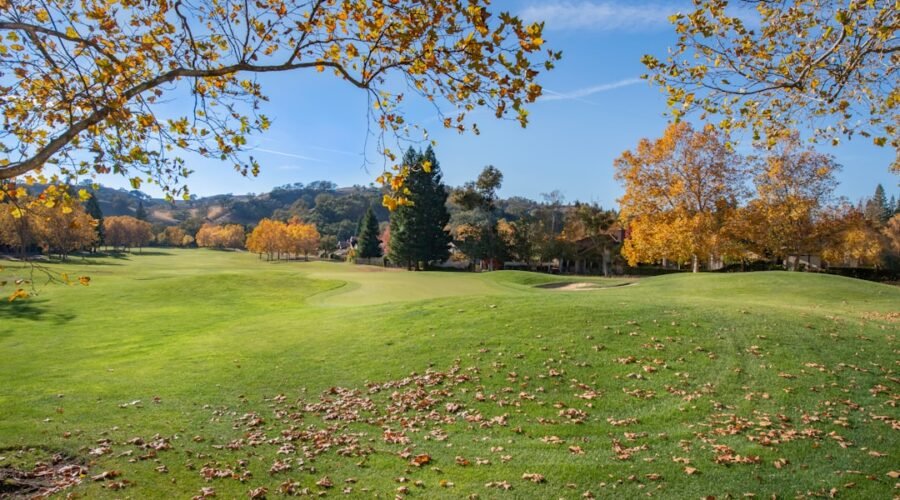
Autumn is widely considered the premier time to experience the region. Daytime temperatures range from 18°C to 25°C (64°F–77°F), the summer heat gives way to clear, calm days, and vineyard canopies transform into brilliant amber, gold, and red.
- Pros: Active grape harvest (vintage) runs through March and April, offering a firsthand look at winemaking. Weather conditions are ideal for cycling the Riesling Trail and dining outdoors.
- Cons: High demand for accommodations during major event weekends, requiring early reservations.
- Crowds: High on weekends and festival dates; moderate and relaxed mid-week.
- Costs: Peak rates for boutique cottages and bed-and-breakfasts, especially during Easter and festival dates.
- What to Expect: Cellar doors buzzing with vintage activity, seasonal farm-to-table menus, and celebrated regional events like the annual 10-day Clare Valley Gourmet Week in May.
Pro Tip: If visiting during vintage (March–April), book your cellar door tastings in advance. Winemakers and cellar door teams are heavily involved in harvest and fermentation, meaning seated tasting capacities can fill quickly.
Winter (June to August): Cozy Fires, Hearty Reds & Low-Season Value
Winter in the Clare Valley brings crisp, cool days with daytime highs averaging 12°C to 15°C (54°F–59°F) and overnight lows dropping to 3°C to 6°C (37°F–43°F), with occasional morning frosts. While winter brings the majority of the region’s annual rainfall, showers are typically interspersed with clear, brisk skies.
- Pros: Wood fires burning in historic stone cellar doors, intimate one-on-one tastings with winemakers, and lower lodging prices.
- Cons: Shorter daylight hours, cooler weather for cycling, and occasional wet or muddy trail sections.
- Crowds: Lowest tourist numbers of the year, providing a peaceful and unhurried experience.
- Costs: Best value of the year. Many properties offer mid-week discounts and multi-night winter packages.
- What to Expect: Structured wine tastings focusing on aged Clare Valley Shiraz and Cabernet Sauvignon, hearty country pub fare, and scenic, moody rolling hills.
Spring (September to November): Budburst, Wildflowers & Outdoor Living
Spring matches autumn as one of the most picturesque seasons. Vines burst into new bright green growth (budburst), canola fields bloom in vivid yellow across neighboring paddocks, and wildflowers line local hiking trails. Daytime temperatures average 18°C to 24°C (64°F–75°F).
- Pros: Fresh green scenery, comfortable cycling conditions, and vibrant regional events showcasing new vintage releases.
- Cons: Spring can bring occasional windy days and brisk morning starts.
- Crowds: Moderate to high, with noticeable increases over the October South Australian Labor Day long weekend.
- Costs: Moderate to peak rates on long weekends, with stable mid-week pricing.
- What to Expect: Vibrant outdoor garden dining, cycling between historic villages like Auburn, Watervale, and Sevenhill, and spring wine release events.
Timing Your Visit: Activities & Events
Selecting your travel dates in Clare Valley depends largely on the specific experiences you want to prioritize.
Wine Tasting & Cellar Door Experiences
Cellar doors operate year-round across the region’s distinct sub-valleys, including Watervale, Polish Hill River, Sevenhill, and Auburn. Autumn allows you to witness the bustling harvest and crushing process, winter offers cozy fireside tastings of structured reds, and spring provides sunny courtyard settings to sample fresh, newly bottled Clare Valley Rieslings.
Note: While major cellar doors are open seven days a week, several smaller family-run wineries and regional restaurants close on Mondays and Tuesdays. Plan mid-week itineraries accordingly.
Cycling the Riesling Trail
The 35-kilometer Riesling Trail runs along a converted historic railway line connecting Auburn, Watervale, Penwortham, Clare, and Barinia. April, May, September, and October offer prime cycling conditions with mild temperatures and gentle breezes. Summer cycling requires early morning starts before 10:00 AM to avoid extreme heat, while winter riders should pack windproof and water-resistant layers.
Food, Dining & Farm Gates
Clare Valley boasts an exceptional culinary identity built around local lamb, olive oils, artisanal cheeses, and farm-fresh produce. Autumn showcases harvest abundance, while winter highlights hearty slow-cooked fare and truffle dishes. Top regional dining rooms in Clare, Sevenhill, and Watervale book out weeks in advance for weekend lunches.
Local Festivals & Key Events
- Clare Valley Gourmet Week (May): Australia’s longest-running regional food and wine festival, spanning 10 days of curated dinners, masterclasses, and vineyard celebrations (Clare Valley Wine & Community).
- Riesling Trail Marathon (April): An annual running event along the scenic rail trail attracting athletes and recreational runners.
- Spring Into Clare (October): A seasonal celebration highlighting new wine releases, artisan markets, and live music across cellar doors.
- Rotary Clare Valley Easter Races: A traditional country racing fixture held annually at the Clare Valley Racecourse on Easter Saturday.
Managing Crowds & Costs
Planning travel logistics around peak dates helps you maximize both your budget and your tasting experience.
Avoiding Peak Crowds
The best strategy for avoiding crowds is scheduling your stay between Monday and Thursday. Weekend visitor traffic increases significantly due to easy driving proximity from Adelaide. Visiting mid-week provides relaxed, one-on-one time with winemakers and unobstructed cycling along the trails.
Budgeting & Saving Money
- Travel in Shoulder or Low Seasons: June through August offers the lowest accommodation pricing, with many luxury cottages offering third-night-free specials.
- Tasting Fee Redemptions: Most cellar doors charge a tasting fee of $10 to $20 AUD, which is typically waived upon purchasing a bottle of wine.
- Bring Your Own Bike: Access to the 35km Riesling Trail and the connected Rattler Trail is completely free. Bringing your own gear saves on daily bike hire fees.
Practical Tips for Your Visit
Getting Around
A private vehicle is the most practical way to reach Clare Valley from Adelaide via the Main North Road (Horrocks Highway / B82). Once in the valley, cycling is viable between towns directly connected by the Riesling Trail (Auburn to Clare). However, reaching elevated wineries in Polish Hill River or Armagh requires a car, a pre-booked local wine tour, or regional shuttle services.
Where to Base Yourself
- Clare: The primary commercial hub with supermarkets, restaurants, and accommodation options.
- Sevenhill & Watervale: Positioned in the heart of the vineyard country, perfect for walk-to-winery cottage stays.
- Auburn: The southern gateway and official start of the Riesling Trail, known for historic stone architecture and cozy heritage bed-and-breakfasts.
Seasonal Packing Checklist
- Summer: Wide-brim hat, high-SPF sunscreen, polarized sunglasses, breathable natural fabrics, and hydration packs.
- Autumn & Spring: Layered clothing, light fleece or denim jacket, comfortable walking/cycling shoes, and smart-casual evening wear.
- Winter: Insulated coat, warm knitwear, scarf, umbrella, and sturdy walking shoes suitable for damp vineyard soils.
In Conclusion: Your Best Time to Visit
| Season / Month | Weather & Temperatures | Crowds | Costs |
|---|---|---|---|
| Summer (Dec–Feb) | Warm to hot, dry (29°C–38°C / 84°F–100°F+) | Moderate | Moderate (High holidays) |
| Autumn (Mar–May) | Mild, sunny days, crisp nights (18°C–25°C / 64°F–77°F) | High (Peak) | Peak |
| Winter (Jun–Aug) | Cool, crisp, occasional showers (12°C–15°C / 54°F–59°F) | Low | Low (Best Value) |
| Spring (Sep–Nov) | Pleasant, fresh, blooming vines (18°C–24°C / 64°F–75°F) | Moderate to High | Moderate to High |
Your ideal travel window in Clare Valley depends on your preferred travel style:
- For optimal weather, grape harvest, and festivals: Choose autumn (March to May).
- For cycling, blooming landscapes, and outdoor dining: Choose spring (September to November).
- For quiet cellar doors, open wood fires, and lower rates: Choose winter (June to August).
- For long summer evenings and quiet mid-week cellar doors: Choose summer (December to February), planning outdoor activities for early mornings.
Frequently Asked Questions
What is the best time to visit Clare Valley, South Australia in terms of weather?
The best time for ideal weather is during autumn (March to May) and spring (September to November). Daytime temperatures during these months average between 18°C and 25°C (64°F to 77°F), providing clear, mild conditions perfect for outdoor cycling, vineyard tours, and al fresco dining without the extreme heat of summer.
When is the peak tourist season in Clare Valley, South Australia?
The peak tourist season in Clare Valley is during autumn (March to May), particularly during the annual grape vintage and the 10-day Clare Valley Gourmet Week in May. Spring (September to November) also experiences high visitor numbers on weekends due to favorable weather and cycling events.
When is the off-peak season in Clare Valley, South Australia?
The off-peak season occurs during the winter months of June through August. With cooler temperatures averaging 12°C to 15°C (54°F to 59°F), fewer visitors travel to the region, making it an excellent time for quiet cellar door tastings by roaring fires and securing discounted accommodation rates.
What are the average costs during the peak tourist season in Clare Valley, South Australia?
During the autumn and spring peak periods, accommodation rates for boutique cottages and heritage B&Bs range from $220 to $450 AUD per night. Wine tasting fees typically range between $10 and $20 AUD per person (often redeemable upon wine purchase). Booking 2 to 3 months in advance is recommended for event weekends.
Are there any annual events or festivals that are worth considering when planning a visit to Clare Valley, South Australia?
Yes. The premier annual event is Clare Valley Gourmet Week, held each May to celebrate the end of vintage with exclusive tastings, masterclasses, and live music. Other notable events include the Riesling Trail Marathon in April, the Easter Races, and the Spring Into Clare festival in October.
Sources
- South Australian Tourism Commission — Regional travel guides, trail maps, and seasonal visitor resources.
- Clare Valley Wine & Community — Official regional event dates, vintage reports, and cellar door directory.
- Australian Bureau of Meteorology (BOM) — Climate averages, seasonal rainfall, and temperature observations for the Clare Valley.
- South Australian Country Fire Service (CFS) — Bushfire Danger Season dates, fire ban regulations, and rural travel safety.