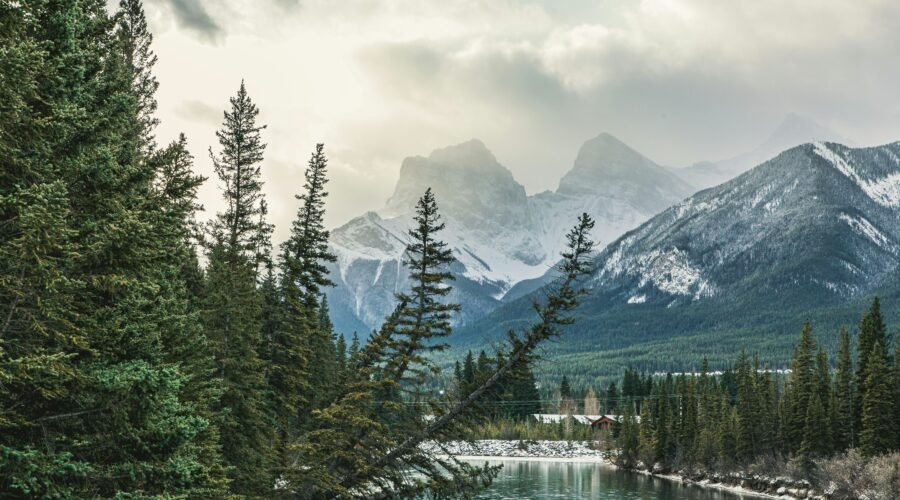
So, you’re wondering about the best time to visit Canmore, Alberta? The answer depends on what you want to do. Summer gives you the broadest choice of hiking and warm-weather activities, winter is best for snow sports, September is excellent for hiking and fall scenery, and spring or late fall can offer quieter stays and better value.
Quick Answer
For most travelers, the best time to visit Canmore is from late June through early September. Choose July or August for the widest range of hiking opportunities, September for cooler hiking weather and fall colours, December through March for winter sports, and spring or late fall if lower prices and fewer visitors matter most.
Key Takeaways
- Best overall weather and outdoor access: July through early September.
- Best for skiing and snow activities: December through March, although exact snow and resort conditions vary.
- Best balance of hiking weather and smaller crowds: June and September.
- Best for golden larch scenery: Usually late September into early October, depending on the year and elevation.
- Best for lower demand: Parts of spring and late fall, especially outside holiday weekends.
- Before any mountain outing: Check the weather, trail advisories, wildlife notices, air quality, and access rules rather than relying only on the calendar.
Best Time to Visit Canmore at a Glance
| Season | Best For | Crowd Level | Main Trade-Off |
| December-March | Skiing, snowshoeing, cross-country skiing, winter scenery | Moderate to high around holidays and weekends | Cold weather, winter driving, limited summer-style hiking |
| April-May | Quieter visits, town activities, lower-elevation recreation | Usually lower | Mud, lingering snow, variable trail access |
| June-August | Hiking, biking, paddling, climbing, camping | Highest in July and August | Higher prices, busy trails, parking pressure, possible wildfire smoke |
| September-November | Fall hiking, larch colours, photography, quieter late-fall travel | Busy during larch season, quieter later | Shorter days, freezing nights, early snow possible |
Understanding Canmore’s Seasons
Canmore sits in the Canadian Rockies, so mountain conditions matter as much as the date on your calendar. Weather can change quickly, conditions differ dramatically by elevation, and a warm day in town does not guarantee that a high trail is dry or snow-free.
Tourism Canmore Kananaskis describes Canmore and Kananaskis as year-round destinations. Summer and fall are particularly popular for hiking, biking and other warm-weather recreation, while winter is the main season for skiing, snowshoeing and similar activities. Tourism Canmore Kananaskis also identifies early spring and early winter as typically quieter periods.
Winter in Canmore: December to March
Winter is prime time if snow is the main reason for your trip. Canmore gives you access to cross-country skiing, snowshoeing, fat biking and other winter recreation, while major downhill ski areas in the surrounding Rockies can be reached by road.
- Weather: Expect freezing conditions, snow, icy roads and the possibility of much colder spells. Sunny winter days are common, but mountain weather can change fast.
- Activities: Cross-country skiing, downhill skiing and snowboarding, snowshoeing, winter hiking where conditions permit, fat biking, indoor recreation and designated outdoor skating.
- Crowds: Christmas, New Year’s, Family Day weekends, school breaks and good-snow weekends can be busy. Midweek trips outside holiday periods are usually easier.
- Costs: Holiday periods and popular winter weekends can carry premium lodging prices.
Warning: Do not skate on Quarry Lake or the Rundle Forebay. The Town of Canmore states that both are never safe for ice skating. Use a Town-maintained skating surface and check its current status before going. See the Town of Canmore outdoor skating page.
The Town maintains several outdoor ice surfaces when weather allows, including The Pond near downtown. Their opening and closing status can change quickly with temperature, so check before you leave your accommodation.
Spring in Canmore: April to May
Spring is a transition season. Town may feel mild while higher terrain remains snowy, icy or affected by avalanche conditions.
- Weather: Expect everything from sunshine to rain or late snow. Nights can still fall below freezing.
- Trails: Lower-elevation routes may become usable first, while high trails can remain snow-covered or muddy much longer.
- Activities: Walking, lower-elevation hiking and biking, wildlife viewing, town sightseeing and seasonal activities as individual operators reopen.
- Crowds: Generally lighter than the core summer season, except on holiday weekends and during special events.
- Costs: You may find better lodging value than in midsummer, although prices still vary by date and property.
Do not assume that a warm afternoon in Canmore means a mountain trail is ready. Check Alberta Parks or Parks Canada trail reports for the exact route you plan to use.
Summer in Canmore: June to August
Summer offers long days and the widest range of warm-weather activities. For many first-time visitors, this is the easiest season to plan because hiking, biking, climbing, paddling, sightseeing and camping options expand as snow disappears.
- Weather: Days are generally mild to warm, while evenings can remain cool. Rain, thunderstorms and rapid temperature changes are possible.
- Hiking: Access normally improves as summer progresses, but high-elevation snow can linger. Never assume every route is open simply because it is July.
- Activities: Hiking, mountain biking, rock climbing, fishing, paddling, camping, scenic drives and walking around Canmore.
- Crowds: July and August are among the busiest periods, particularly on weekends and holidays.
- Costs: Expect stronger demand for accommodation, rental vehicles, campgrounds and guided activities.
Note: Wildfire smoke can occasionally affect air quality and mountain views during the warmer season. Check Canada’s Air Quality Health Index before strenuous outdoor activity. Health Canada recommends adjusting or reducing outdoor activity when smoke causes poor air quality or symptoms. See Health Canada’s wildfire-smoke guidance.
Fall in Canmore: September to November
Fall is one of Canmore’s most rewarding seasons. September can still provide excellent hiking weather, while the region’s larches create a short but spectacular period of golden colour.
- September: Often excellent for hiking, photography and cooler daytime temperatures.
- Larch season: Golden colours typically appear for a relatively short window from late September into early October, but timing varies with elevation and weather.
- October: Conditions cool quickly, daylight shortens and snow becomes increasingly possible.
- November: A transitional month between fall and winter, often with fewer visitors than the busiest summer and larch-season dates.
- Costs: September can remain expensive during popular fall weekends, while later fall may offer better value.
If your Canmore trip includes Banff National Park, remember that Canmore’s municipal rules are not the same as national-park access rules. Lake Louise and Moraine Lake have their own transportation and parking systems, and Moraine Lake Road is closed to personal vehicles year-round. Check Parks Canada’s Lake Louise and Moraine Lake transportation information before planning that day trip.
Best Time to Visit Canmore for Specific Interests
Best Time for Winter Sports
Ideal window: December through March.
This period generally gives you the strongest range of snow-based recreation. Exact ski-area opening dates, snowfall and trail grooming vary from year to year, so check conditions shortly before your trip.
Holiday periods can be expensive and busy. If your schedule is flexible, a non-holiday weekday can give you a calmer experience.
Best Time for Hiking and Backpacking
Ideal window: July through early September for the broadest access, with late June also useful for some lower and mid-elevation routes.
July and August usually provide the widest selection of hiking opportunities, but they also attract the largest summer crowds. Early September can be an excellent compromise: daytime temperatures are often comfortable for walking, many summer trails remain accessible, and the busiest school-holiday period has ended.
Conditions—not the month—should make the final decision. Snow, trail damage, wildlife closures, construction and wildfire conditions can change access with little notice.
Pro Tip: Pick the hike only after checking the current trail report on the morning of your outing. Keep a lower-elevation backup route in mind in case snow, thunderstorms, wildfire smoke, wildlife activity or a closure changes your original plan.
Best Time for Budget-Conscious Travelers
Best opportunities: Quieter parts of spring and late fall.
Lower visitor demand can produce better accommodation value, especially outside holiday periods and major events. The trade-off is that you may encounter snow, mud, rain, reduced operating hours or fewer seasonal activities.
Rather than choosing shoulder season only because it is cheaper, make sure the activities you care about are actually operating. A low hotel rate is not a bargain if the trail, attraction or activity that motivated your trip is unavailable.
Best Time for Photography and Scenery
Two periods stand out:
- Fall: Late September and early October can bring golden larches, colourful foothills and fresh snow on higher peaks.
- Winter: Snow-covered mountains and crisp winter landscapes can produce dramatic scenes, particularly after fresh snowfall.
Larch season is popular, so do not assume late September will be quiet. Popular Kananaskis and Banff-area trailheads can attract heavy weekend traffic during peak colour.
If Larch Valley near Moraine Lake is on your list, plan the transportation before planning the hike. Personal vehicles cannot drive Moraine Lake Road. Use the current Parks Canada, Roam Transit or licensed commercial transportation options permitted for the season.
Best Time to Avoid Crowds
If peace and quiet matter more than having every summer activity available, consider midweek travel during quieter spring or late-fall periods.
October and November can feel substantially calmer after the fall-colour rush, while parts of March and April can also be quieter once major winter holiday periods have passed.
September needs a special warning: it can feel calmer than August in town, but popular larch trails may still be exceptionally busy on good-weather weekends.
Passes, Parking and Transportation
Do You Need a Kananaskis Conservation Pass?
If you drive from Canmore to provincial parks or public-land recreation sites in Kananaskis Country or the Bow Valley pass area and park there, your vehicle may require a Kananaskis Conservation Pass.
As of 2026, a personal-vehicle pass costs $15 for a day or $90 for a year. The pass applies to the vehicle rather than each passenger. Canmore’s municipal townsite itself is not subject to the Kananaskis Conservation Pass simply because it lies beside Kananaskis Country.
If you also visit Banff National Park, national-park entry requirements are separate from the Kananaskis Conservation Pass. Check Parks Canada for the rules applying on your travel dates.
Getting Around by Roam Transit
A rental car can be convenient, but it is not essential for every Canmore trip. Roam Transit operates local Canmore service as well as Route 3 between Canmore and Banff. Some seasonal routes also connect Banff with major visitor destinations.
Transit can be particularly valuable during busy summer weekends, events and periods when parking fills quickly.
Parking in Canmore
Do not assume all visitor parking in Canmore is free. The Town operates paid parking in several popular areas, including the town centre, Quarry Lake and Riverside Park. Rates and seasonal rules can change, so check the Town of Canmore parking information before arriving.
Walking, biking and local transit can save you from repeatedly searching for a downtown space during busy periods.
Visiting Lake Louise and Moraine Lake from Canmore
These destinations are in Banff National Park, not Canmore, and they require additional planning during the busy season.
Moraine Lake Road is closed to personal vehicles year-round. Seasonal access is provided through authorized transit, shuttle and commercial transportation services. Lake Louise parking is also highly constrained during the busiest months.
Reserve required transportation as early as practical and verify the current year’s operating dates instead of relying on information from an older trip report or blog post.
How to Plan Your Canmore Trip
Accommodation Booking
There is no single number of months in advance that everyone must book. How early you need to reserve depends on your dates, budget and flexibility.
- July and August: Reserve early if you need a particular hotel, room type or weekend.
- Christmas and school-holiday periods: Popular properties can fill well ahead of arrival.
- Larch season: Good-weather September weekends can have strong demand.
- Shoulder season: You may have more flexibility, but special events and holiday weekends can still tighten availability.
Activity Reservations
Guided hikes, climbing instruction, rafting, dog sledding and other limited-capacity activities can sell out during popular periods. If an activity is the main reason for your trip, reserve it before filling the rest of your itinerary.
Restaurant reservations are also worthwhile for popular dining rooms on busy weekends.
Pack for Rapidly Changing Mountain Weather
Layers are useful in every season because temperatures can change quickly with elevation, wind, cloud and time of day.
- Winter: Insulated layers, wind- and water-resistant outerwear, warm hat, gloves, suitable winter boots and eye protection.
- Summer: Light layers, a rain shell, sturdy footwear, sun protection and enough water.
- Spring and fall: Waterproof footwear, warm layers, gloves or a light hat, and clothing suitable for both rain and snow.
- Mountain outings: Add navigation, extra food and water, emergency supplies and whatever specialized equipment the route and current conditions require.
Mountain Safety You Should Plan for
Bear and Wildlife Safety
Canmore and Kananaskis are wildlife country. When hiking or biking in bear habitat, carry bear spray where you can reach it quickly and know how to use it. Government of Alberta guidance also recommends staying alert and following BearSmart practices. See the official Alberta bear-spray guidance.
Check wildlife advisories and closures before leaving, make your presence known on trails, control pets as required, and never approach wildlife for a photograph.
Snow and Avalanche Conditions
Winter hazards do not disappear on a fixed spring date. High-elevation snow and avalanche terrain can remain a concern well into the shoulder season.
If a route travels through avalanche terrain, obtain the appropriate current avalanche information and have the knowledge and equipment required for that terrain. If you do not have that training, choose a route that avoids avalanche exposure.
Wildfire Smoke and Air Quality
Smoke can travel long distances and affect Canmore even when a fire is not nearby. During wildfire season, check the Air Quality Health Index and local alerts before a long hike, run or bike ride.
If air quality deteriorates, shorten or reduce strenuous outdoor activity, move activities indoors, or change your plans as appropriate.
Special Events and Their Impact
Canmore hosts sporting events, races and community celebrations throughout the year. These can make a normally manageable weekend much busier.
Sporting Events
The Canmore Nordic Centre hosts recreational and competitive events that can increase traffic, reduce parking availability or temporarily affect trail access. Running, cycling and other mountain-sport events also take place during warmer months.
Check the event calendar and current trail advisories if your accommodation or planned route is near the Nordic Centre.
Festivals and Holiday Weekends
- Canmore Highland Games: A major early-September cultural event. In 2026, principal events run September 4-6.
- Canada Day: July 1 celebrations can include downtown road closures and increased pedestrian traffic.
- Summer long weekends: Accommodation, trails, restaurants and roads can all be busier than on an ordinary weekday.
- Christmas and New Year’s: Holiday atmosphere is excellent, but demand and prices can increase.
Before locking in your dates, check official Canmore event notices, current parking information and transportation updates. A festival or race can be a reason to visit, but it can also change traffic patterns and accommodation availability.
Final Thoughts on the Best Time to Visit Canmore
There is no single month that is perfect for every Canmore trip. Match your dates to your main priority:
- For skiing and snowy scenery: Choose December through March.
- For the widest range of hiking and summer recreation: Choose July or August.
- For hiking with cooler temperatures: Consider early September.
- For golden larch scenery: Look at late September into early October, while remembering that exact timing varies.
- For fewer visitors and potentially better value: Look at quieter spring or late-fall dates outside holiday periods.
The most important lesson is that Canmore is a mountain destination. Your calendar gives you a starting point, but current weather, trail reports, wildfire smoke, wildlife activity and access restrictions should determine the final plan each day.
Frequently Asked Questions
What is the best time to visit Canmore for favorable weather?
July through early September is usually the easiest period for warm-weather sightseeing and the broadest range of outdoor activities. Mountain weather can change quickly, however, so even a summer trip requires layers and a rain plan.
When is the best time to visit Canmore to avoid crowds?
Quieter periods are often found in spring and late fall, especially on weekdays outside holiday weekends. September is not always quiet because popular larch hikes can attract large crowds during peak colour.
What is the peak tourist season in Canmore?
July and August are among the busiest periods because warm weather and long daylight hours support hiking, biking, camping and sightseeing. Holiday winter dates and peak larch-season weekends can also be very busy.
When is the best time to visit Canmore for lower costs?
Quieter spring and late-fall dates can offer better lodging value than midsummer or major holiday periods. Compare actual rates before booking because events, weekends and changing demand can still raise prices.
What is winter like in Canmore?
Winter is cold and snowy, with opportunities for skiing, cross-country skiing, snowshoeing, winter walking and other snow activities. Cold snaps, icy roads and rapidly changing conditions make proper clothing and winter-driving preparation important.
When is larch season around Canmore?
Golden larch colour usually develops from late September into early October, although exact timing changes with elevation and weather. Popular larch trails can be extremely busy during good-weather weekends.
Do I need a Kananaskis Conservation Pass when staying in Canmore?
You do not need the pass simply to park on Canmore municipal land. However, vehicles parked at many provincial park and public-land sites in Kananaskis Country and the Bow Valley pass area require a Kananaskis Conservation Pass. Check the official boundary map for your destination.
Can I drive from Canmore to Moraine Lake?
You can drive toward the Lake Louise area, but personal vehicles are not permitted on Moraine Lake Road. Visitors must use an authorized seasonal transportation option such as Parks Canada shuttle service, qualifying Roam Transit service or licensed commercial transportation.
Sources
- Tourism Canmore Kananaskis — Visitor FAQs — seasonal activities, quieter periods and general trip planning.
- Town of Canmore — Outdoor Skating — designated ice surfaces and the warning that Quarry Lake and Rundle Forebay are unsafe for skating.
- Roam Transit — Schedules and Routes — current Canmore and Bow Valley public-transit options.
- Parks Canada — Lake Louise and Moraine Lake Transportation — seasonal shuttle planning and Moraine Lake access restrictions.
- Government of Alberta — Kananaskis Conservation Pass — current pass requirements, boundaries and fees.
- Health Canada — Wildfire Smoke and Health — AQHI monitoring and guidance for adjusting outdoor activities during smoke events.